US vs Iran: Why avoiding war is critical to global peace and preventing an oil crisis

Escalating US-Iran tensions in Jan 2026 risk a major conflict, threatening the Strait of Hormuz where 20% of global oil flows. With the Rial collapsing and US warnings sharpening, a war could spike energy prices and hit Asian economies hard.
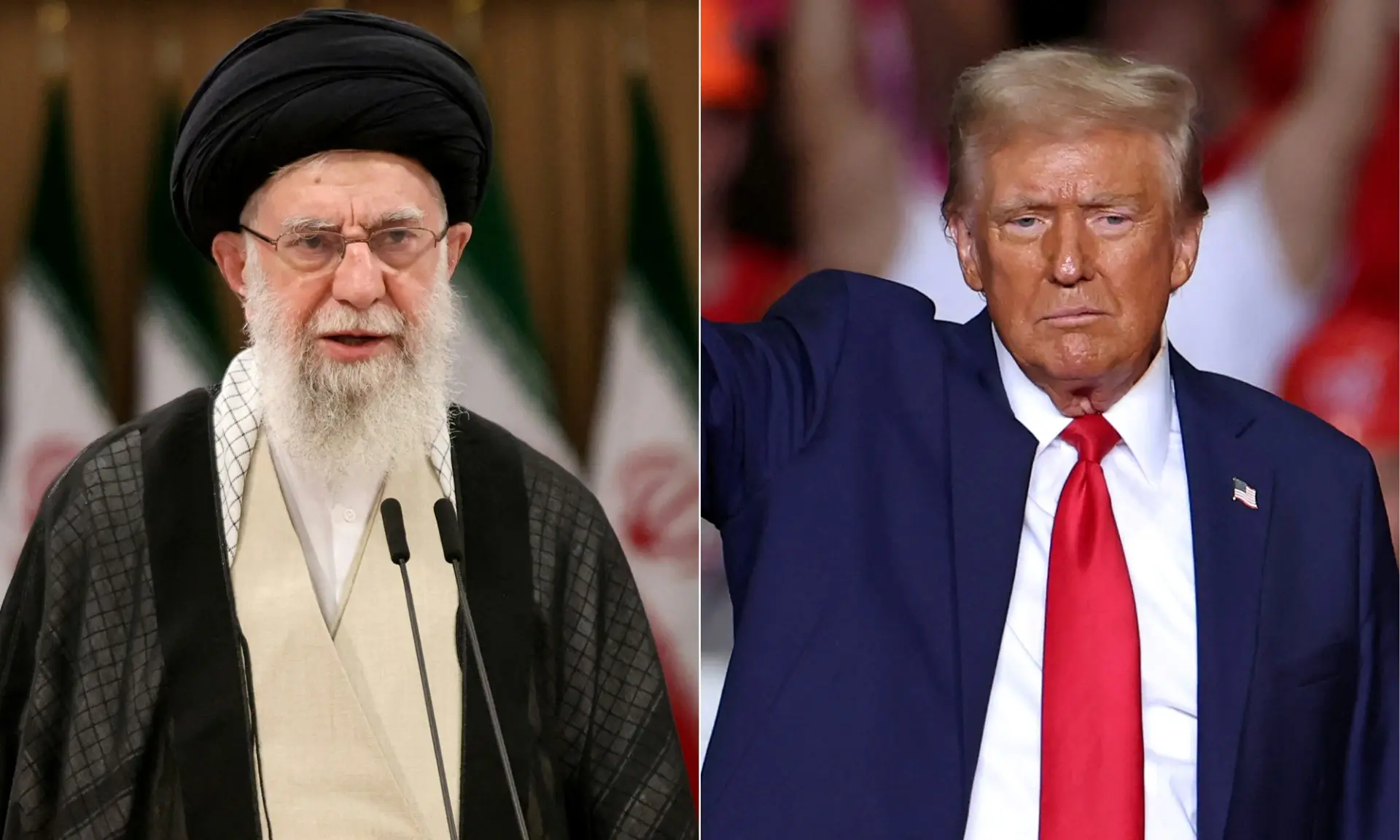
The Trigger: Protests and ThreatsThe Trigger: Protests and Threats
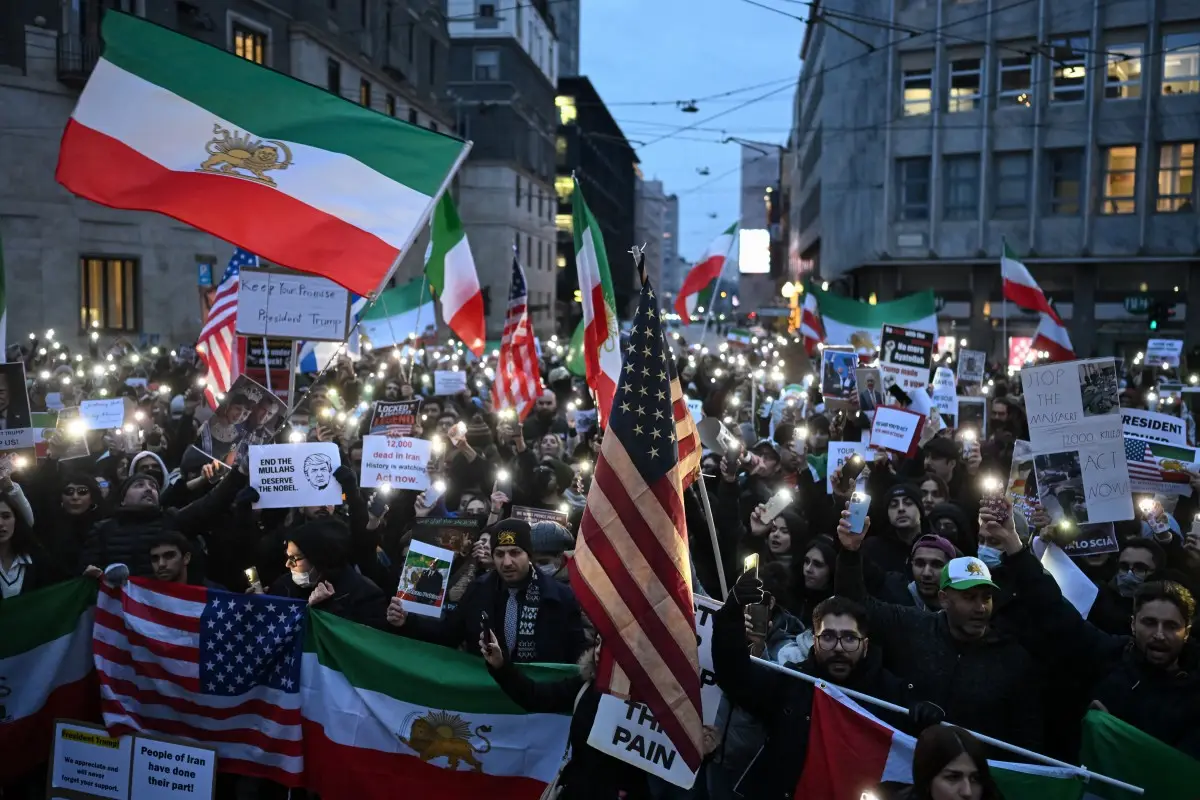
Tensions spiked in late 2025 after the Iranian Rial collapsed to a record low of over 1.4 million to the US dollar, sparking massive economic protests. The US administration has issued severe warnings, stating it is "locked and loaded" if the crackdown on protesters continues. With over 2,600 reported deaths in the current unrest, surpassing casualties from the 2025 conflict, the situation remains volatile and prone to rapid military escalation
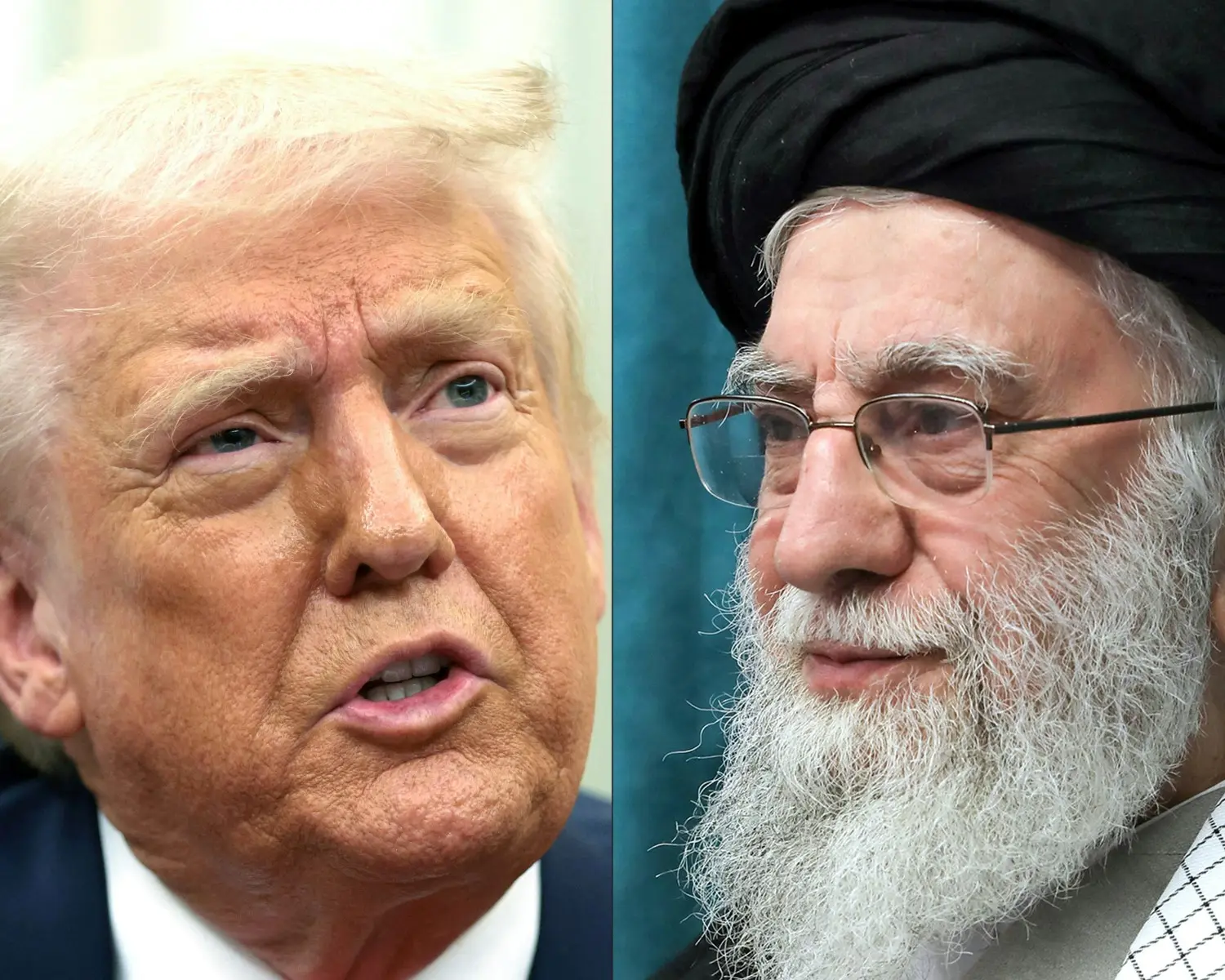
The Strait of Hormuz Vulnerability
The Strait of Hormuz is the world's most critical energy chokepoint, with approximately 20 million barrels of oil passing through it daily. This accounts for nearly 20 to 21 per cent of total global petroleum consumption, making it vital for market stability. Any military action that closes or disrupts this narrow waterway would strand tankers and immediately sever massive energy supplies.
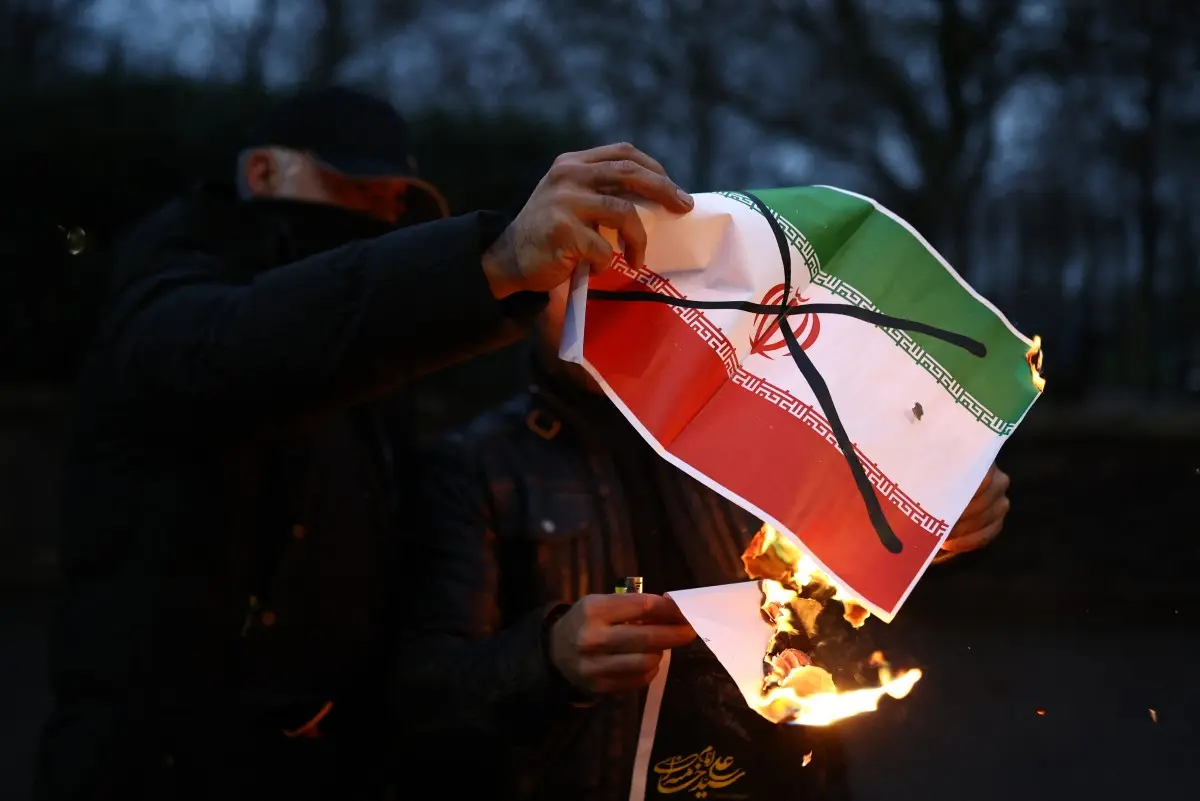
Oil Prices and Economic Shock
While global oil markets are currently cushioned by oversupply with Brent crude trading around $64 per barrel, a conflict could change this overnight. Experts warn that a disruption in the Gulf could cause a knee-jerk price spike, driving up inflation worldwide. The fear of supply outages is already creating a "risk premium" in energy markets, threatening to reverse recent economic recoveries.
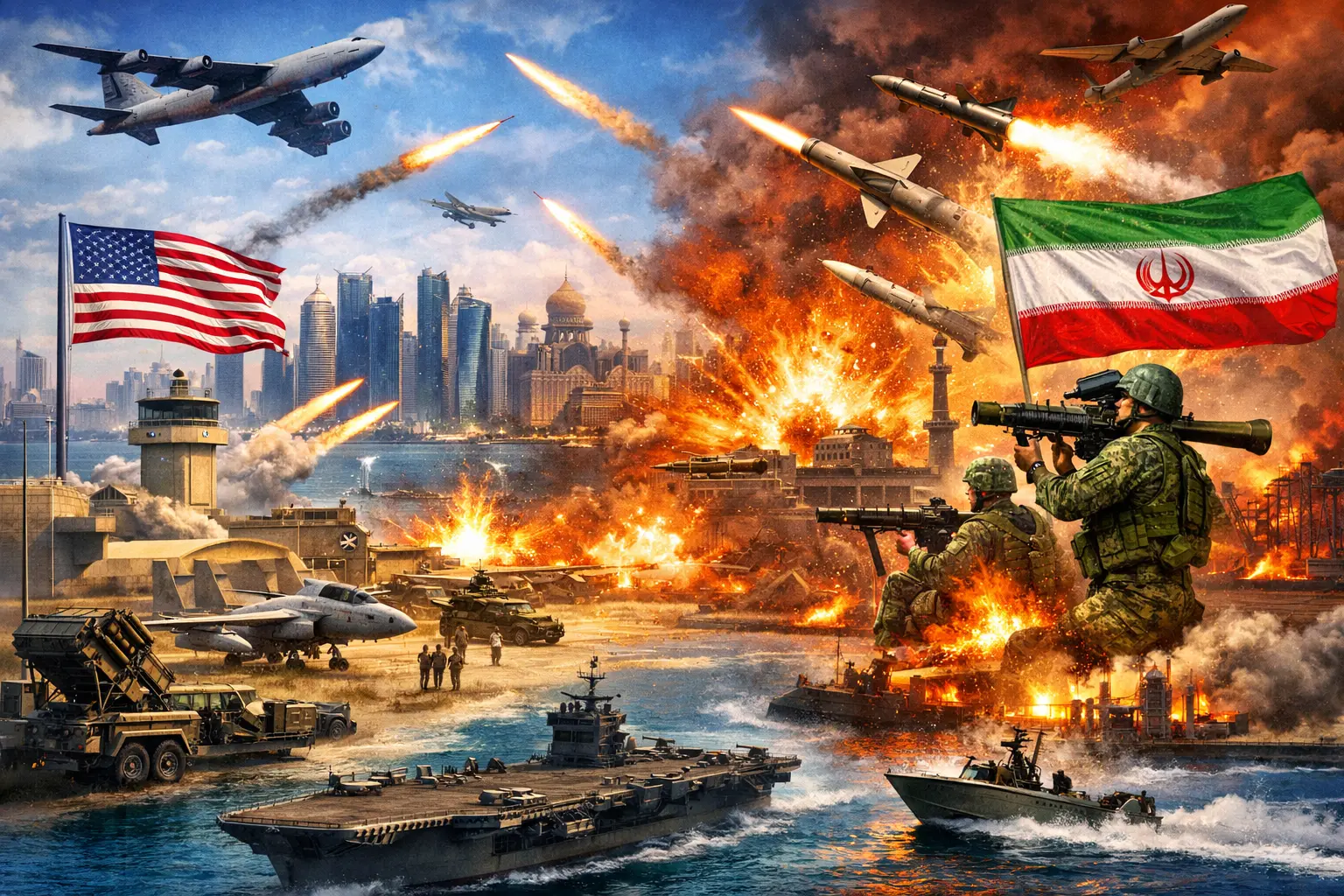
Asia’s Heavy Reliance
Asian giants like India and China are particularly exposed, as they import a vast majority of their crude oil via the Strait of Hormuz. The US has also threatened a 25 per cent tariff on countries continuing to trade with Iran, adding another layer of economic pressure. A conflict would force these nations to find expensive alternatives, heavily impacting their trade balances and currency value.
The Silent Gas Crisis
Beyond oil, the Strait of Hormuz handles about 20 per cent of the global Liquefied Natural Gas (LNG) trade, primarily from Qatar and the UAE. There are virtually no alternative routes for this volume of gas, meaning a blockade would devastate supplies to Europe and Asia. Such a disruption would spike electricity and heating costs globally, creating an energy crisis alongside the oil shock.
Military Realities and Gaps
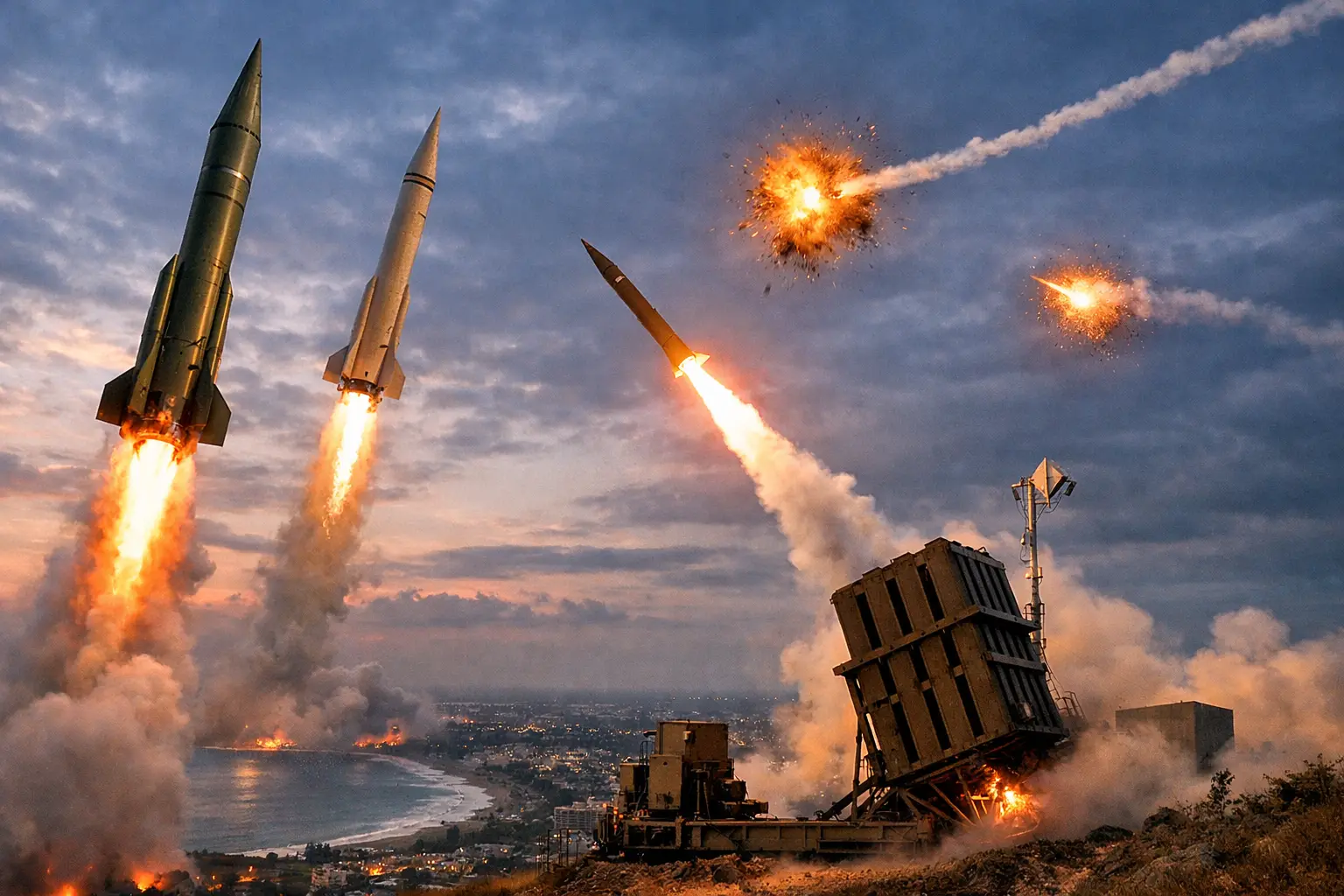
Despite the rhetoric, the US military footprint has shifted, with major assets like the USS Gerald Ford currently deployed to the Caribbean rather than the Middle East. Following the "12-day war" in June 2025 where US forces struck Iranian nuclear sites, re-escalation requires significant logistical buildup. Advisers have warned that a new large-scale bombing campaign would require more firepower than is currently in the region.
The Case for Diplomacy
Given the immense economic risks and military complexities, US envoys and global advisers are urging a diplomatic resolution over kinetic action. A war would not guarantee the fall of the regime but would certainly cause widespread instability and economic pain. Diplomatic channels remain the most viable path to de-escalate tensions and protect global energy security in 2026.
)
)
)
)
)