US to remove non‑proliferation guardrails from Saudi Arabia nuclear deal as Iran tensions rise?

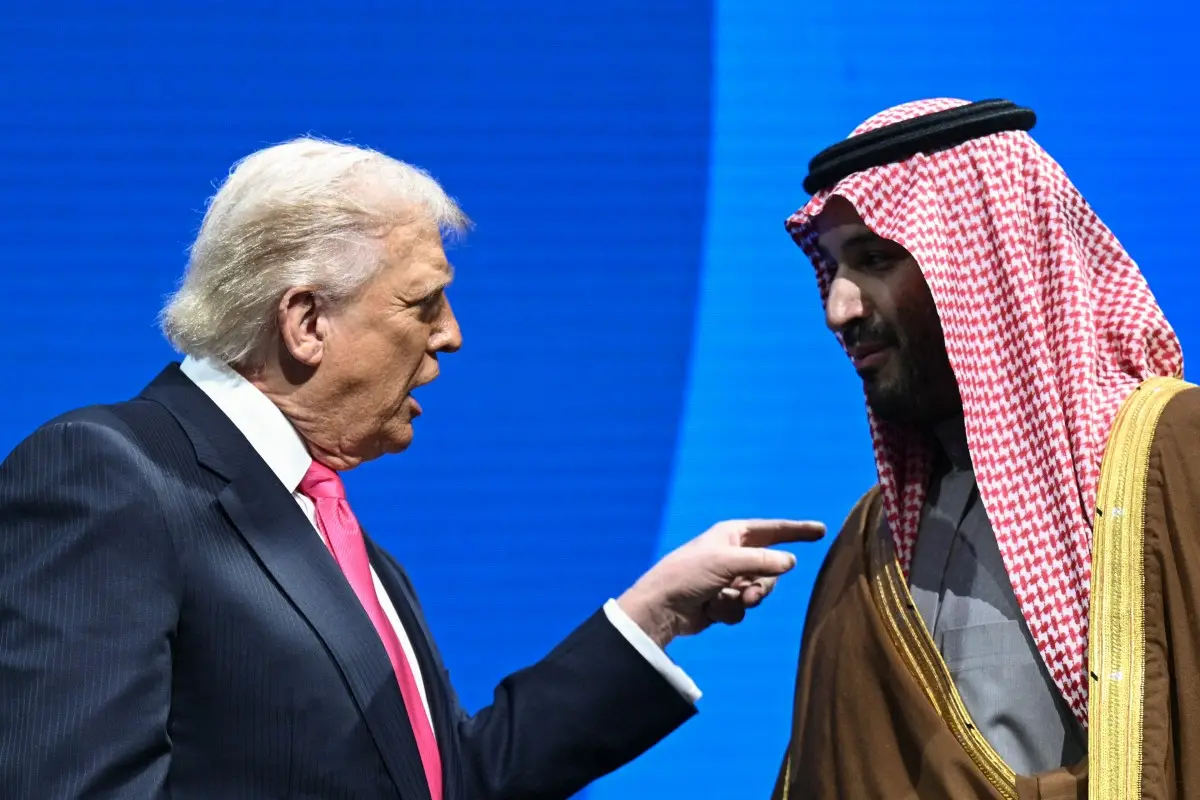
Trump’s report to Congress states that the draft US–Saudi civil nuclear pact, known as a 123 Agreement, positions US industry at the centre of Saudi Arabia’s nuclear development while aiming to maintain nuclear non-proliferation safeguards.
A Shifting Nuclear Landscape
US President Donald Trump has informed Congress that he is pursuing a civil nuclear agreement with Saudi Arabia that omits the non-proliferation safeguards long upheld by the United States to prevent the kingdom from developing nuclear weapons, according to a copy of the document sent to Congress and reviewed by Reuters, raising proliferation concerns as a nuclear standoff between Iran and America continues.
Guardrails Removed
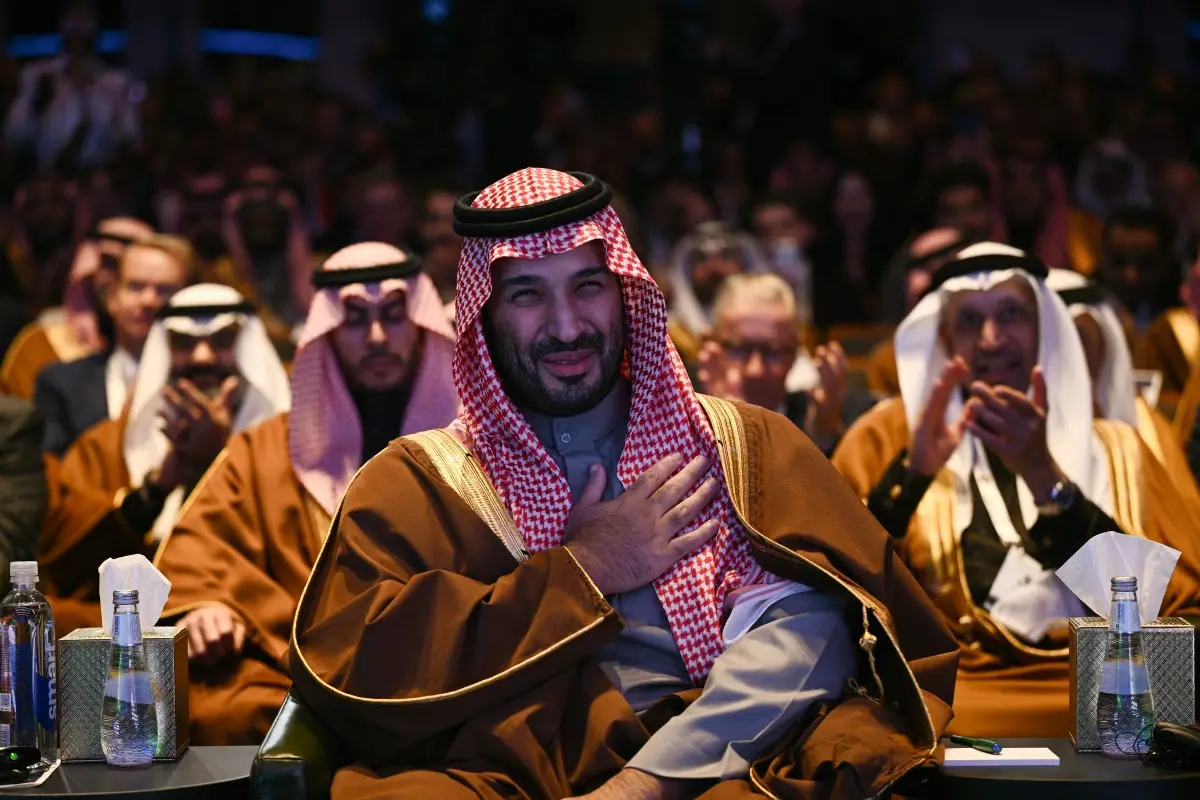
Unlike previous proposals, the new agreement would forgo some traditional safeguards. Saudi Arabia and nuclear-armed Pakistan already signed a mutual defense pact in 2025, after Israel launched an attack on Qatar targeting Hamas officials. Pak’s defense minister later said his nation’s nuclear program 'will be made available' to Saudi if needed. Critics warn this could set a dangerous precedent for global nuclear proliferation.
Congressional Oversight
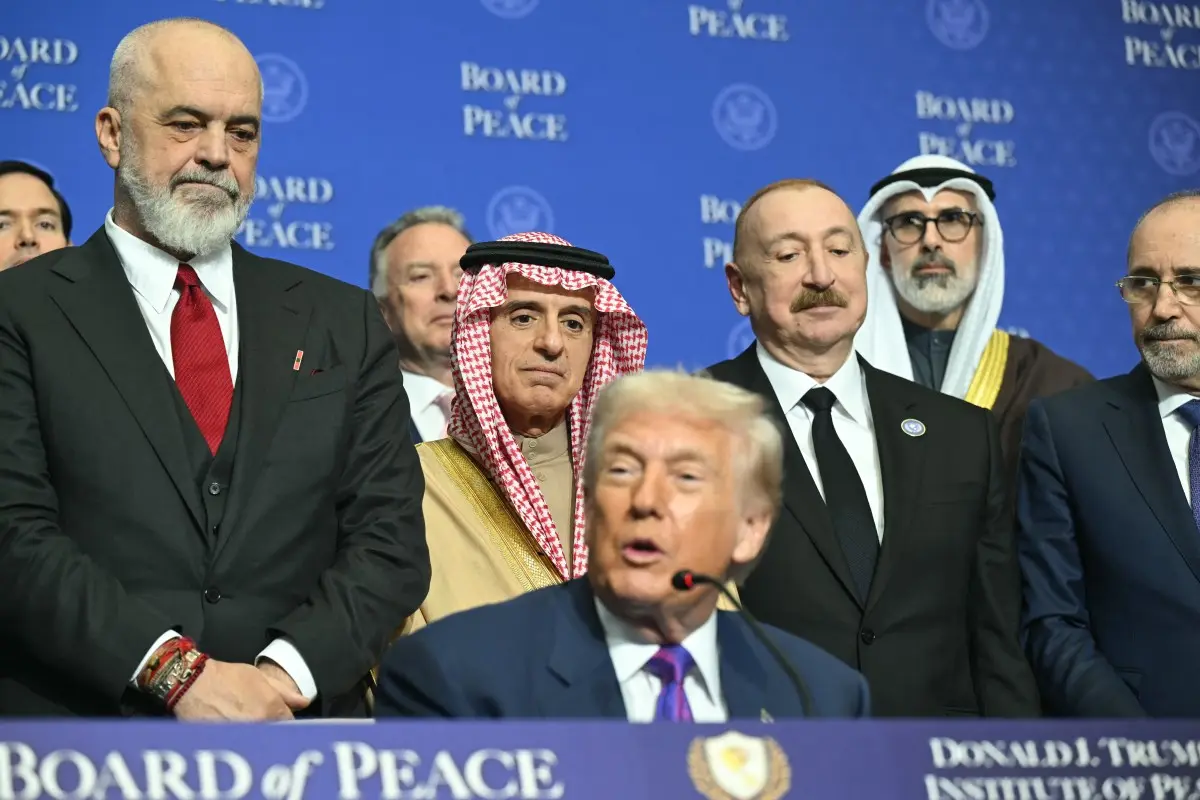
Trump’s report to Congress states that the draft US–Saudi civil nuclear pact, known as a 123 Agreement, positions US industry at the centre of Saudi Arabia’s nuclear development while aiming to maintain nuclear non-proliferation safeguards. Under US law, the agreement must be submitted to Congress for review; if neither the House nor Senate objects within 90 days, it will automatically take effect.
20 nuclear business agreements worldwide
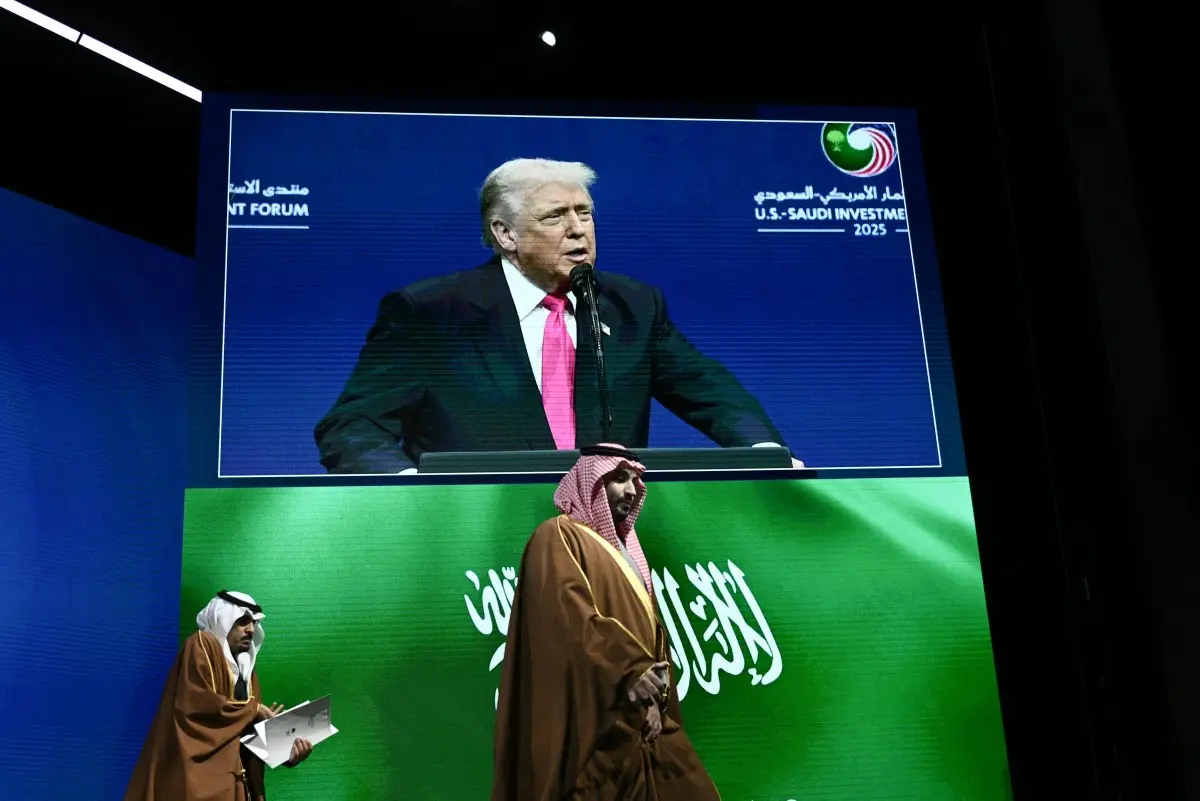
The congressional document, also reviewed by the AP, indicated that the Trump administration plans to pursue 20 nuclear business agreements worldwide, including a potentially multi-billion-dollar deal with Saudi Arabia. Under the draft agreement, the United States and Saudi Arabia would enter into safeguard arrangements with the United Nations’ nuclear watchdog, the International Atomic Energy Agency (IAEA). This would provide oversight of the most proliferation-sensitive aspects of the partnership, including uranium enrichment, fuel fabrication, and reprocessing.
Enrichment and Weaponisation Risks
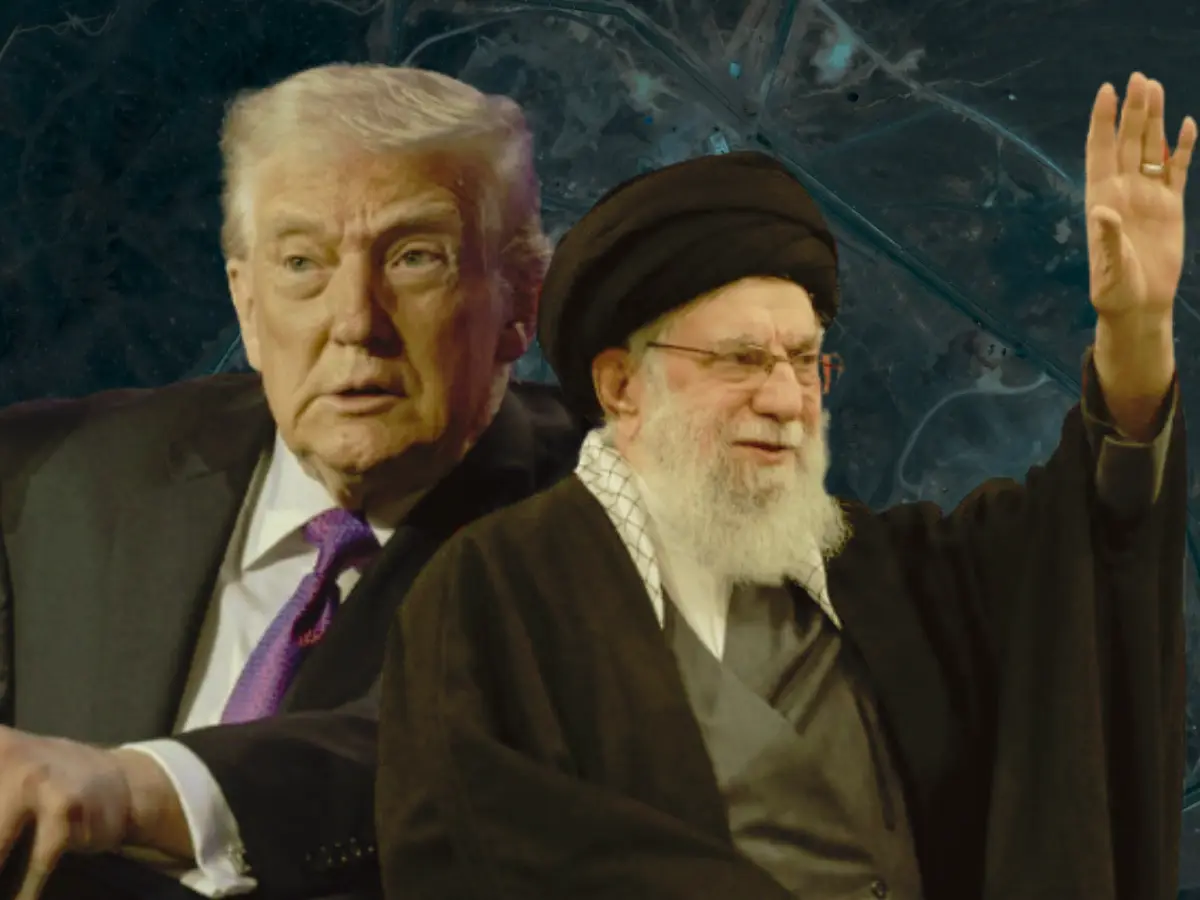
Uranium enrichment alone does not automatically produce a nuclear weapon, a country must also master other complex processes, such as the use of synchronised high explosives. However, high-level enrichment does bring a nation closer to weaponisation, which has been a central concern for Western governments regarding Iran’s nuclear programme.
Regional Tensions Amplify Risk
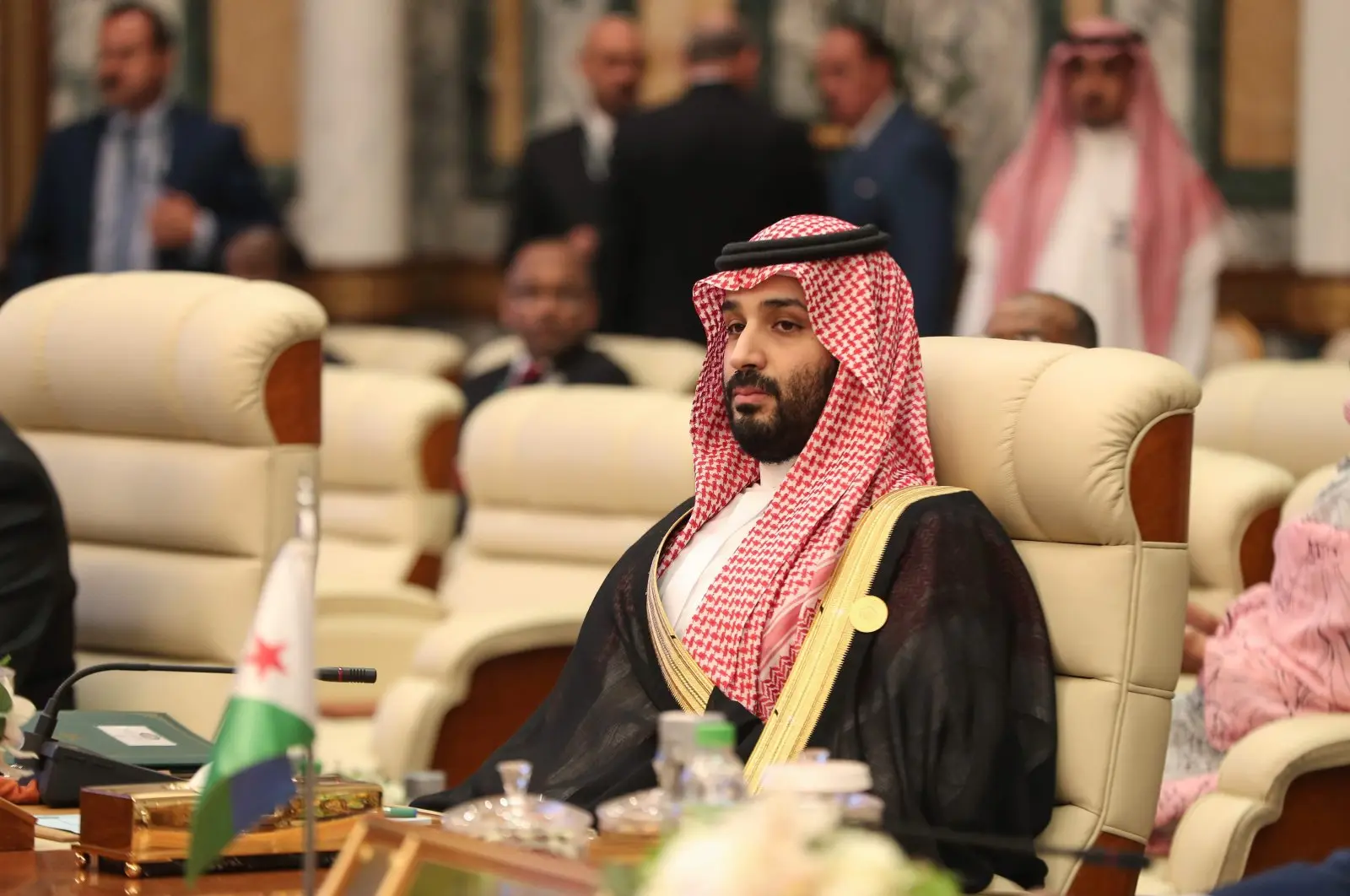
Crown Prince Mohammed bin Salman has publicly stated that Saudi Arabia would pursue nuclear weapons if Iran develops them. “If they get one, we have to get one,” he said in 2023, highlighting the risk of a Middle East nuclear arms race amid escalating US–Iran tensions.
Saudi Deal Amid Rising Iran Tensions
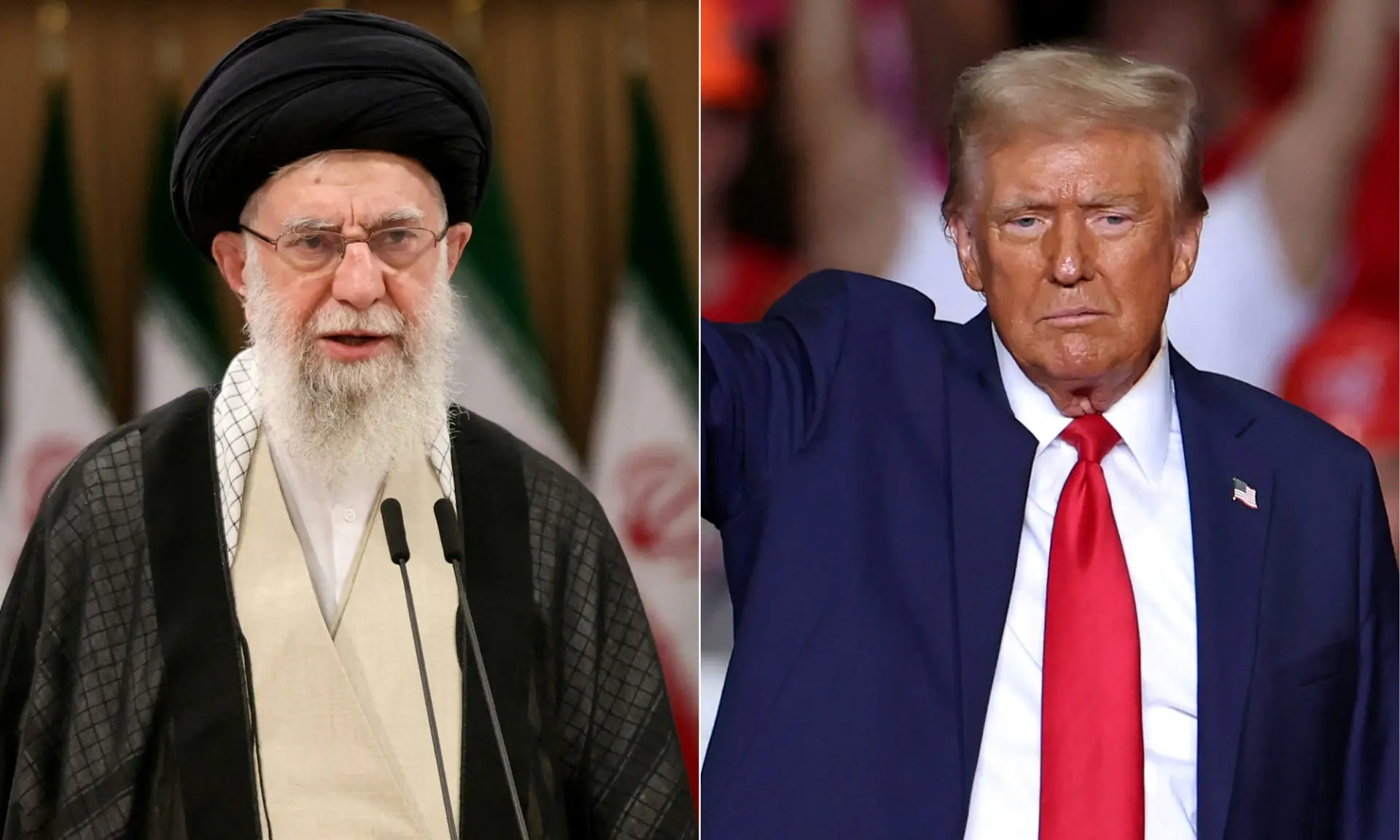
The push for a US–Saudi nuclear agreement comes as Trump has threatened military action against Iran if it fails to reach a deal over its nuclear programme. Iran has long maintained that its nuclear enrichment programme is peaceful. However, Western nations and the IAEA note that Tehran pursued an organised military nuclear programme until 2003. According to Associated Press, more recently, Iran enriched uranium to 60 per cent purity, a technical step short of weapons-grade levels of 90 per cent, making it the only country in the world to achieve such levels without possessing a nuclear weapons programme.
)
)
)
)
)