US nuclear triad: How Minuteman III became a pillar of America’s strategic deterrence

At the heart of the land-based leg of US' nuclear triad is the LGM-30G Minuteman III, which has continued to remain on constant alert for more than five decades and would eventually be replaced by next-generation Sentinel system.
A cornerstone of nuclear strategy
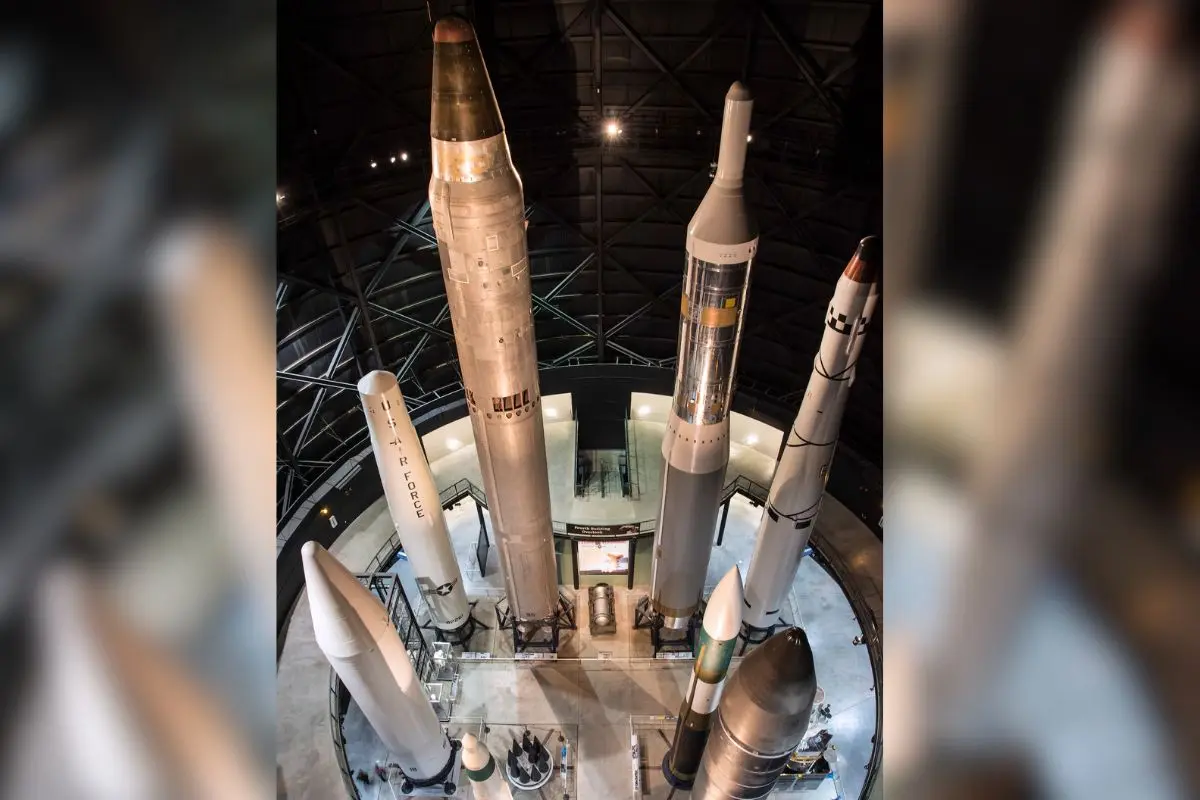
The United States’ nuclear deterrence rests on a three-part structure known as the nuclear triad: land-based intercontinental ballistic missiles (ICBMs), submarine-launched ballistic missiles and strategic bombers. At the heart of the land-based leg is the LGM-30G Minuteman III, which has continued to remain on constant alert for more than five decades and would eventually be replaced by next-generation Sentinel system. According to the US Air Force, the missile continues to provide a credible and immediate response option, forming a stabilising element of national defence.
Origins of the Minuteman programme
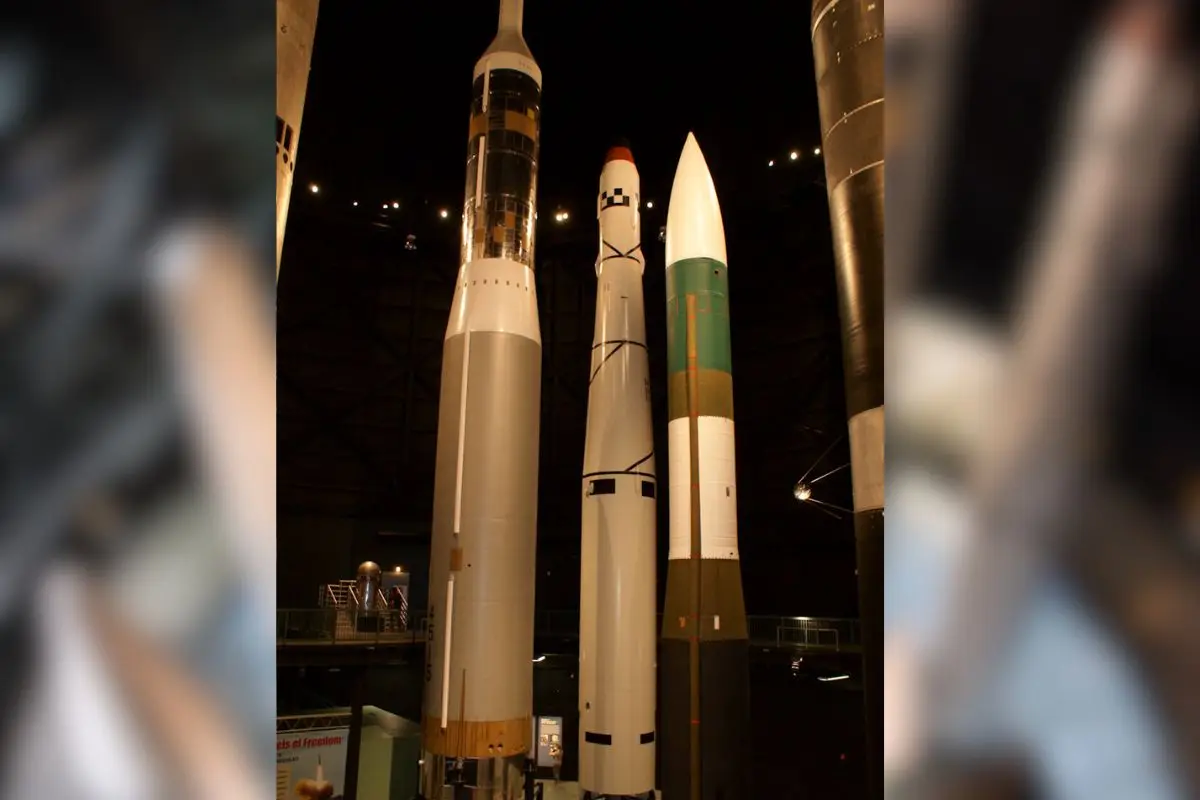
Minuteman III traces its roots back to the Cold War era, when the US sought a faster, more survivable alternative to earlier liquid-fuel missiles. As outlined by the National Museum of the US Air Force, the Minuteman family introduced solid-fuel propulsion, allowing missiles to remain stored without requiring much maintenance and ready for launch at short notice. Minuteman III officially entered service in 1970as it replacing earlier variants with improved accuracy and payload capacity.
Speed, range and reach
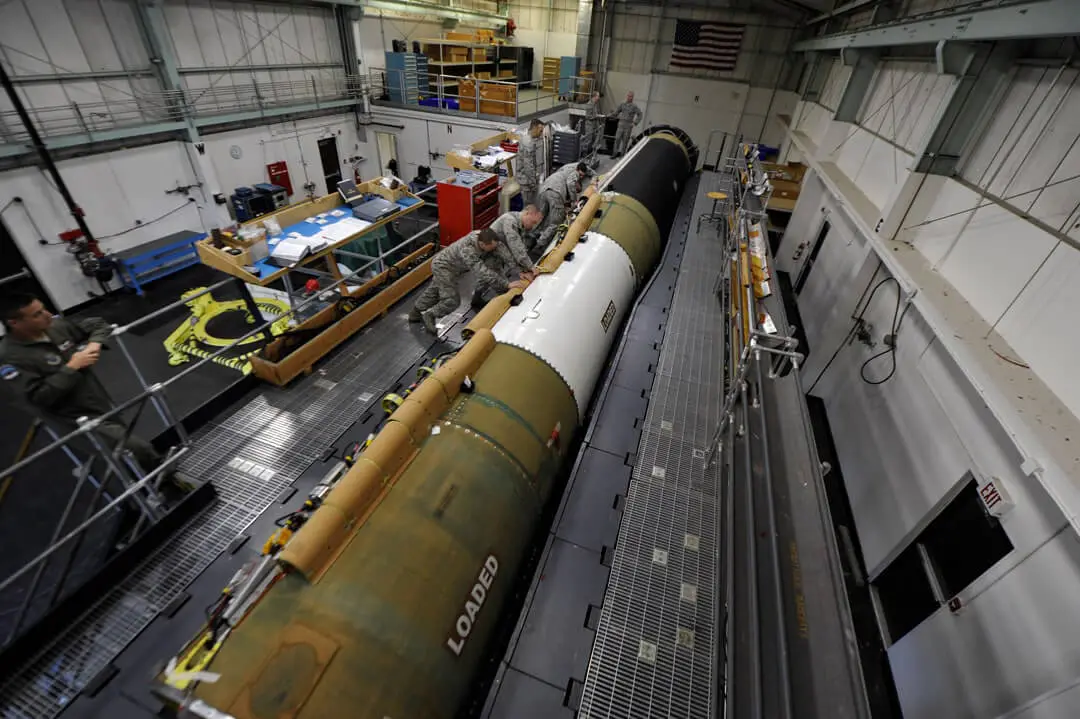
One of Minuteman III’s defining characteristics is its speed. During flight, the missile can exceed speeds of Mach 23 travelling above 24,000 kilometres per hour, thus enabling it to reach targets across intercontinental distances. It can weight up to 36,030 kilograms. The US Air Force notes that its range extends well beyond 6,000-plus miles, placing it firmly within the ICBM category and allowing coverage of targets worldwide.
Accuracy and warhead configuration
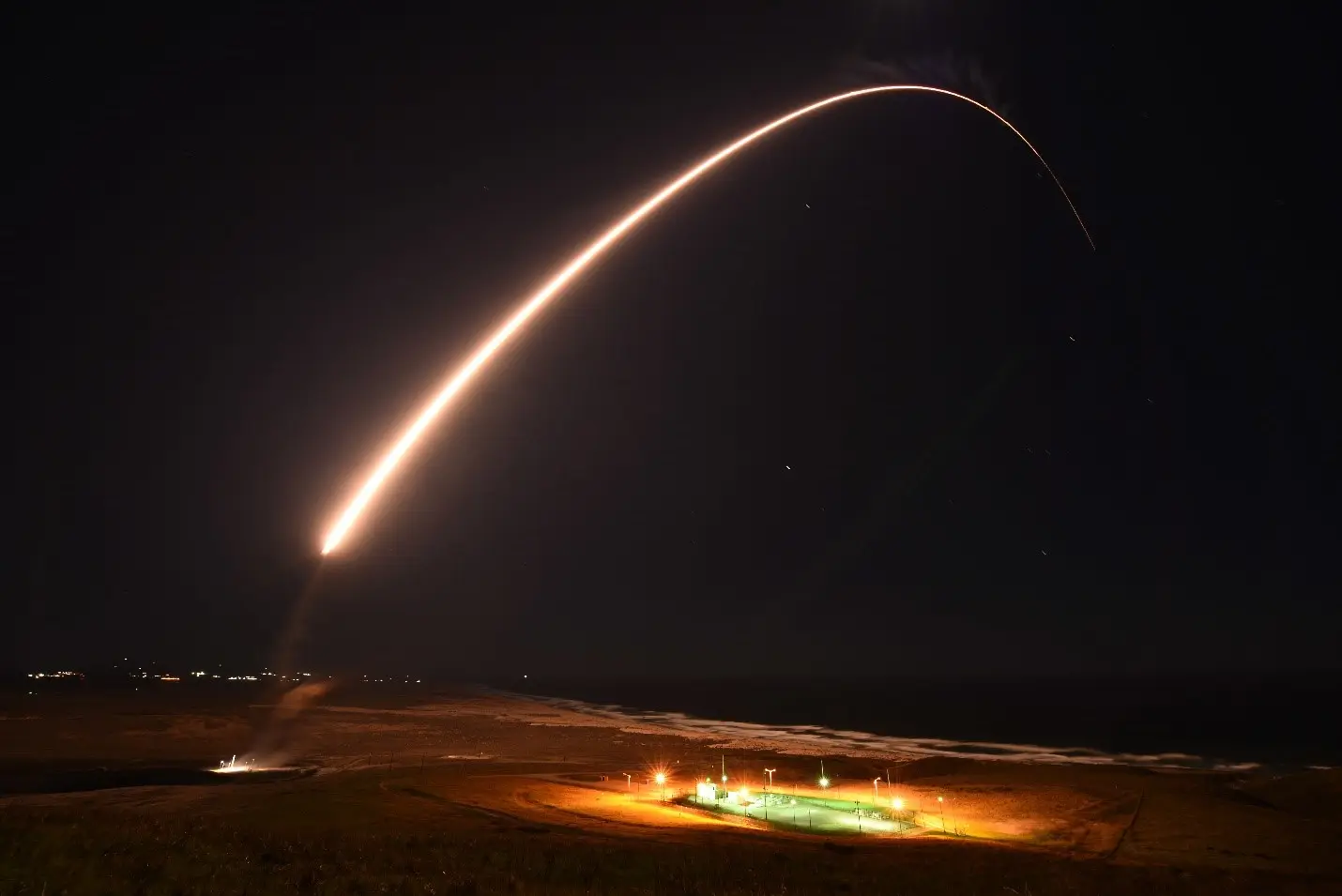
Minuteman III was designed for precision as well as reach. According to official fact sheets, it was the world's first missile to carry more than one warhead, using a "Multiple Independently-targetable Re-entry Vehicle" (MIRV) system though it is now deployed with a single warhead in line with arms control agreements.Though Minuteman III can carry three warheads, each missile has been limited to one by international treaty since 2005.
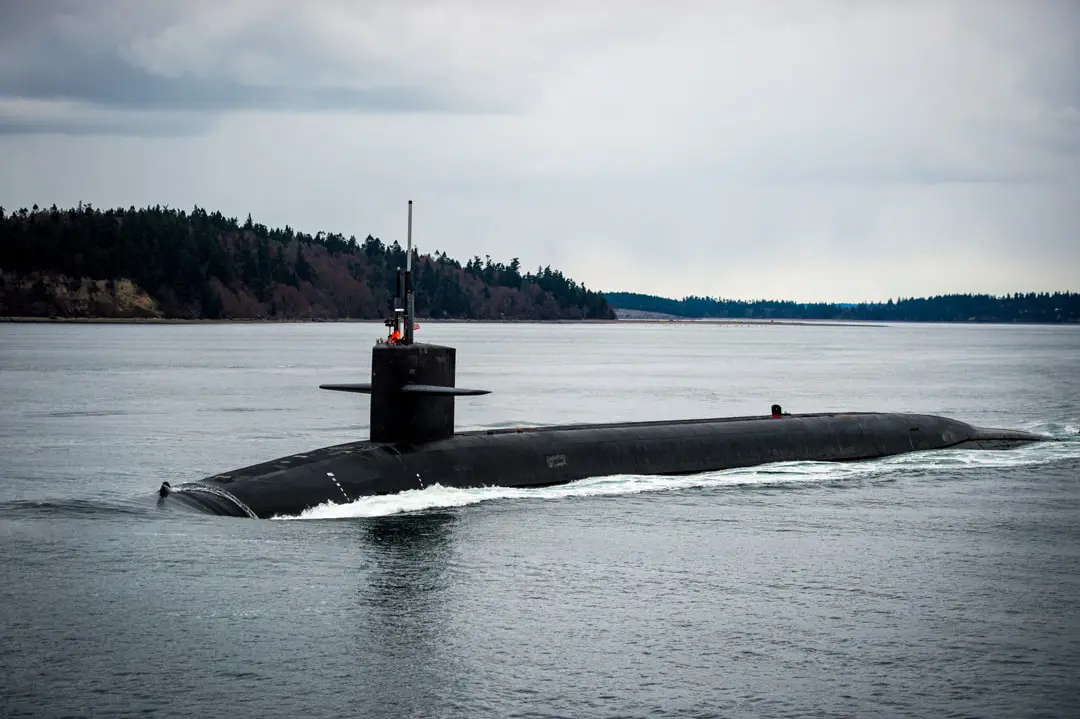
Submarine-launched ballistic missiles
Another most survivable element of the US nuclear triad is its fleet of ballistic missile submarines. Fourteen Ohio-class SSBNs make up the most survivable leg of the nuclear triad. These submarines are extremely dangerous as they operate undetected beneath the oceans, carrying submarine-launched ballistic missiles that can strike targets at intercontinental range. Their stealth ensures that even if land-based forces were compromised, the United States would retain a guaranteed second-strike capability, making them a central pillar of deterrence.
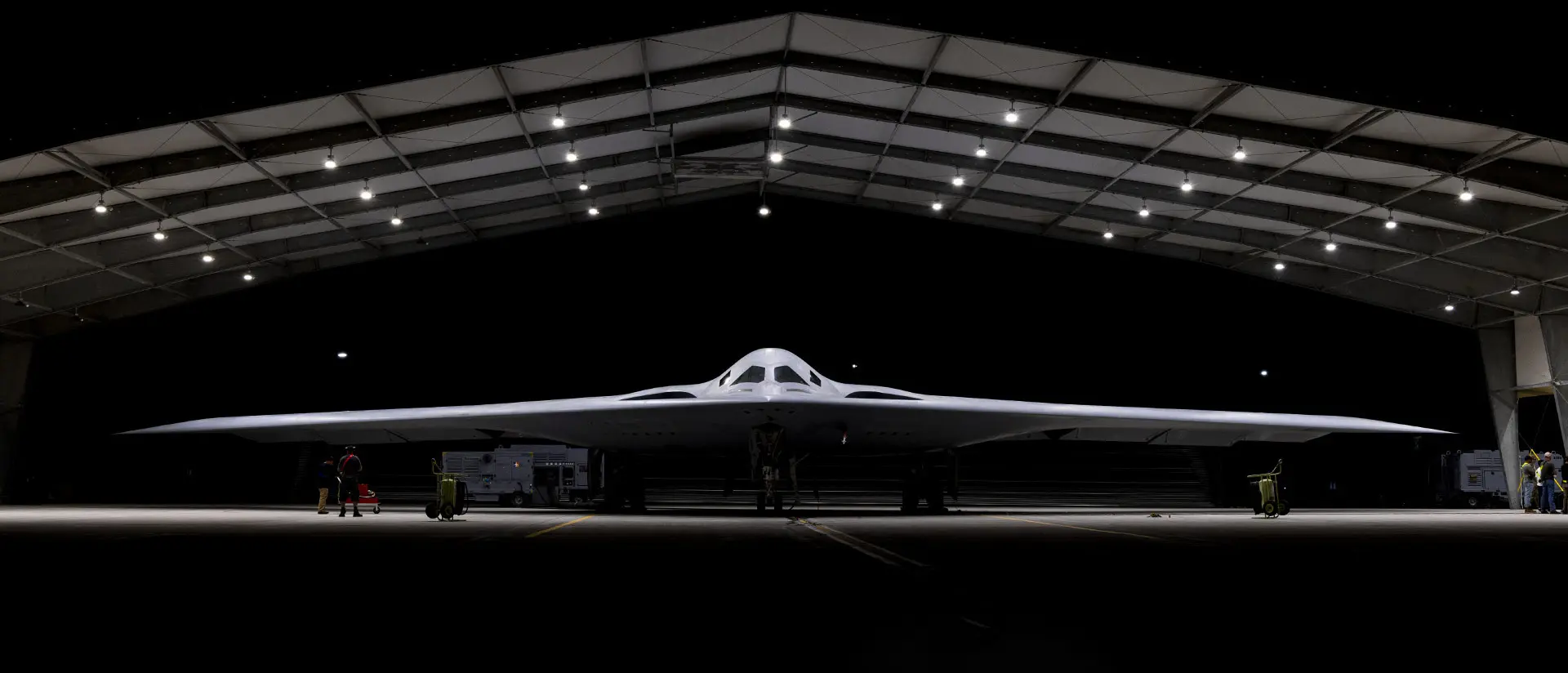
Strategic bombers and flexible deterrence
The third leg of the triad consists of long-range strategic bombers operated by the US Air Force. Bombers provide flexibility that missiles cannot: they can be visibly deployed to signal resolve, recalled after launch, or used for conventional missions. According to the US Department of War, the nuclear bomber fleet consists of 46 B-52H Stratofortress aircraft and 20 B-2A Spirit aircraft, providing the United States with unparalleled global reach.
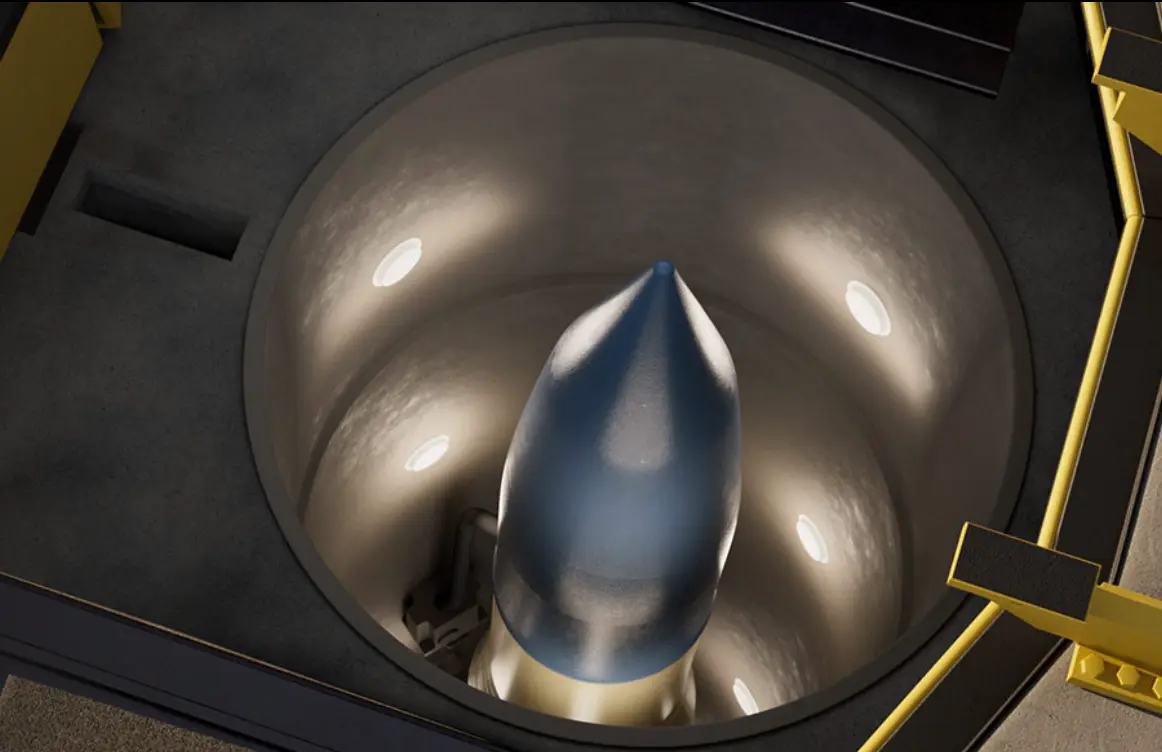
Modernisation and the Sentinel programme
While Minuteman III remains operational for now, it is expected to retire soon. Northrop Grumman's Sentinel programme is being developed to replace Minuteman III, modernising the land-based leg while maintaining continuity of deterrence.
)
)
)
)
)