UK commemorates 75th VE Day amid coronavirus pandemic

History
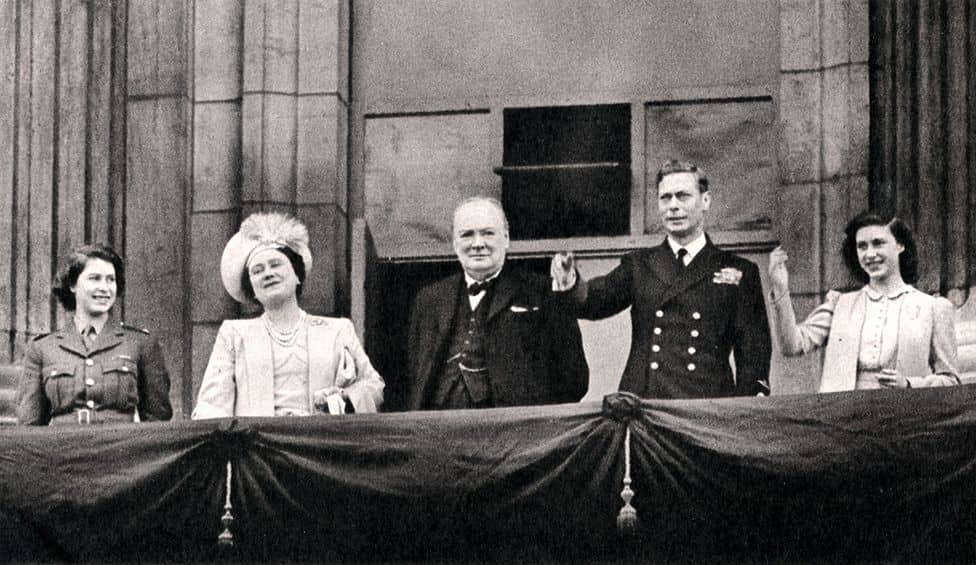
Following the surrender of Germany in World War Two, on 7 May 1945, Prime Minister Winston Churchill declared the following day a public holiday, Victory in Europe (VE) Day.

Wartime and coronavirus
Queen Elizabeth led tributes to veterans of World War Two recalling the "never give up, never despair" message of VE Day.
In a rare televised address that brought together the themes of wartime and the coronavirus, the 94-year-old monarch said those who had served during the conflict with Nazi Germany would admire how their descendants were coping with the lockdown imposed to curb the spread of the virus.

Commemorations scaled back
On a day that should have been filled with parades and street parties, the national commemorations to herald the day when Allied forces accepted Germany's unconditional surrender were scaled back after social gatherings were curbed to stop the spread of the coronavirus.

Flags and banners
Flags and banners still fluttered across Britain, and people stuck at home due to the lockdown enjoyed a day of special television and radio programmes.

Flypasts
Britain paid tribute to the war generation with flypasts, a two-minute silence, and the broadcast of wartime Prime Minister Winston Churchill’s speech to mark the anniversary of victory in Europe.

Short ceremony
In a short ceremony that had been kept secret to avert the possibility of any crowds gathering, Prince Charles wearing a kilt laid a wreath at the war memorial outside his family’s Balmoral estate in Scotland.

Period costumes
Households across Britain evoked the spirit of the 1940s, some dressing in period costume and hosting tea parties despite the coronavirus lockdown.
)
)
)
)
)