'Twice the Length of Our Galaxy’: Astronomers discover the oldest and largest black hole jet ever found

Edited By Subhadra Srivastava
Published: Jun 01, 2025, 17:29 IST | Updated: Jun 01, 2025, 17:30 IST
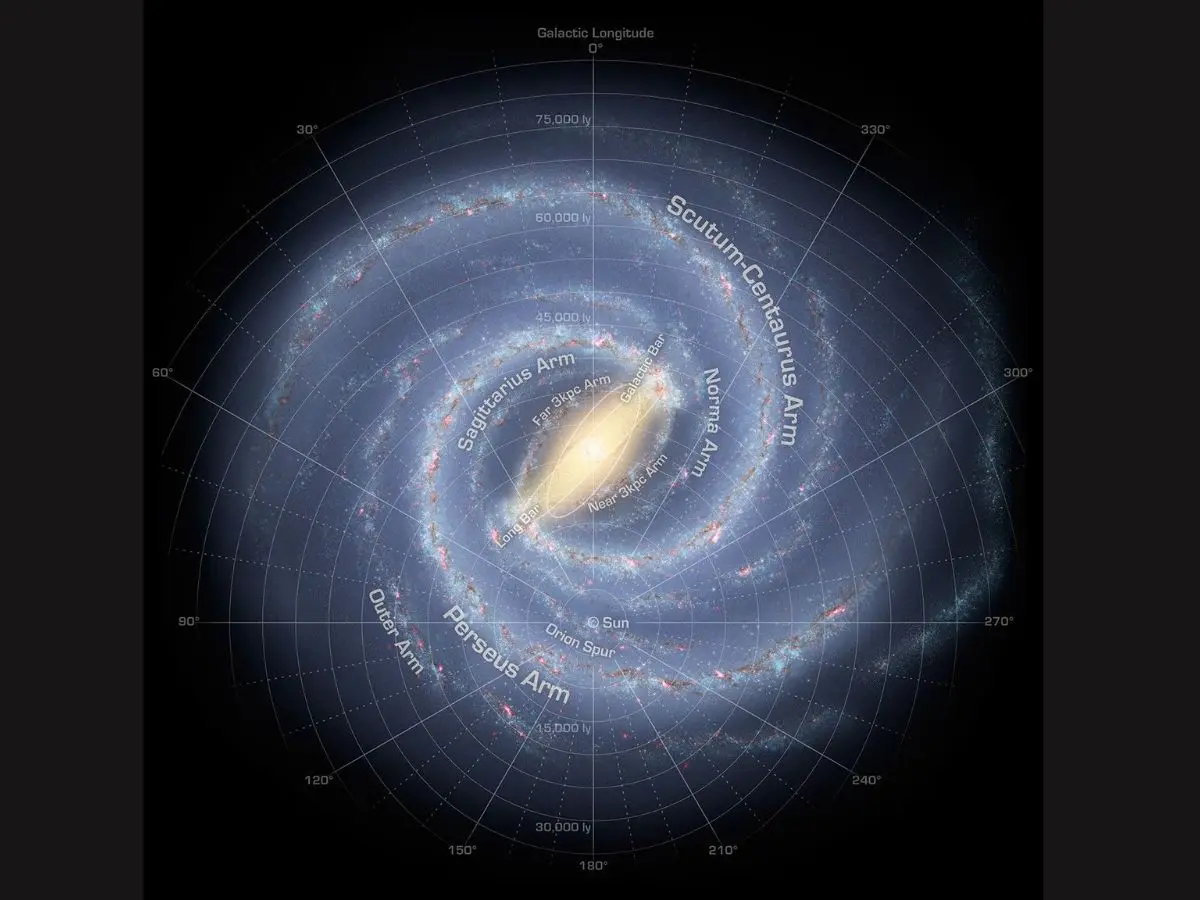
Astronomers have recently discovered an enormous jet powered by a black hole, which stretches 200,000 light-years, twice the length of our galaxy.

1 / 6
(Photograph: LOFAR)
A jet twice the size of the Milky Way
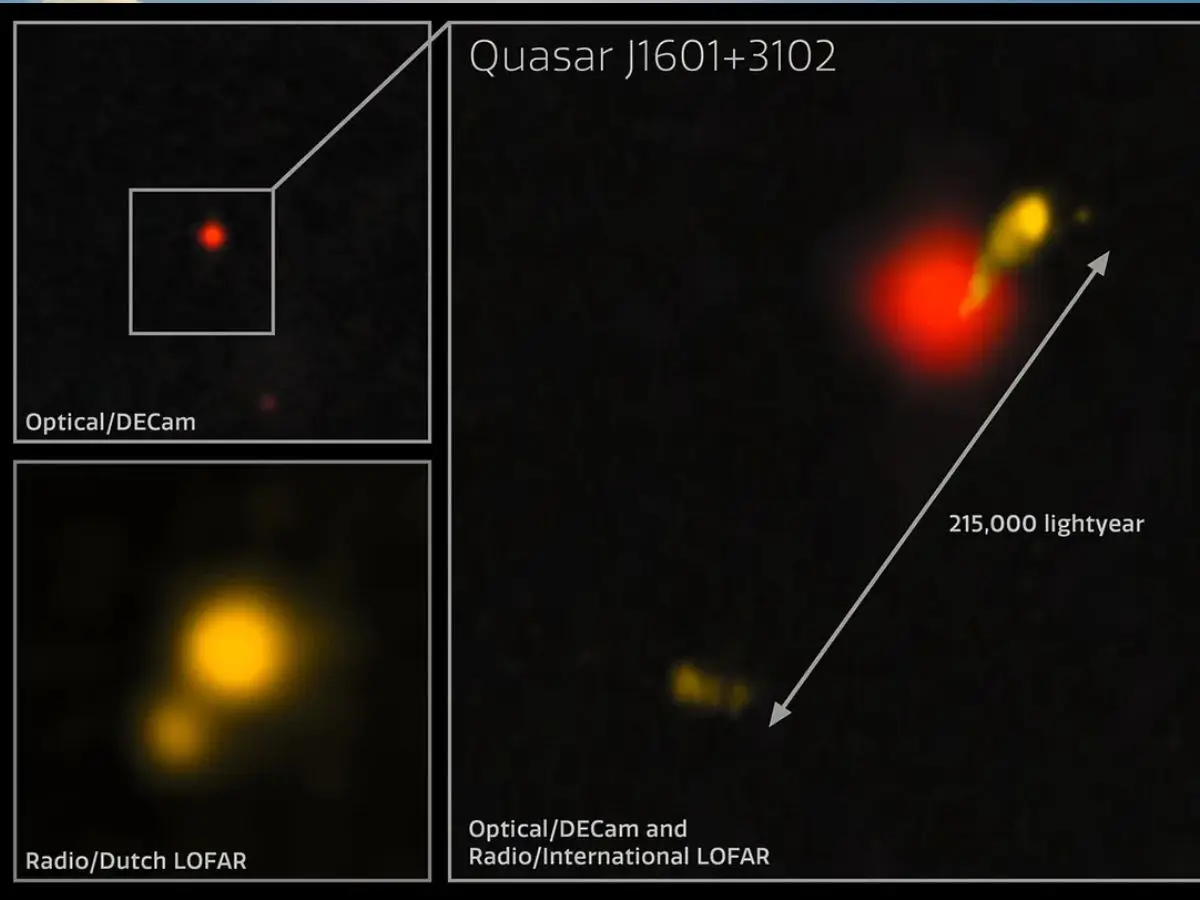
Astronomers have recently discovered an enormous jet powered by a black hole, which stretches 200,000 light-years, twice the length of our galaxy. This jet, coming from quasar J1601+3102, dates back to the time when the universe was just 1.2 billion years old, which is even less than 10 per cent of its current age.
2 / 6
(Photograph: LOFAR)
A surprisingly modest black hole
The black hole, which is believed to be behind this massive jet is only 450 million times the mass of the sun. This is modest compared to other quasars known for huge jets. This finding, hence, challenges the pre-existing belief that only the largest black holes had the capacity to produce such powerful jets in the early universe.
3 / 6
(Photograph: NASA)
How jets form around black holes
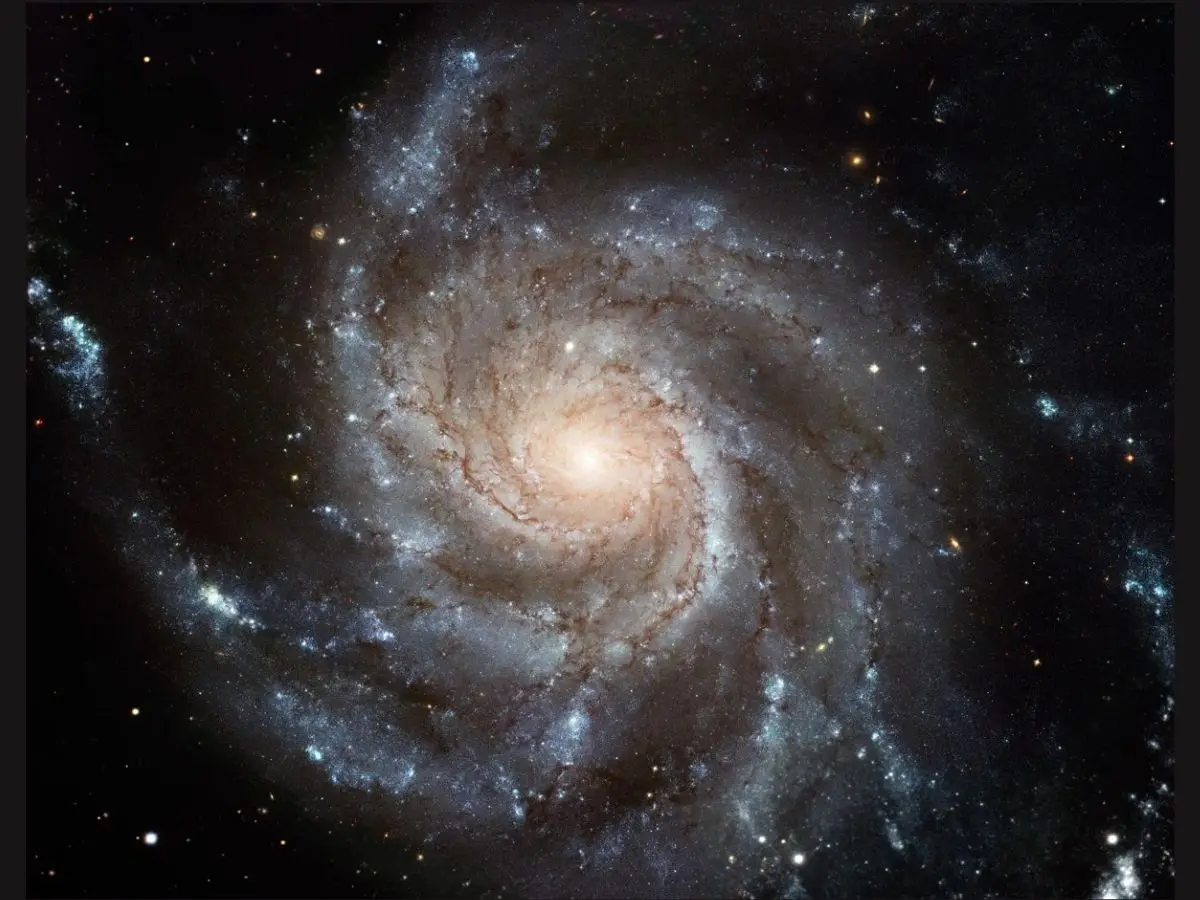
The emergence of Jets happens when a black hole starts actively feeding on gas and dust, thus forming an accretion disc. While most of its material falls in, the magnetic fields near the black hole’s poles eject some gas in narrow streams, thus shooting out at nearly the speed of light.
4 / 6
(Photograph: NASA)
Detecting the ancient jet
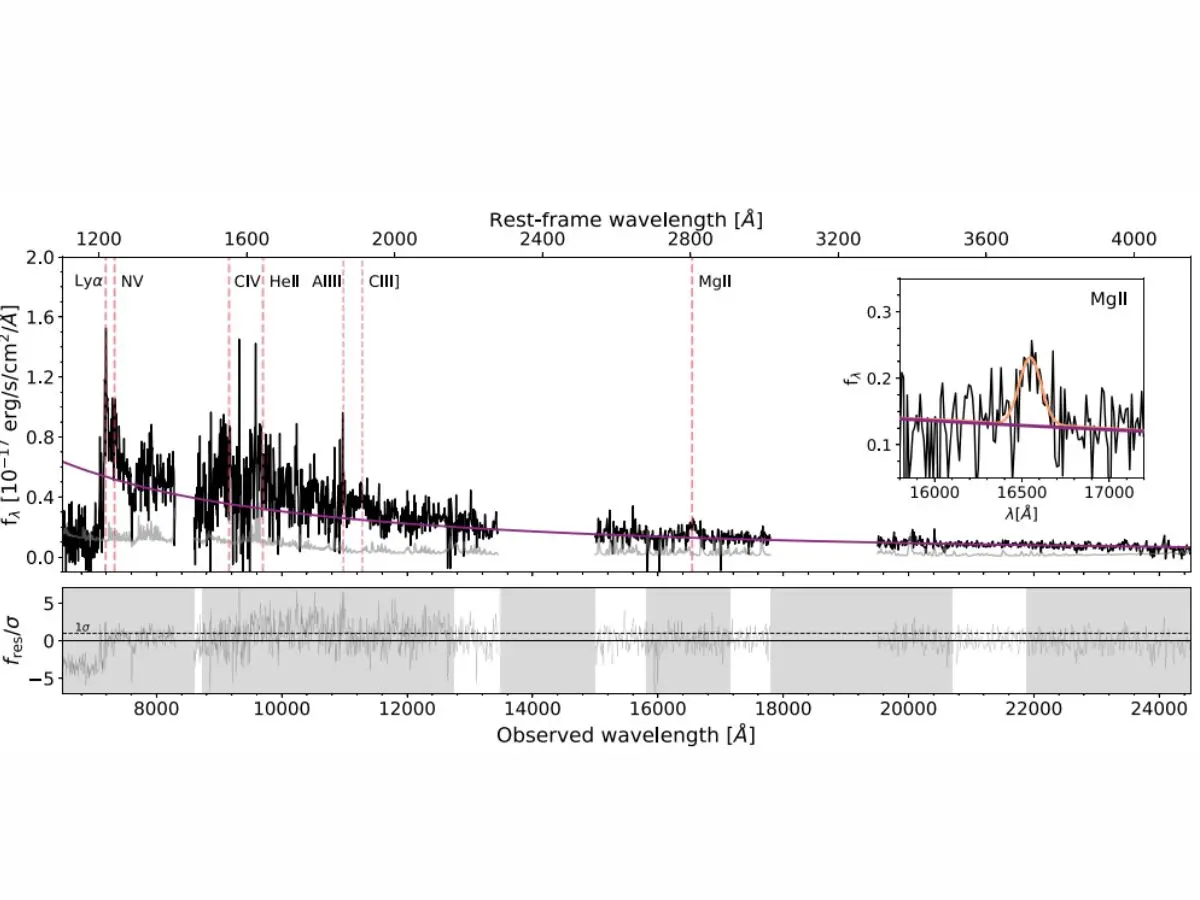
The jet was discovered very recently. It was first spotted by the Low Frequency Array (LOFAR) telescope across Europe. Later on, several studies were conducted using the Gemini Near-Infrared Spectrograph and the Hobby Eberly Telescope that confirmed its size and structure. This two-lobed jet is, by far the largest seen so early in the universe.
5 / 6
(Photograph: LOFAR, The Astrophysical Journal Letters)
Uneven lobes hint at environmental effects
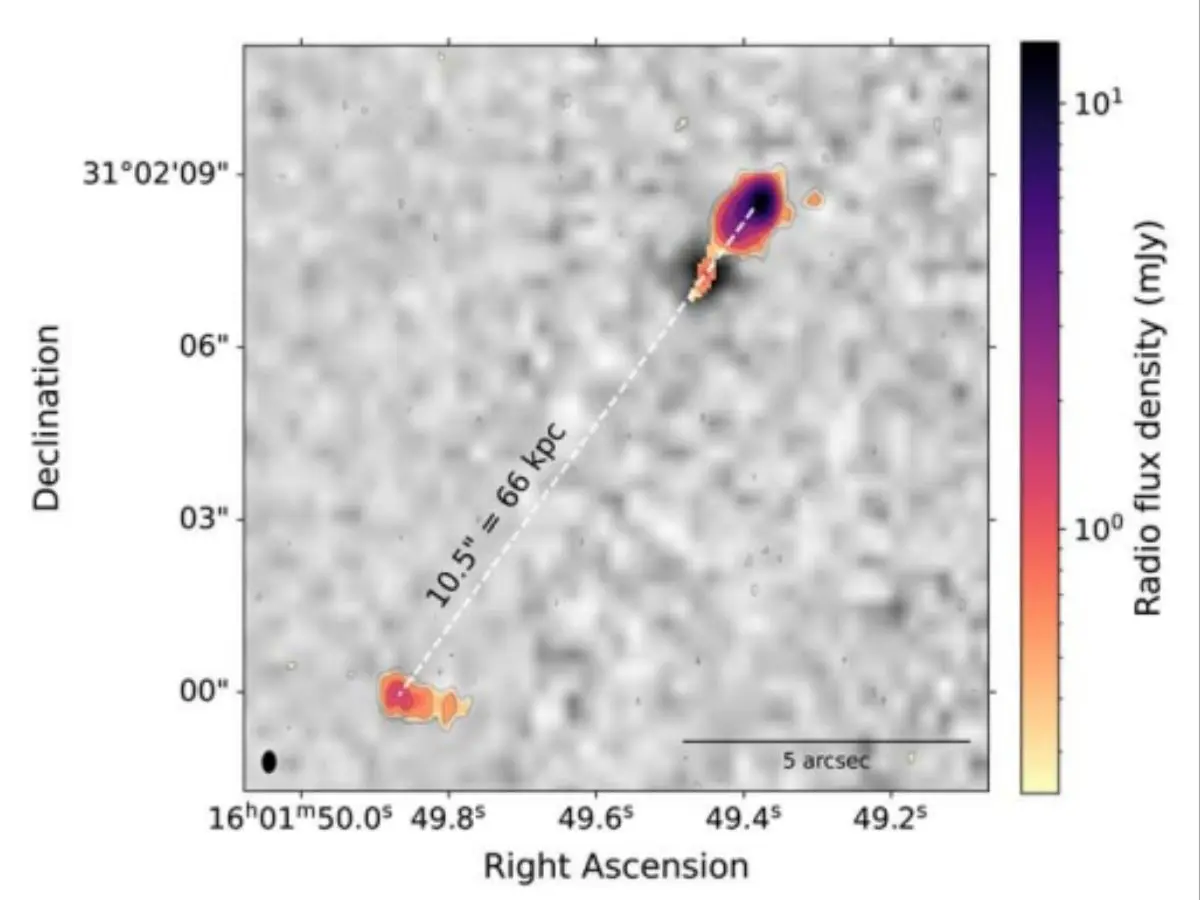
Another interesting fact about the jets is that they are asymmetrical, this means one lobe is shorter and fainter which other appears brighter and bigger. This suggests that the surrounding space influences their growth, possibly due to differences in gas density or magnetic fields in the quasar’s neighbourhood.
6 / 6
(Photograph: The Astrophysical Journal Letters)
New insights into early cosmic history
This discovery shows that such quasar jets were more common and active in the early universe than they were once thought. It further raises questions about how these jets shaped early galaxy formation, perhaps regulating star birth and galaxy growth.
)
)
)
)
)