Turkey-Syria earthquake: An olive grove splits into two, Syrians wait for aid and more pictures

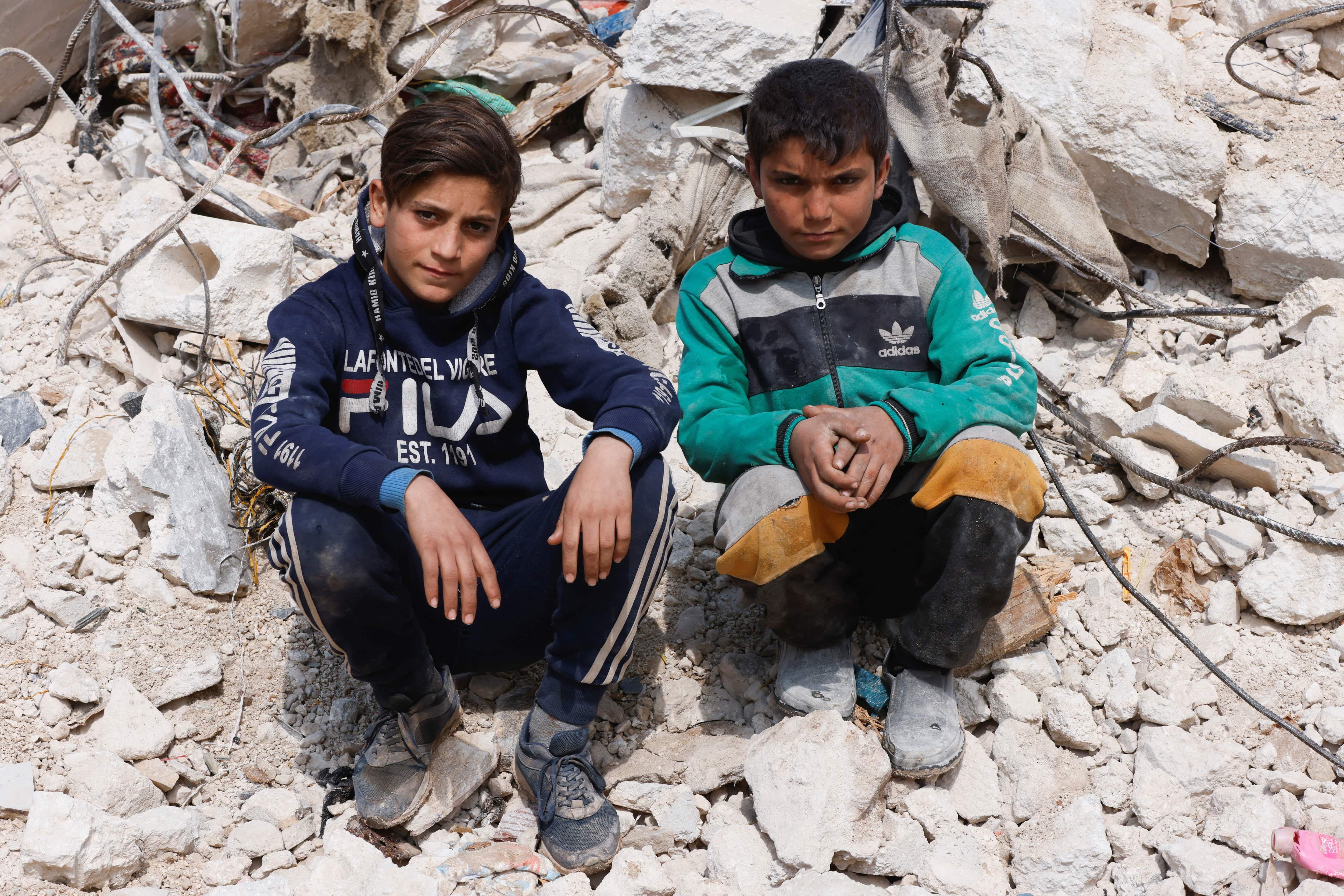
Syrians fending for themselves
The Turkey-Syria earthquake has left more than 35,000 people dead in Turkey and over 5,000 have lost their lives in Syria. The problem with the latter is that international help is hard to reach Syria, thanks to the complex politics of humanitarian assistance in Syria's opposition-held northwest.
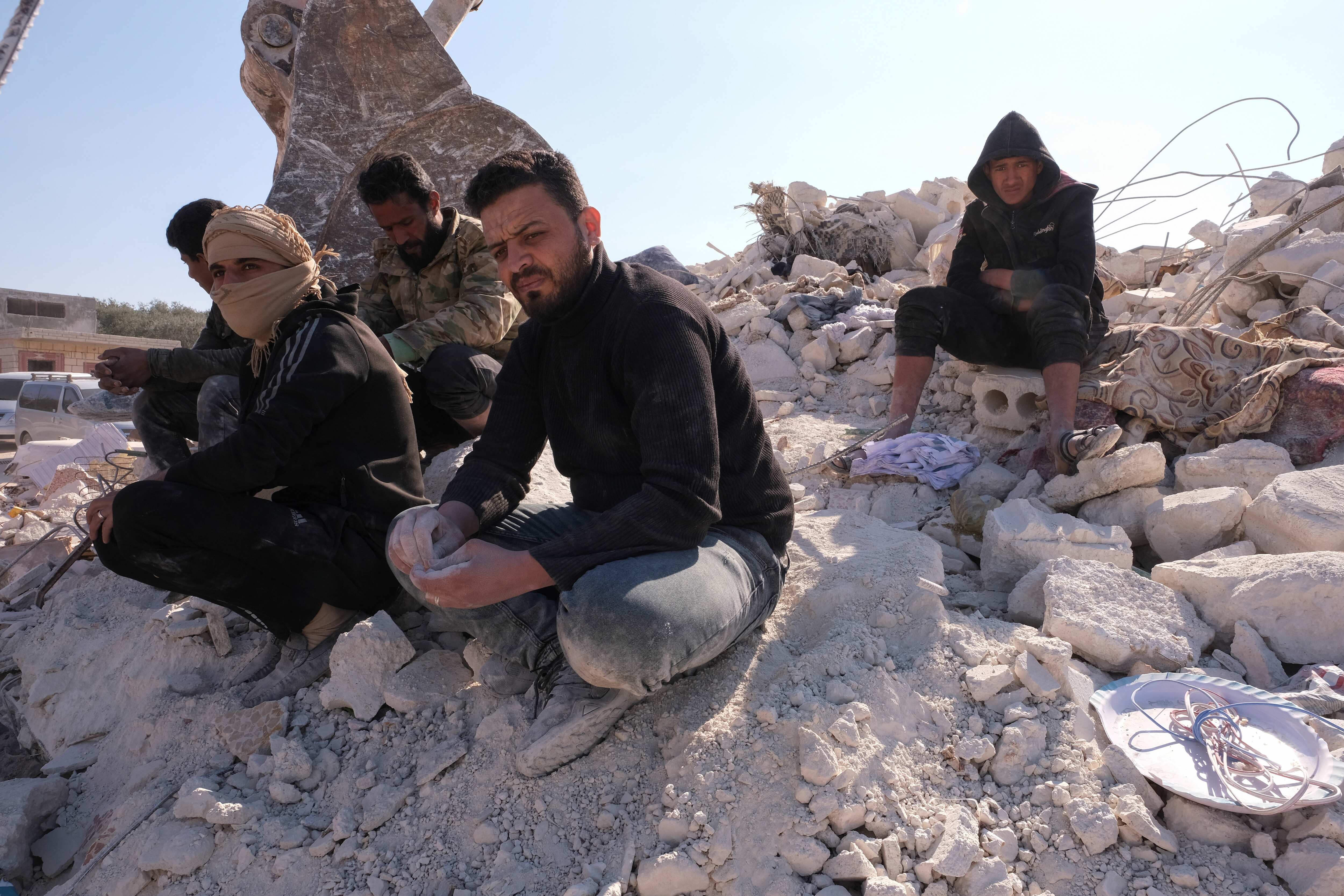
Idlib and Aleppo report most casualties
Parts of the provinces of Idlib and adjacent Aleppo held by Turkey-backed rebels suffered most of the quake's casualties in Syria. Over 4,000 of the entire Syrian death count of more than 5,800 has been recorded in this region, according to the United Nations and government authorities.
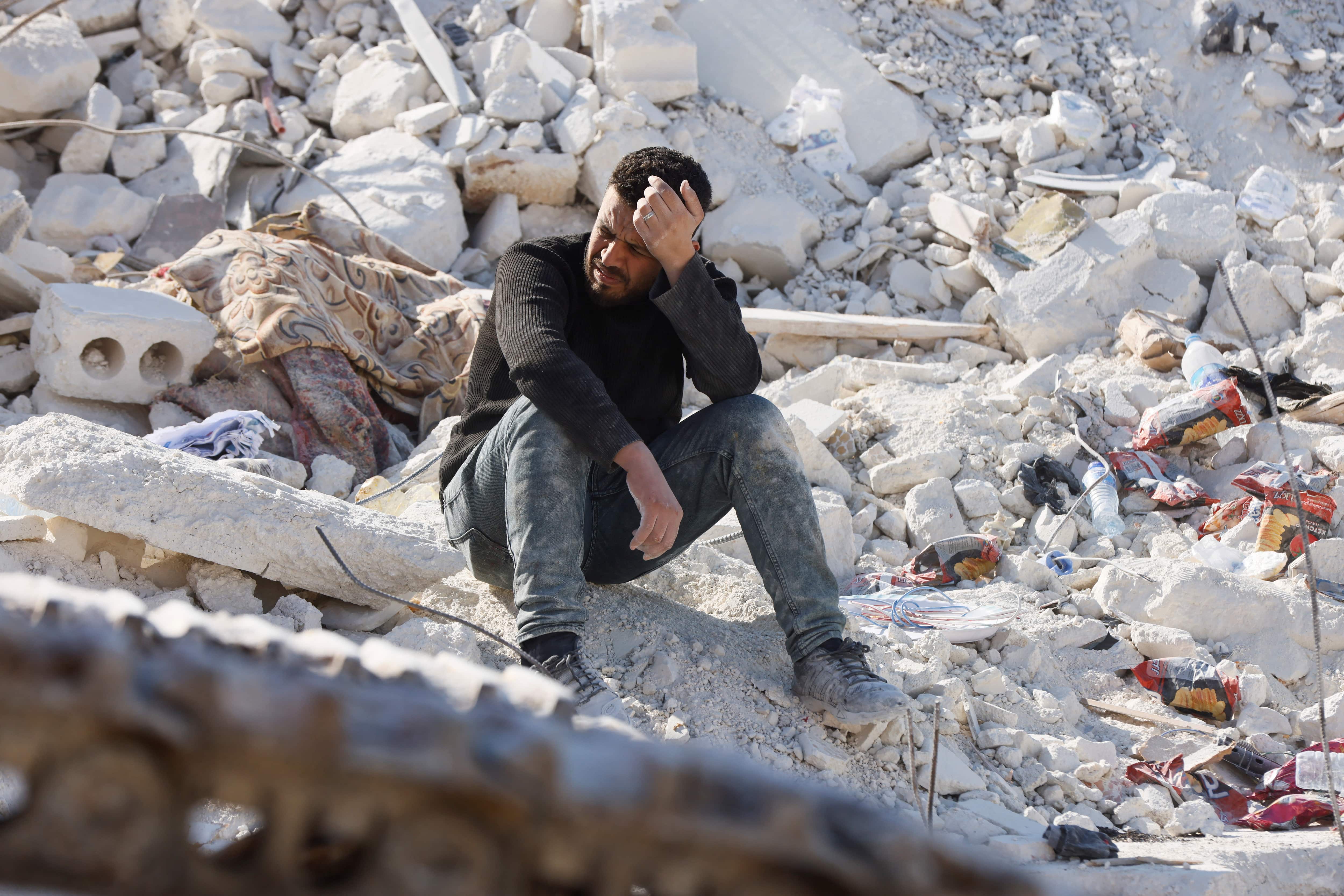
Second border crossing for aid delivery opens
On Tuesday, more than a week after the quake, a second border crossing for aid delivery was opened following President Bashar al-Assad's orders. This decision marked a shift for Damascus which has long opposed cross-border aid deliveries to the rebel enclave.
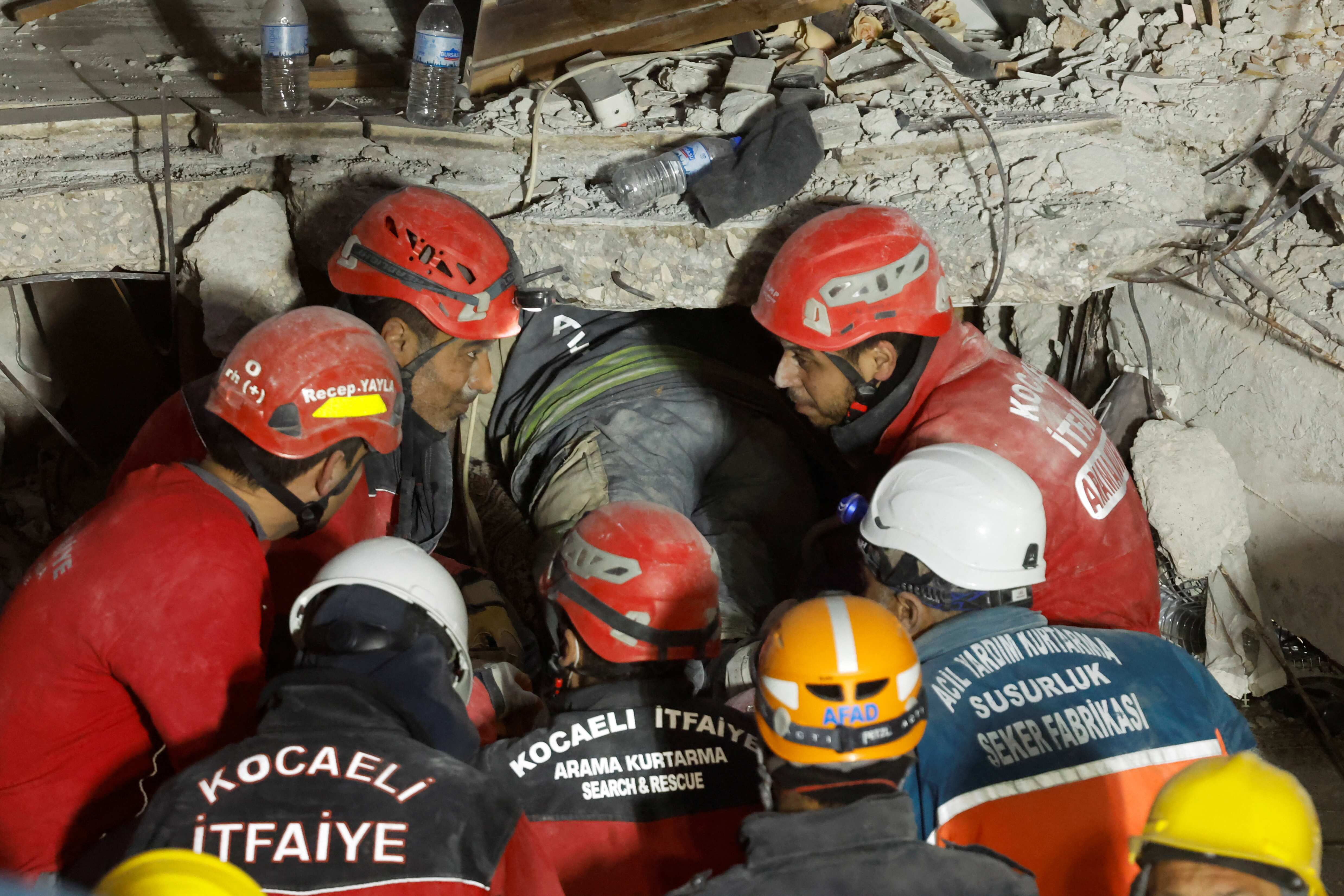
Nine more people rescued in Turkey
Meanwhile, in Turkey, on Tuesday, nine more people were rescued from the rubble. Those rescued from the rubble of the 7.8-magnitude Turkey earthquake on Tuesday included two brothers, aged 17 and 21. They were pulled from an apartment block in Kahramanmaras province.
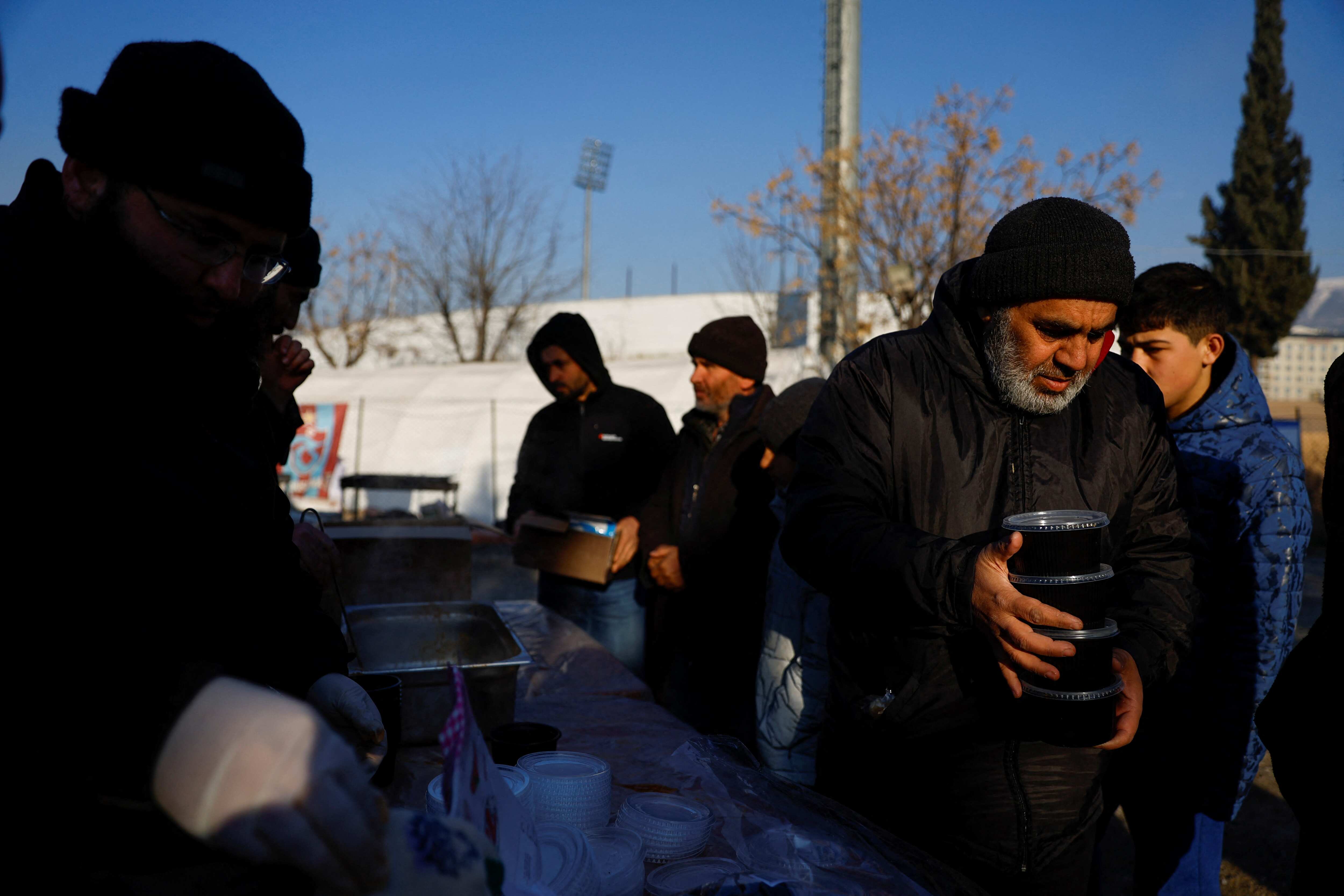
Survivors experiencing post-traumatic stress disorder
At a Turkish field hospital, people are now no longer arriving with only physical injuries. The earthquake has left people mentally stressed and they are suffering from "post-traumatic stress disorder, following all the shock that they've gone through during the earthquake", Indian Army Major Beena Tiwari said.
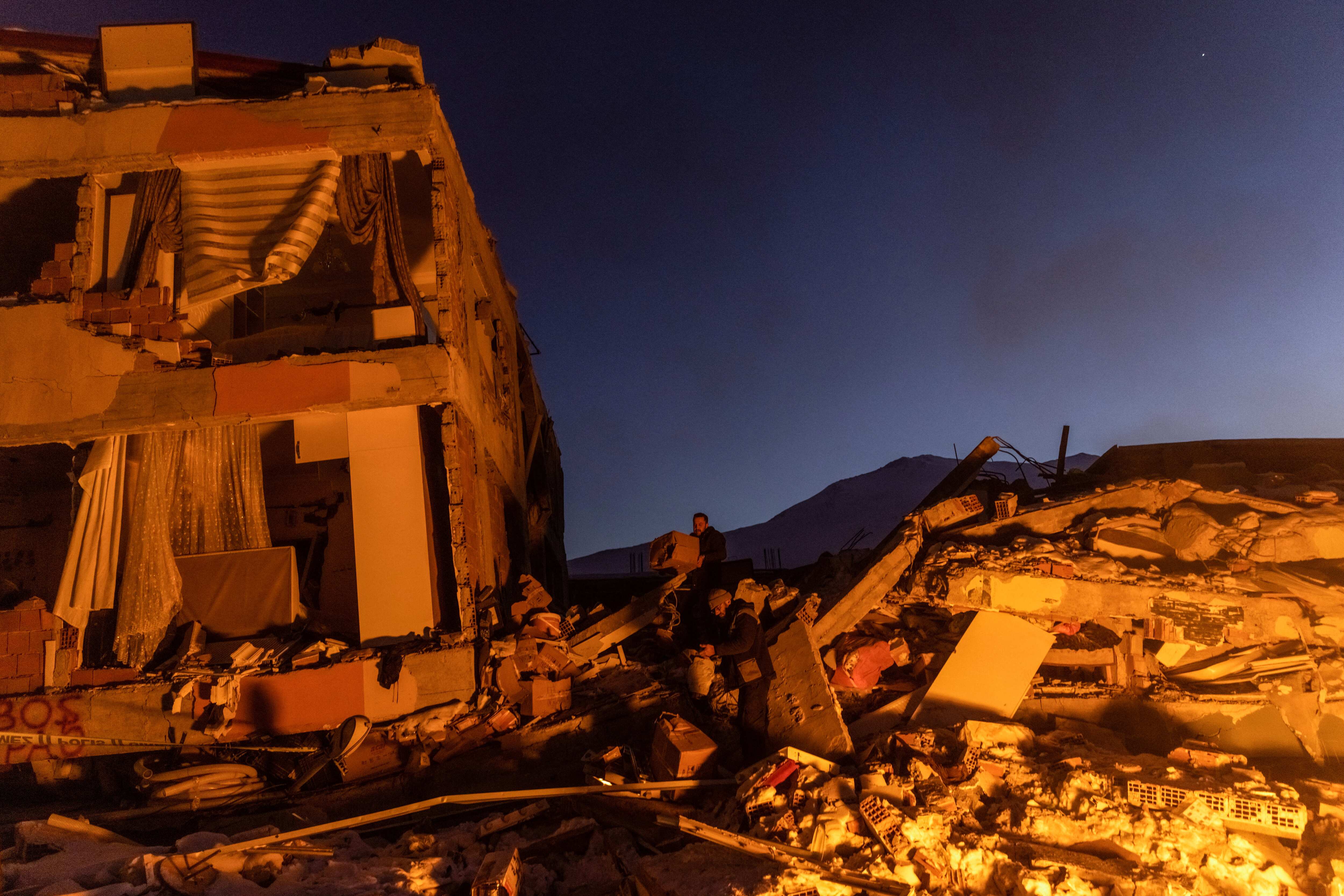
Why did the Turkey earthquake happen?
The Arabian Peninsula is part of a tectonic plate that has been slowly moving north into the Eurasian Plate. This is causing the entire nation of Turkey to get squeezed aside. More details here...
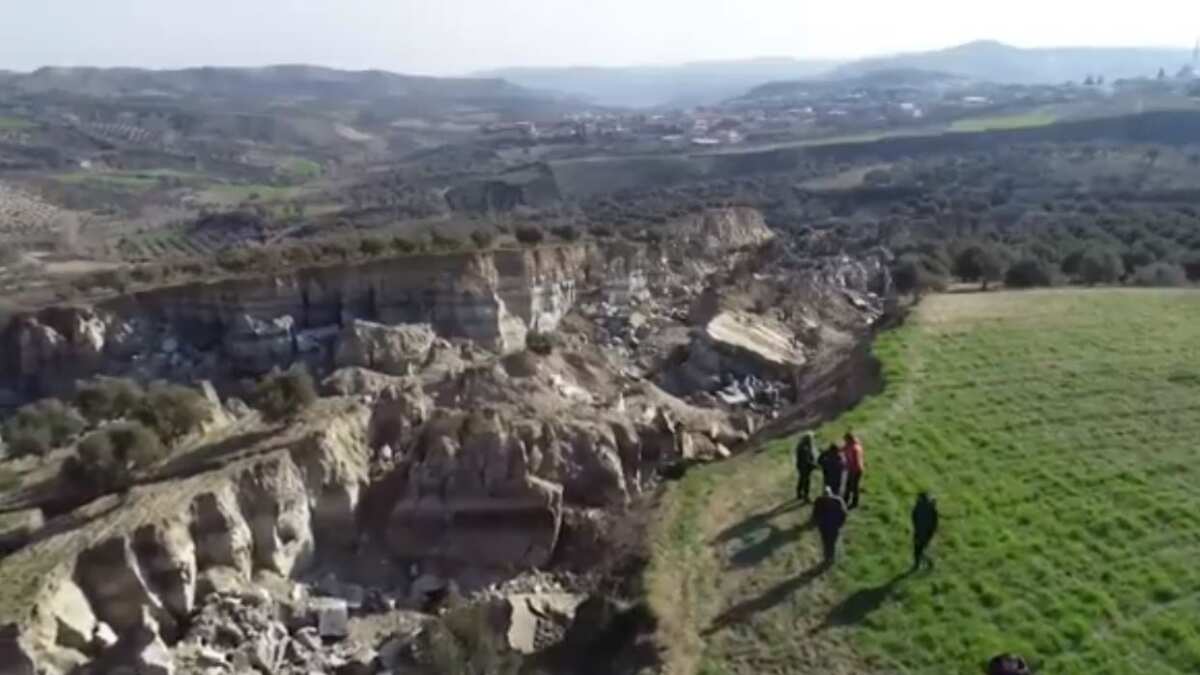
An olive garden splits into two parts
The quake has caused an olive garden in Turkey to break off into two, creating a 984-feet valley. The olive grove is situated in Turkey’s south-east Altınozu district, which borders Syria. The Turkey olive garden quake images show a jagged, sandy-coloured, canyon-like chasm. The divide is over a whopping 130 feet deep (40 metres). Read in detail here...
)
)
)
)
)