With friends like these... US betrayals of India, misunderstandings and differences: 6 times the relationship soured

The US-India relationship has grown stronger in recent decades, particularly in defence and counterterrorism, but there have been many instances that highlight persistent challenges in the bilateral ties, the latest being the tariff threats by President Donald Trump.
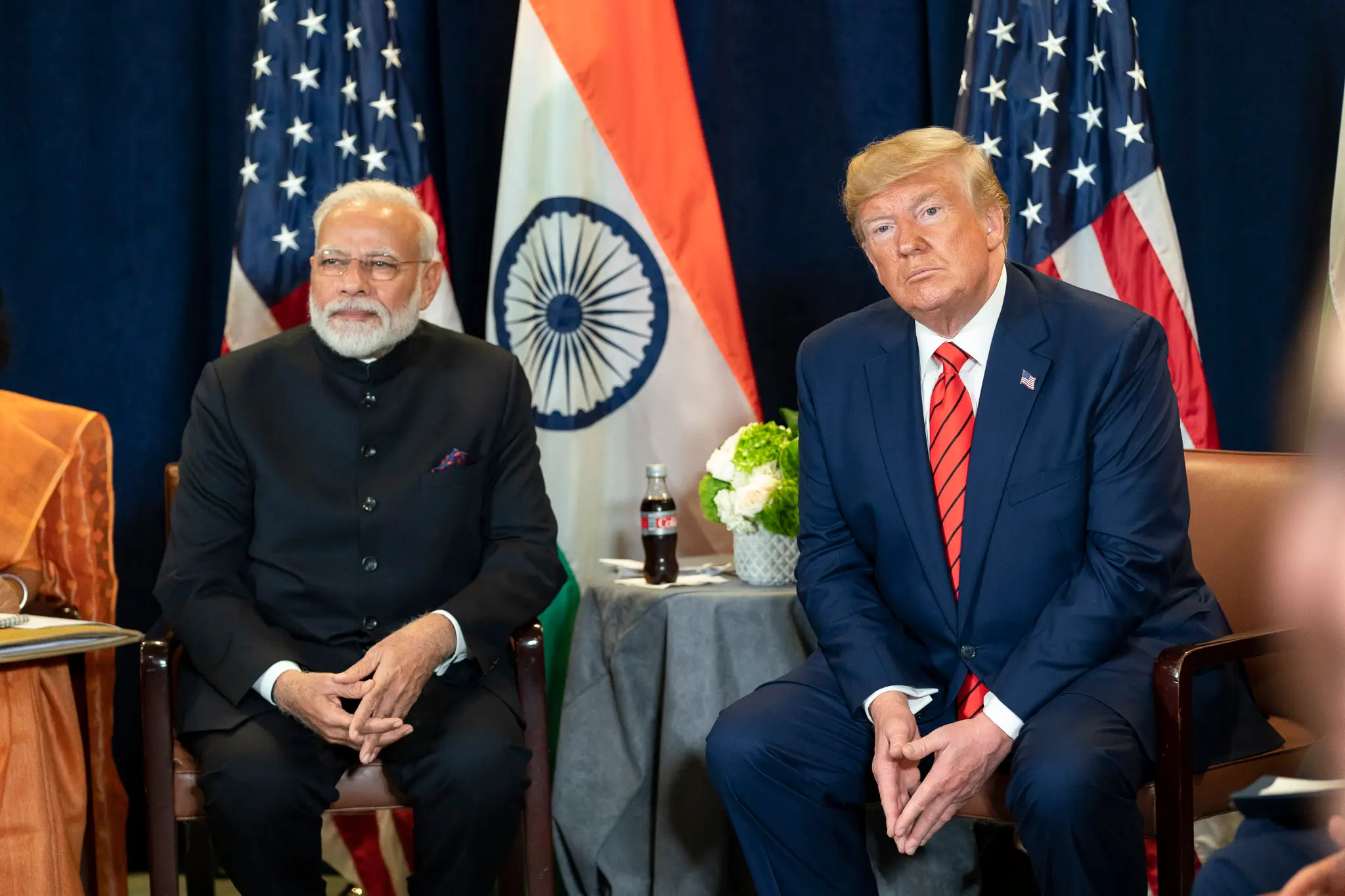
Modi vs Trump on trade and tariffs is not the first US-India tussle
The US-India relationship grew stronger in recent decades, particularly in defence and counterterrorism, but there have been many instances that highlight persistent challenges in the bilateral ties, the latest being the tariff threats by President Donald Trump. India-US relations did not start on a strong footing after India got independence in 1947. America’s Cold War policies at the time, which India did not pay heed to, and the 1971 USS Enterprise deployment, are seen as betrayals in India, mainly due to their alignment with Pakistan. These differences arise from geopolitical misalignments, differing priorities and national interests of the two countries, and cultural misunderstandings. Here are some of the most glaring instances of betrayals, misunderstandings, and diplomatic tensions in US-India ties.
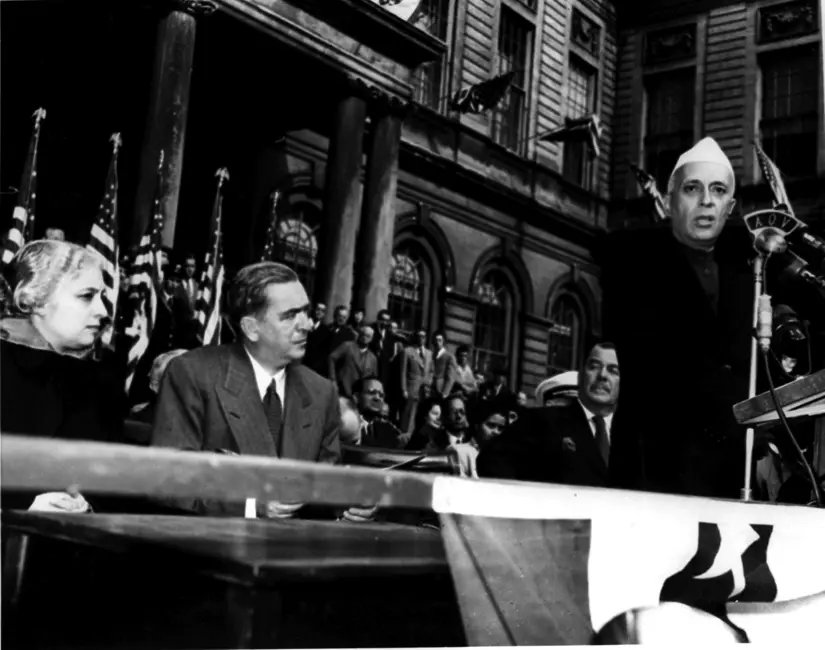
When Indian PM Nehru’s 1949 US visit didn't go well
Indian Prime Minister Jawaharlal Nehru’s 1949 visit to the US suffered from a difference of expectations from the two sides. While Nehru was hugely popular among the common folk in the US, the US government saw India as uncooperative amid Cold War dynamics. India viewed the US as dismissive of its sovereignty, with Nehru rejecting the US suggestions for third-party mediation in the Kashmir issue with Pakistan. The US pressed the newly independent India to align with the West against Soviet Union-led communism, while Nehru chose to be non-alighed. US Ambassador Henry F Grady urged Nehru to “get on the democratic side immediately.” The visit ended up being described as an “undiplomatic disaster”. It can be argued that the Nehru trip set the stage for years of mutual misunderstanding.
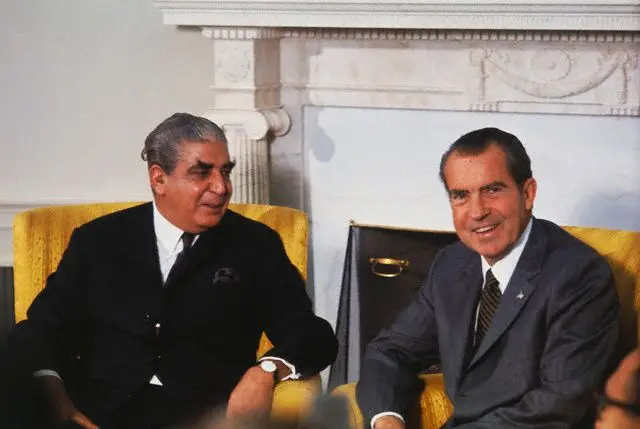
When US supported Pakistan during the Cold War in 1950s to 70s
During the Cold War, the US prioritised its alliance with Pakistan and gave it military and economic aid. The 1954 Mutual Defence Assistance Agreement guided this military aid. The US viewed India’s nonaligned movement and neutrality under PM Jawaharlal Nehru with suspicion, as a refusal to align with the West . India felt that the US, a fellow democracy, was siding with its regional rival, Pakistan. This mistrust continued for decades. India felt isolated by the US, whose military aid was used by Pakistan against India in the 1965 and 1971 wars.
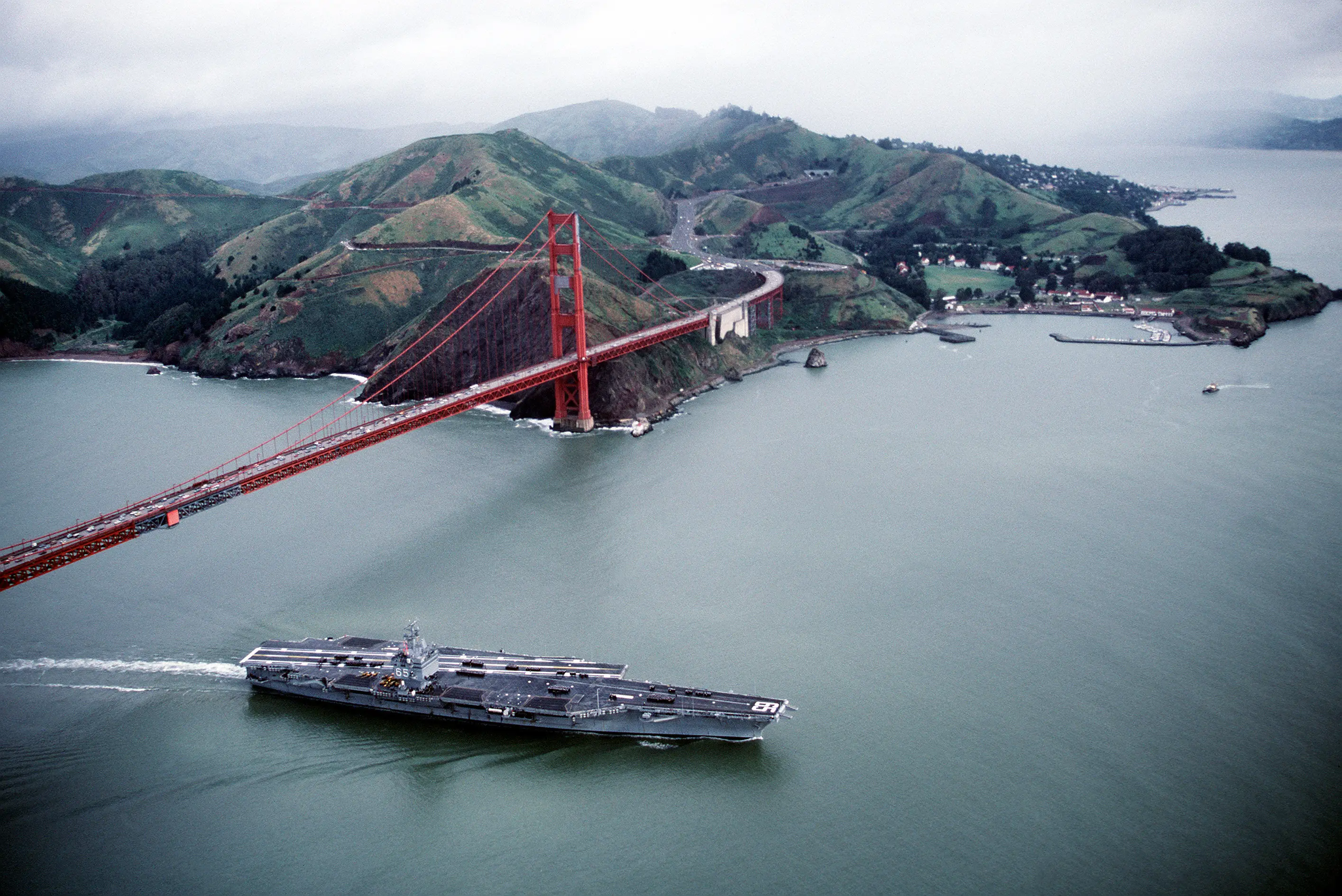
When US deployed nuclear-armed aircraft carrier USS Enterprise during the 1971 Bangladesh Liberation War
In December 1971, during the India-Pakistan War that led to the creation of Bangladesh, the US sent the nuclear-armed aircraft carrier, USS Enterprise, to the Bay of Bengal. India saw this as a direct threat, an attempt to intimidate it in support of Pakistan, a US ally. It was a betrayal, given that India had humanitarian and strategic rationale for intervening in East Pakistan amid a refugee crisis. This was the singular incident that deepened India’s distrust of US, reinforcing its view of American bias toward Pakistan.
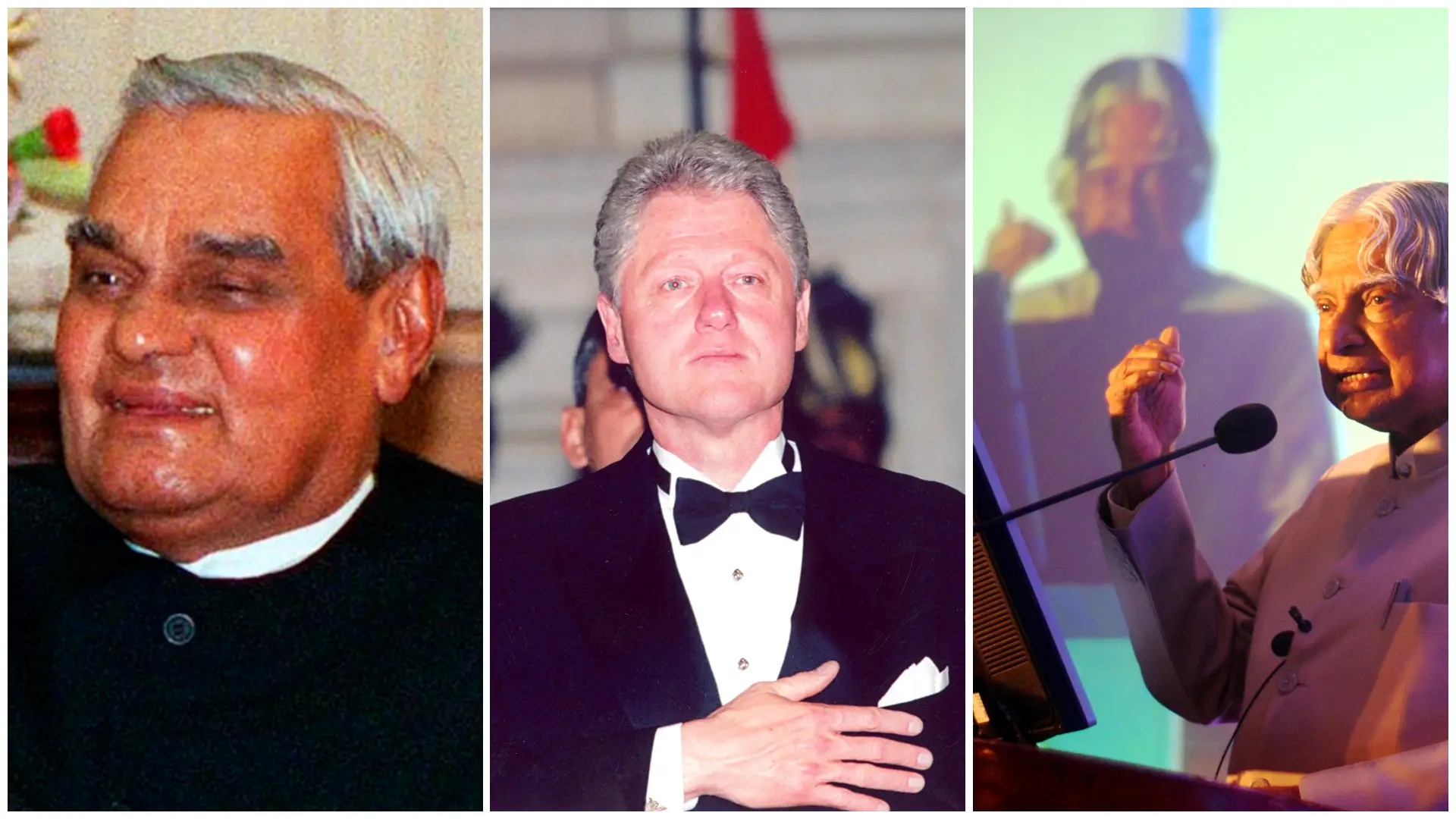
When the US sanctioned India after Pokhran II nuclear tests in 1998
After India conducted the Pokhran II nuclear tests in 1998, the US imposed sanctions. These included restrictions on technology transfers and economic aid. The US saw India’s nuclear ambitions as a challenge to non-proliferation. India viewed the sanctions as hypocritical, given the growing American nuclear arsenal and its tolerance of Pakistan’s nuclear programme. Though lifted later, the sanctions strained bilateral ties.
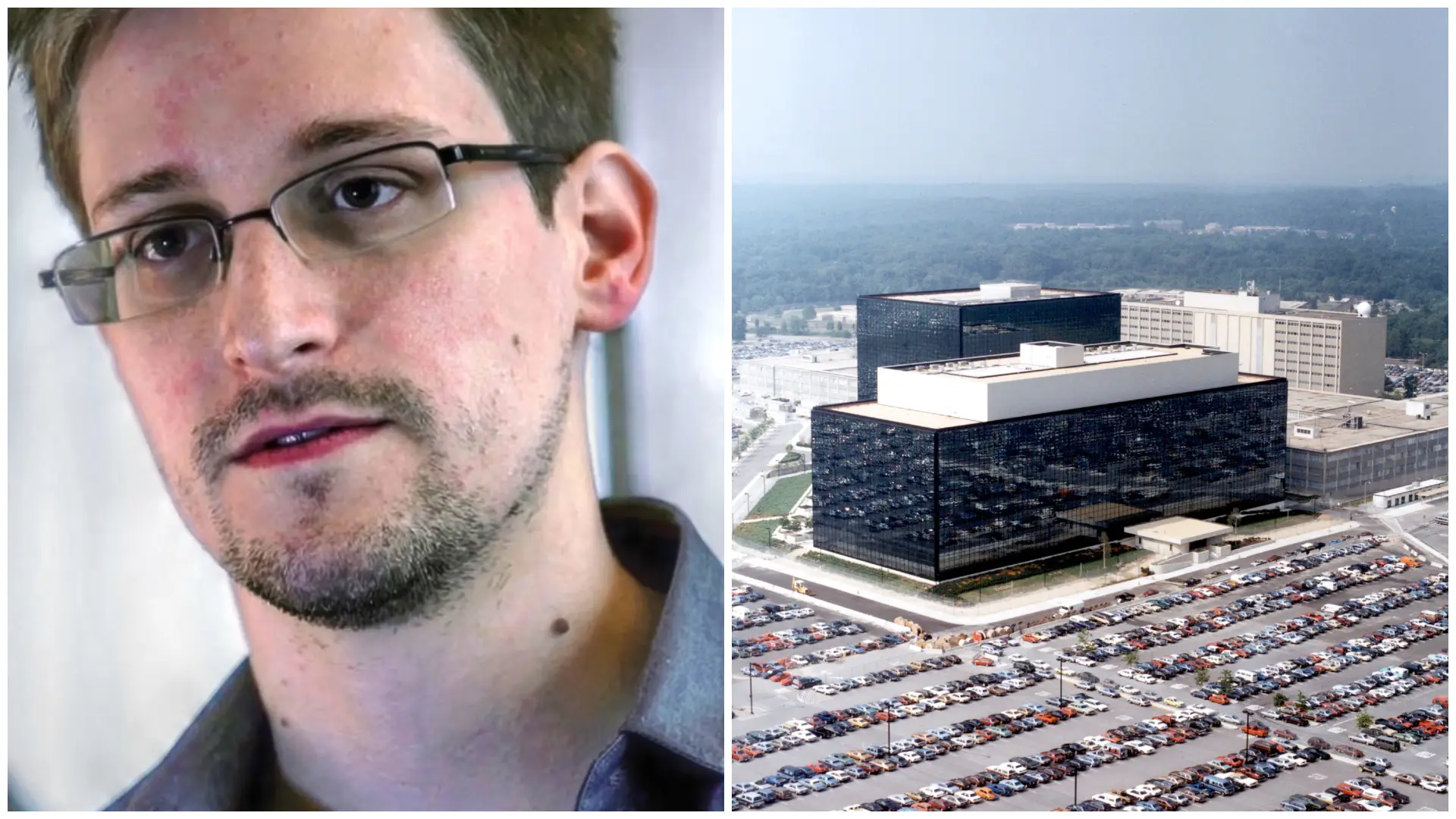
When it was revealed that the US surveilled India’s nuclear and space programmes
In 2013, whistleblower Edward Snowden leaked documents revealing that the US National Security Agency (NSA) had placed India’s nuclear and space programmes under surveillance. This was a betrayal of trust at a time when the two countries were deepening their strategic and defence partnership. Concerns were raised at the time in India about the reliability of the US as a partner, highlighting tensions over sovereignty and trust.
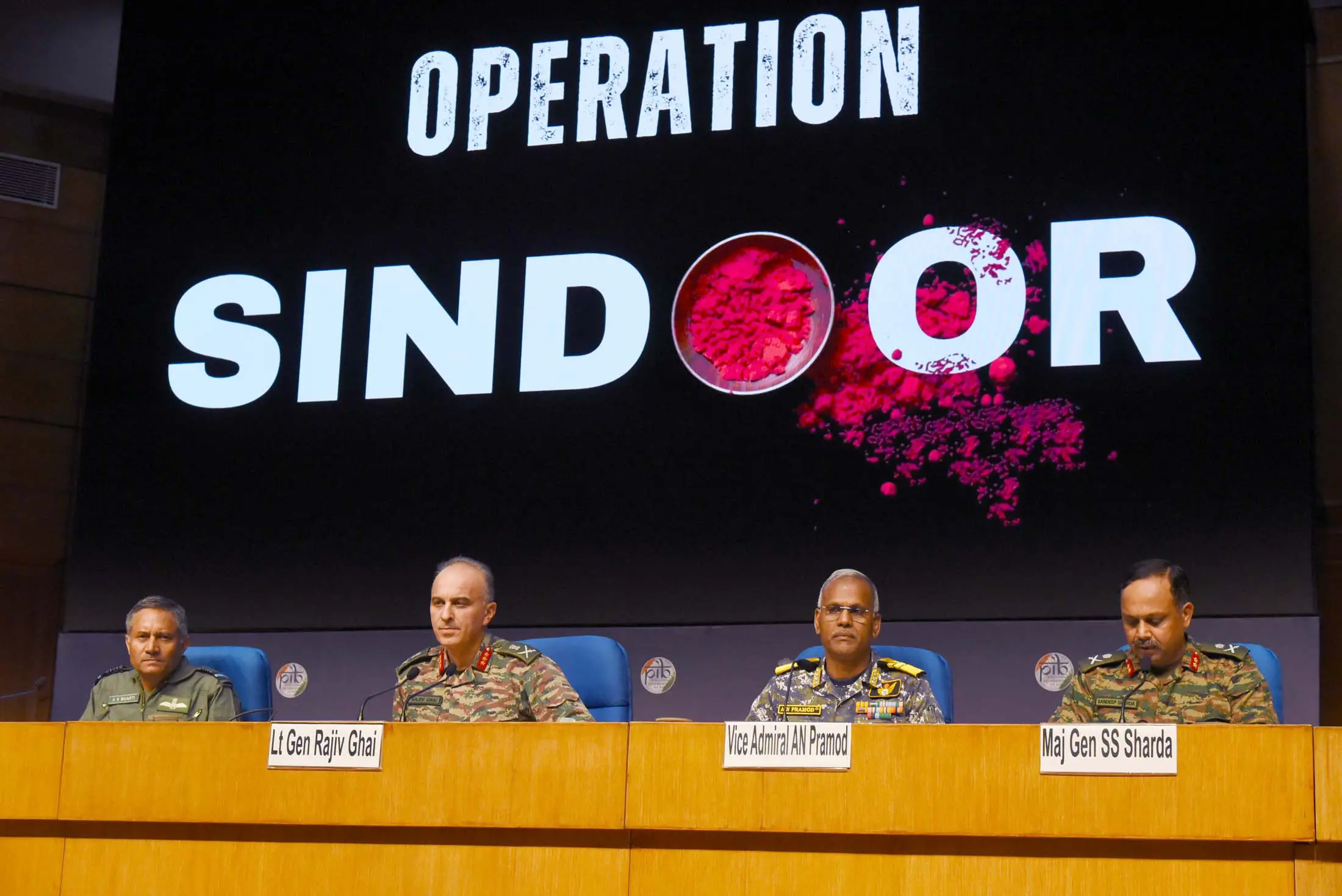
When Trump repeatedly claimed credit for ‘mediating’ India-Pakistan ceasefire
Other than the tariff row, the biggest recent cause of misunderstanding and tensions is President Donald Trump's repeated claims that the US had brokered a ceasefire between India and Pakistan after India's Operation Sindoor to avenge the Pahalgam terror attack. India strongly rejected the claim, asserting the truce was agreed bilaterally. India sees Trump’s claims as an attempt to take credit and to link trade talks with Kashmir diplomacy. Trump's claims sparked public outrage in India.
)
)
)
)
)