'Trillion-Dollar Moon': Why superpowers are suddenly racing to claim lunar territory in 2026

A new space race has ignited as global superpowers and private companies scramble to claim lunar territory and mine trillion-dollar resources on the Moon.
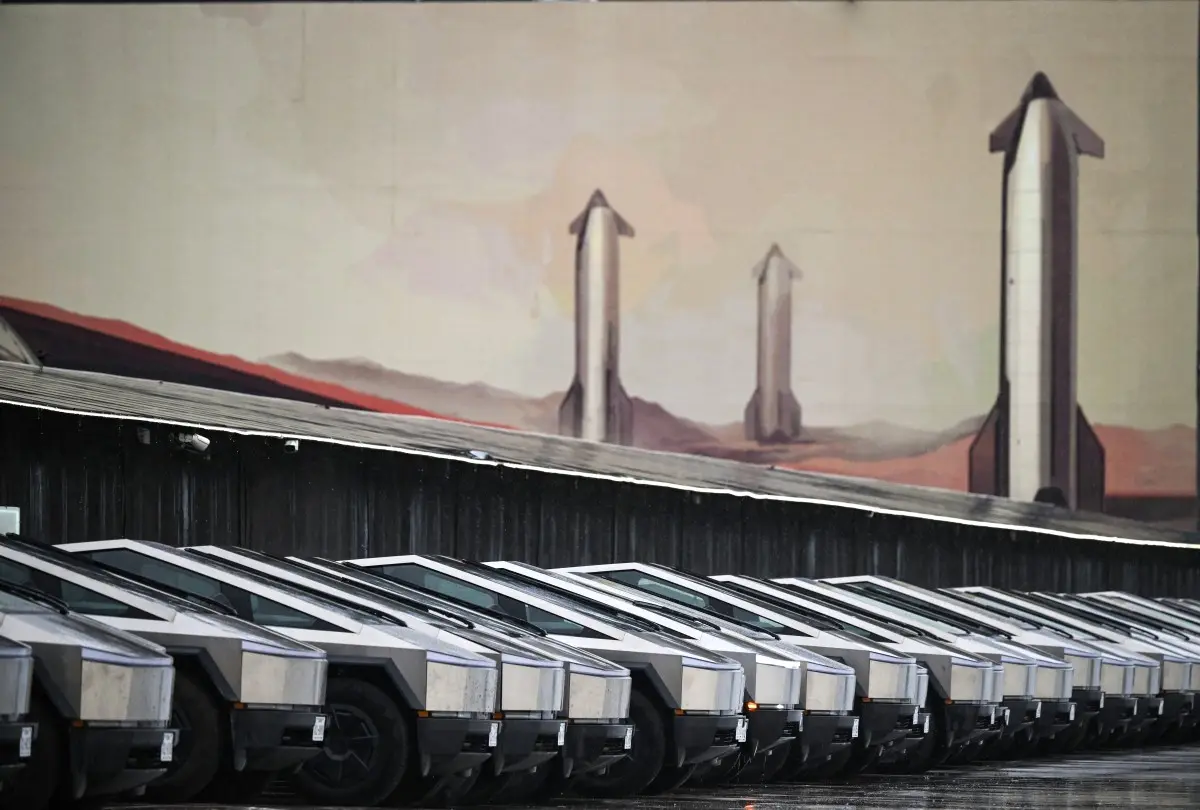
The Trillion-Dollar Moon
The Moon is no longer just a scientific curiosity; it's a multi-trillion-dollar economic frontier. Superpowers have realized that whoever controls lunar resources will dominate the space economy of the 21st century.
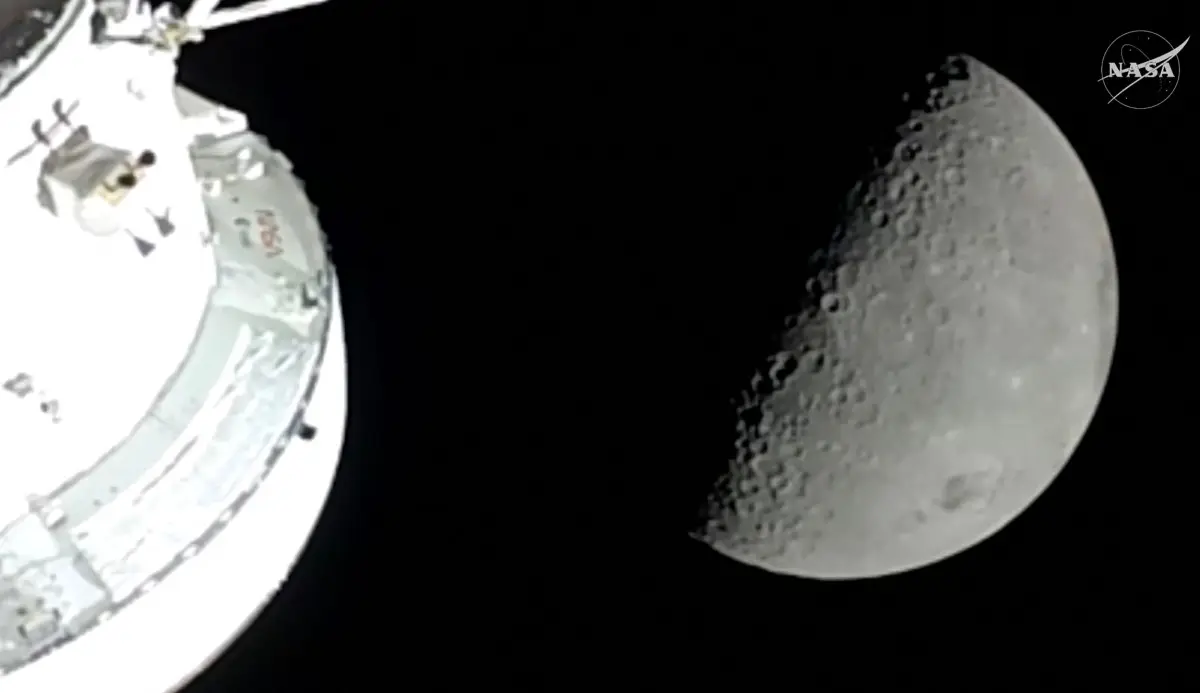
Mining Lunar Resources
The primary objective is resource extraction. The lunar surface is rich in rare earth metals crucial for modern electronics, and water ice trapped in the permanently shadowed craters of the lunar south pole is vital for rocket fuel.
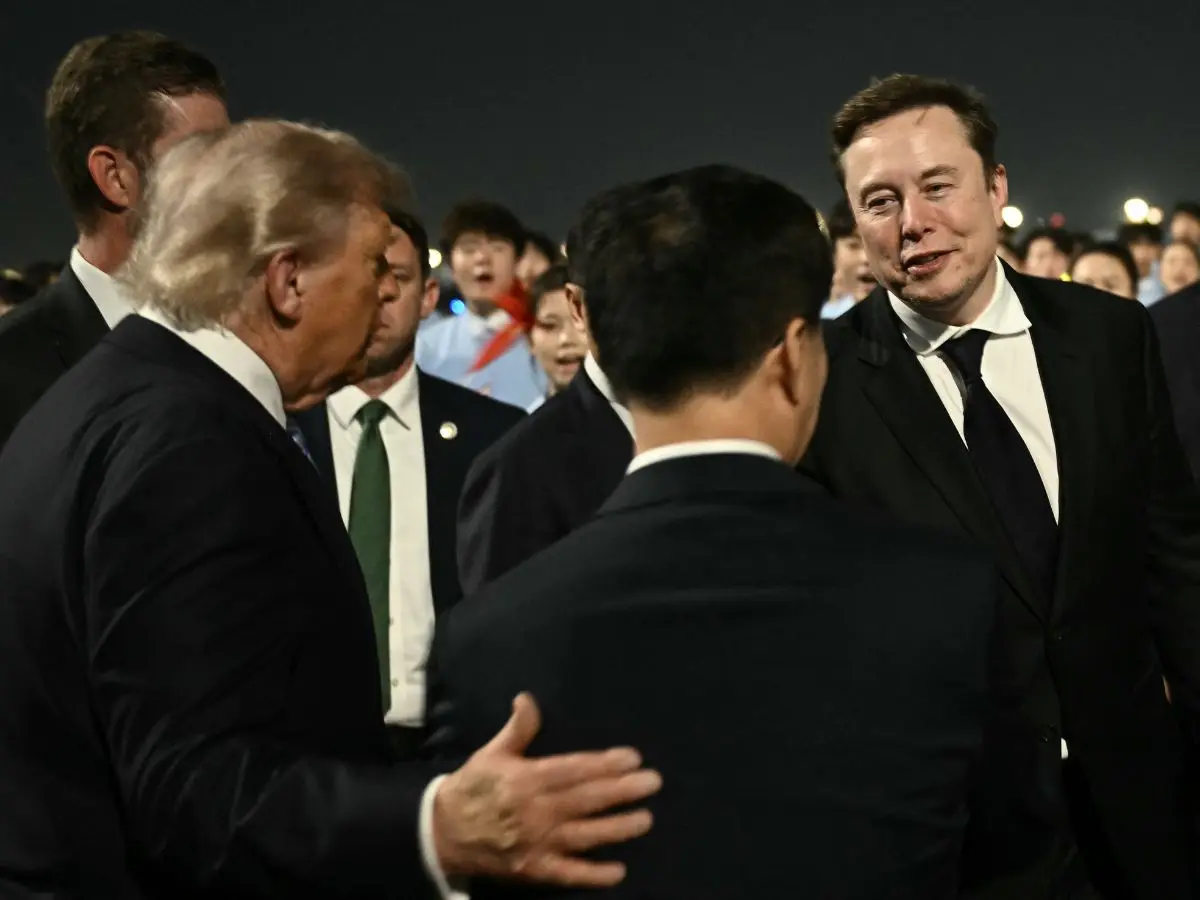
The Helium-3 Gold Rush
The holy grail of lunar mining is Helium-3, a rare isotope virtually non-existent on Earth but abundant on the Moon. It is the theoretical perfect fuel for clean nuclear fusion, capable of powering the Earth for centuries.
The US vs. China Space Race
A fierce Space Race 2.0 has ignited between the United States and China. Both nations have announced aggressive timelines to establish permanent, crewed lunar research bases by the early 2030s.

Private Companies Enter the Fray
It's not just governments. Private aerospace titans like SpaceX and Blue Origin are building the heavy-lift infrastructure required for commercial lunar logistics, drastically lowering the cost of reaching orbit.
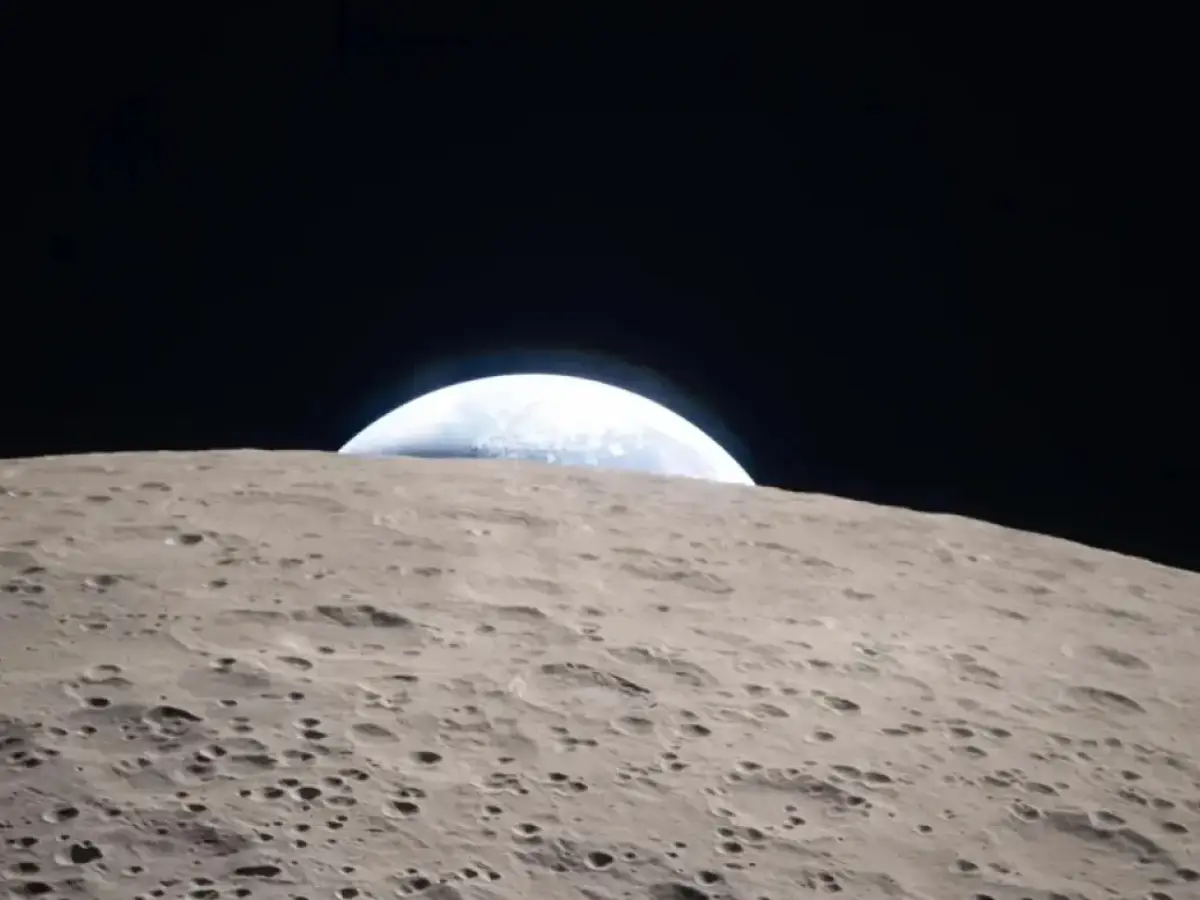
Lunar Bases by 2030
The timeline is rapidly accelerating. Prototype habitats, automated rovers, and lunar communication satellites are already being deployed, paving the way for continuous human presence on the Moon within this decade.
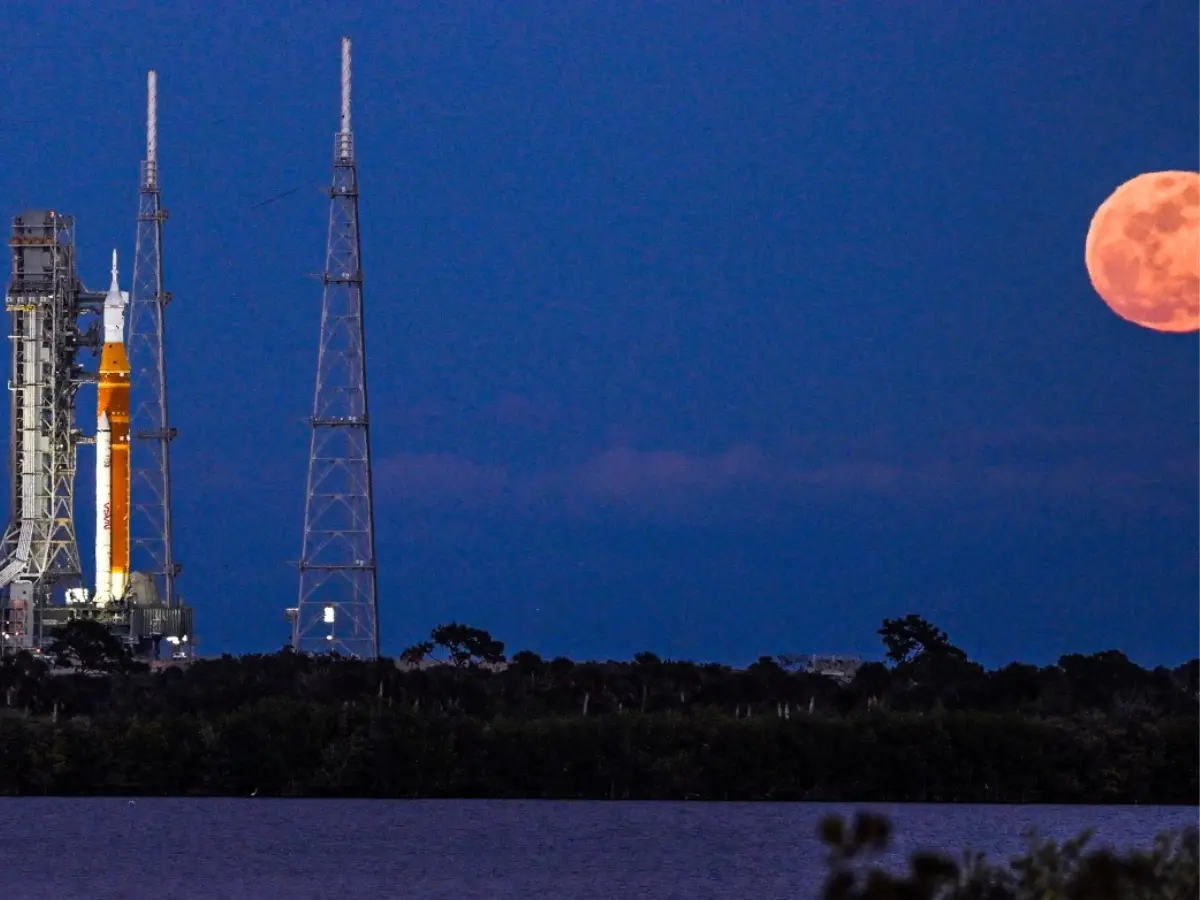
Who Owns the Moon?
The 1967 Outer Space Treaty forbids nations from claiming celestial bodies, but it is woefully unprepared for commercial mining. A massive legal and diplomatic battle is brewing over who actually owns the rights to the Moon's riches.
)
)
)
)
)