Top 8 countries using ground telescopes to study 3I/ATLAS

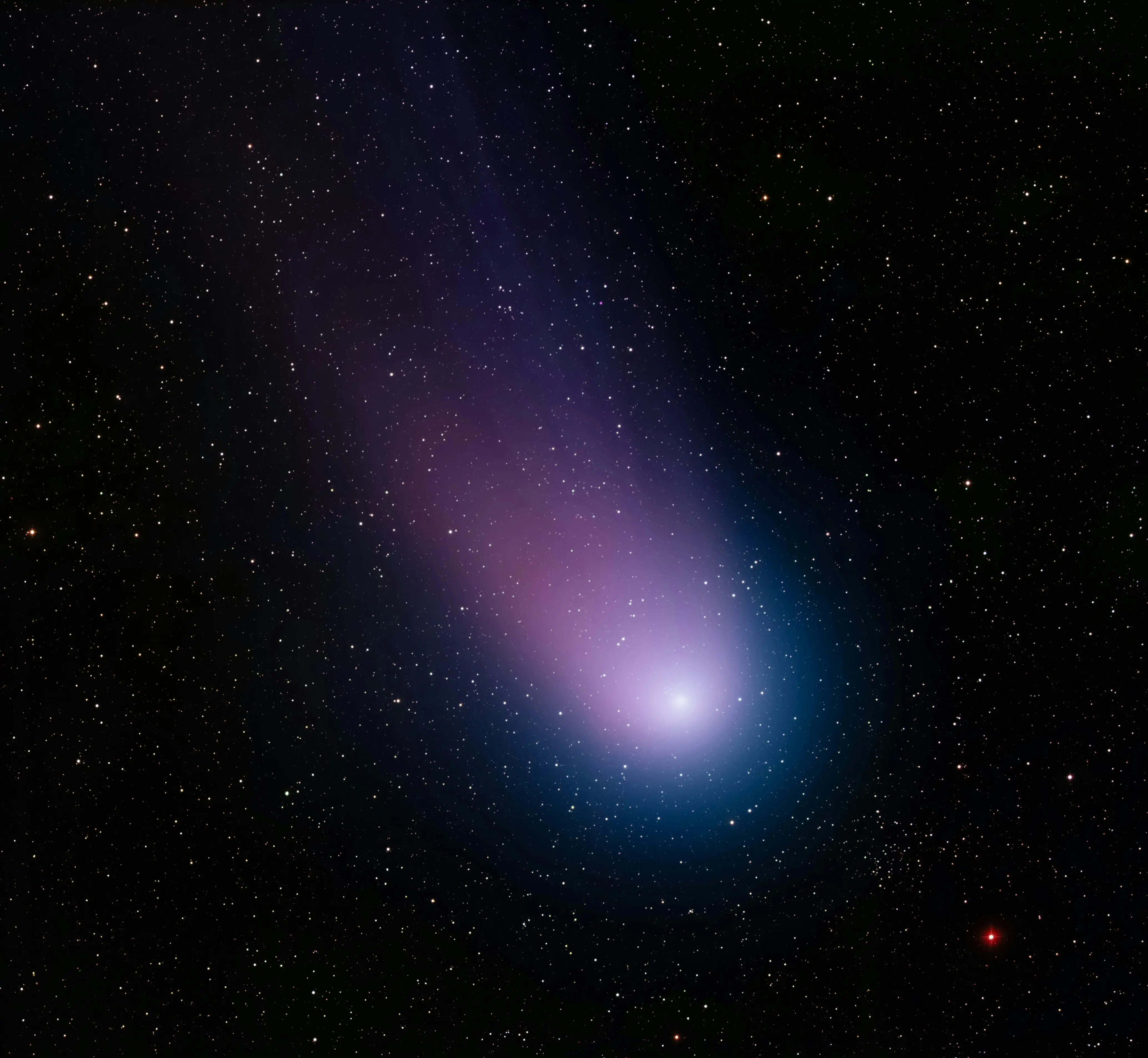
As interstellar comet 3I/ATLAS makes its way through the Solar System, astronomers across the globe are racing to observe and document its behaviour.
1. United States
The US is at the forefront of 3I/ATLAS observations, with facilities like the Keck Observatory in Hawaii and the Lowell Observatory in Arizona tracking the comet in real time. NASA’s collaboration with universities has led to high-resolution spectral data that’s helping identify its chemical makeup.
2. Spain
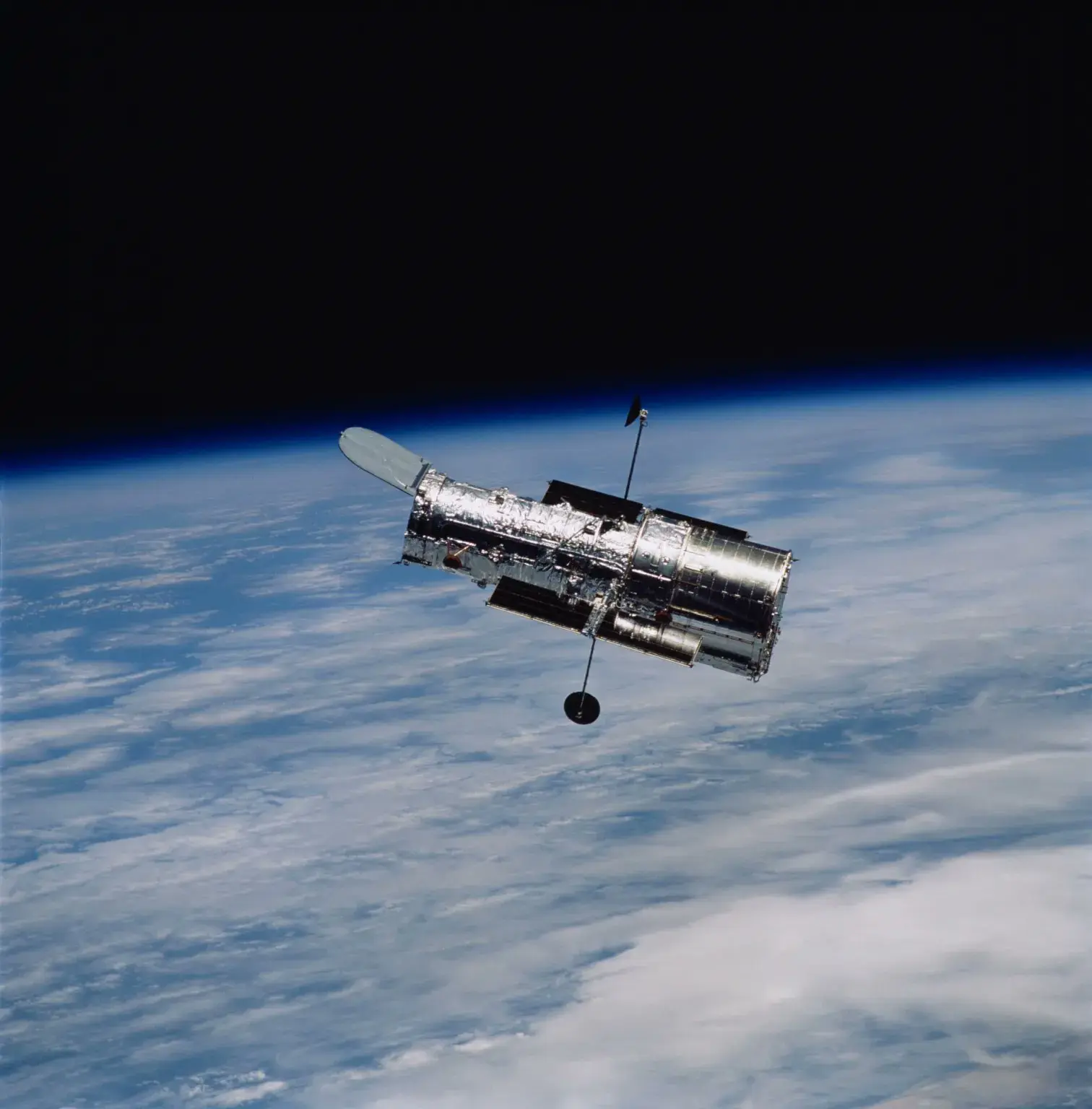
Spain’s Canary Islands, home to the world-renowned Gran Telescopio Canarias (GTC), offer some of the clearest skies on Earth. Spanish astronomers have been among the first to release detailed imagery of the comet’s tail, making critical contributions to trajectory mapping.
3. India
India has joined the international observation network using facilities like the Indian Astronomical Observatory in Ladakh, one of the highest sites in the world. The IUCAA Girawali Observatory near Pune has also begun night-time tracking sessions, providing unique data from the subcontinent.

4. Japan
Japan’s Subaru Telescope, located in Hawaii but operated by the National Astronomical Observatory of Japan, has played a key role in early imaging of 3I/ATLAS. Japanese researchers are also using smaller telescopes across the country to monitor brightness fluctuations.
5. Chile
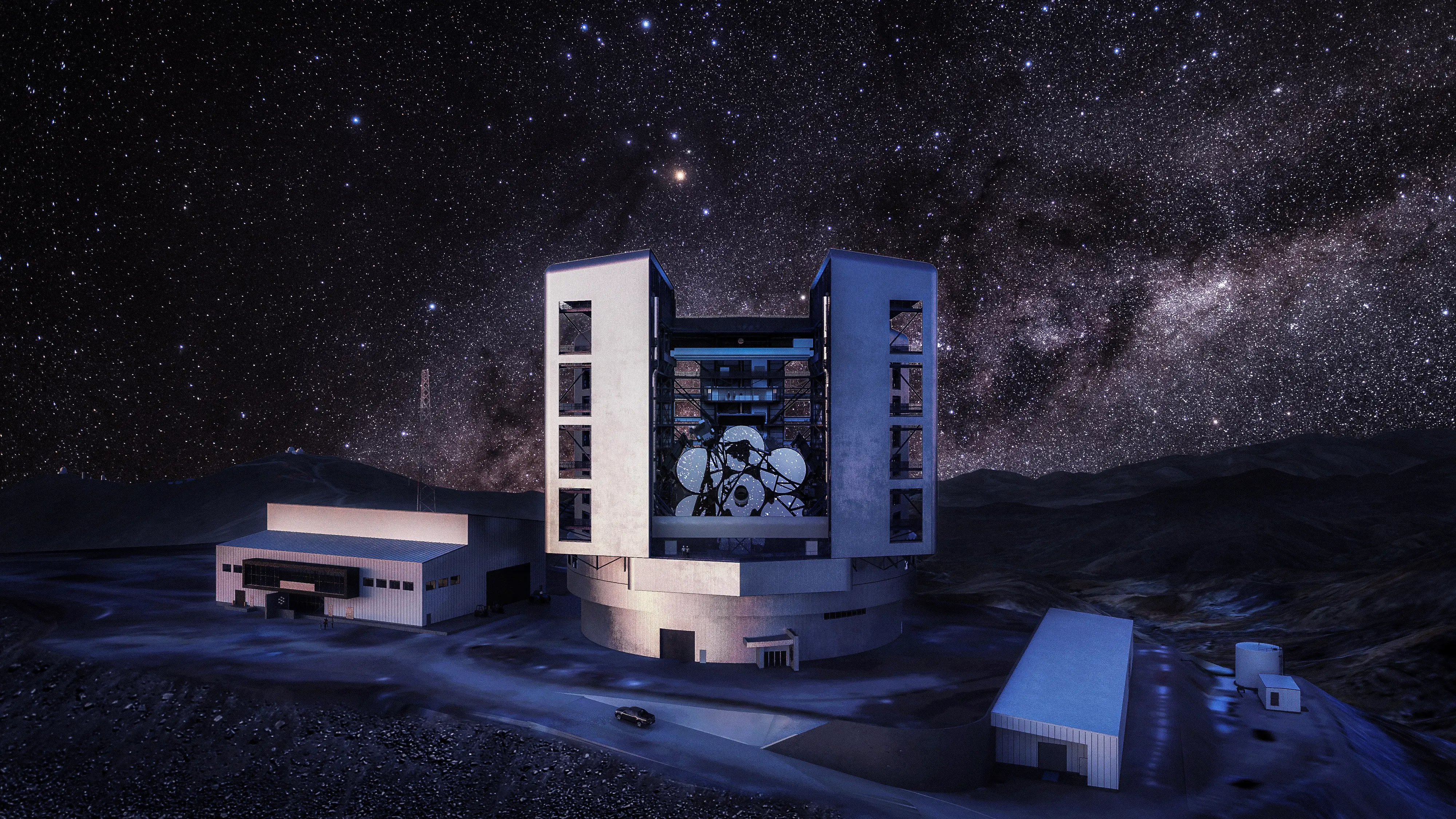
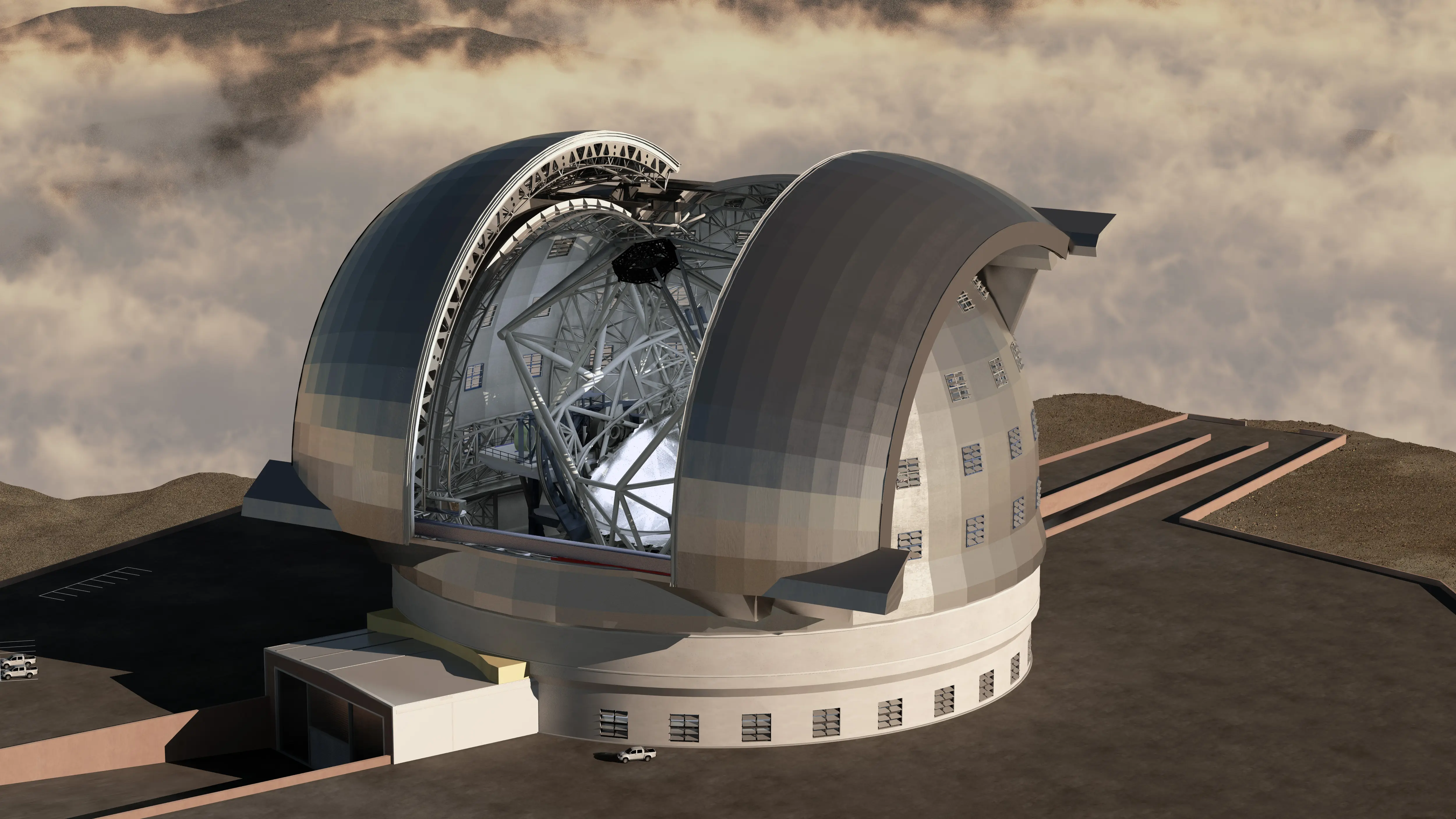
Chile’s Atacama Desert hosts several world-class observatories, including ESO’s Very Large Telescope (VLT). With its exceptionally dry atmosphere, Chile offers near-perfect observing conditions, allowing scientists to capture long-duration exposures of the comet.
6. Italy
Italy’s Asiago Astrophysical Observatory and other research centers are part of a European network sharing real-time data. Italian teams are focusing on the comet’s dust composition using advanced spectroscopic instruments.
7. France
France’s Observatoire de Haute-Provence and Pic du Midi Observatory are contributing to international monitoring campaigns. French astronomers are using photometric analysis to detect subtle changes in the comet’s coma and tail structure.

8. Australia
From the Southern Hemisphere, Australian telescopes like the Anglo-Australian Telescope provide crucial complementary observations. Their unique geographic position allows astronomers to track parts of the comet’s trajectory not easily visible from the north.
)
)
)
)
)