Top 7 long-range weapons used by fighter jets for deep-strike air missions

Fighter jets now strike targets hundreds of kilometres away using advanced long-range missiles. These seven standoff weapons keep aircraft safe whilst delivering precision strikes into defended territory.
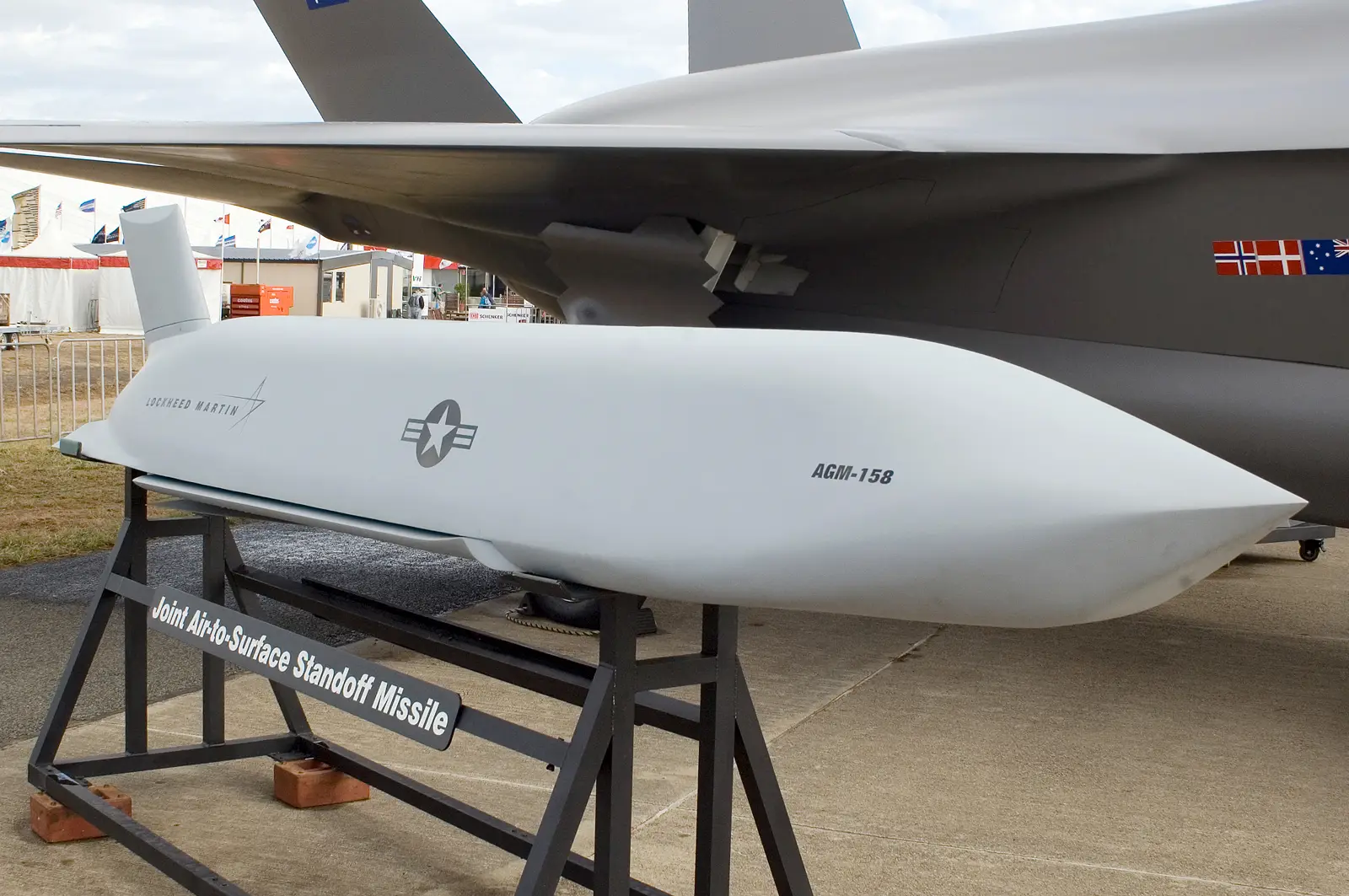
AGM-158B JASSM-ER (Joint Air-to-Surface Standoff Missile Extended Range)
The AGM-158B JASSM-ER (Joint Air-to-Surface Standoff Missile Extended Range) is America's answer to long-range precision strikes. With a maximum range of 926 kilometres, it can engage targets from positions where the launching aircraft remains virtually undetectable. The missile weighs roughly 1,000 kilogrammes and carries a 450-kilogramme warhead. Compatible with F-16, F-15E and B-52 aircraft, this weapon provides unmatched capability for deep penetration missions.
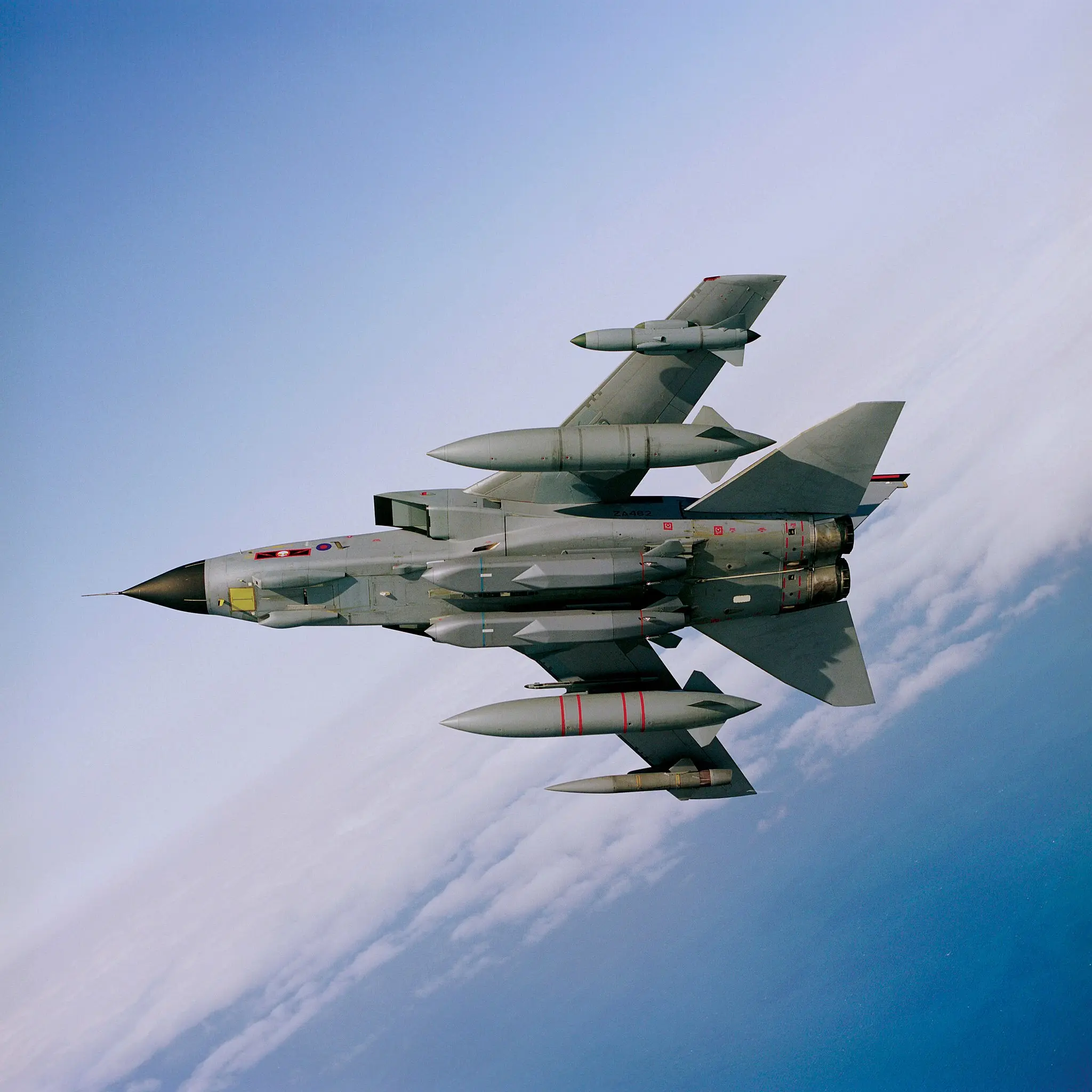
Storm Shadow/SCALP-EG
The Storm Shadow (British designation) or SCALP-EG (French name) is a low-observable cruise missile developed by MBDA. Operating at ranges up to 250 kilometres, this weapon uses terrain mapping and infrared imaging to achieve precision strikes against hardened targets. The missile's sophisticated navigation system combines GPS, inertial guidance and terrain reference data. Deployed by Rafale, Typhoon, Mirage 2000 and Tornado aircraft, it has seen combat action across multiple conflict zones.
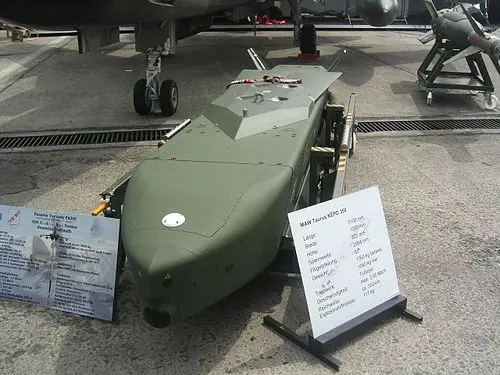
Taurus KEPD 350
The Taurus KEPD 350 is a modular standoff missile system designed specifically for penetrating defended targets. With a range exceeding 500 kilometres, the weapon weighs approximately 1,400 kilogrammes and operates at speeds up to Mach 0.95. Powered by a turbofan engine, it combines terrain-following flight paths with GPS-independent navigation. Notably, the Taurus features a void-sensing fuze enabling it to penetrate bunkers before detonating with a 480-kilogramme warhead.
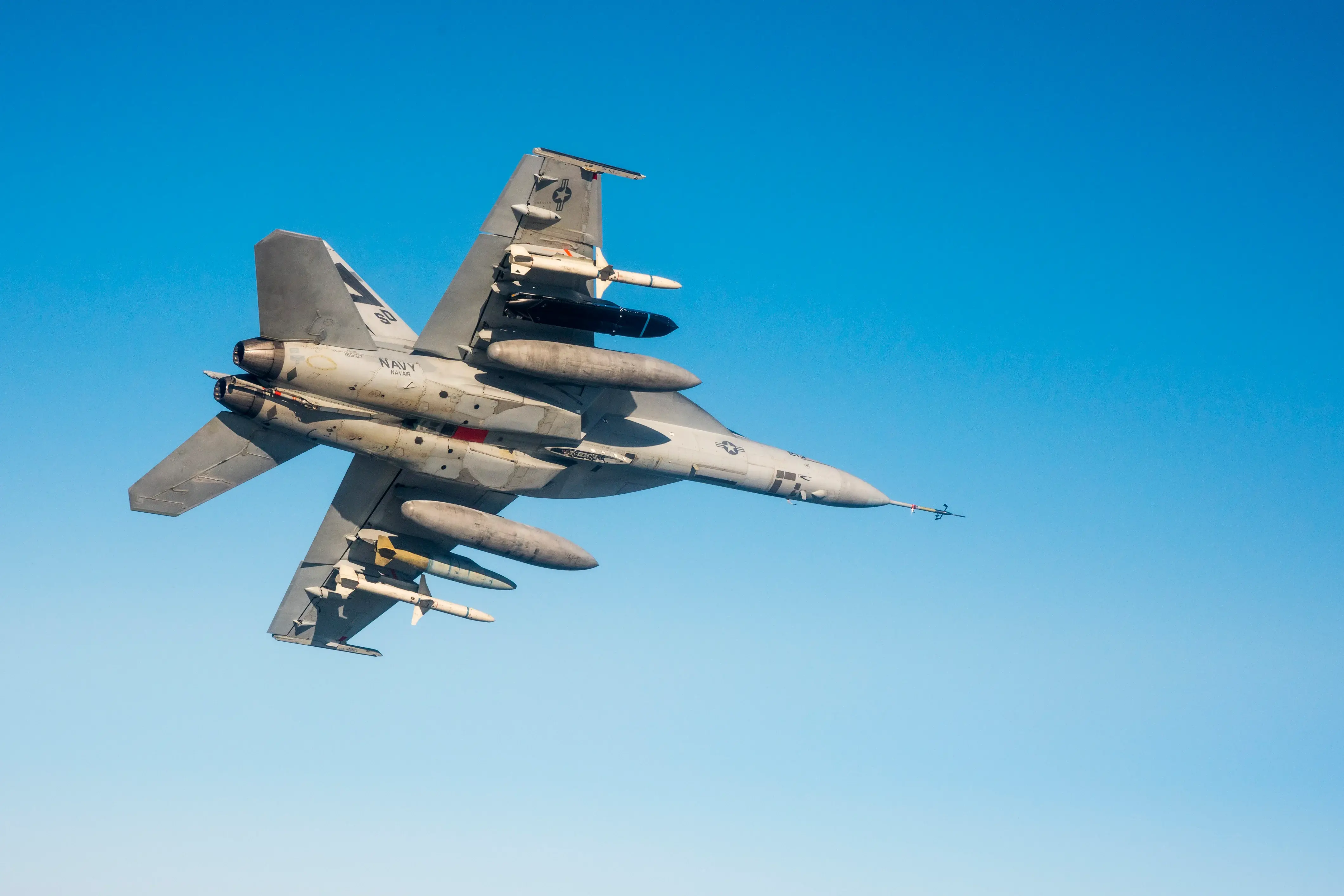
AGM-158C LRASM (Long Range Anti-Ship Missile)
The AGM-158C LRASM represents a significant advancement in standoff anti-ship capabilities. Based on the proven JASSM-ER platform, this missile achieves ranges of 555 kilometres whilst weighing approximately 1,000 kilogrammes. Its semi-autonomous guidance system and electro-optical seeker enable targeting of moving vessels. The LRASM carries a 450-kilogramme penetrating warhead and integrates well with modern fighter aircraft seeking extended standoff capability.
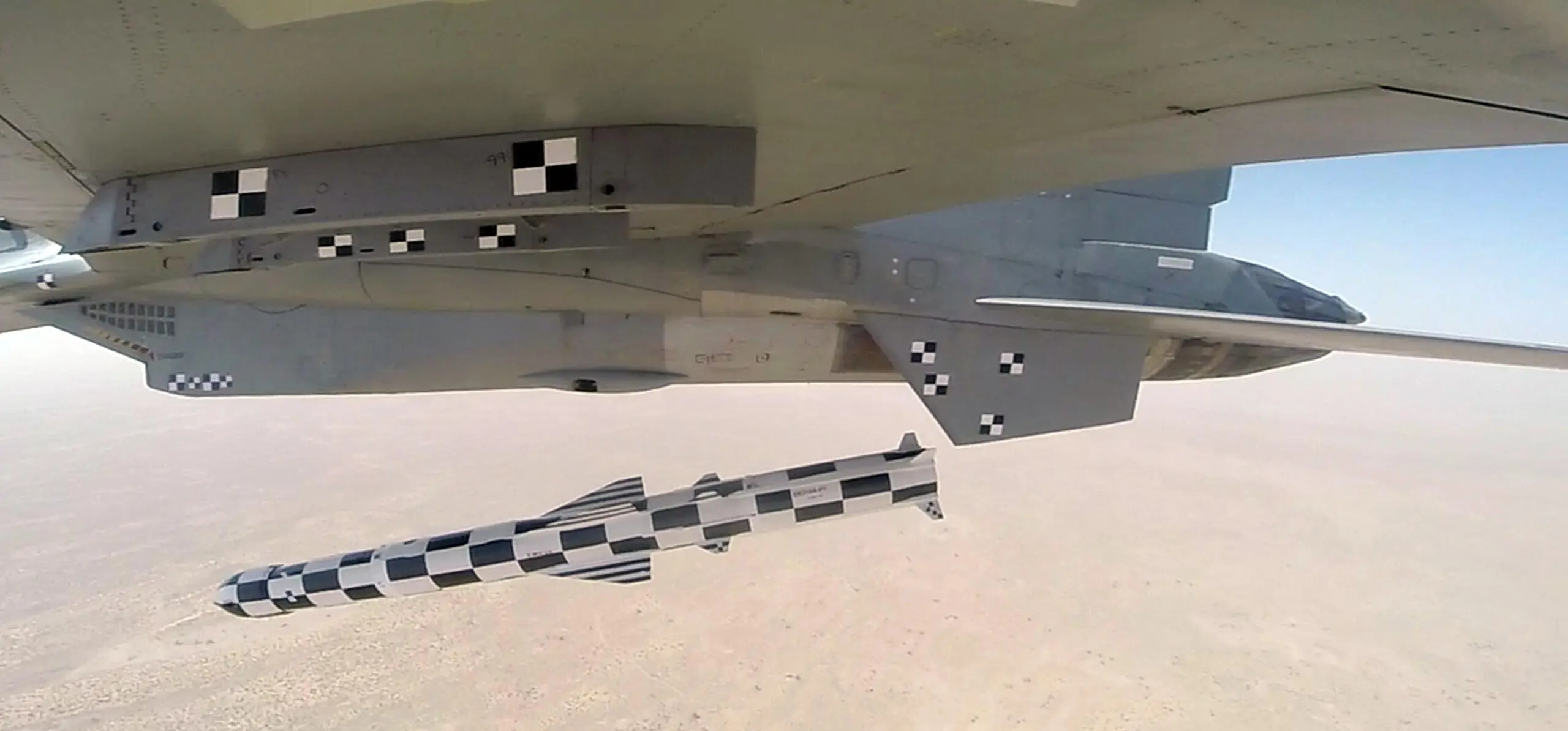
BrahMos Air-Launched (India-Russia Ramjet Cruise Missile)
The air-launched BrahMos represents a unique fusion of Indian and Russian expertise. Flying at speeds near Mach 2.8, it reaches targets over 450 kilometres away, making interception extremely difficult. The missile weighs approximately 2.5 tonnes and carries a 300-kilogramme warhead. Integrated onto Su-30MKI fighter jets, over 40 Indian aircraft have been modified for BrahMos operations. Its ramjet propulsion provides exceptional fuel efficiency and extended range compared to rocket-powered alternatives.
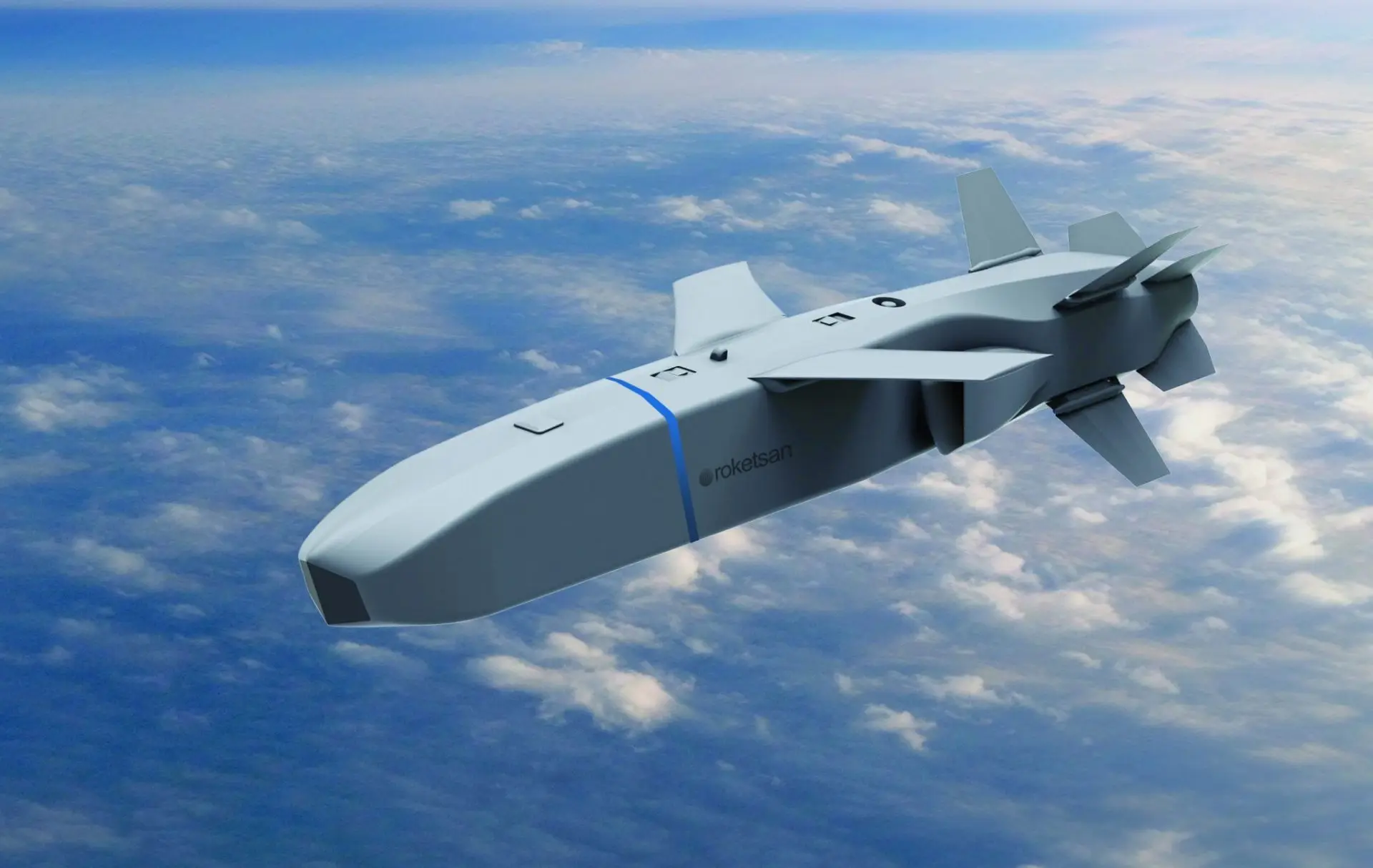
SOM (Stand-Off Missile - Turkish System)
Turkey's SOM (Stand-Off Missile) family provides indigenous deep-strike capability for the Turkish Air Force. The SOM variants achieve ranges up to 250 kilometres with high subsonic speeds. The weapon weighs approximately 600 kilogrammes and carries either blast-fragmentation or penetrating warheads. Deployed from F-16 and F-4 aircraft, the SOM uses GPS, inertial navigation and terrain mapping. The advanced SOM-J variant adds automatic target acquisition capabilities for maritime operations.
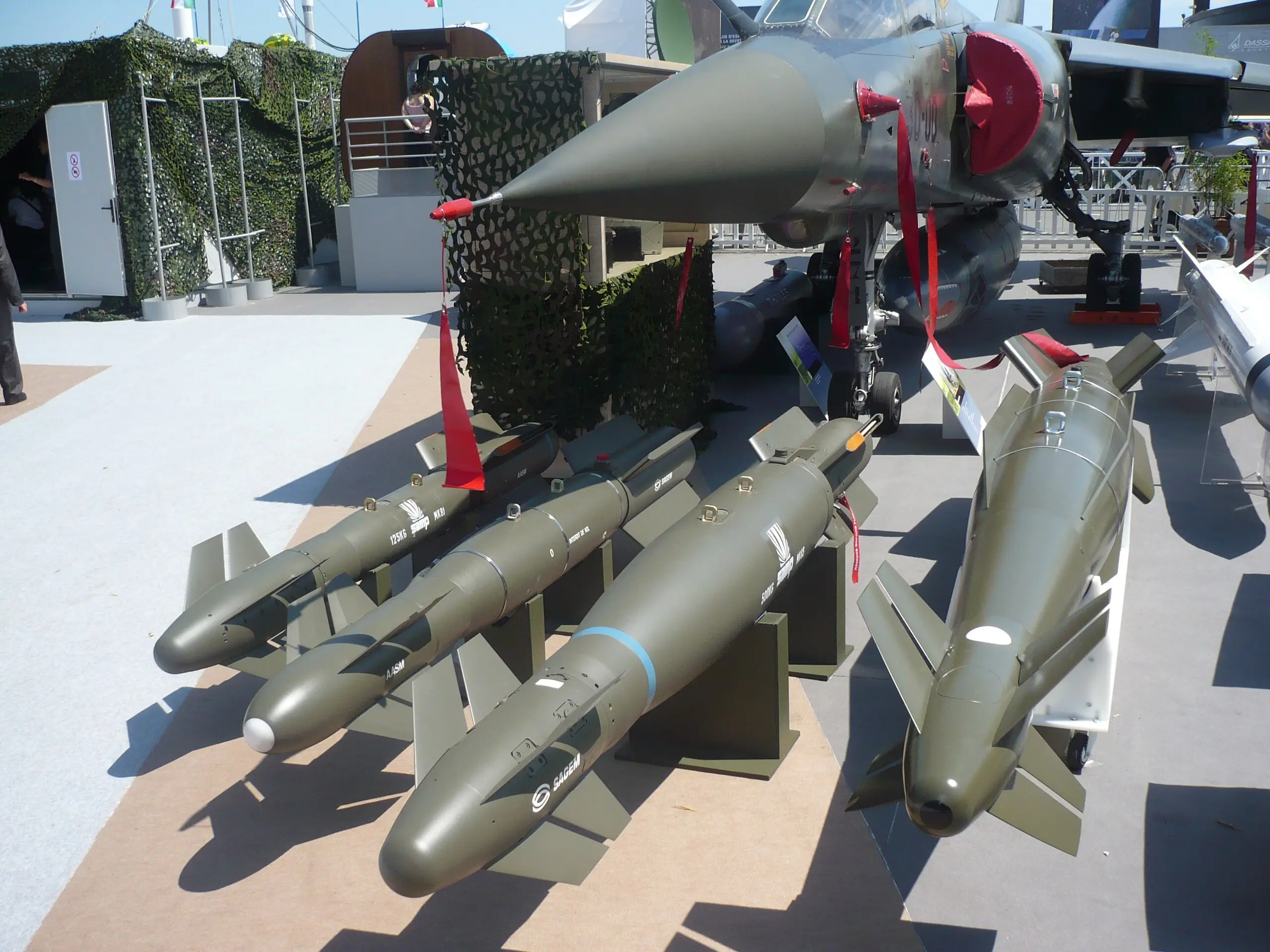
AASM Hammer (Armement Air-Sol Modulaire - French Modular System)
The AASM Hammer (Armement Air-Sol Modulaire) represents a modular approach to air-to-ground strikes. Available in 125-kilogramme to 1,000-kilogramme configurations, this system provides exceptional flexibility. Operating at ranges exceeding 60 kilometres from high altitude and 15 kilometres from low altitude, it combines GPS/inertial guidance with infrared or laser targeting. Fully integrated with Rafale fighters, the Hammer has been successfully tested on various platforms including MiG-29 and Mirage variants.
)
)
)
)
)