Top 7 highest airports on Earth and where they are

The thin air reduces lift, engines lose efficiency, and even the human body struggles to adapt. Runways must be longer to allow sufficient take-off speed, while terminals and support systems need oxygen and temperature regulation.
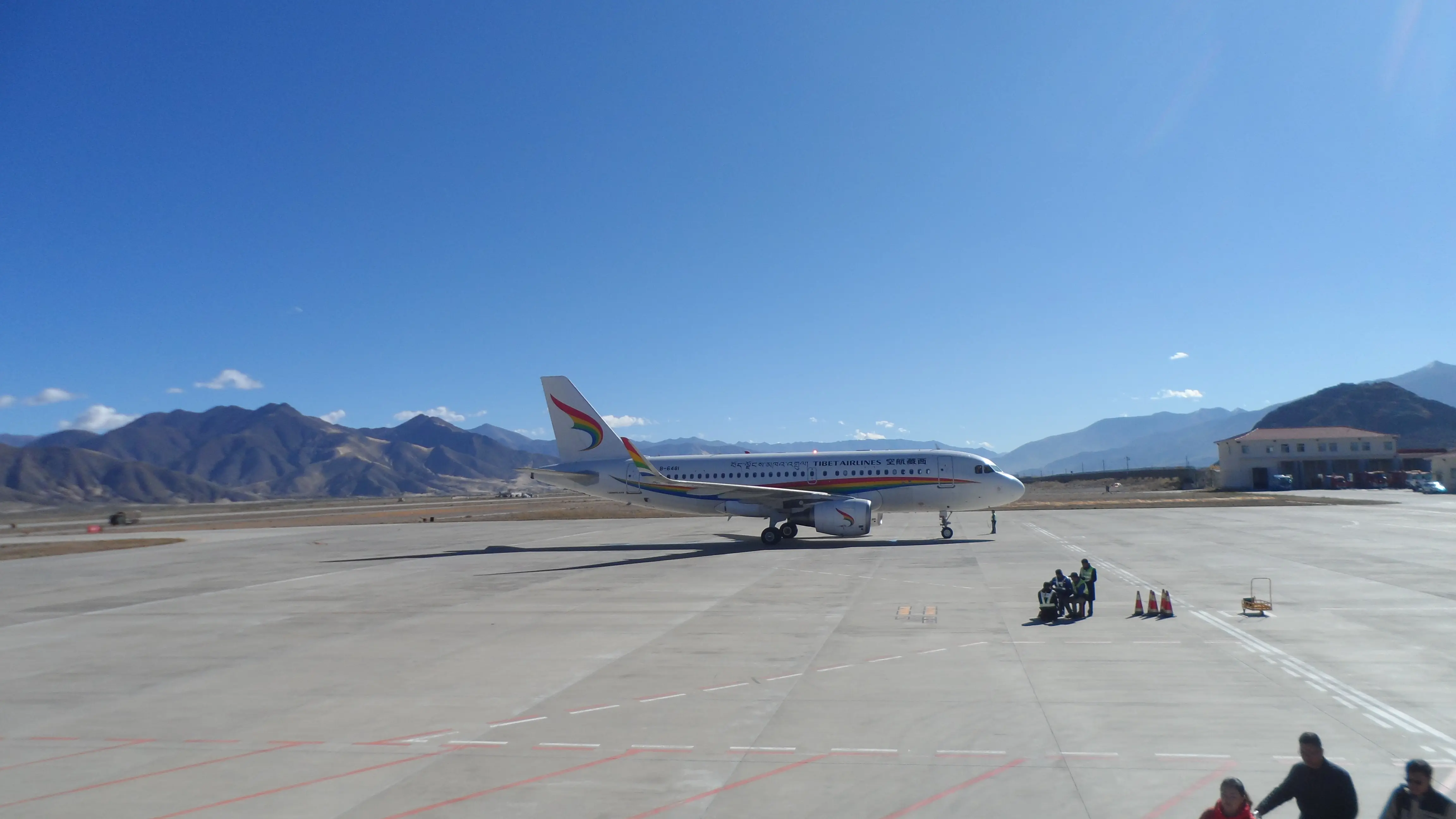
Introduction
Airports built above 3,500 metres are among the toughest environments in which aircraft operate. The thin air reduces lift, engines lose efficiency, and even the human body struggles to adapt. Runways must be longer to allow sufficient take-off speed, while terminals and support systems need oxygen and temperature regulation. These factors make high-altitude aviation a remarkable feat of engineering and endurance. The following seven airports, all sitting well above 3,700 metres, are the highest operational airports on Earth.
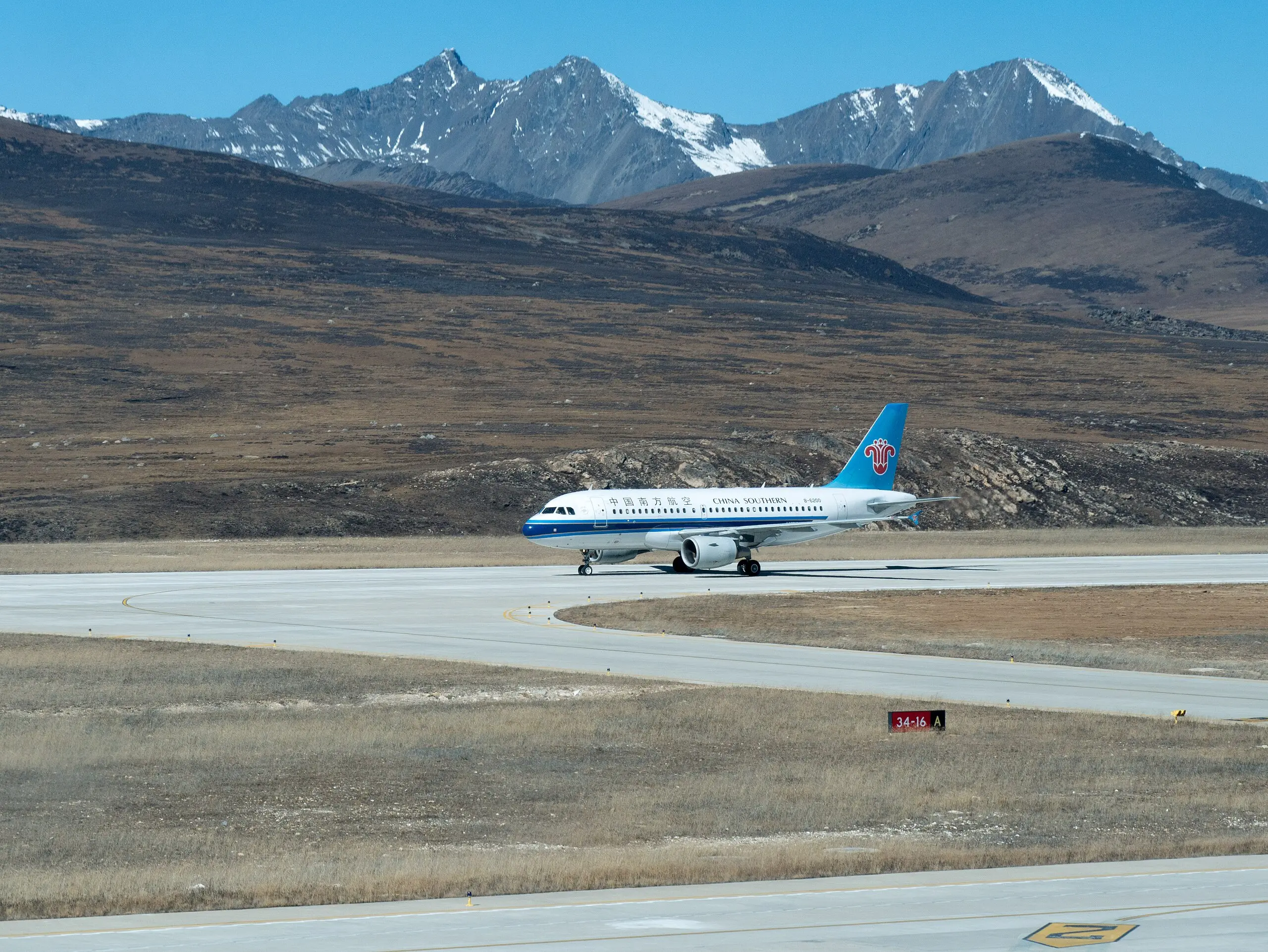
Daocheng Yading
Daocheng Yading Airport in Sichuan, China, holds the record as the world’s highest civilian airport at 4,411 metres (14,472 feet). Opened in 2013, it connects the remote Garzê Tibetan Autonomous Prefecture to major cities such as Chengdu. The airport features an extended 4,200-metre runway, oxygen-enriched facilities, and specially trained crews to handle the demanding conditions. Daocheng symbolises China’s ambition to develop its far western regions despite altitude and climate challenges.
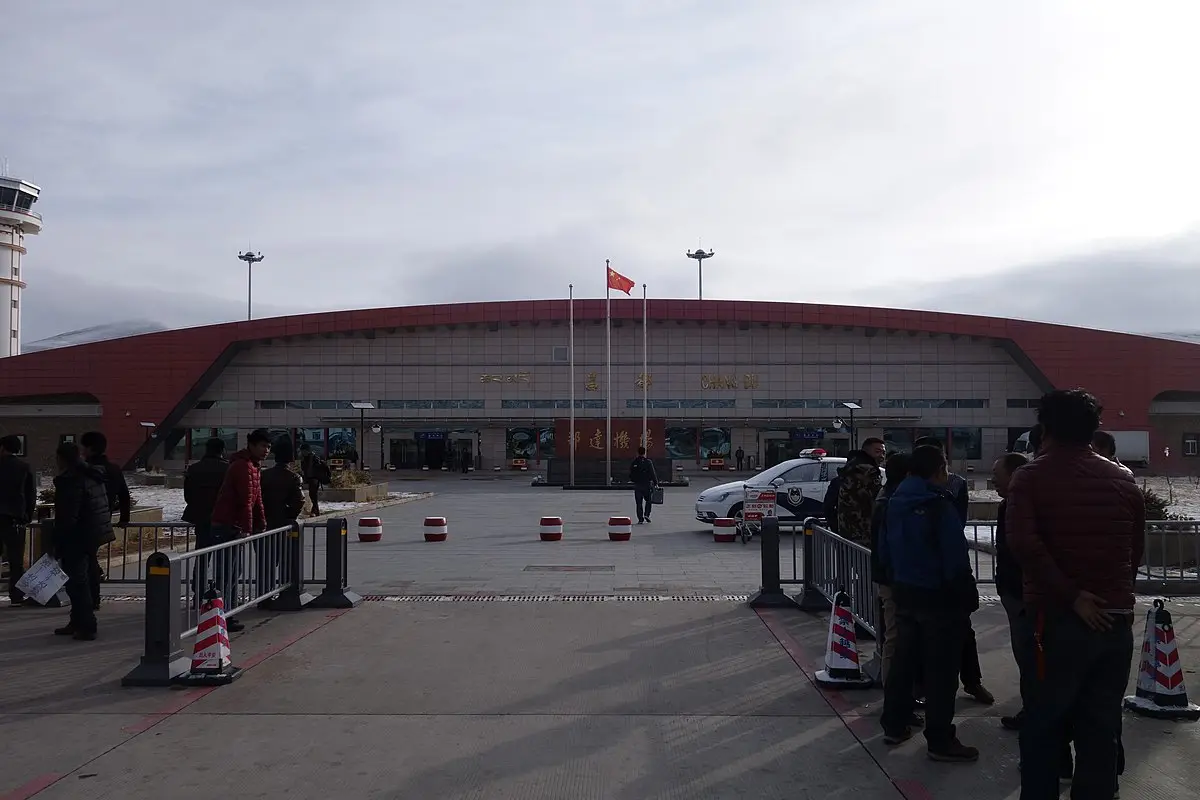
Qamdo Bamda
Located in the Tibet Autonomous Region at about 4,334 metres, Qamdo Bamda once held the record for the world’s highest airport. Its claim to fame now lies in its colossal runway, over 5,500 metres long, one of the longest on the planet. The reason is simple: aircraft require far more speed to generate lift in the rarefied atmosphere. For pilots, Bamda’s approach is a test of precision and timing; for engineers, it’s an enduring model of adaptation to thin-air flight.
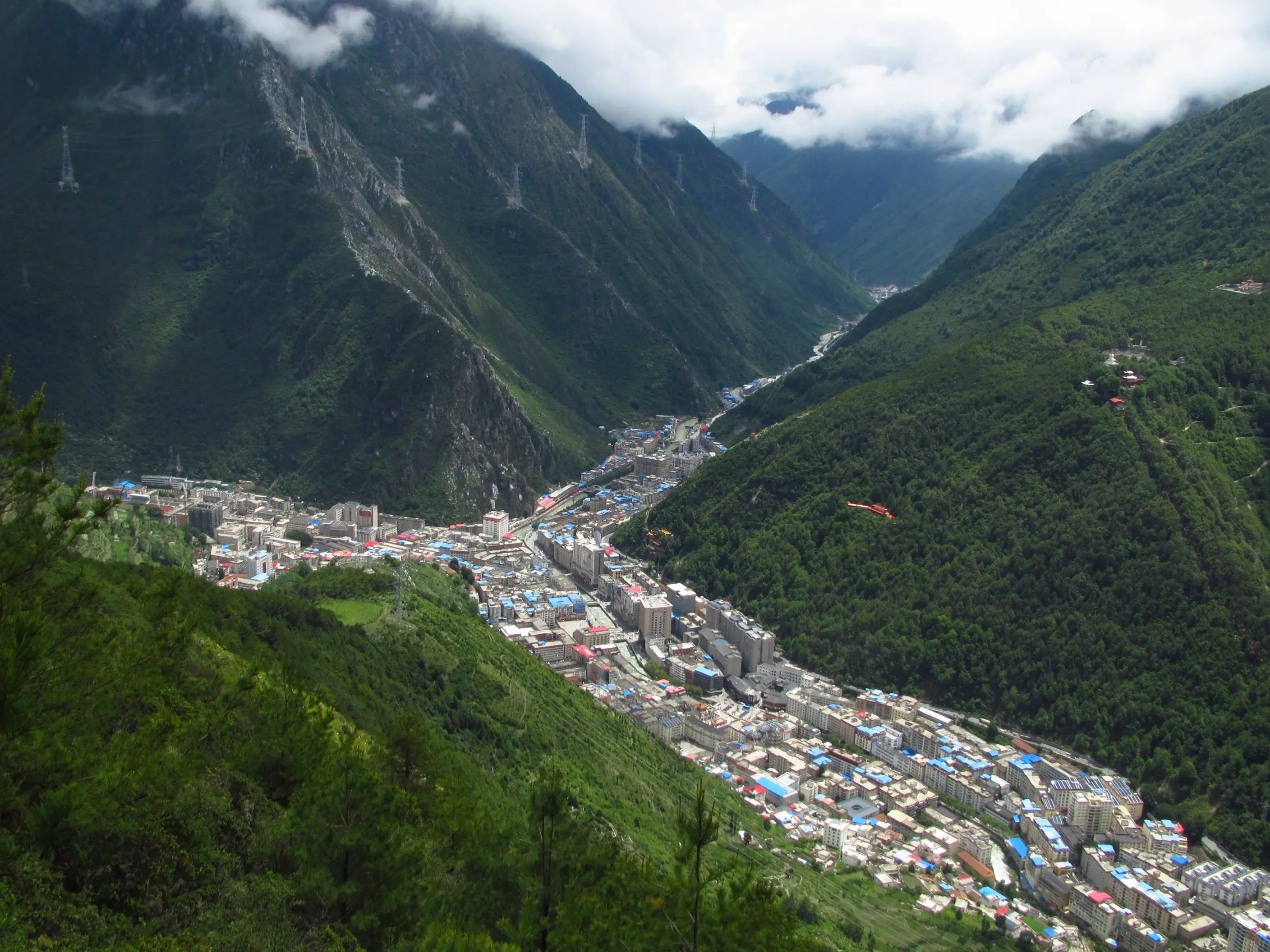
Kangding Airport
Kangding, also in Sichuan, lies at approximately 4,280 metres. Built to connect western China’s mountainous Garzê region with the rest of the country, it is a gateway to the Tibetan plateau. The airport’s location is challenging, surrounded by snow-covered peaks and prone to sudden weather changes. Despite these hurdles, Kangding plays a crucial role in regional connectivity and economic development in one of China’s most isolated areas.
Ngari Gunsa
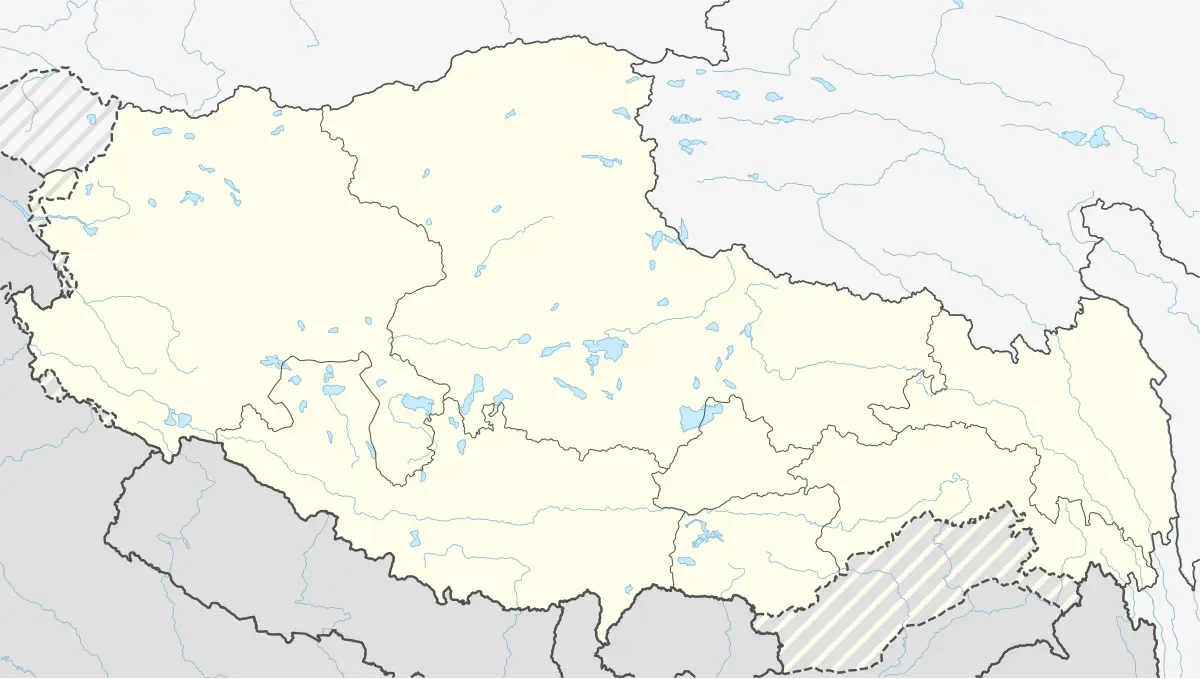
Ngari Gunsa, or Ali Kunsha Airport, sits at 4,274 metres in far-western Tibet, near India’s northern border. It is both a civilian and a military facility, serving the remote town of Shiquanhe. Its importance extends beyond passenger travel, the airfield supports logistics, defence readiness, and medical evacuation in one of the harshest inhabited regions on Earth. Its year-round operation demonstrates the reliability of high-altitude aviation in extreme conditions.
El Alto International
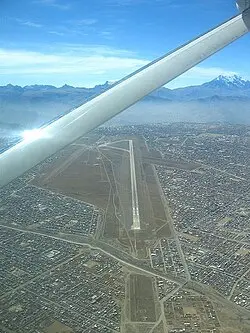
El Alto International Airport, serving La Paz, Bolivia, is the highest international airport in the world at about 4,061 metres (13,325 feet). Unlike most of its Asian counterparts, El Alto has decades of continuous civilian operation. The combination of thin air and steep Andean terrain makes it one of the most demanding airports for pilots. Its elevation also means visitors often feel the effects of altitude immediately upon landing, a reminder that even the simplest flight here tests human limits.
Shigatse Peace Airport
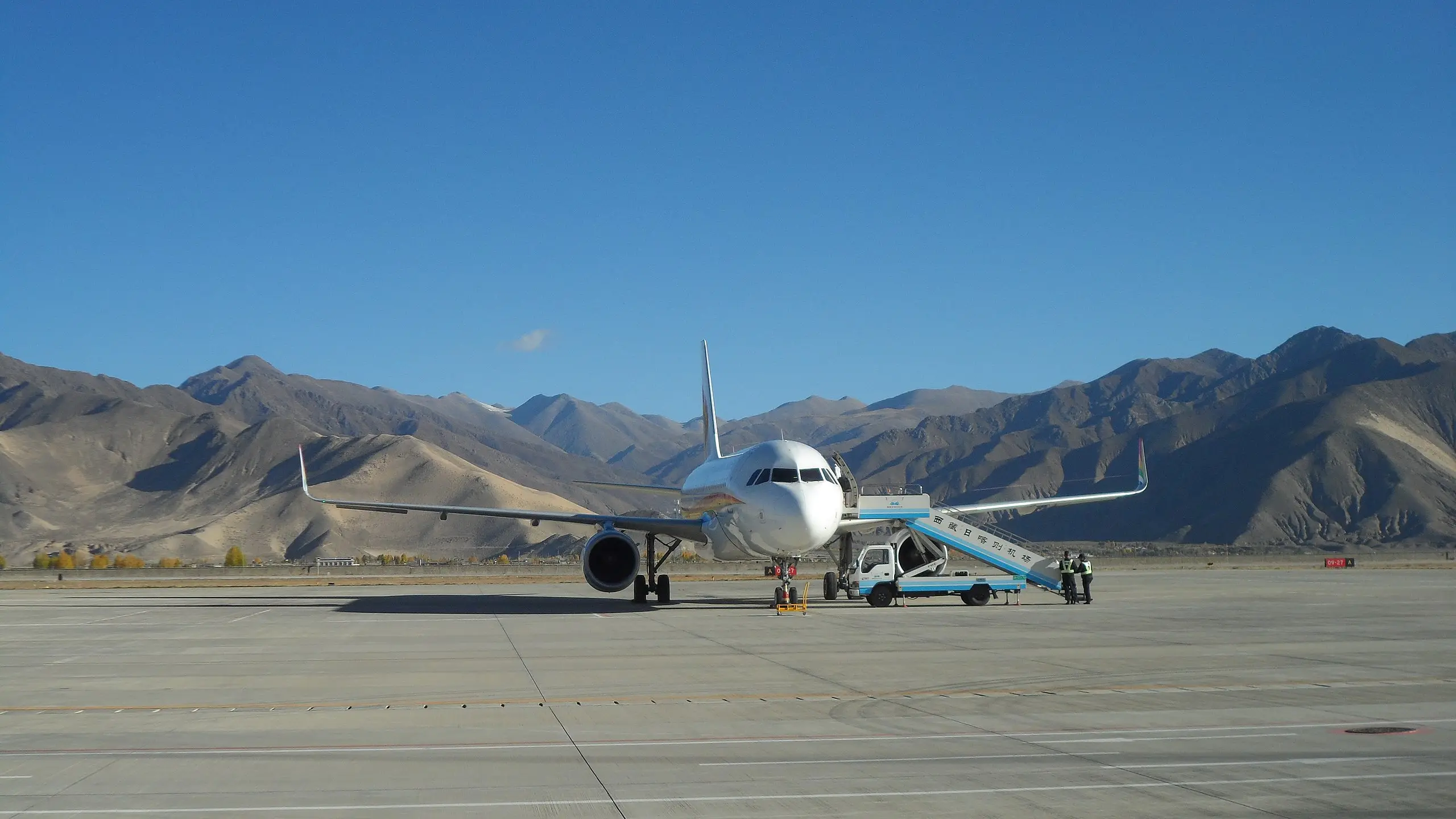
At around 3,782 metres, Shigatse Peace Airport in Tibet functions as both a regional hub and a dual-use facility. It connects Lhasa and other Tibetan cities, providing critical air access across a landscape where road travel is slow and weather dependent. Its elevation and location make it strategically significant, linking Tibet’s second-largest city with the rest of the plateau and beyond.
)
)
)
)
)