Top 7 countries with most powerful air defence systems: Is India among them?

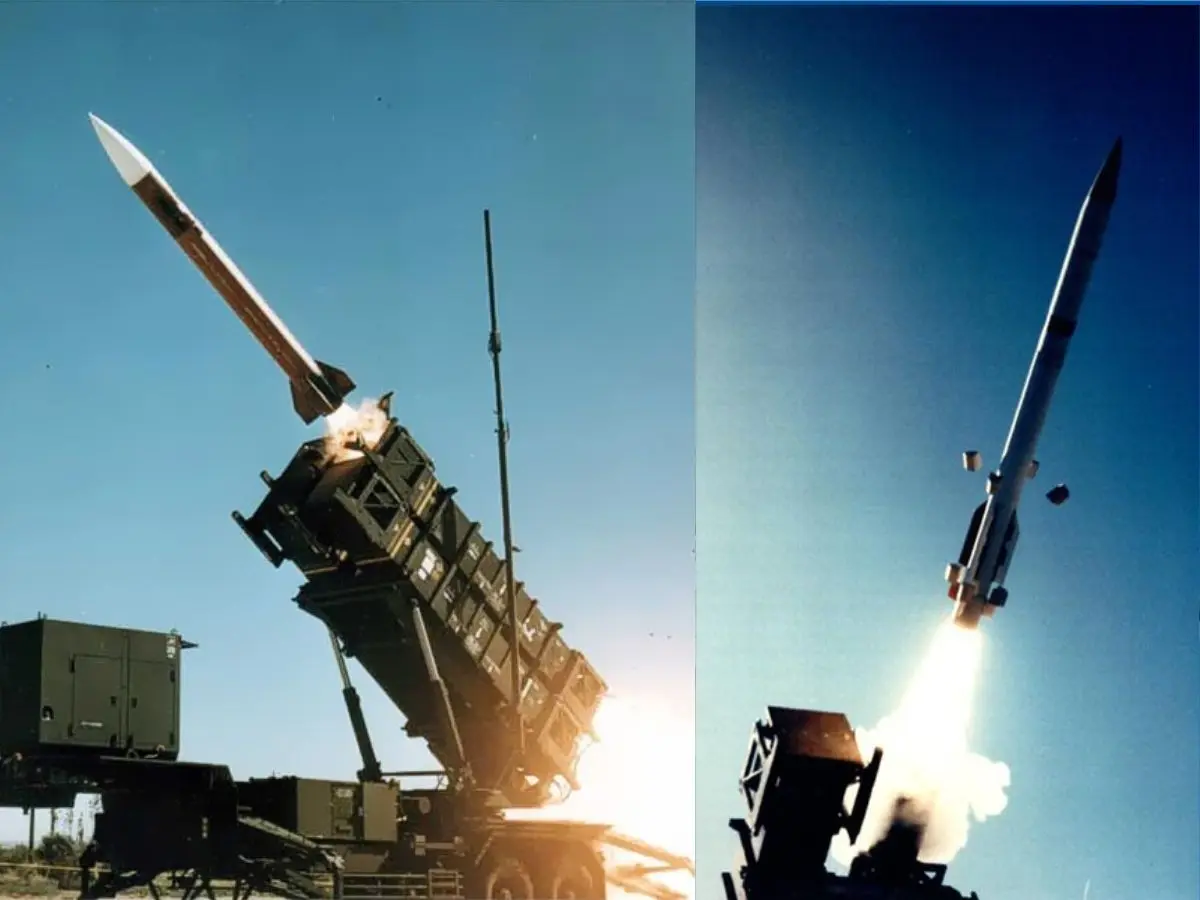
A nation’s air-defence network is typically layered, combining long-range interceptors, mid-range batteries, short-range point defences, and radar-linked command systems.
Why air defences still decide wars
Air-defence systems have become the defining factor of modern warfare. These systems detect, track, and intercept aircraft, drones, and missiles before they can reach their targets. A nation’s air-defence network is typically layered, combining long-range interceptors, mid-range batteries, short-range point defences, and radar-linked command systems. The stronger and more integrated these layers are, the greater a country’s ability to deter and survive aerial threats.
United States
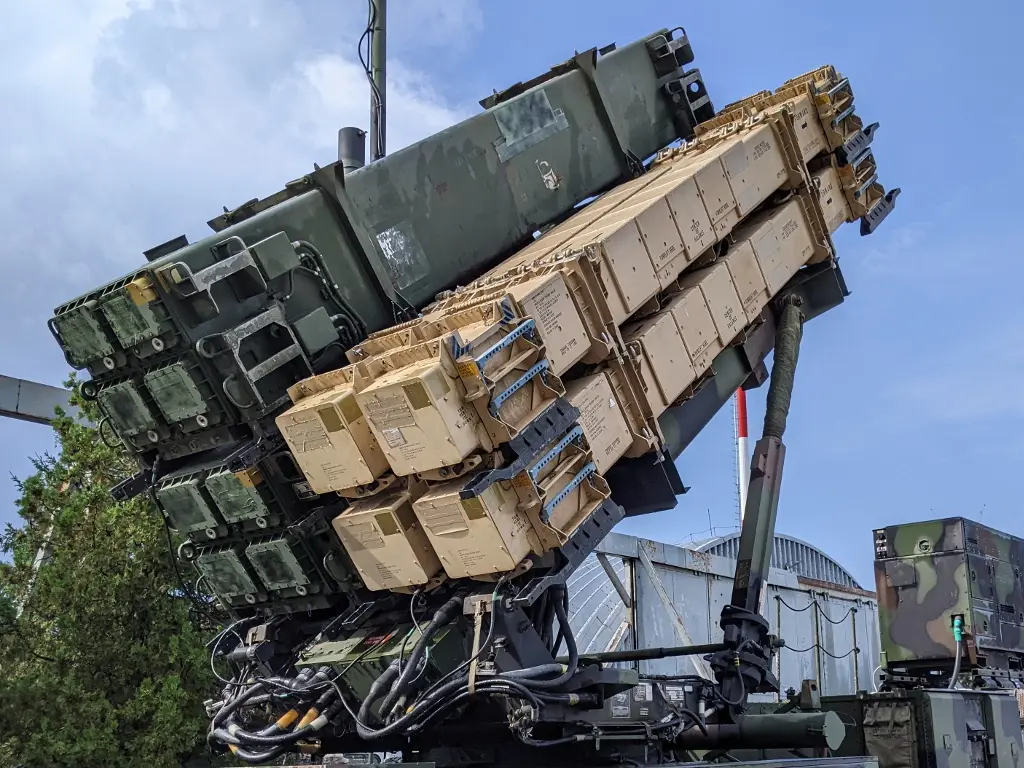
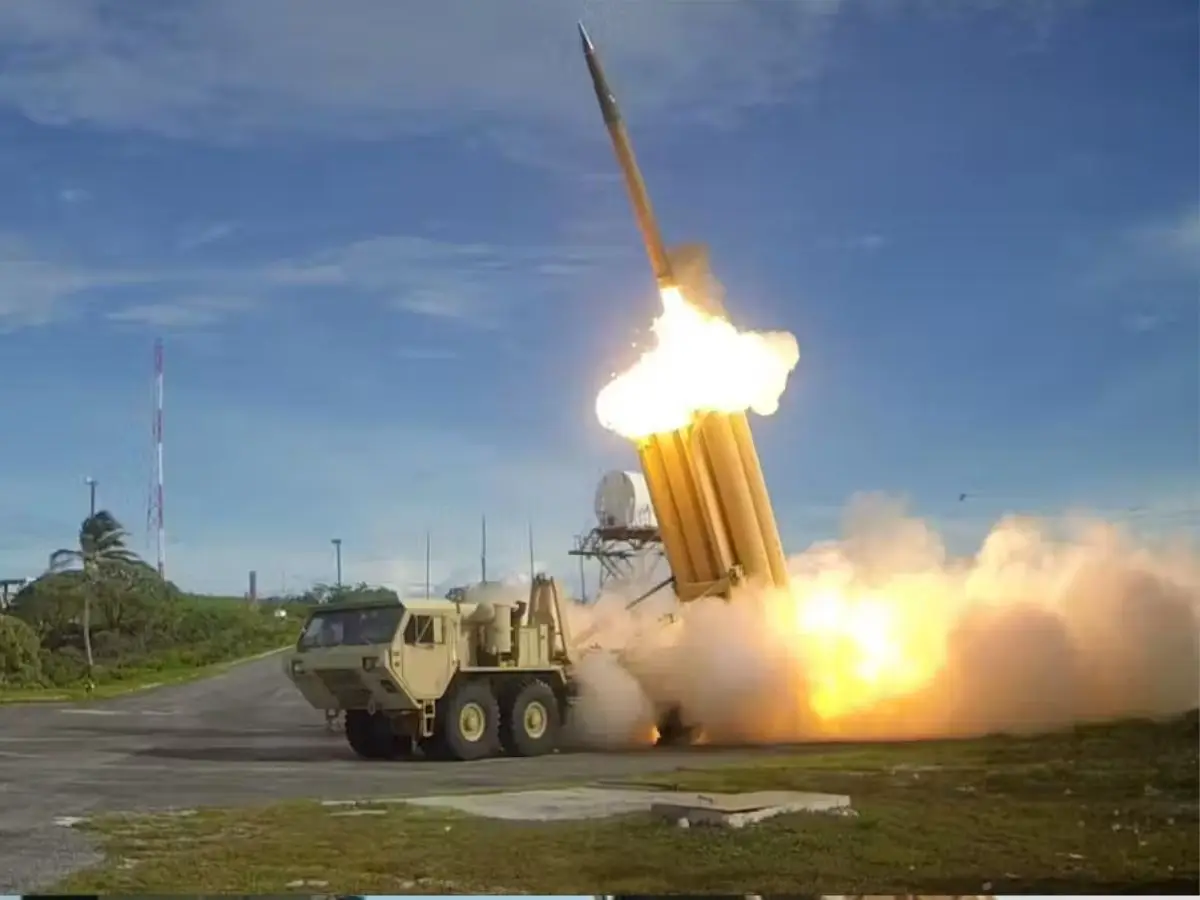
The United States remains the undisputed leader in air-defence technology. Its multi-tiered shield includes the Patriot PAC-3, THAAD, and the ship-based Aegis system. These platforms can intercept aircraft, cruise missiles, and even some ballistic missiles. The US is also investing heavily in hypersonic defence technologies and space-based sensors, giving it unmatched global reach. With systems deployed across allied territories, Washington’s air-defence network serves both as protection and power projection.
Russia
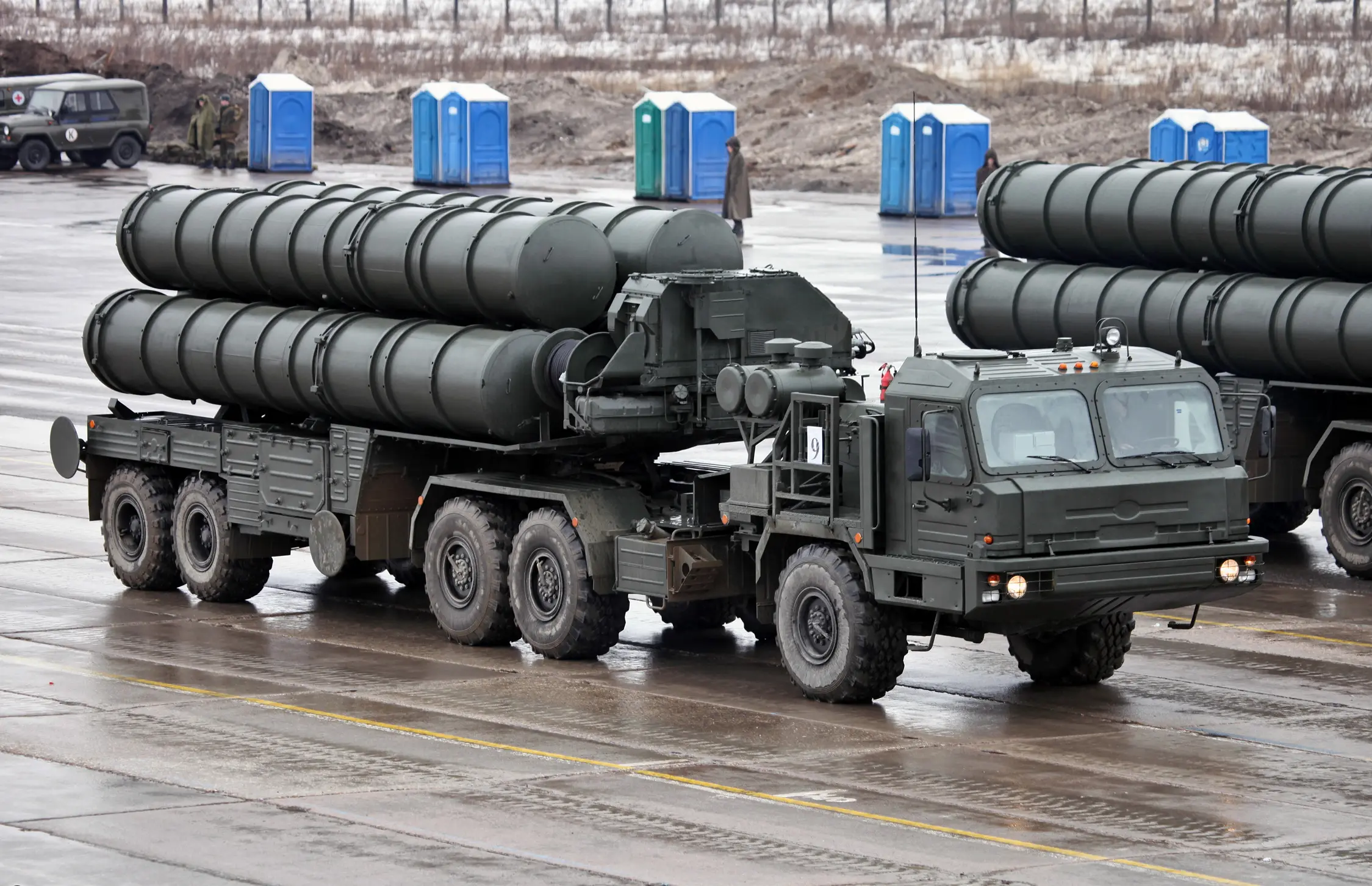
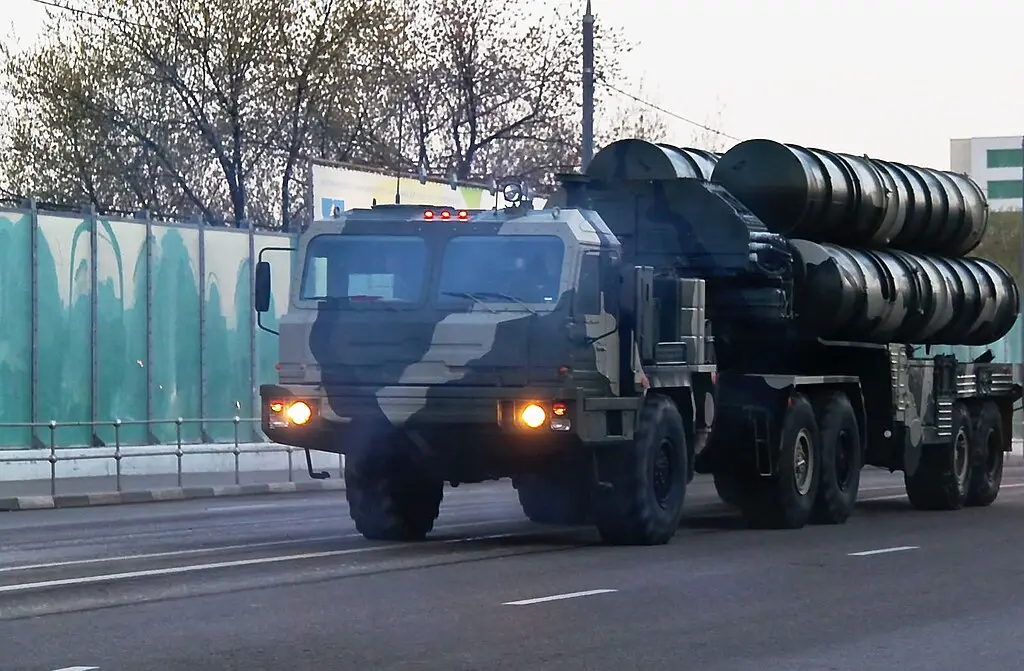
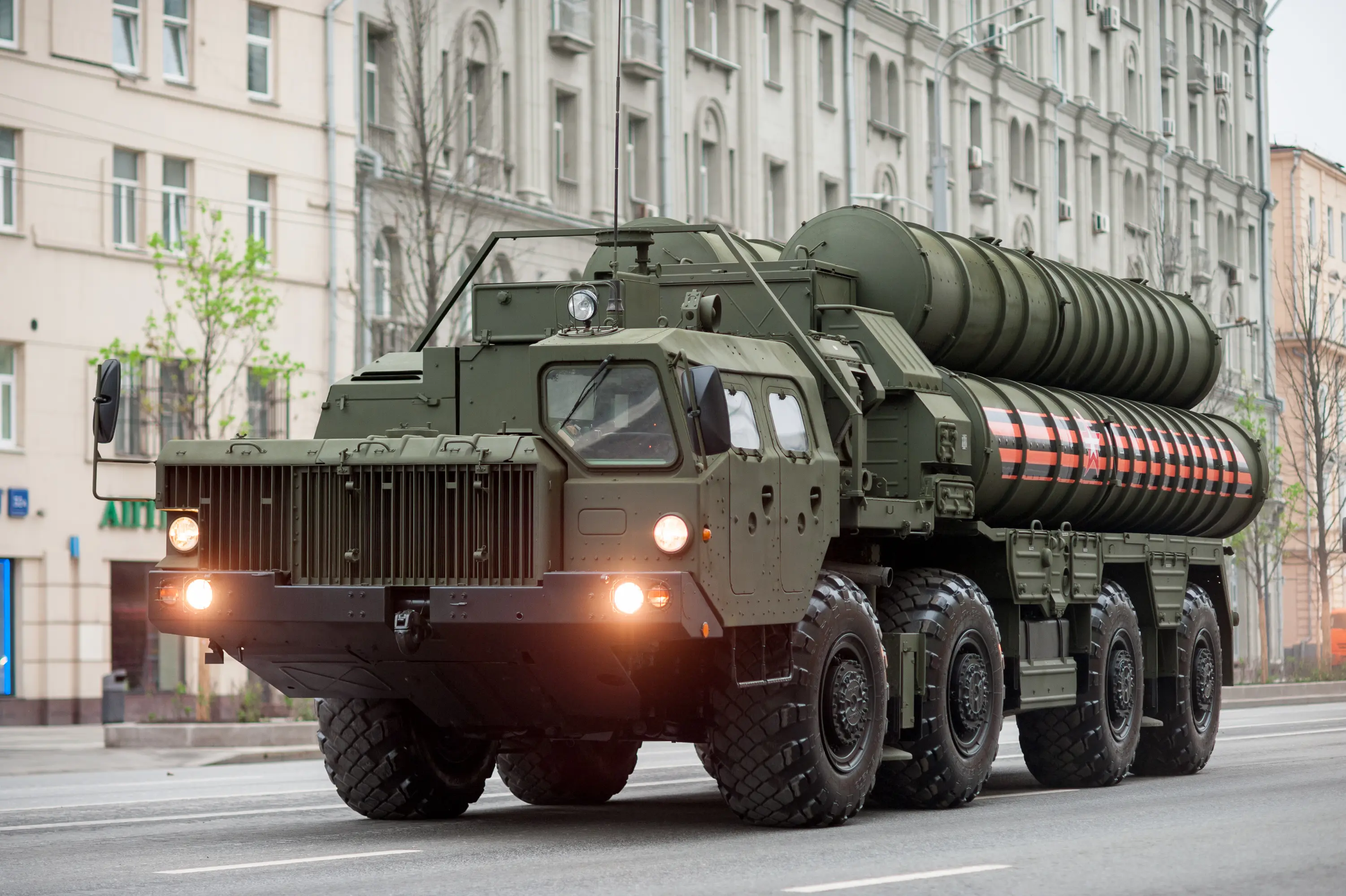
Russia’s long-standing expertise in air-defence technology continues through systems such as the S-400 and the next-generation S-500 Prometey. The S-400, exported widely, can engage targets at ranges exceeding 400 km, while the S-500 is designed to intercept ballistic and hypersonic threats at much higher altitudes. Russia’s dense radar coverage and mobile launchers provide a deep, layered shield that protects its vast territory and enhances its strategic deterrence.
China
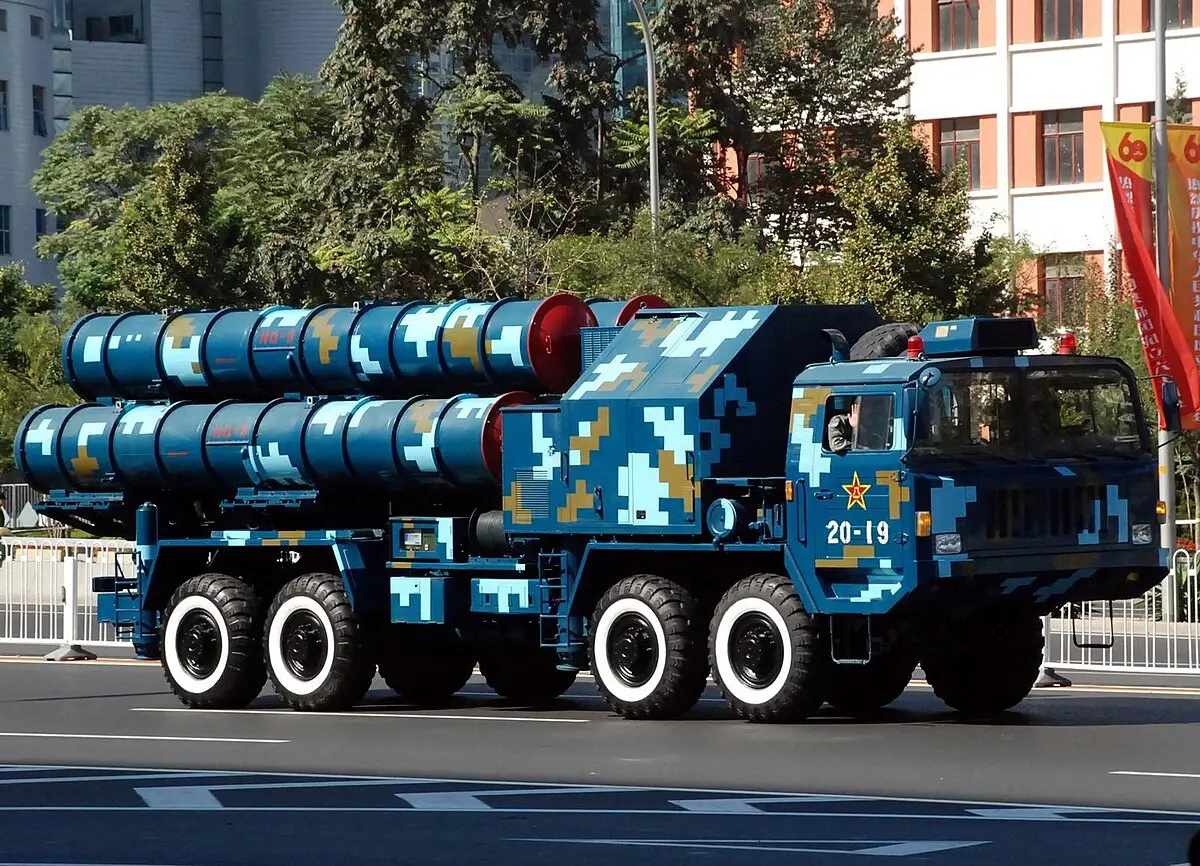
China has made rapid strides in building a sophisticated, indigenous air-defence network. Its HQ-9 and HQ-22 systems form the backbone of a layered network designed for long-range interception and protection of key assets. China has integrated advanced radar systems and command links, extending its defensive reach over the South and East China Seas. With large-scale deployment and growing production capacity, Beijing is narrowing the technological gap with Western systems.
Israel
Israel’s air-defence systems are renowned for real-world effectiveness. Its three-tier structure includes Iron Dome for short-range rockets, David’s Sling for medium-range threats, and Arrow for long-range ballistic missile defence. These systems have demonstrated exceptional accuracy in combat, intercepting thousands of projectiles in live conditions. The integration of radar, command, and launch units provides near-seamless coverage and quick response times.
India
India has steadily developed one of Asia’s most advanced air-defence networks. The country currently operates the Russian S-400 system alongside indigenous platforms like Akash and the Indo-Israeli Barak-8. This multi-layered network defends against both aircraft and missile threats.
Following the success of Operation Sindoor, where India’s integrated air-defence and strike capabilities demonstrated exceptional coordination and effectiveness against enemy aerial threats, the nation has accelerated its push toward achieving complete self-reliance in air warfare systems. India is investing in future systems, including the DRDO-led long-range surface-to-air missile and an indigenous ballistic missile shield. While still catching up to the world’s top-tier defences, India’s progress signals growing self-reliance and strategic depth.
France, United Kingdom, Japan, and South Korea
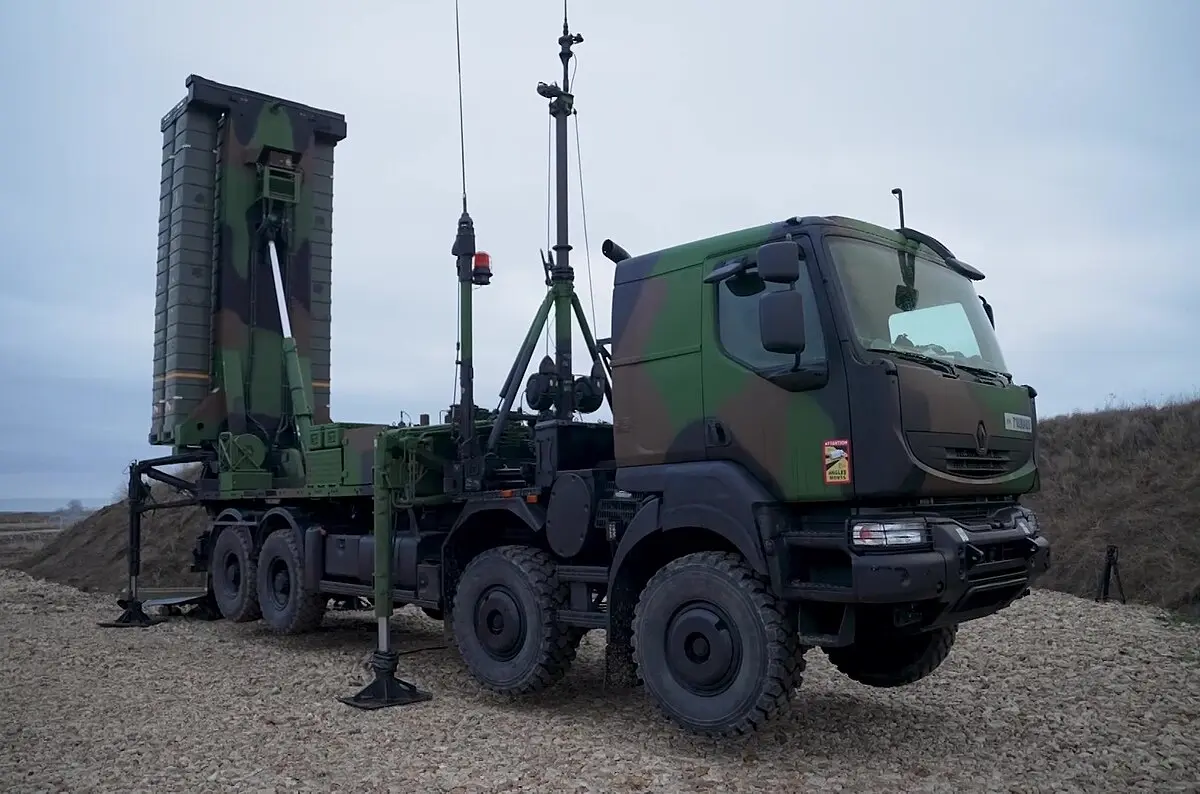
France operates the SAMP/T Aster system, known for its mobility and precision, while the United Kingdom’s integration of Aster-based Sea Viper defences and participation in NATO’s missile shield enhances its reach. Japan has focused on layered defences using Patriot PAC-3 and Aegis systems, while South Korea’s KAMD (Korean Air and Missile Defence) network continues to expand with both domestic and imported technologies. These nations maintain highly capable, region-specific air shields that strengthen allied security networks.
The global air-defence hierarchy
Today, United States, Russia, China, and Israel dominate the global air-defence landscape through advanced technology and operational readiness. India’s steady rise, fuelled by indigenous development and strategic partnerships, places it firmly among the world’s leading nations. As aerial threats evolve, from hypersonic weapons to drone swarms, the ability to detect, decide, and destroy within seconds will remain the true measure of air power supremacy.
)
)
)
)
)