Top 7 countries with the most Nobel Prize winners

The United States leads with the highest number of Nobel Prize winners, followed by the United Kingdom and Germany. These countries have made significant contributions in science, literature, peace, and economics, shaping global progress through their outstanding laureates over many years.
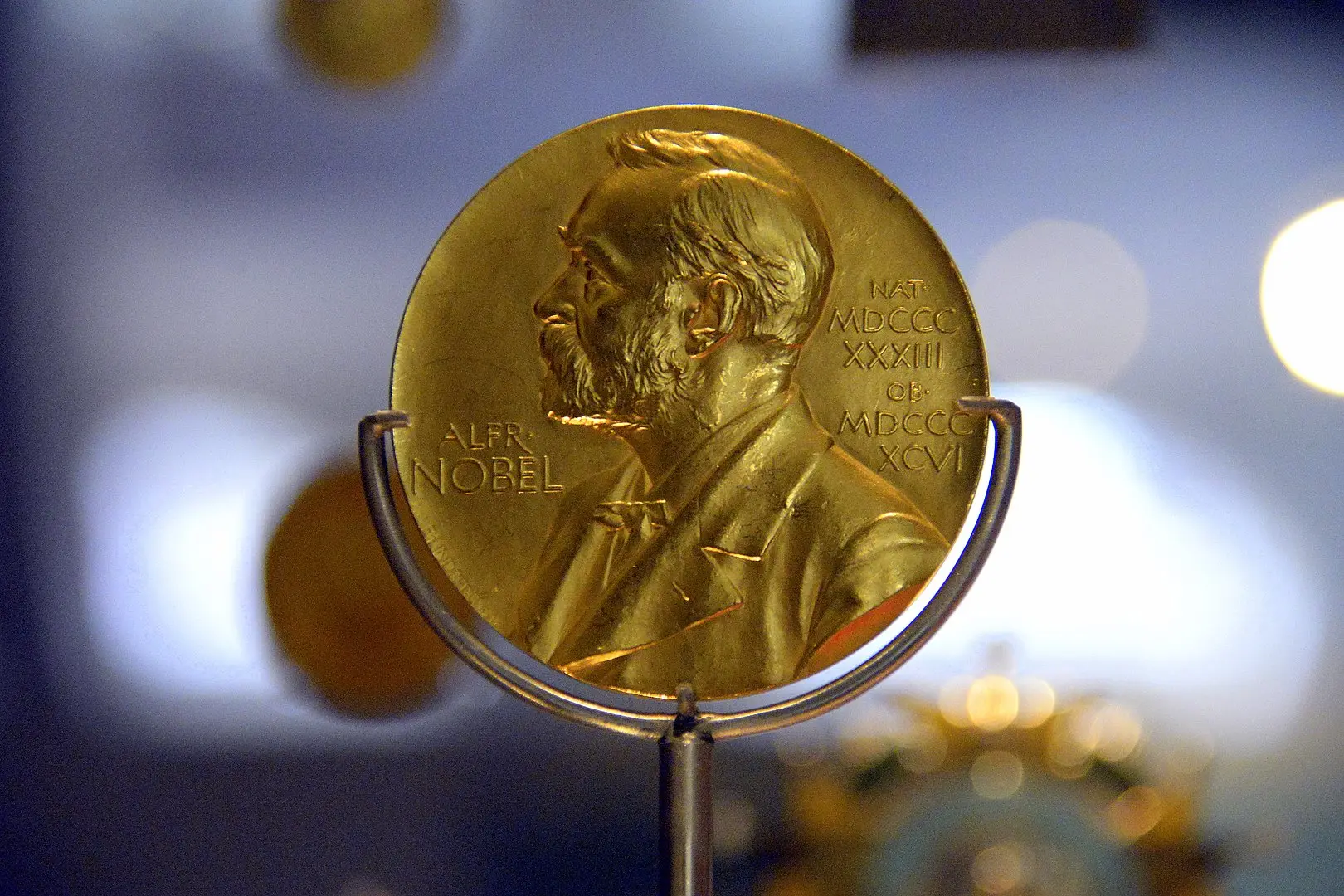
United States
The United States leads with 423 Nobel Prize winners. It has produced pioneers in science, peace, and literature across more than a century. The country remains a global centre of research and innovation.
United Kingdom
The UK ranks second with 143 laureates. British winners include key figures in medicine, literature, and economic sciences. The UK has a long history of contributing to global knowledge and progress
Germany
Germany holds third place with 115 Nobel laureates. The country is known for advancements in physics, chemistry, and medicine, shaping scientific understanding worldwide.
France
France has 76 Nobel Prize winners. It has a strong legacy in peace efforts, literature, and scientific research. French laureates have shaped culture and knowledge globally.
Sweden
Sweden follows with 34 Nobel laureates, including many founding contributors to the awards. Its traditions in science and welfare influence its high rankings.
Japan
Japan has produced 31 laureates. It is renowned for breakthroughs in physics, chemistry, and medicine. Japan’s innovation drives its global Nobel presence.
Russia
Russia has 31 Nobel winners, with significant impact in peace, science, and literature. Russian laureates reflect the country’s scientific and cultural heritage
)
)
)
)
)