Top 7 aircraft carrier jets that changed naval warfare forever

From the piston-engine fighters of World War II to today’s stealth jets, these aircraft have extended a nation’s reach far beyond its shores.
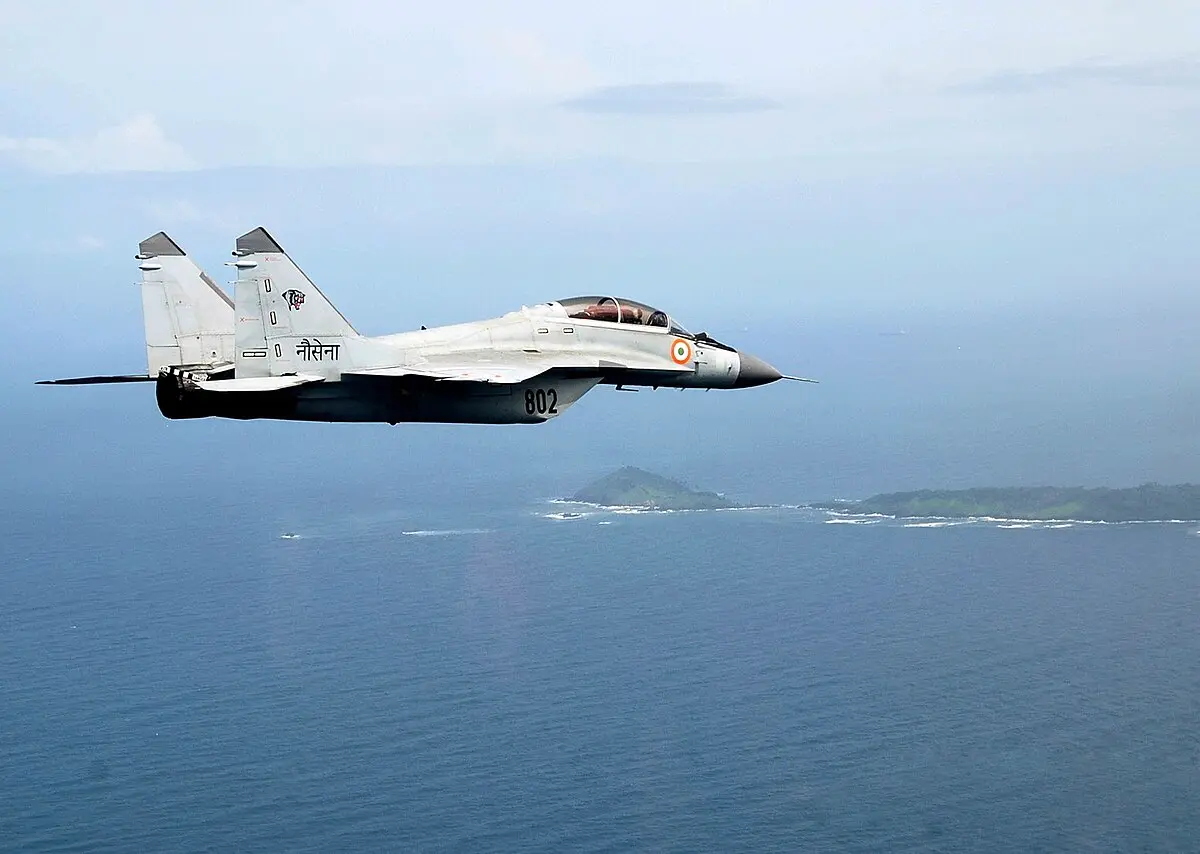
Wings of the Fleet
For over a century, carrier-based aircraft have defined modern naval warfare, transforming the oceans into contested airspaces. From the piston-engine fighters of World War II to today’s stealth jets, these aircraft have extended a nation’s reach far beyond its shores. Their ability to take off from and land on moving decks turned aircraft carriers into mobile airbases, forever changing the balance of maritime power.
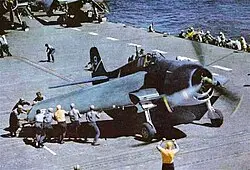
1. Grumman F6F Hellcat (United States)
The F6F Hellcat was the workhorse of the US Navy during the Second World War. Designed to counter Japan’s Mitsubishi A6M Zero, the Hellcat combined rugged construction with overwhelming firepower. It achieved over 5,000 aerial victories in the Pacific Theatre, more than any other Allied naval aircraft. Its reliability, long range, and ease of maintenance made it a pilot’s favourite and the backbone of American carrier aviation from 1943 onwards.
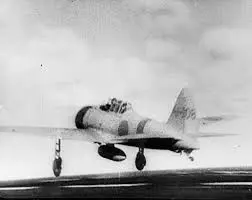
2. Mitsubishi A6M Zero (Japan)
Japan’s A6M Zero revolutionised naval air combat in the early 1940s. Exceptionally manoeuvrable and long-ranged, it dominated the skies during the first phase of the Pacific War. Operating from carriers like Akagi and Kaga, the Zero stunned Allied pilots with its agility and precision. However, its lack of armour and self-sealing fuel tanks made it vulnerable as newer Allied aircraft appeared later in the war.
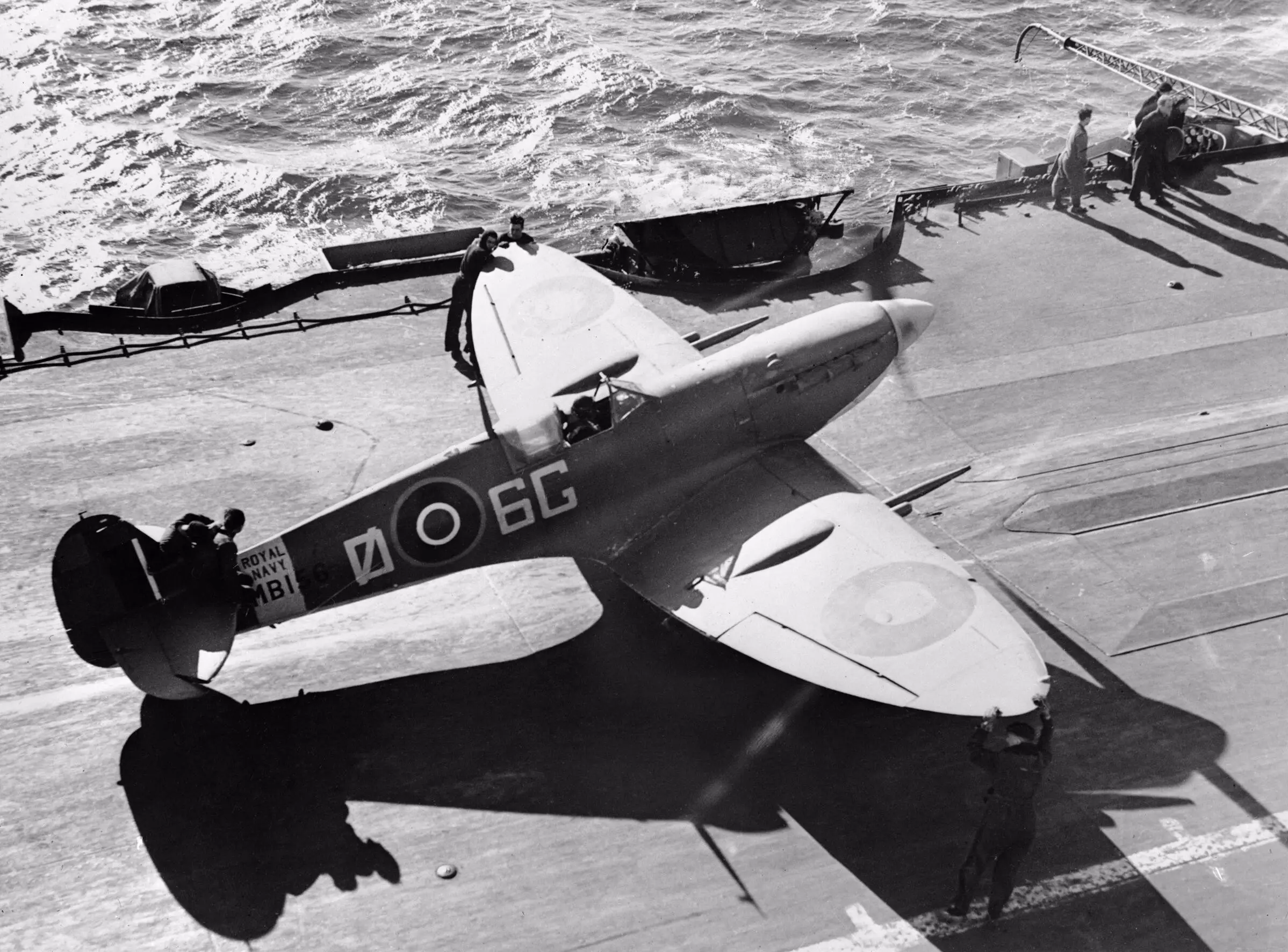
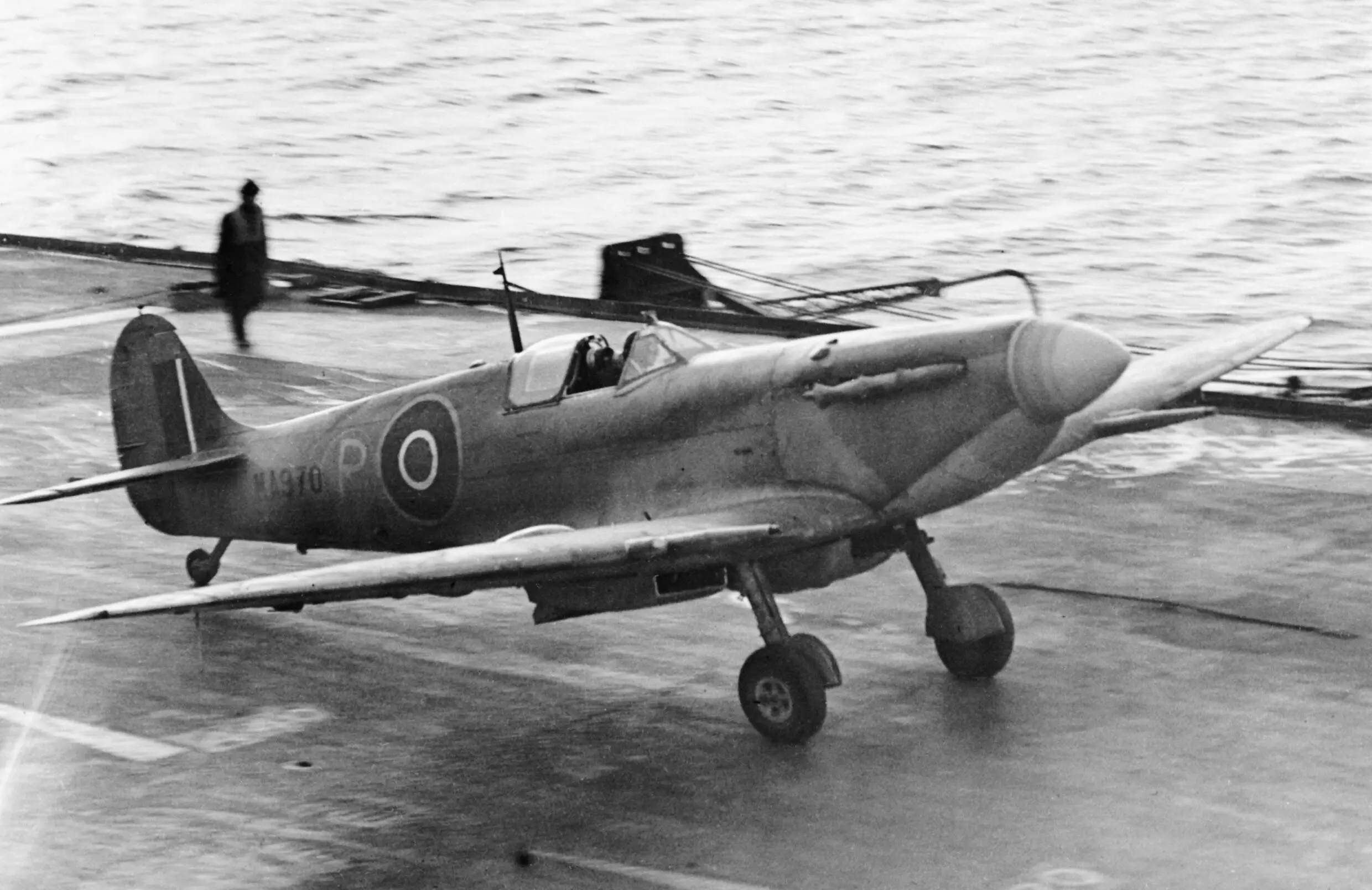
3. Supermarine Seafire (United Kingdom)
Derived from the legendary Spitfire, the Supermarine Seafire was Britain’s answer to carrier-based air superiority. Modified with a reinforced undercarriage, tail hook, and folding wings, the Seafire operated from Royal Navy carriers in the Mediterranean and Pacific theatres. Though its narrow landing gear made deck operations difficult, its exceptional speed and climb rate ensured it remained a formidable presence wherever the Royal Navy deployed.
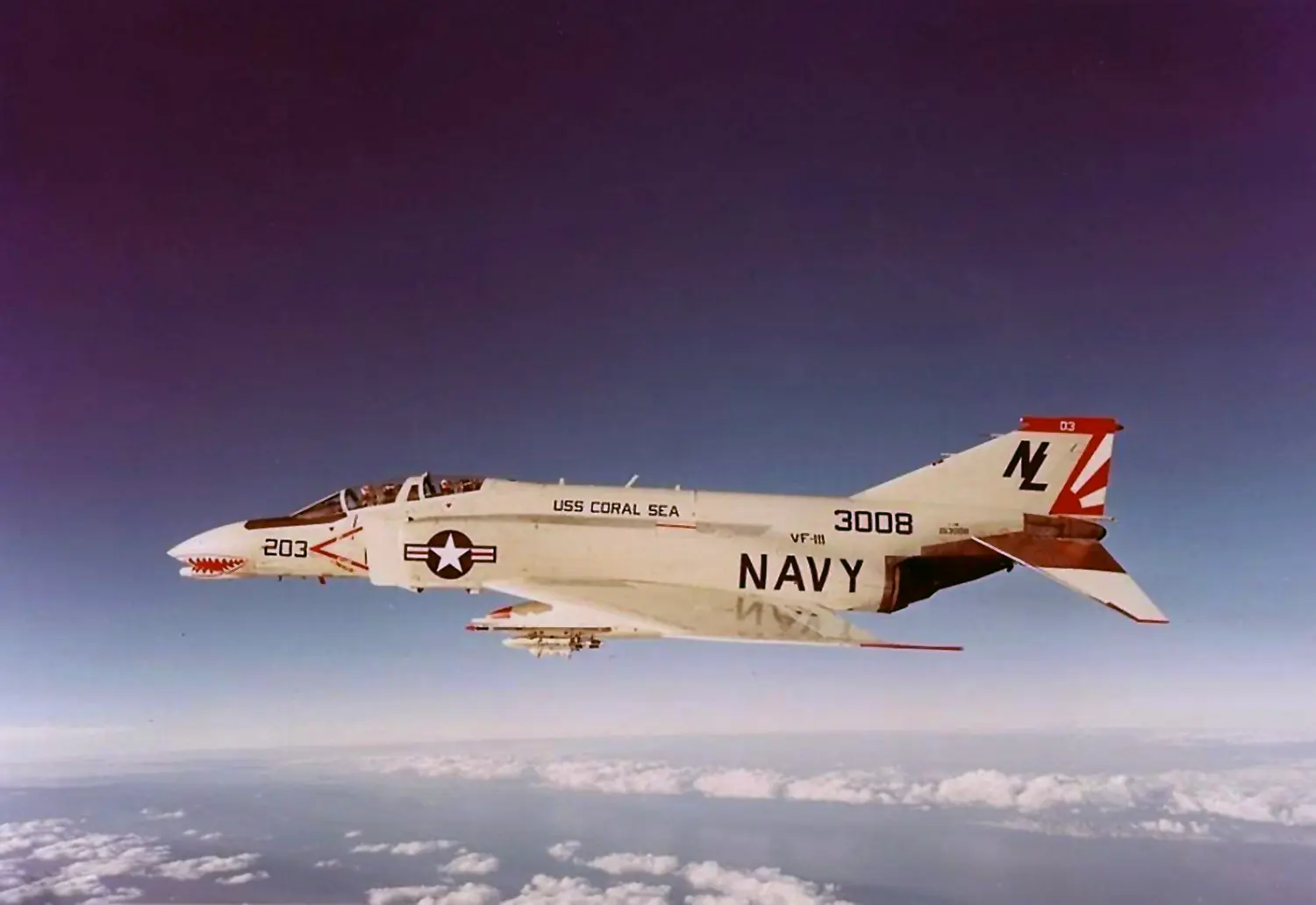
4. McDonnell Douglas F-4 Phantom II (United States)
The F-4 Phantom II epitomised Cold War naval air power. Capable of speeds over Mach 2, it served the US Navy, Marine Corps, and Air Force, as well as several allied navies. Operating from carriers like the USS Enterprise and Midway, it excelled in both air-to-air and ground-attack roles during the Vietnam War. Its versatility and technological sophistication made it one of the most widely used and respected carrier aircraft in history.
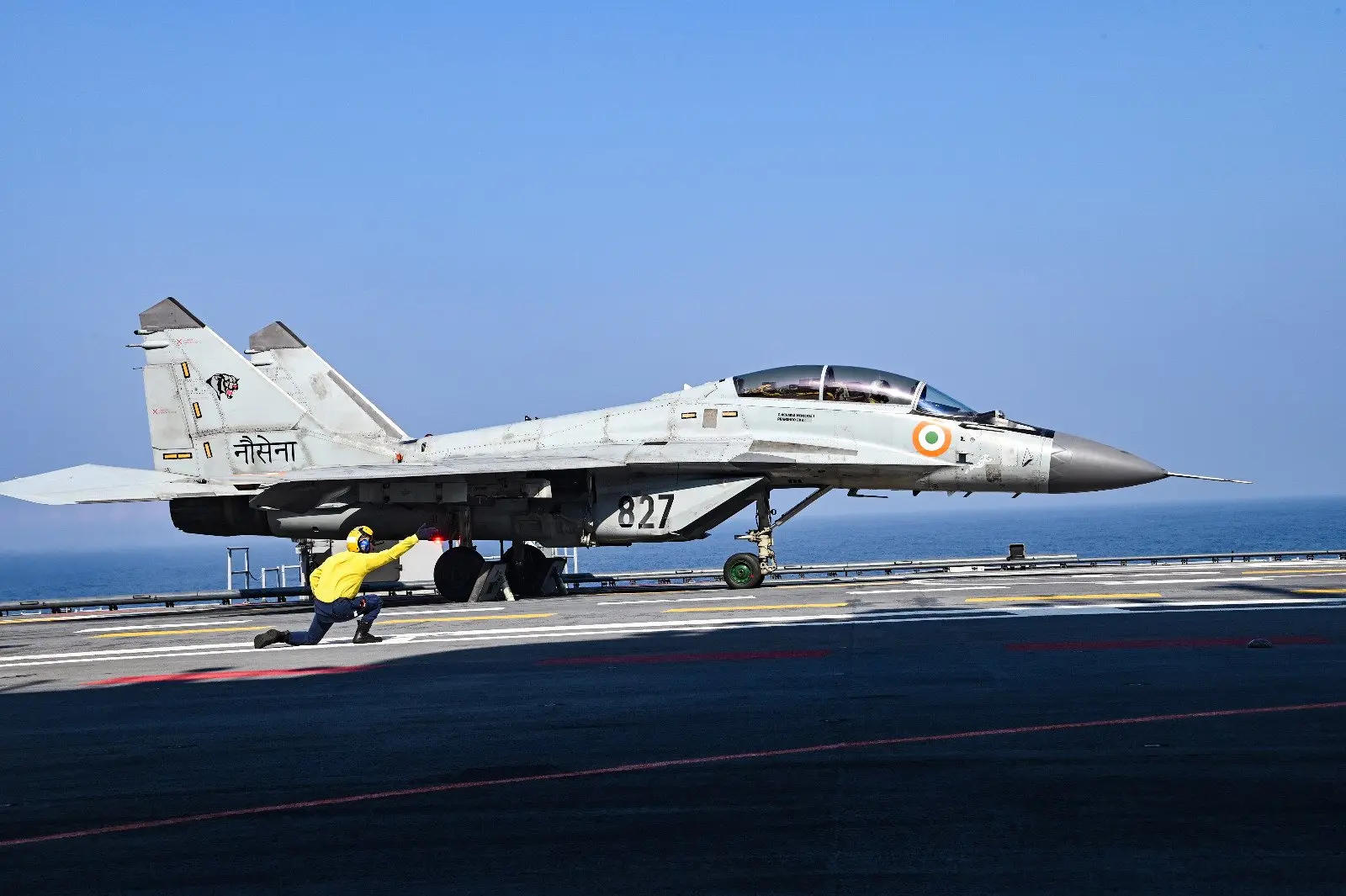
5. Mikoyan MiG-29K (Russia/India)
Developed as a navalised variant of the MiG-29, the MiG-29K represents modern multi-role capability. Operated by the Indian Navy from INS Vikramaditya and INS Vikrant, it can perform air superiority, anti-ship, and strike missions with advanced radar and missile systems. The aircraft’s deployment underscores India’s growing blue-water ambitions and technological collaboration with Russia.
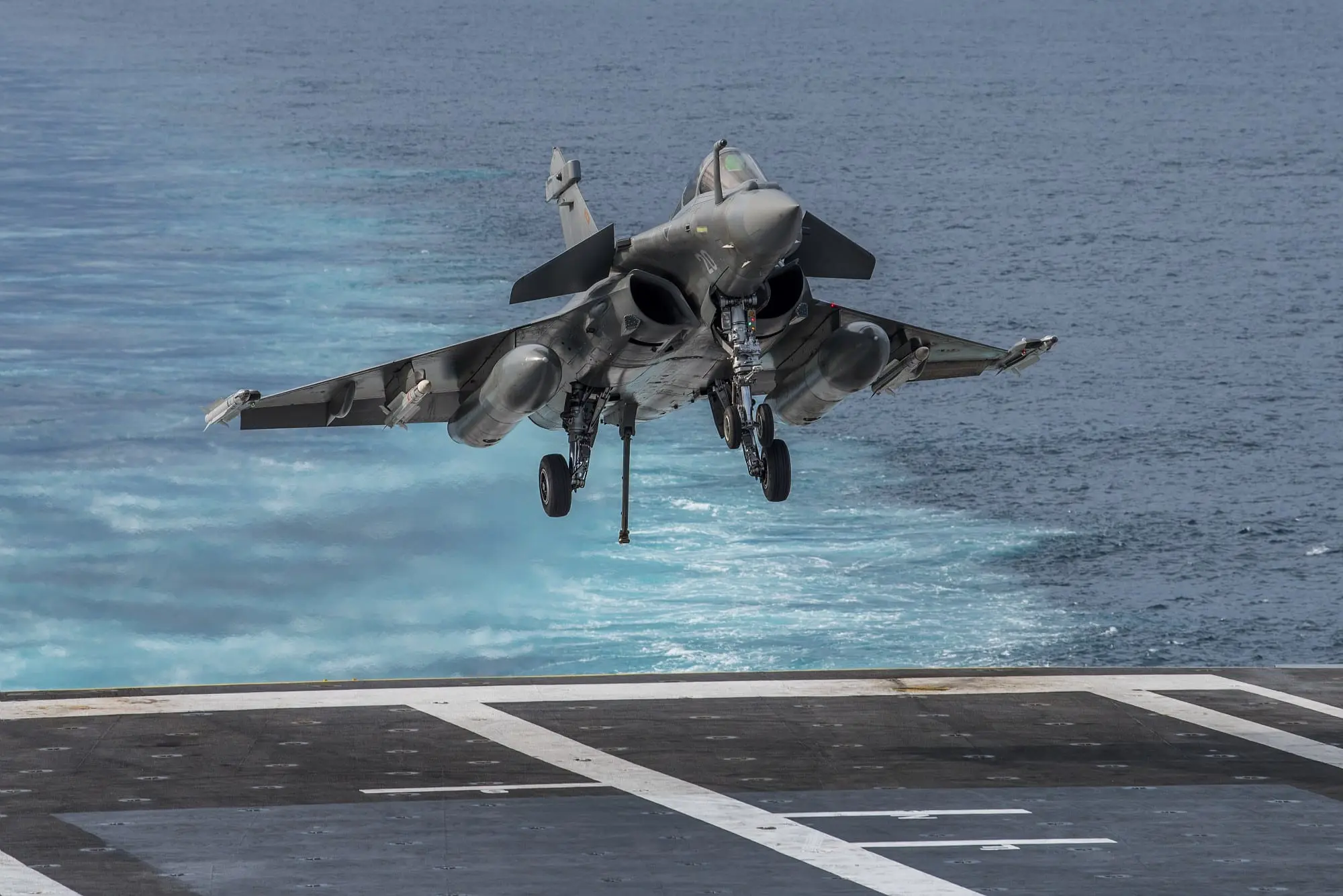
6. Dassault Rafale M (France/India)
The Rafale M is France’s flagship carrier-based fighter, capable of supersonic speeds and equipped for both air defence and precision strike roles. Designed for operations from the aircraft carrier Charles de Gaulle, it is also set to join India’s naval fleet as part of the Rafale-Marine deal. Its versatility and ability to integrate cutting-edge weapons like the Meteor missile make it a symbol of next-generation carrier aviation.

7. F-35C Lightning II (United States)
The F-35C, the carrier variant of the F-35 family, represents the future of naval aviation. Featuring stealth design, advanced sensors, and networked combat capabilities, it operates from US Navy supercarriers such as the USS Gerald R. Ford. It can perform reconnaissance, electronic warfare, and precision strike missions with unmatched efficiency, embodying the transition from conventional warfare to digital-era combat.
Legacy of Airborne Power
From the propeller-driven fighters of World War II to today’s stealth jets, these aircraft have embodied the evolution of naval air power. Each era’s carrier-based aircraft redefined what was possible at sea, extending reach, dominance, and deterrence.
)
)
)
)
)