Top 5 fighter jets that broke speed records

These record-breaking jets, NASA X-43, X-15, SR-71 Blackbird, MiG-25 Foxbat, and F-15 Eagle, didn’t just fly fast; they shattered limits. Each one rewrote the rules of speed, leaving behind a trail of mystery and engineering marvel.
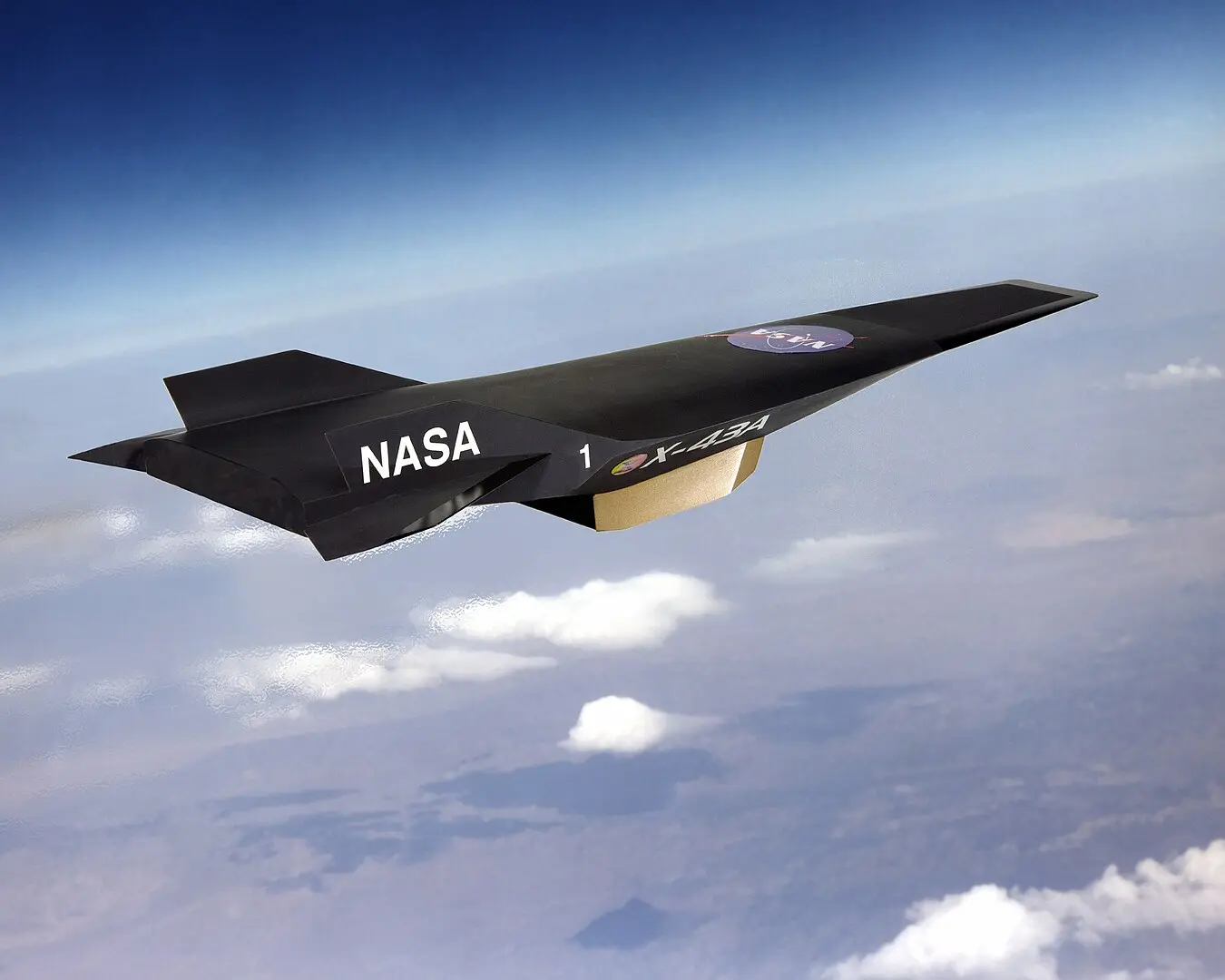
1. NASA X-43
The experimental NASA X-43 remains the fastest aircraft ever built. Powered by a scramjet engine, it reached speeds of Mach 9.6 (approximately 11,850 km/h) during a test flight in 2004. The aircraft was unmanned and air-launched from a Boeing B-52 before completing its brief but record-breaking flight.
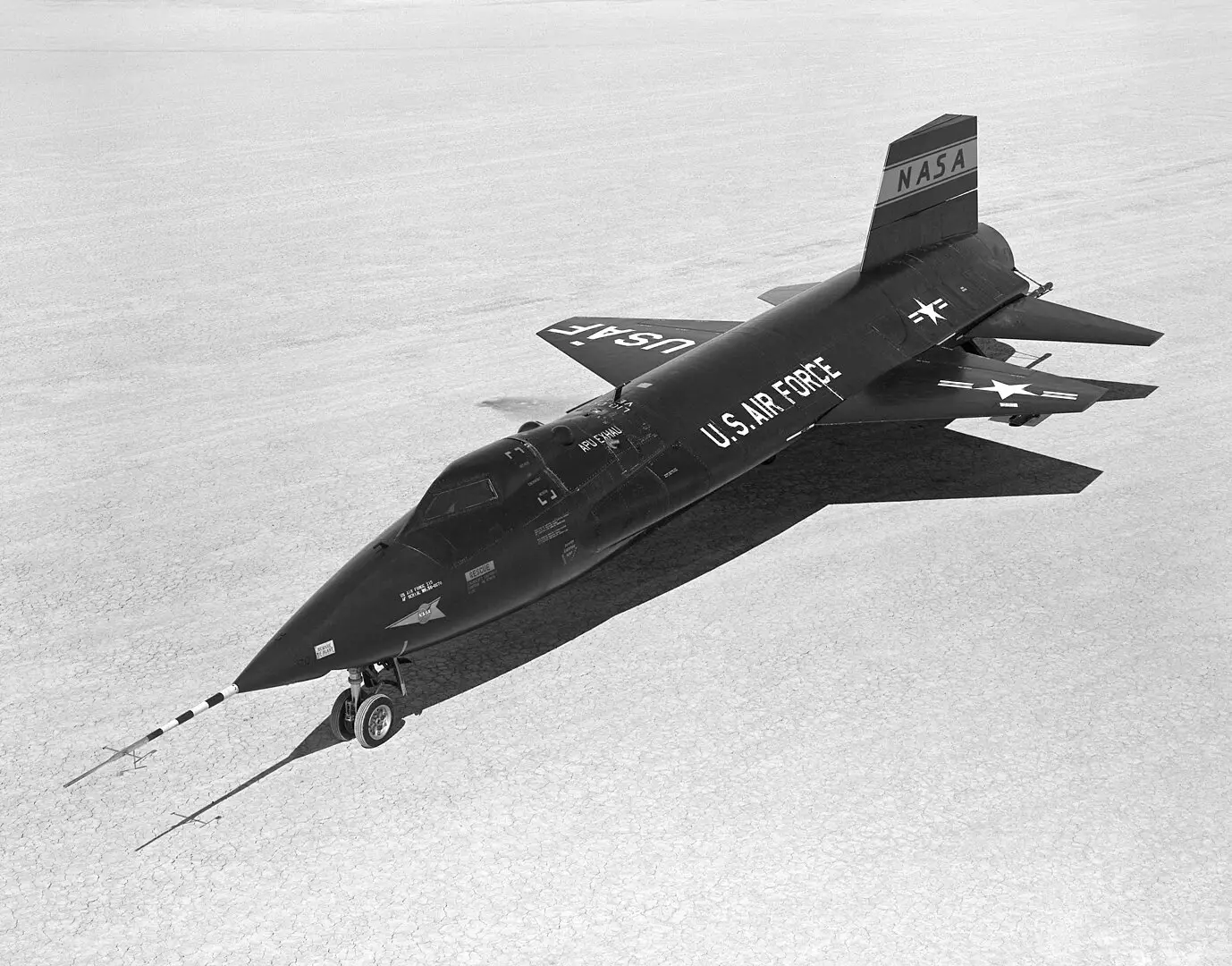
2. North American X-15
The X-15, developed by NASA and the US Air Force in the 1960s, set a manned airspeed record of Mach 6.7 (7,274 km/h). Piloted by William “Pete” Knight in 1967, it became the first aircraft to cross into the edge of space. The data gathered from the X-15’s flights helped design future spacecraft.
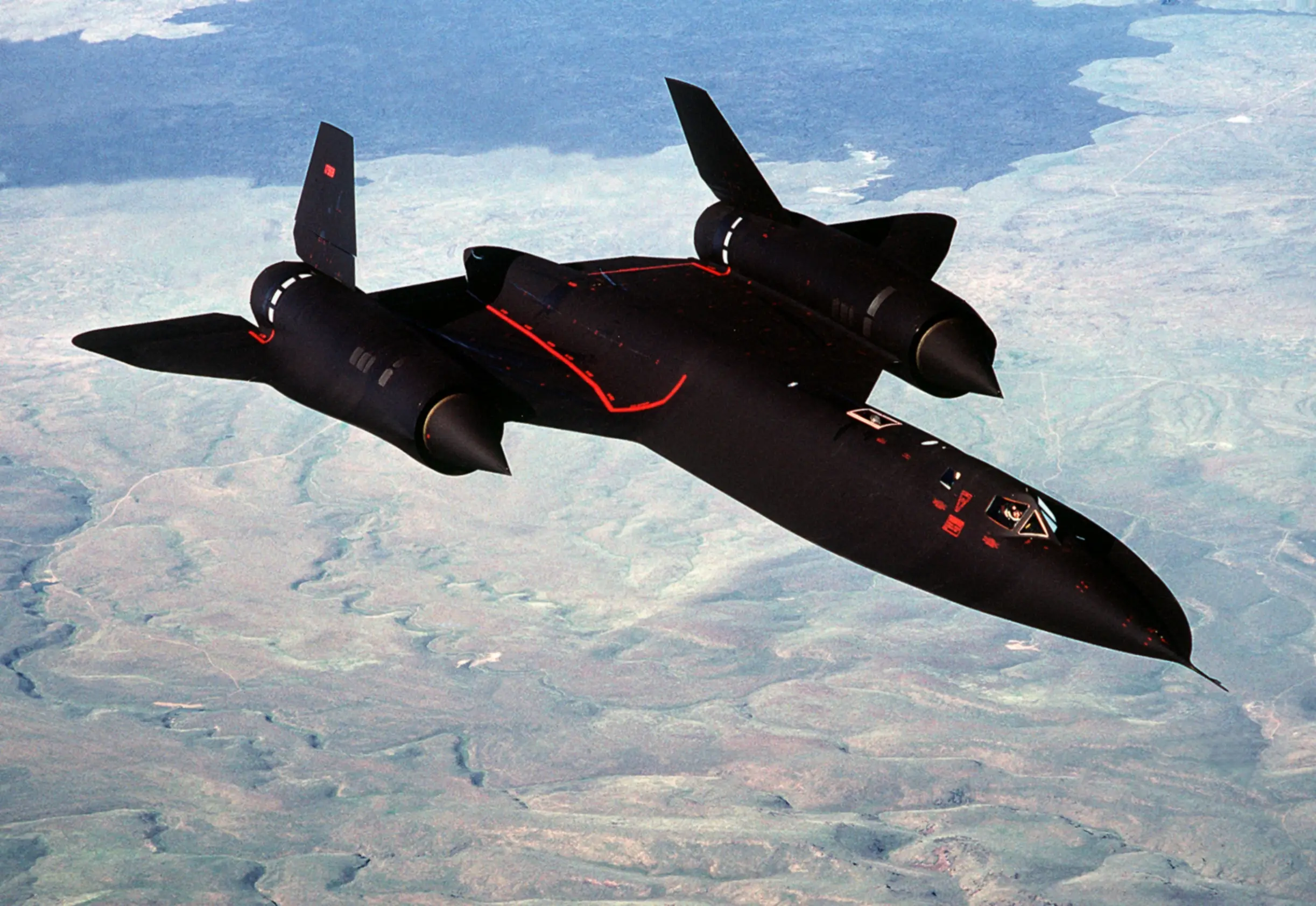
3. Lockheed SR-71 Blackbird - The Ultimate Spy Plane
Known as the “Blackbird,” this reconnaissance jet could cruise comfortably at Mach 3.3 (3,529 km/h). It set multiple records, including the fastest sustained flight by a manned jet. Designed for high-altitude missions, the Blackbird operated at 85,000 feet, outrunning threats during the Cold War.
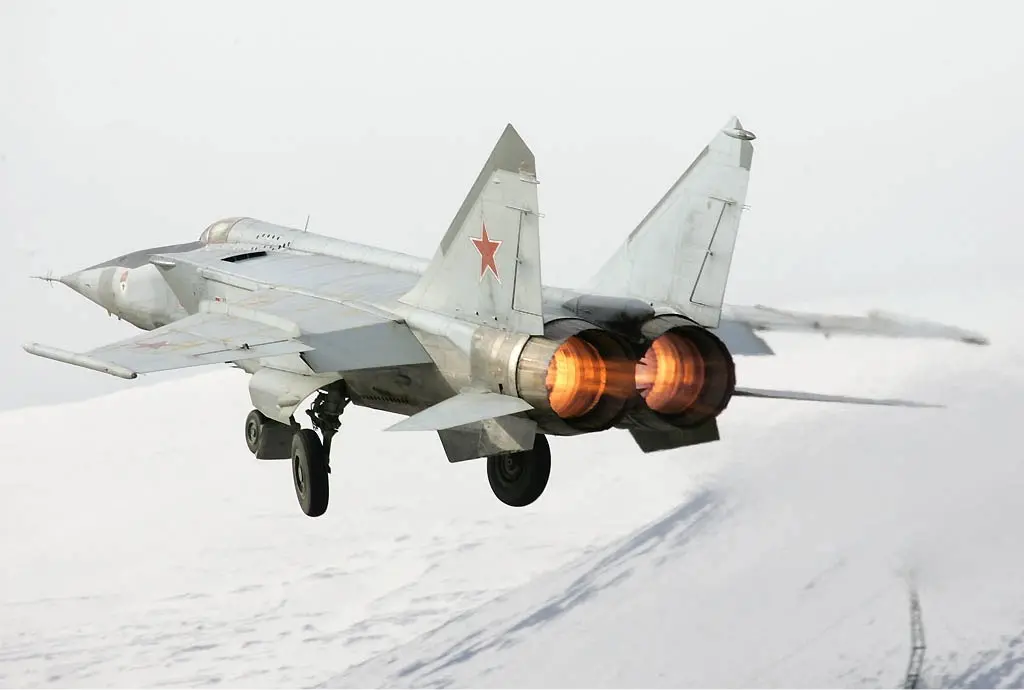
4. Mikoyan-Gurevich MiG-25 “Foxbat”
The MiG‑25 “Foxbat” was a Soviet interceptor built for extreme speed, able to reach Mach 3.2 (3,400 km/h). Designed to counter U.S. bombers, it climbed to over 80,000 ft, earning a fearsome reputation for sheer acceleration and power.
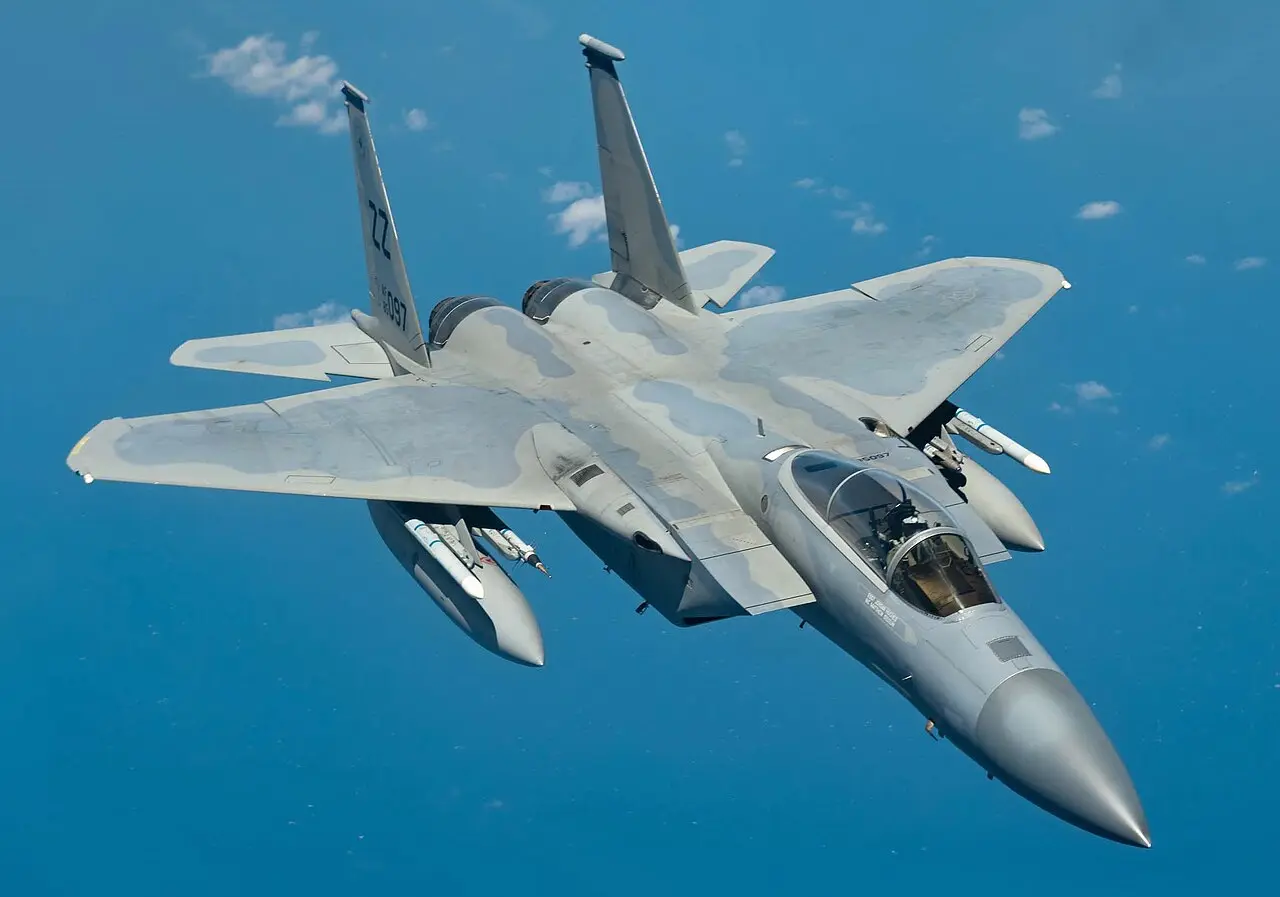
5. McDonnell Douglas F-15 Eagle
The F‑15 Eagle combined speed and agility, flying at Mach 2.5 (2,655 km/h) and climbing to 65,000 ft. Its unmatched thrust‑to‑weight ratio and combat record made it a dominant air‑superiority fighter for over four decades.
)
)
)
)
)