Top 5 countries that still have absolute monarchies

Absolute monarchies are rare today, but five countries still have rulers with full control. From Saudi Arabia’s King to the Pope in Vatican City, these monarchs make all major decisions.
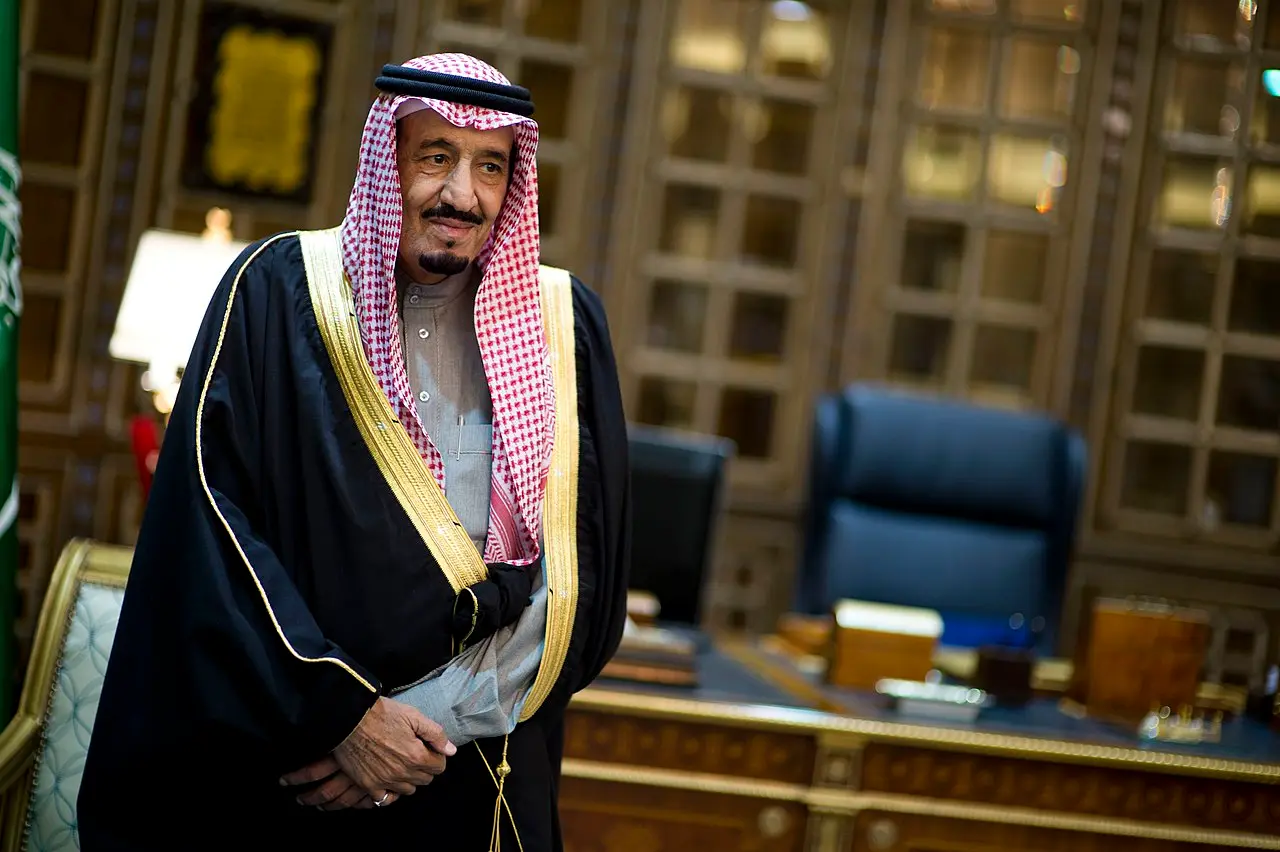
Saudi Arabia
Saudi Arabia is a leading example of an absolute monarchy. The King holds supreme power over law, economy, and government. There is no written constitution and governance is based on Islamic law.
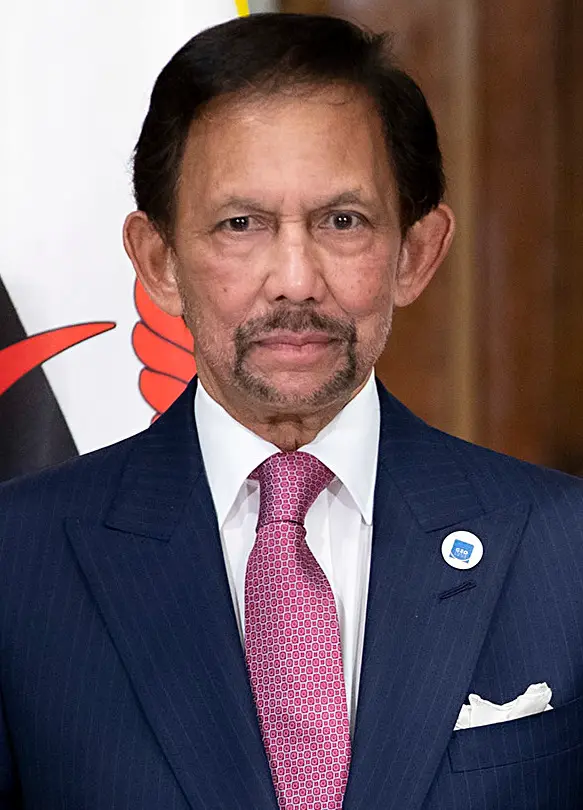
Brunei
Sultan Hassanal Bolkiah has ruled Brunei since 1967 with full control. The Sultan acts as head of state and government, running the country’s affairs without elections. Brunei’s oil wealth supports generous social services.
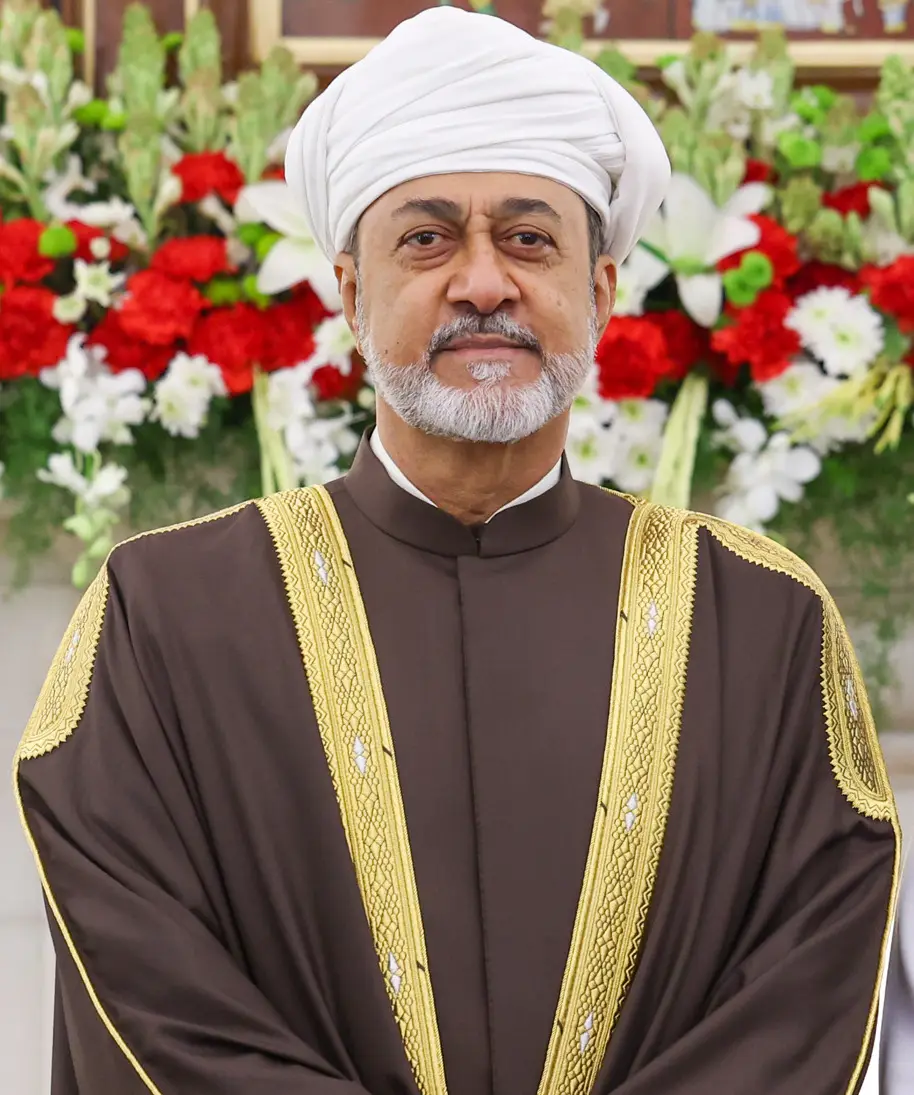
Oman
Sultan Haitham bin Tariq Al Said leads Oman with complete authority over politics and military. Oman's advisory council only gives advice and cannot overrule decisions. The Sultan balances tradition and progress.
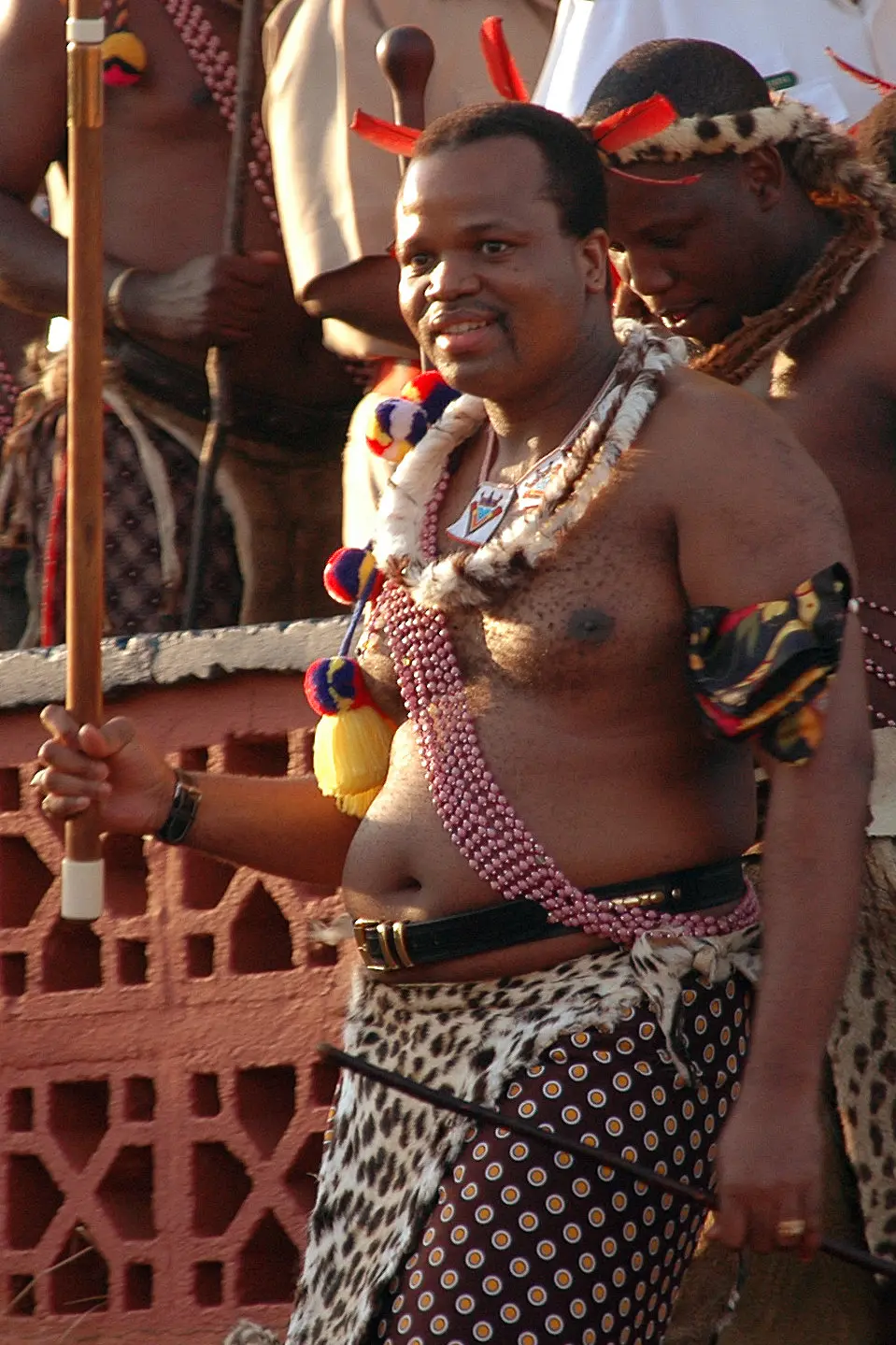
Eswatini (Swaziland)
Eswatini is Africa's last absolute monarchy. King Mswati III holds near-total power, appointing the prime minister and banning political parties. The monarchy is central to Eswatini’s culture and politics.
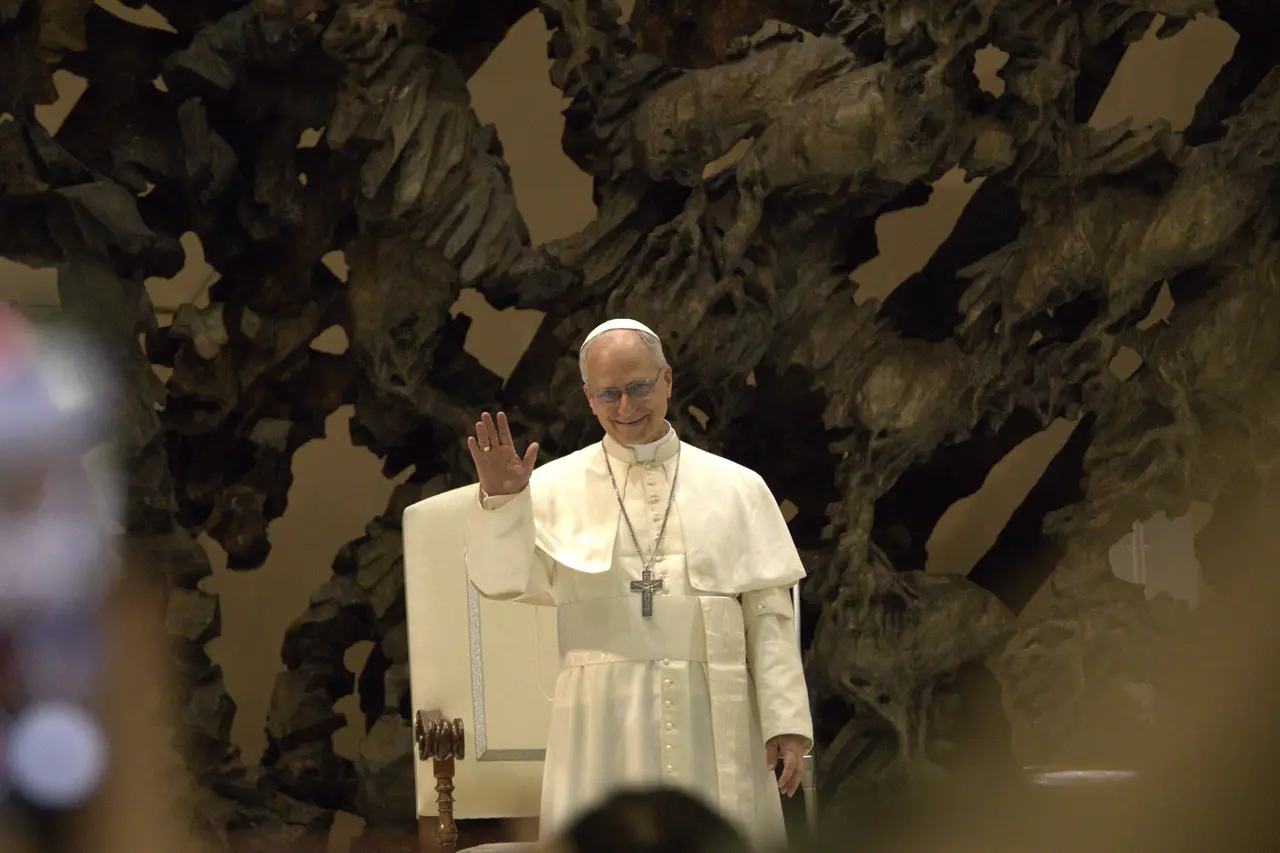
Vatican City
Vatican City is ruled by the Pope, currently Pope Leo XIV. The Pope holds supreme spiritual and state power. This makes Vatican City a unique absolute monarchy with authority over religious and civil matters.
)
)
)
)
)