Top 10 spacecraft designed for deep-space exploration

From the James Webb Space Telescope to the Voyager probes, deep-space spacecraft have transformed our understanding of the universe. These missions explore distant planets, interstellar space and the Sun itself, pushing human technology beyond Earth’s limits.
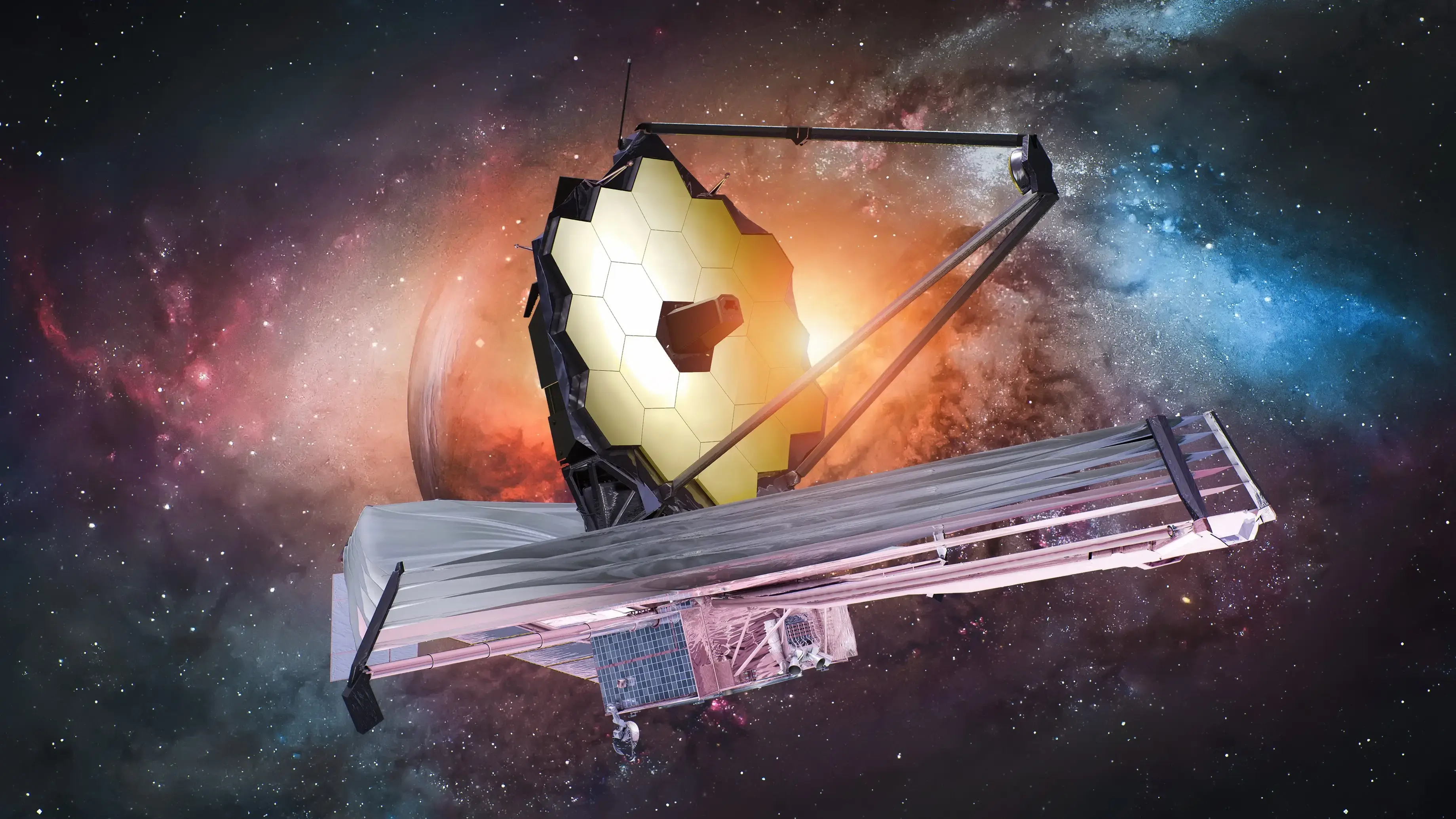
James Webb Space Telescope
James Webb orbits the Sun 1.5 million kilometres away at Lagrange Point L2 using infrared wavelengths detecting extremely distant galaxies formed during universe's earliest epochs according to NASA. Webb's 6.5-metre mirror enables observing objects at distances exceeding 13.6 billion light-years revealing galaxies formed mere hundreds of millions years after Big Bang. Webb launched December 2021 operating beyond Hubble's ultraviolet and visible light capabilities observing infrared wavelengths from 0.6 to 28 microns.
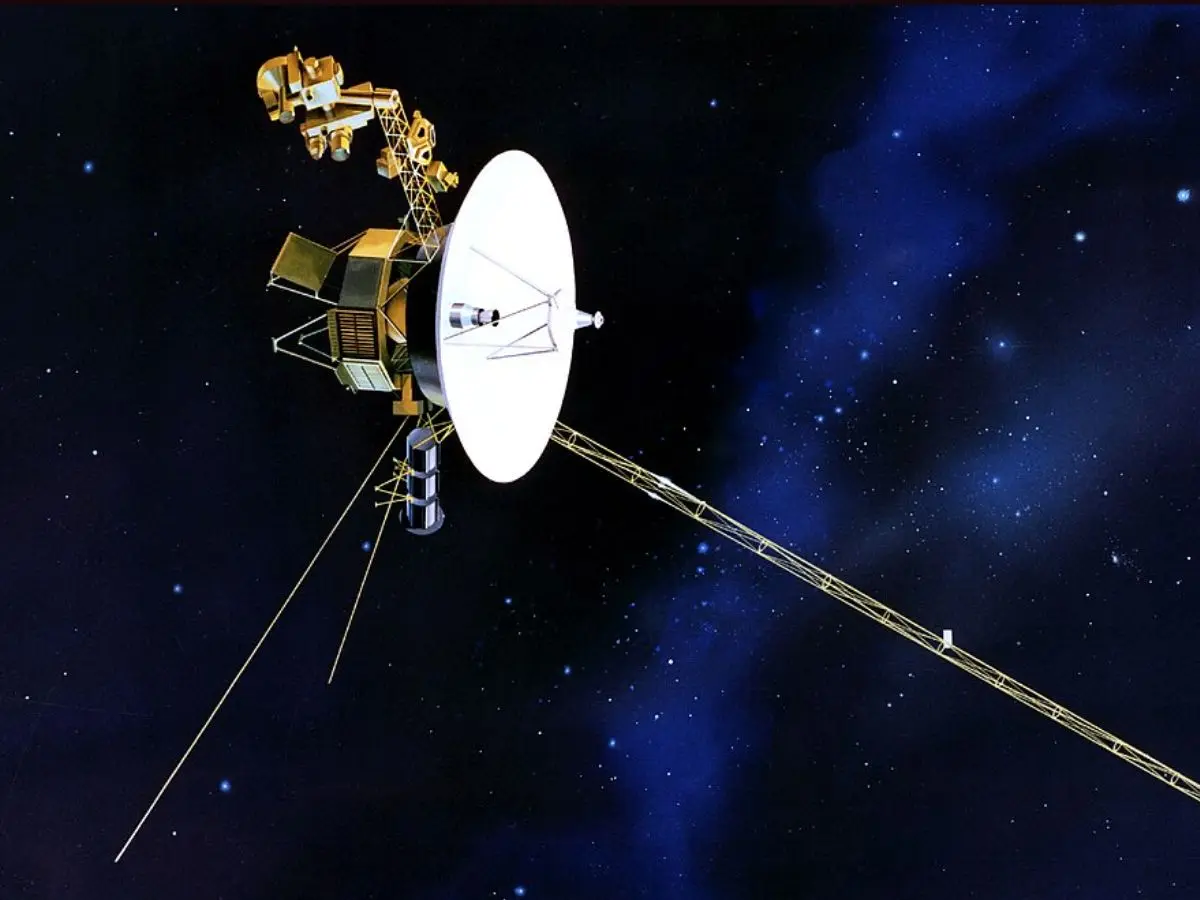
Voyager 1 - First Spacecraft Entering Interstellar Space August 2012
Voyager 1 launched 1977 exploring Jupiter and Saturn then continuing toward outer heliosphere boundaries crossing into interstellar space August 25 2012 becoming first human-made object reaching beyond Sun's heliosphere. Voyager 1 continues operating in 2026 transmitting scientific data from interstellar medium despite traveling 24 billion kilometres from Earth. Plasma wave subsystem detected oscillations confirming Voyager 1 entered increasingly dense plasma region confirming interstellar space entry.
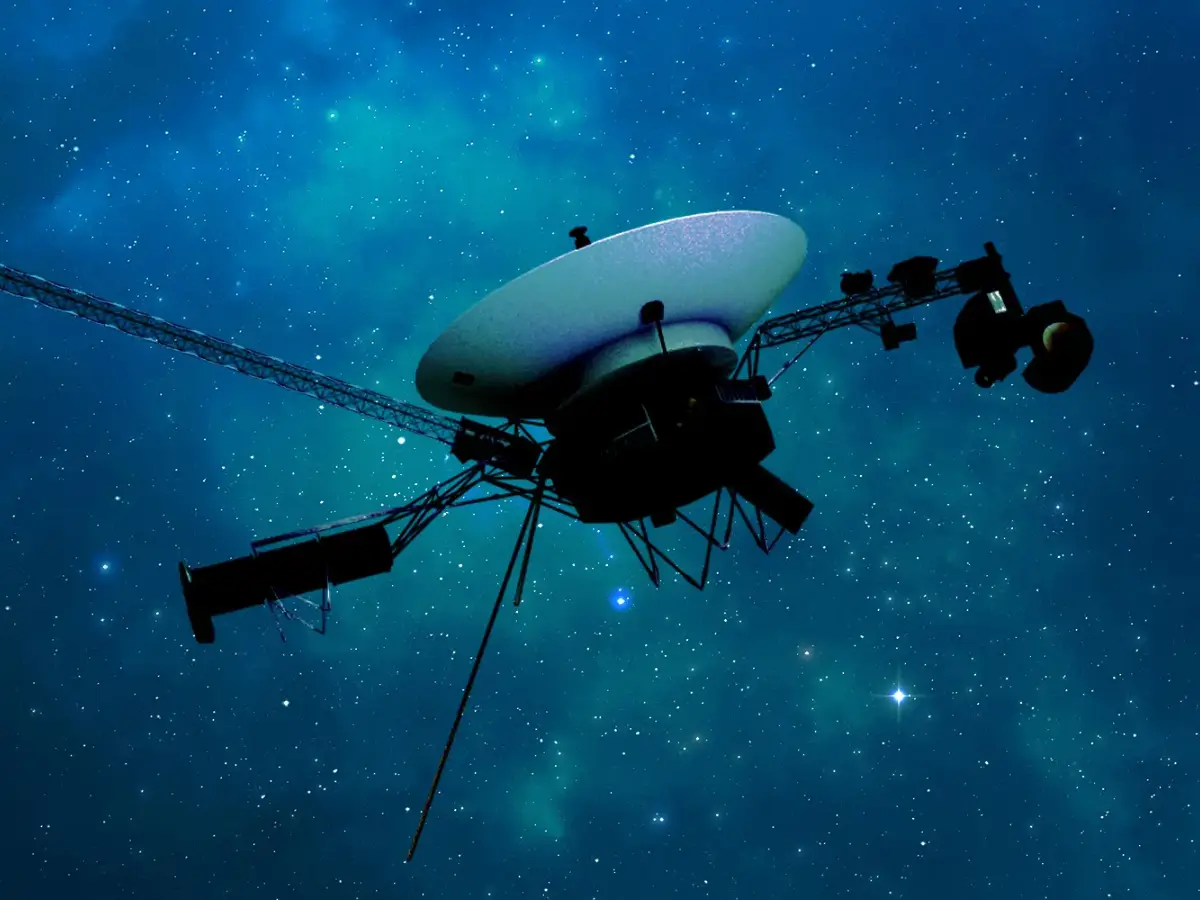
Voyager 2 - Second Interstellar Pioneer November 2018 Entry
Voyager 2 launched 1977 flew past Jupiter Saturn Uranus and Neptune then continued toward outer heliosphere entering interstellar space November 5 2018 according to NASA science documentation. Voyager 2 explored four giant planets discovering new moons and rings around Uranus and Neptune expanding scientific knowledge of outer solar system. Both Voyager spacecraft remain functioning sending data back Earth from beyond heliopause after nearly five decades operation.
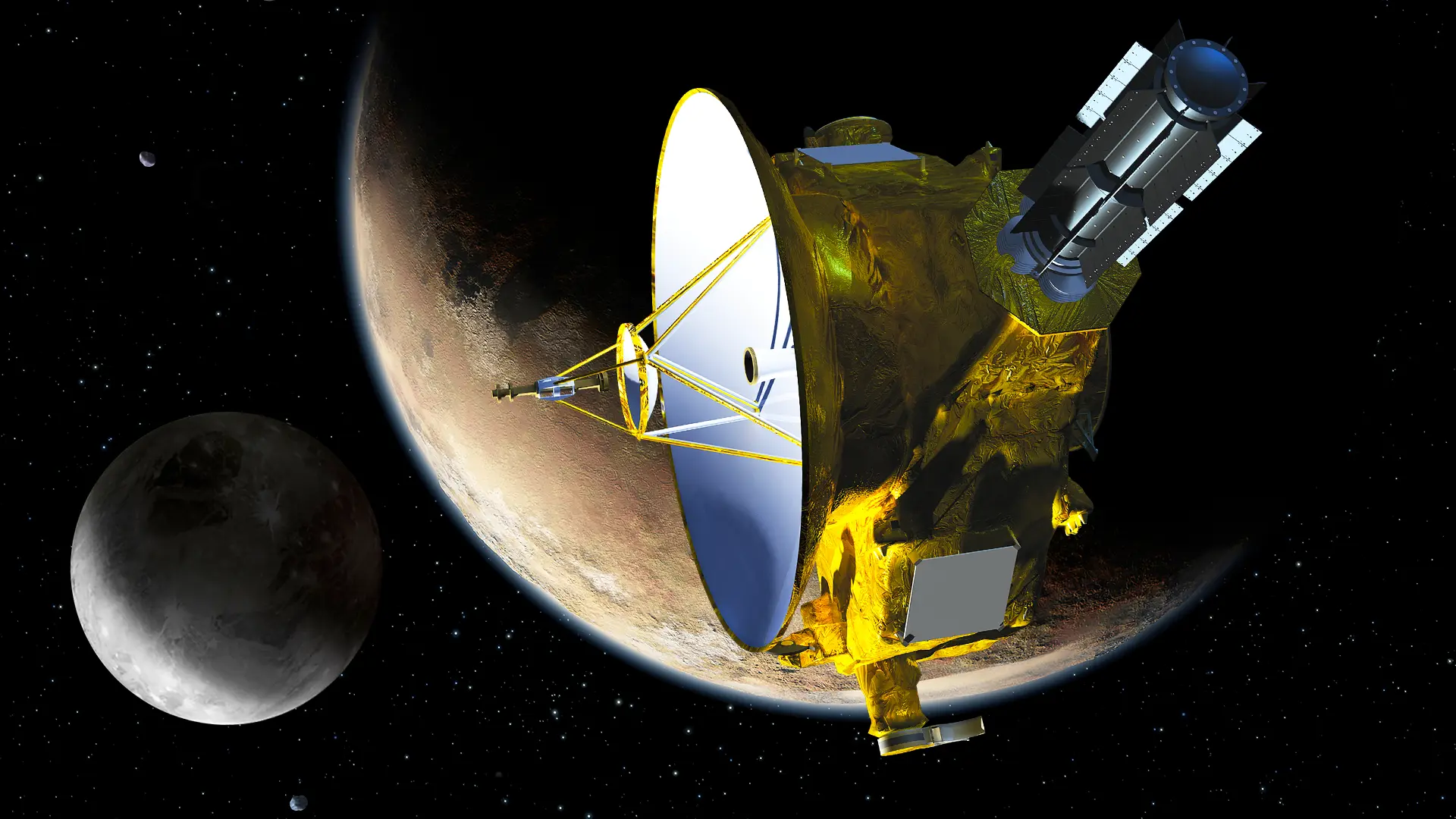
New Horizons - First Pluto Encounter July 2015 Closest Approach
New Horizons launched January 19 2006 becoming first spacecraft flying past Pluto on July 14 2015 passing within 7,750 miles of dwarf planet's surface revealing geologically diverse world. New Horizons discovered Pluto features nitrogen glaciers young mountains active atmospheric circulation and multiple moons including Charon showing potential frozen ocean and cryovolcano evidence. Mission extended reaching Kuiper Belt Object Arrokoth January 1 2019 becoming most distant spacecraft-visited object.
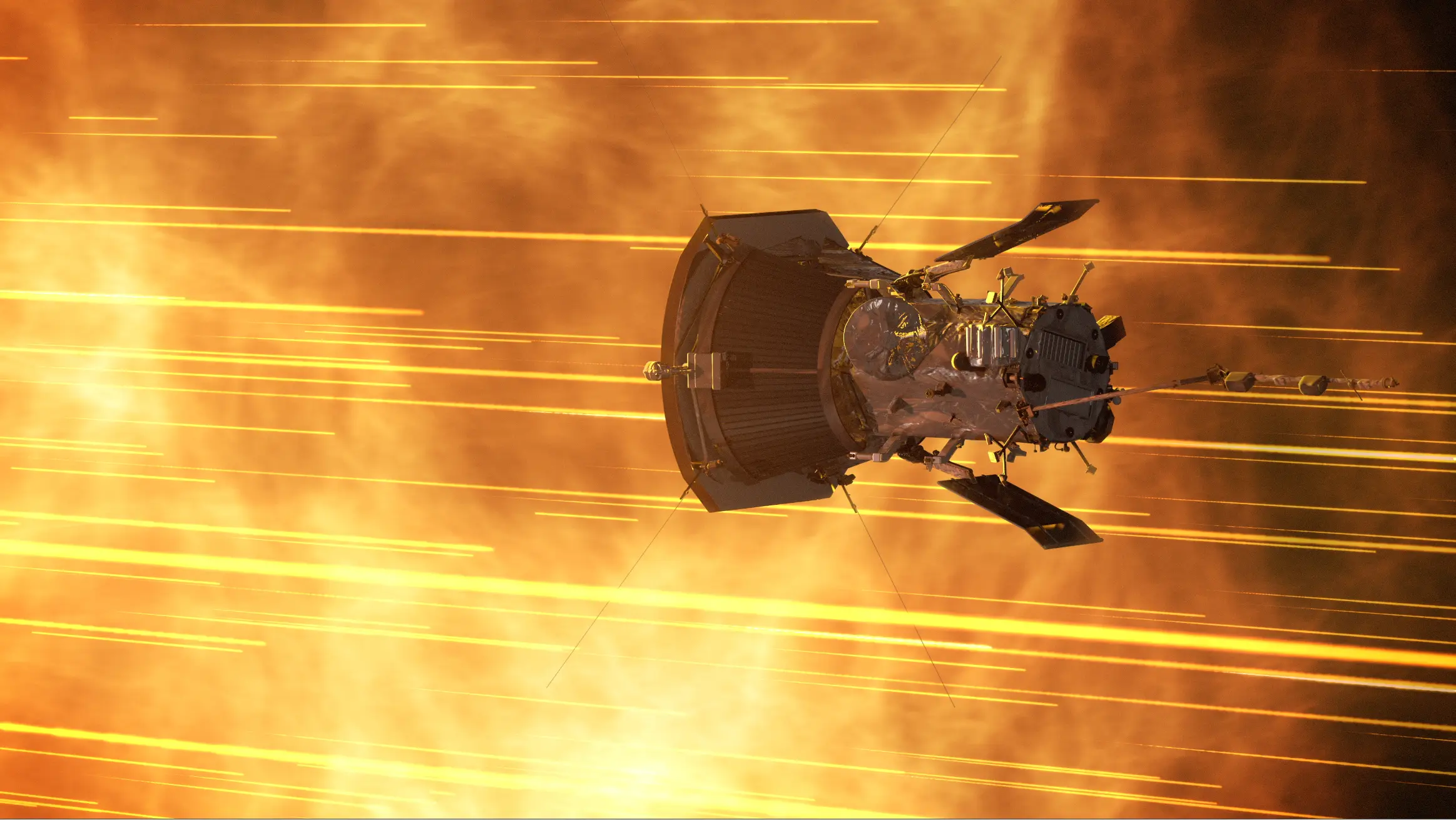
Parker Solar Probe - Closest Approach Sun 3.83 Million Miles Record
Parker Solar Probe launched 2018 approaching Sun closer than any human-made object establishing multiple records with closest approach 3.83 million miles during December 2024 encounter according to NASA achievement. Parker Solar Probe investigates solar wind plasma heating coronal mass ejections and magnetic field dynamics providing insights into Sun's corona reaching temperatures exceeding one million degrees Celsius. Spacecraft withstands extreme heat through innovative heat shield protecting instruments.
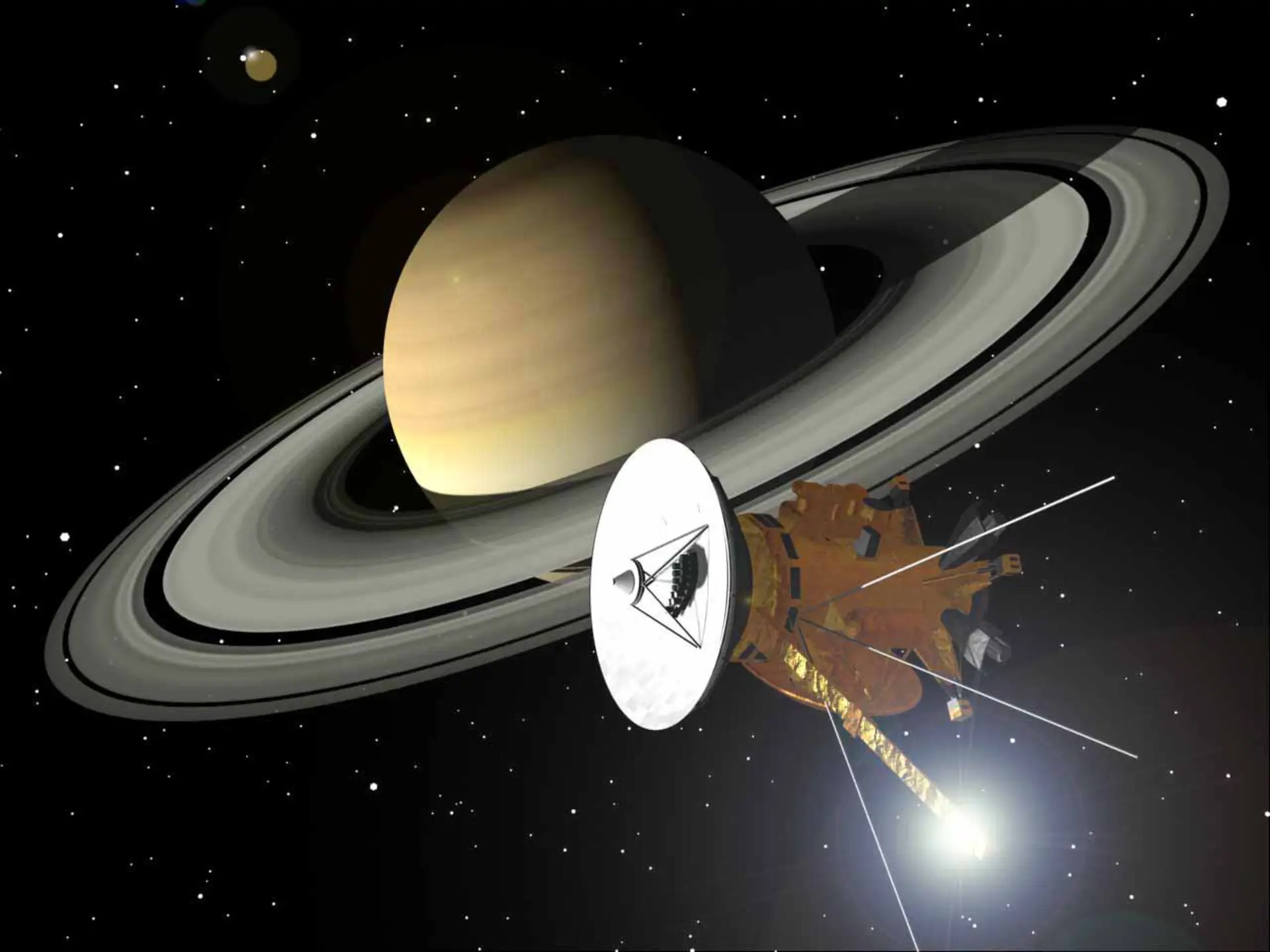
Cassini-Huygens Saturn Orbiter - 13-Year Mission 294 Orbits Completed
Cassini-Huygens mission launched 1997 orbiting Saturn 13 years conducting 294 scientific orbits returning unprecedented data about Saturn moons rings and atmospheric systems. Cassini discovered liquid hydrocarbon lakes on Titan investigated Enceladus geysers indicating subsurface oceans and provided detailed Saturn atmospheric measurements. Cassini intentionally crashed into Saturn atmosphere 2017 ending mission preventing potential biological contamination.
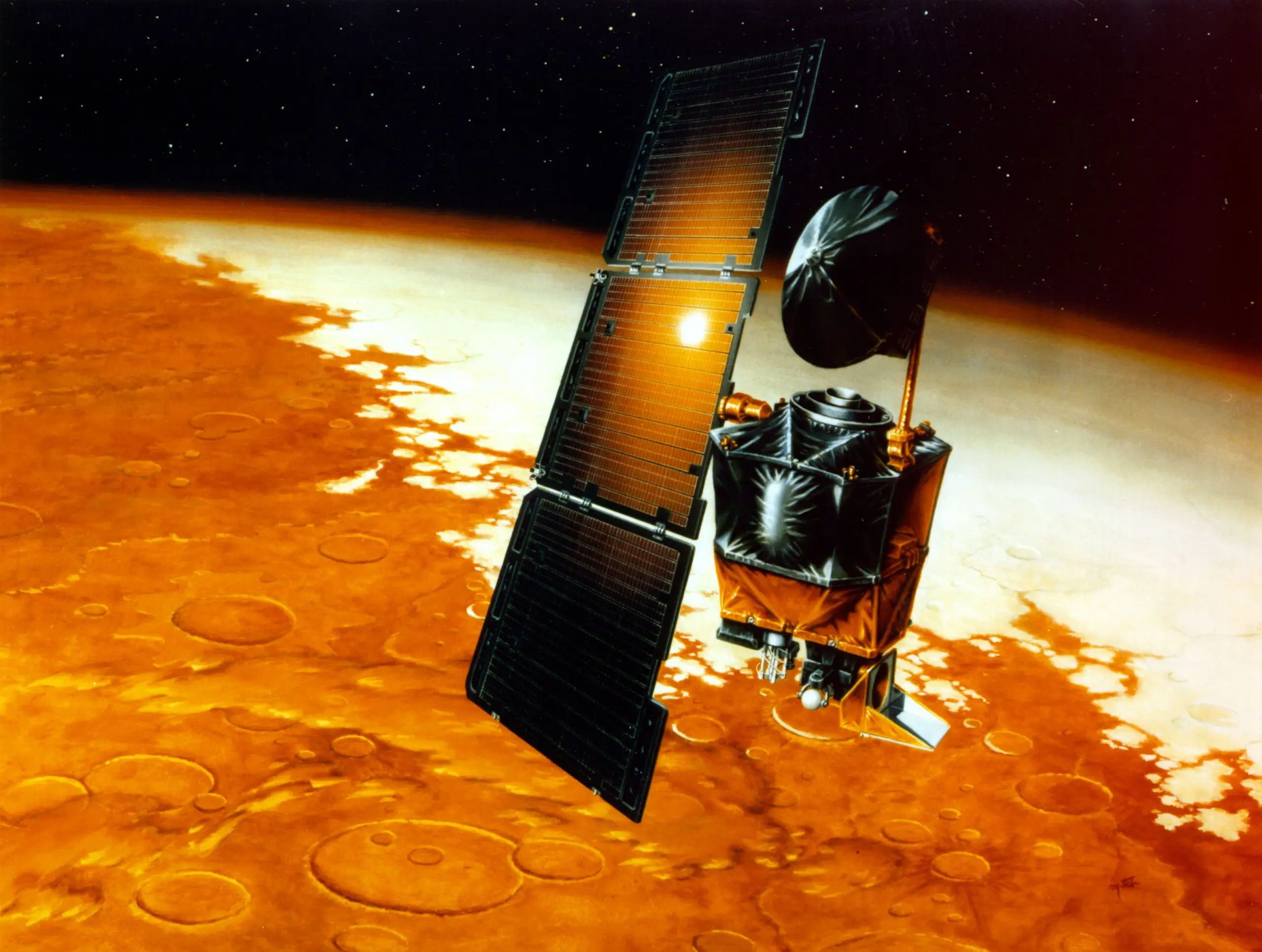
Galileo Jupiter Orbiter - Eight-Year Mission 34 Moon Discoveries
Galileo spacecraft launched 1989 orbiting Jupiter eight years discovering 34 new Jovian moons and providing detailed observations of Jupiter's magnetic field radiation belts and atmospheric storms. Galileo released atmospheric probe descending into Jupiter's atmosphere measuring composition temperature pressure and wind speeds providing first in-situ data from gas giant interior. Mission ended 2003 with controlled Jupiter impact preventing contamination.
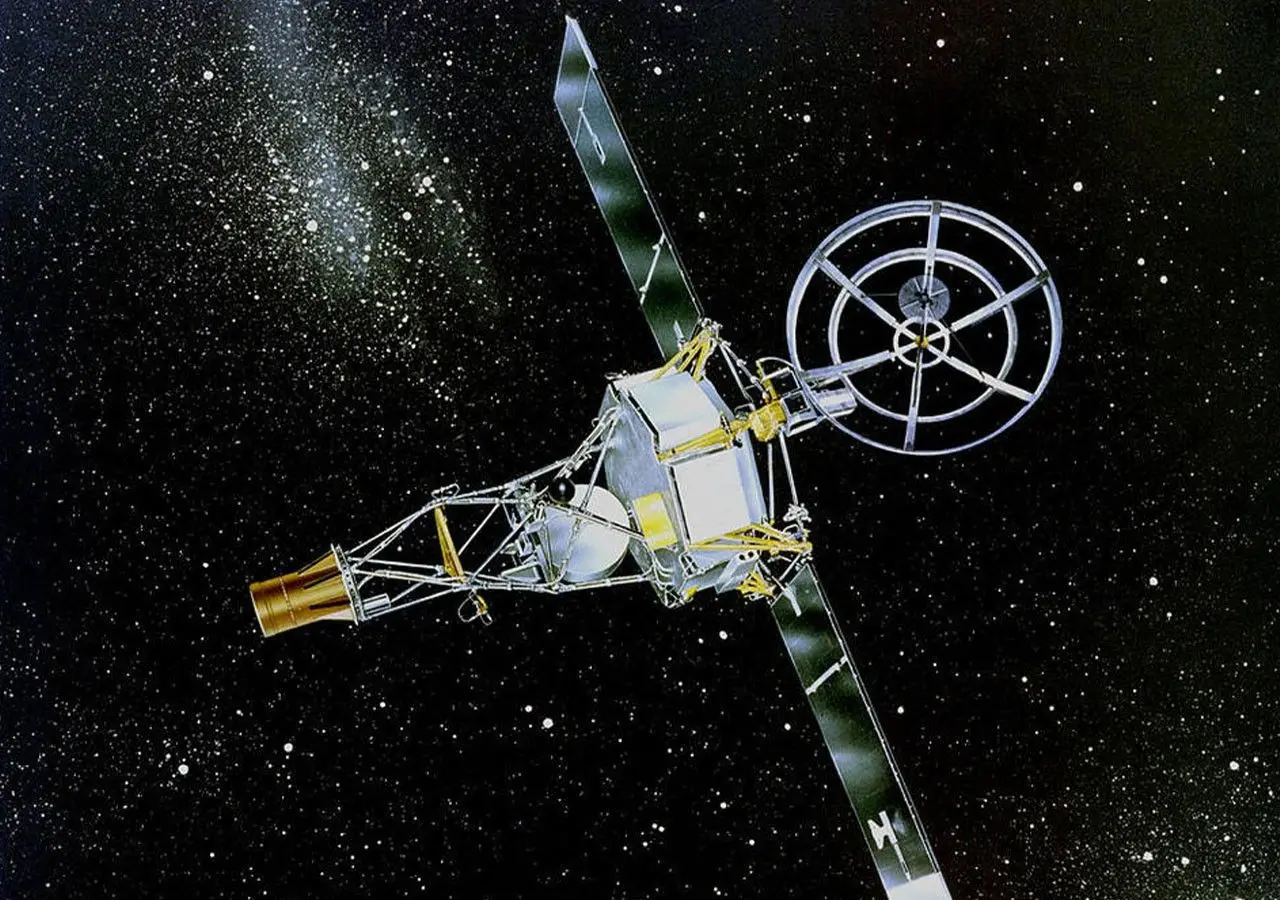
Mariner 10 Mercury Missions - Three Close Approaches Mapping Surface
Mariner 10 launched 1973 becoming first spacecraft visiting Mercury completing three close approaches between 1974 and 1975 mapping approximately 45 percent of Mercury's surface. Mariner 10 discovered Mercury's thin atmosphere solar wind interaction discovered magnetic field and measured extreme temperature variations between sunlit side reaching 430 Celsius and shadowed side minus 180 Celsius. Mariner 10 demonstrated gravity assist trajectory technique enabling efficient deep space exploration.
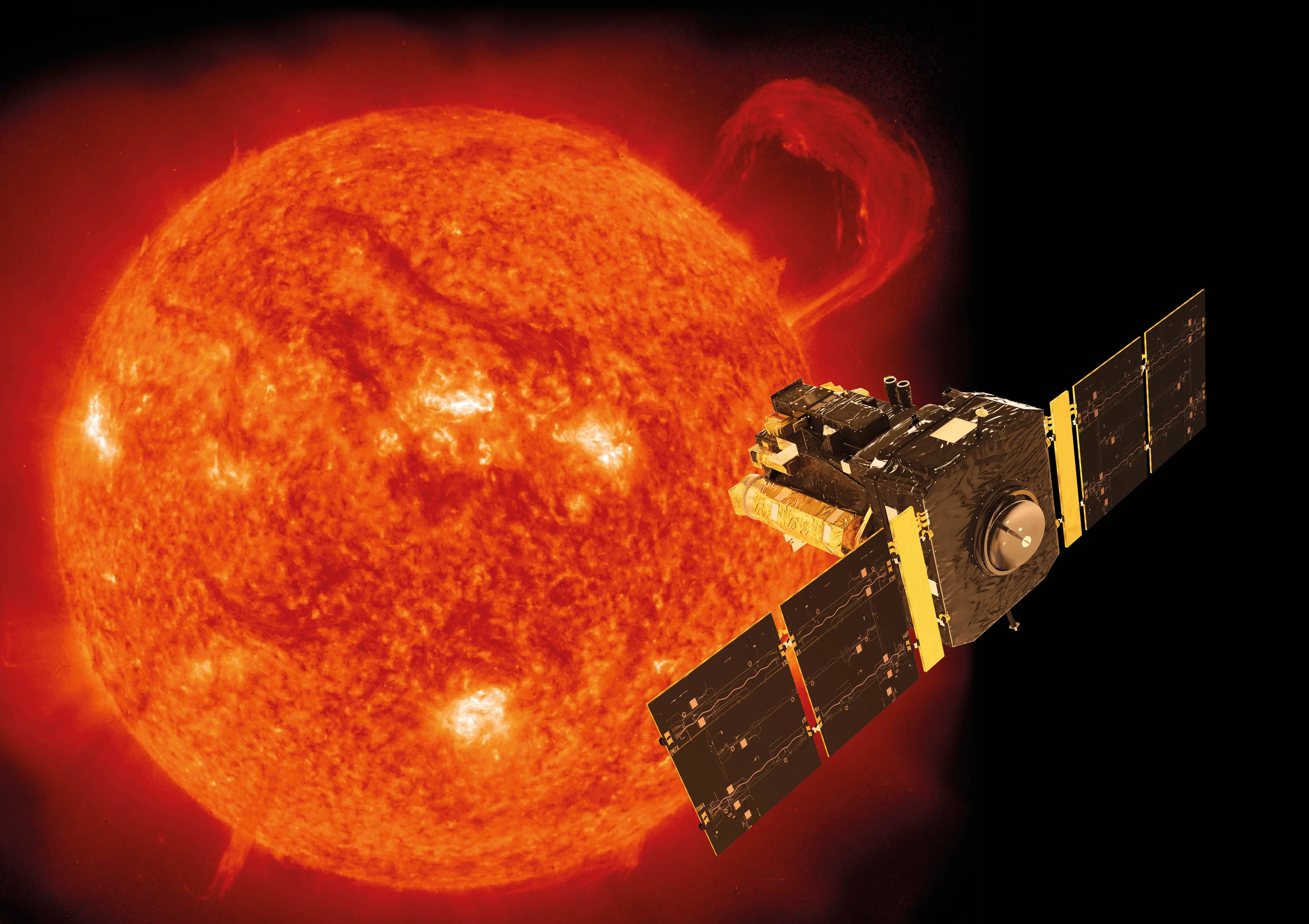
SOHO Solar Observatory - Orbiting Sun Lagrange Point L1 Studying Solar Activity
SOHO satellite launched 1995 positioned between Earth and Sun at Lagrange Point L1 monitoring solar atmosphere corona and solar wind detecting thousands coronal mass ejections. SOHO discovered thousands comets approaching Sun revealing solar atmosphere heating mechanisms and studying solar variability impacts on Earth climate. SOHO continues operation 2026 despite exceeding 30-year design lifespan providing continuous solar monitoring.
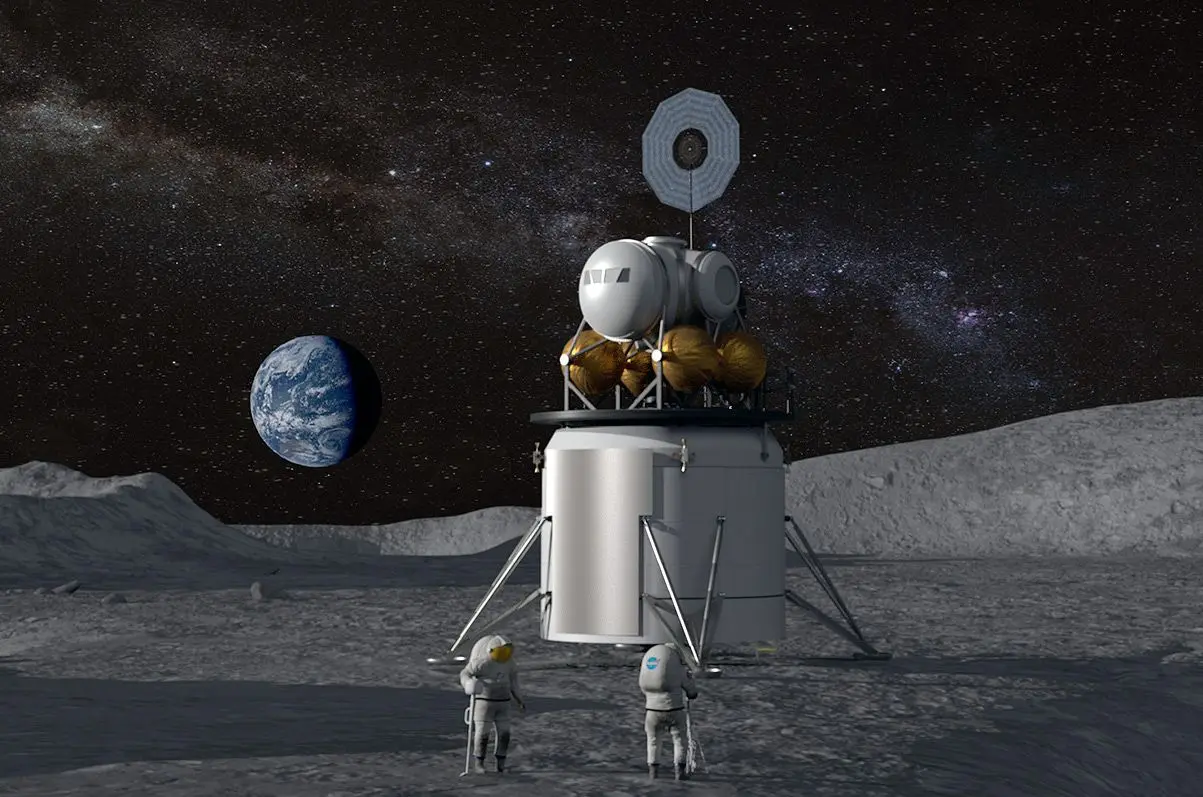
Future Deep-Space Missions - Artemis Lunar Programme and Beyond Exploration
NASA planning Artemis lunar programme returning humans Moon 2025-2026 establishing lunar base enabling future deep space exploration missions toward Mars and asteroid exploration. Future spacecraft designs incorporate advanced propulsion systems autonomous systems artificial intelligence and enhanced radiation protection enabling longer duration missions and exploring distant planetary systems. Commercial space companies developing private deep-space capabilities competing with government space agencies expanding exploration frontiers.
)
)
)
)
)