Top 10 short-range dogfight missiles used worldwide

Here are top 10 short-range dogfight missiles used worldwide, featuring advanced heat-seeking tech and extreme agility for modern aerial combat.
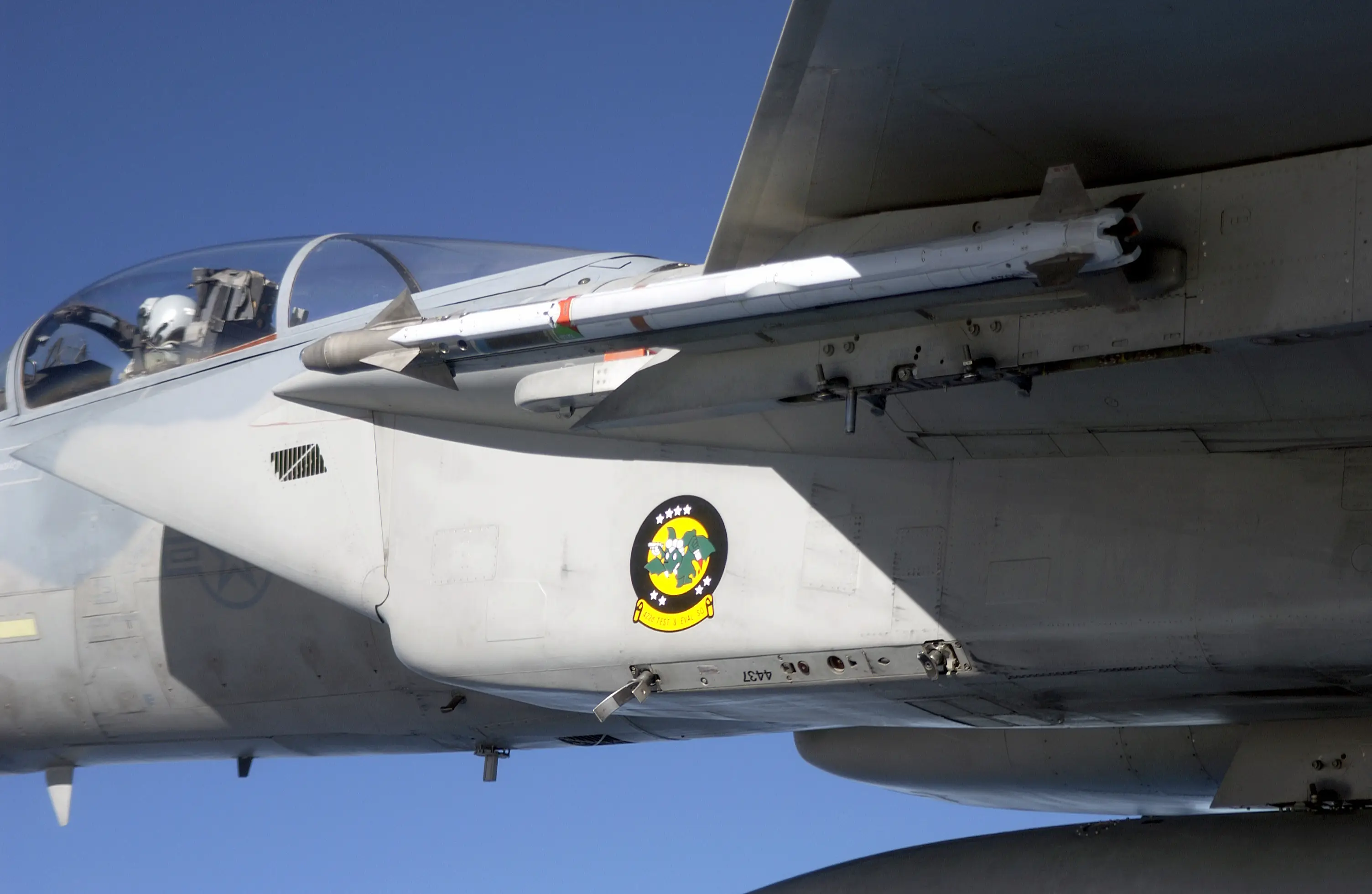
1. AIM-9X Sidewinder
The AIM-9X is the latest variant of the world’s most famous heat-seeking missile. It uses thrust vectoring for extreme agility and is used by over 24 countries, including the US and its NATO allies.
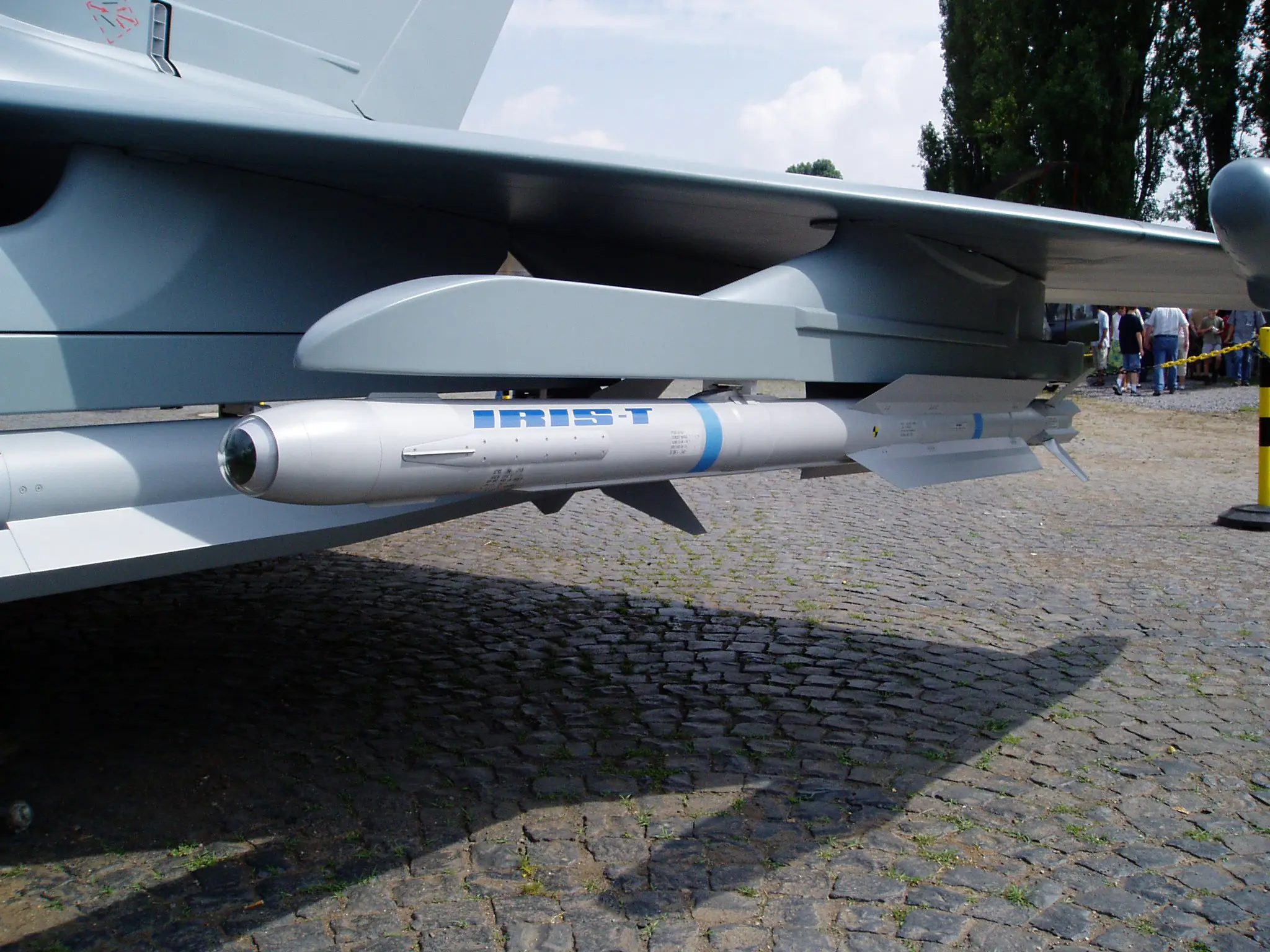
2. IRIS-T
Developed by a German-led European consortium, the IRIS-T can engage targets even behind the launching aircraft. It is highly resistant to flares and can even intercept other incoming missiles.
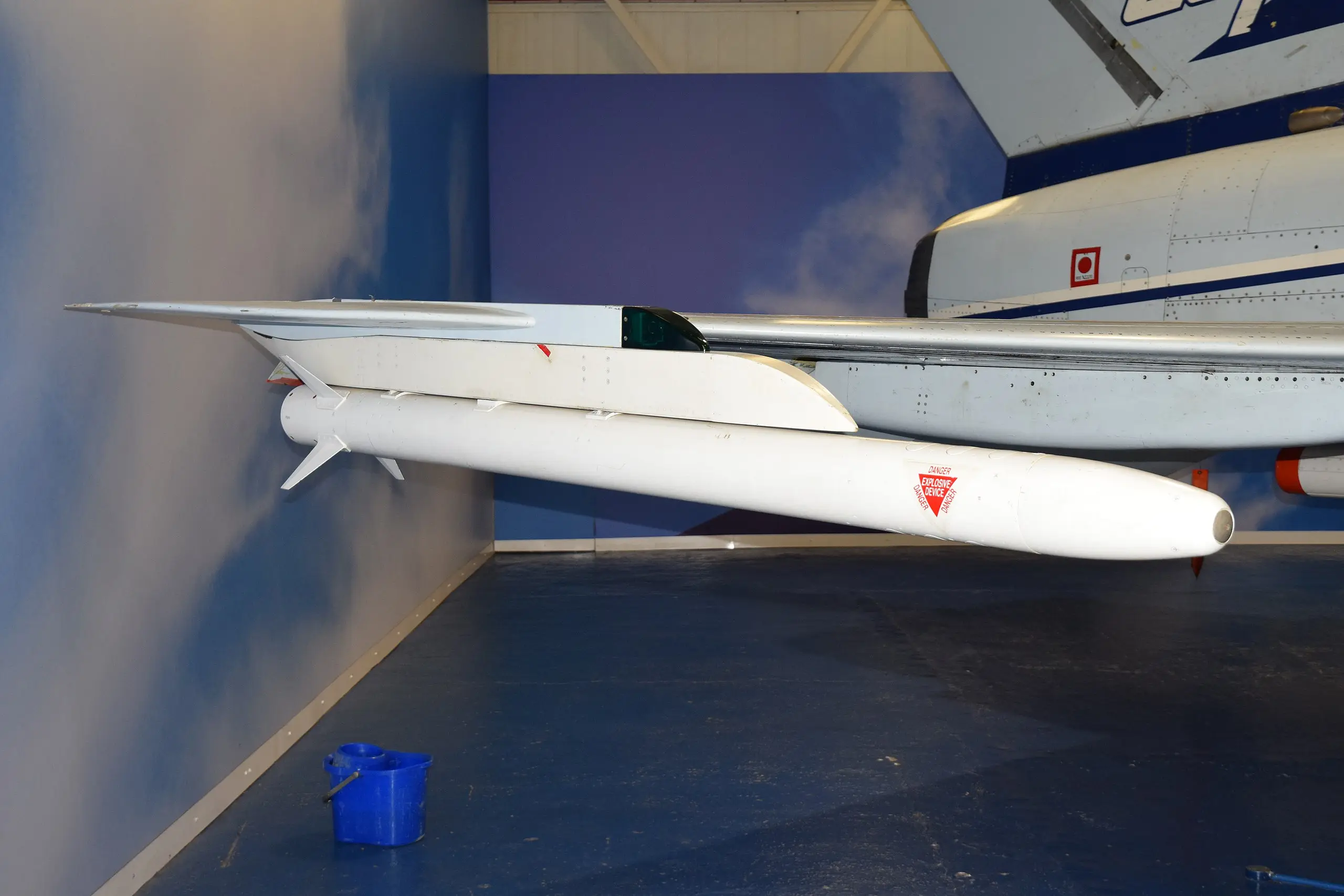
3. MBDA ASRAAM
The British ASRAAM is designed for high-speed interception, reaching speeds over Mach 3 to give enemies little time to react. It is a primary short-range weapon for the F-35 and India's Jaguar fleet.
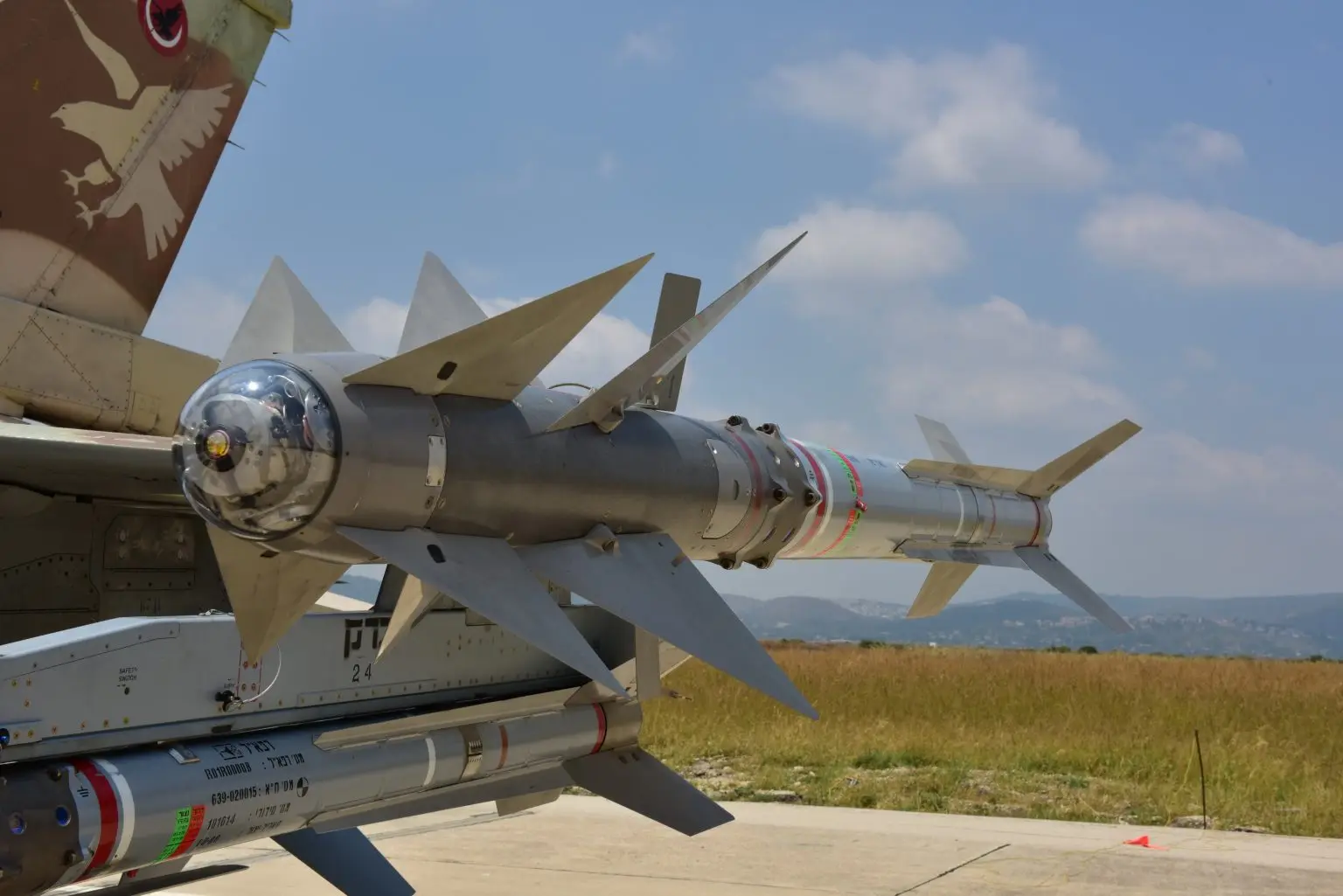
4. Python-5
Israel’s Python-5 is a fifth-generation missile offering full-sphere launch capability. It is combat-proven and can track small, low-signature targets in difficult weather conditions.
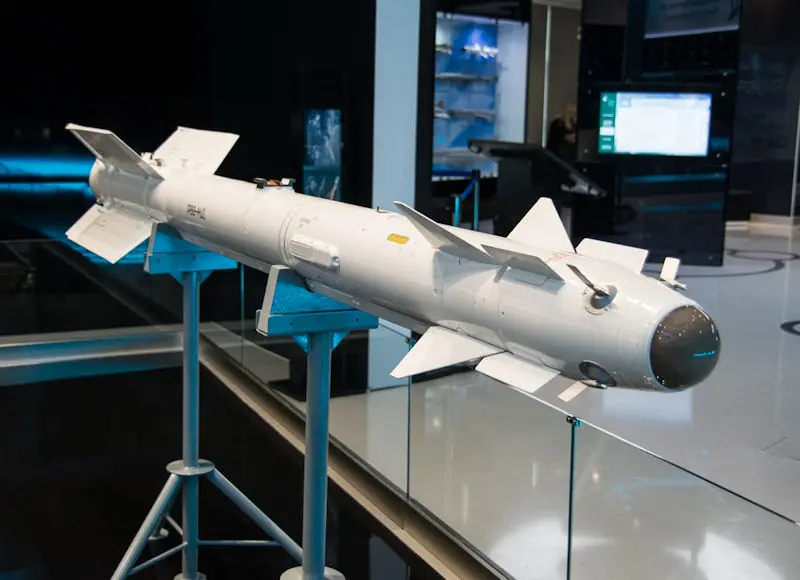
5. R-74M
The Russian R-74M is an upgraded version of the R-73, featuring a fully digital system and improved off-boresight capability. It is designed to match the performance of top Western missiles like the AIM-9X.
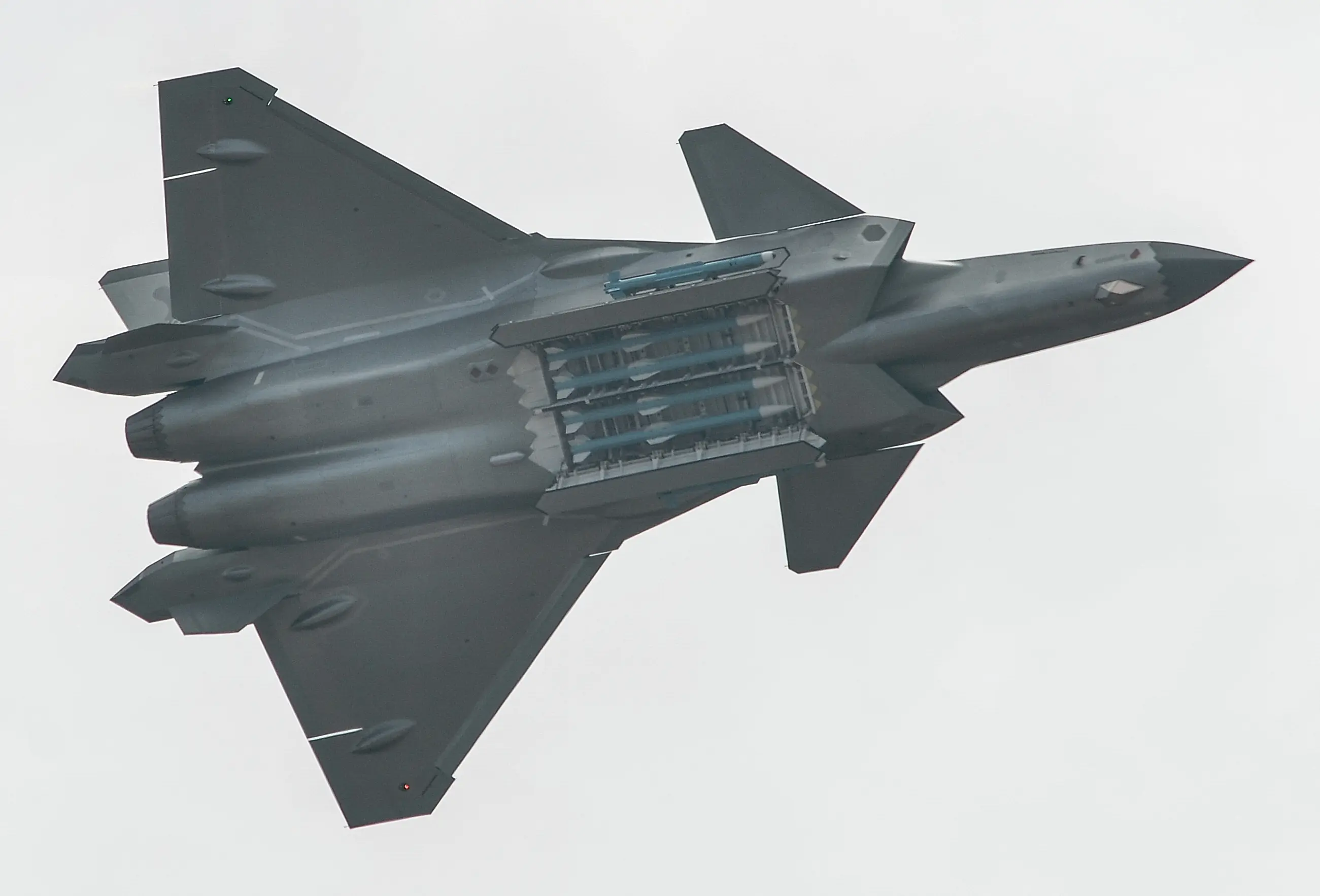
6. PL-10
China's PL-10 features a multi-element imaging infrared seeker that can track targets at 90-degree angles. It is the standard short-range weapon for advanced Chinese fighters like the J-20.
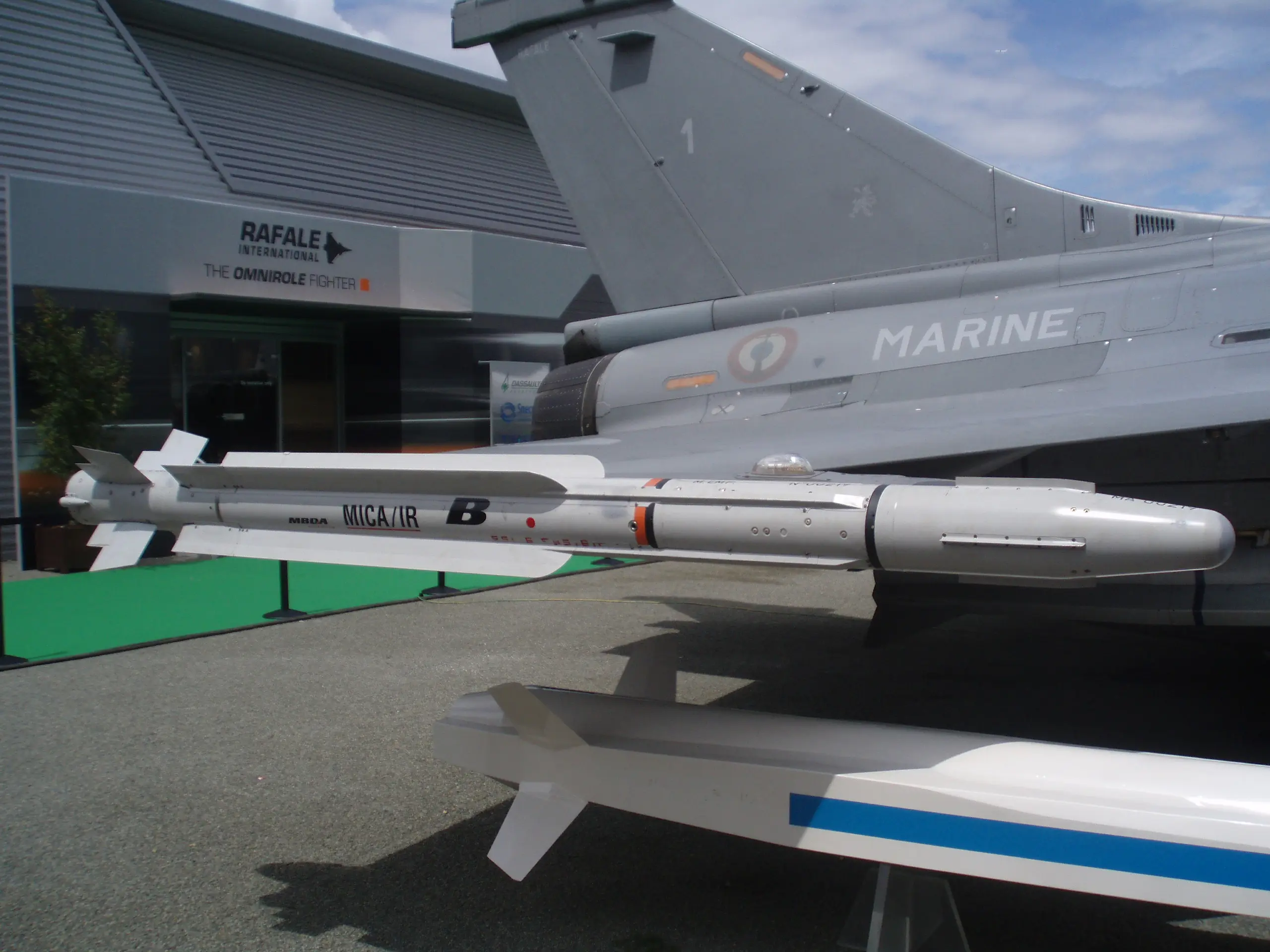
7. MICA IR
The French MICA IR serves a unique dual role as both a short-range dogfight missile and a medium-range interceptor. Its imaging seeker is entirely passive, allowing for stealthy "surprise" kills without alerting the enemy.
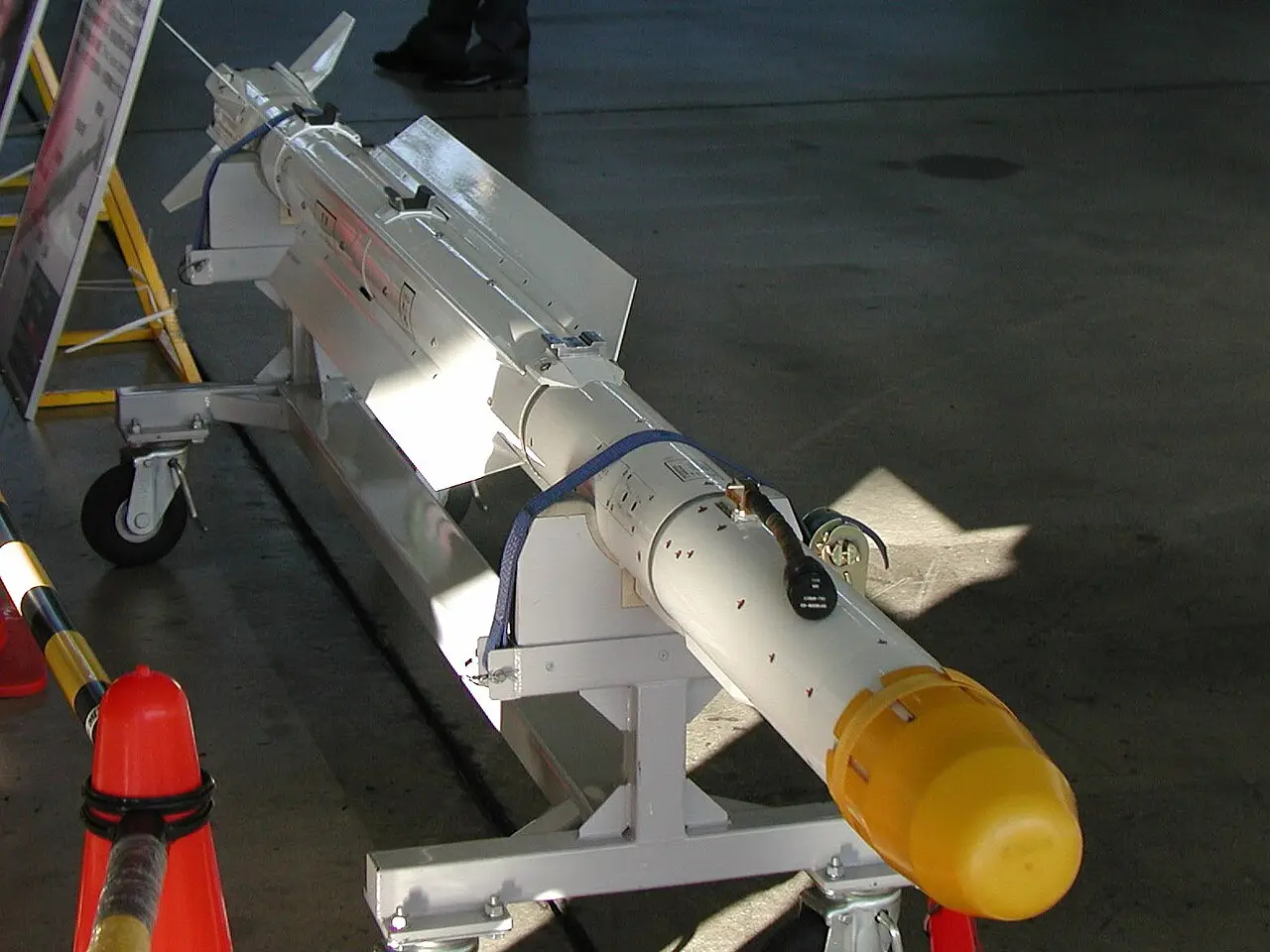
8. AAM-5
Japan's AAM-5 is a highly maneuverable missile used by the Japan Air Self-Defence Force. It uses a high-performance seeker and thrust vectoring to engage targets at extreme angles.
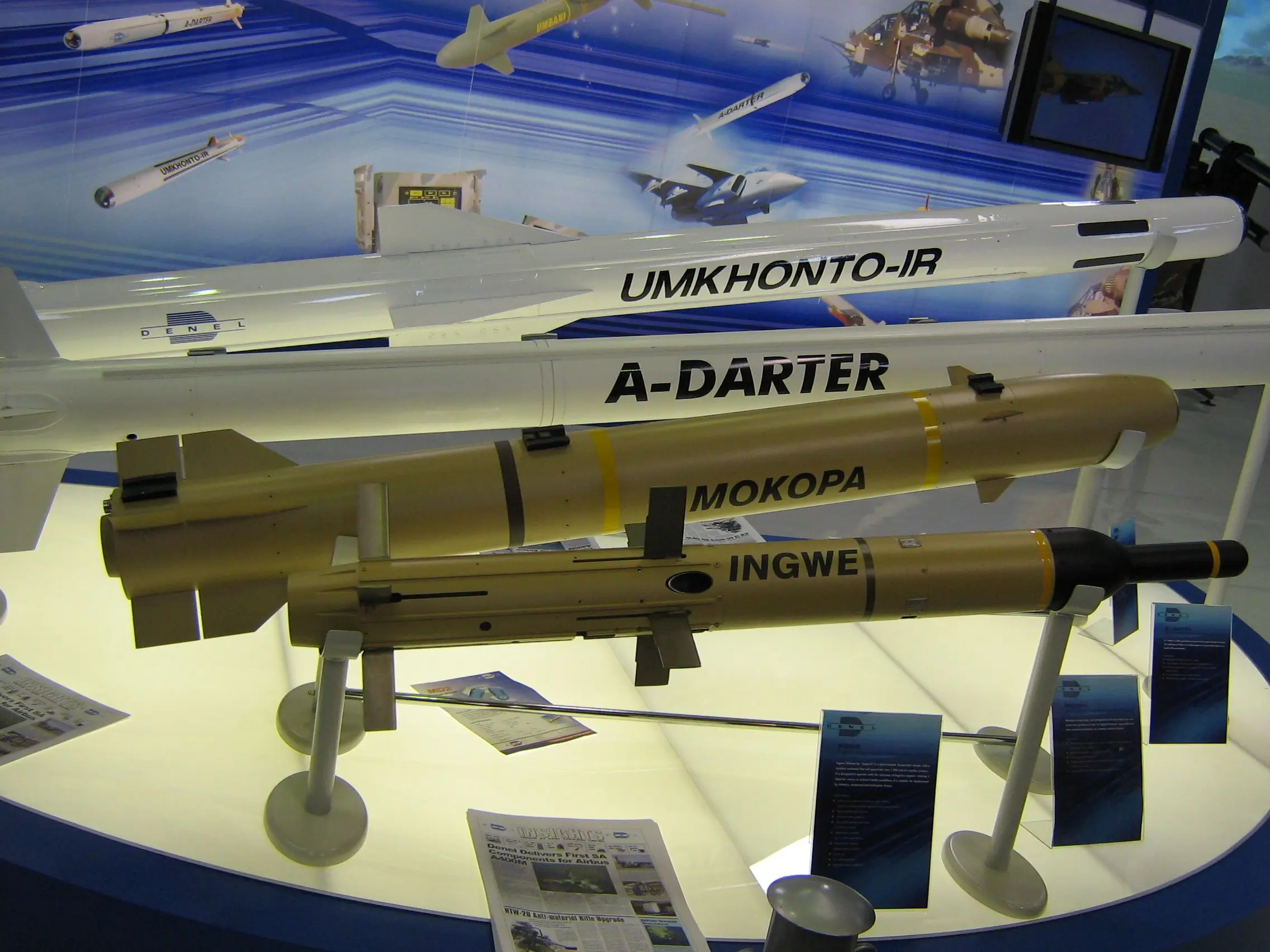
9. A-Darter
Jointly developed by South Africa and Brazil, the A-Darter is a lightweight missile designed for high-G combat. It uses a two-colour thermal seeker to distinguish between real aircraft and decoys.
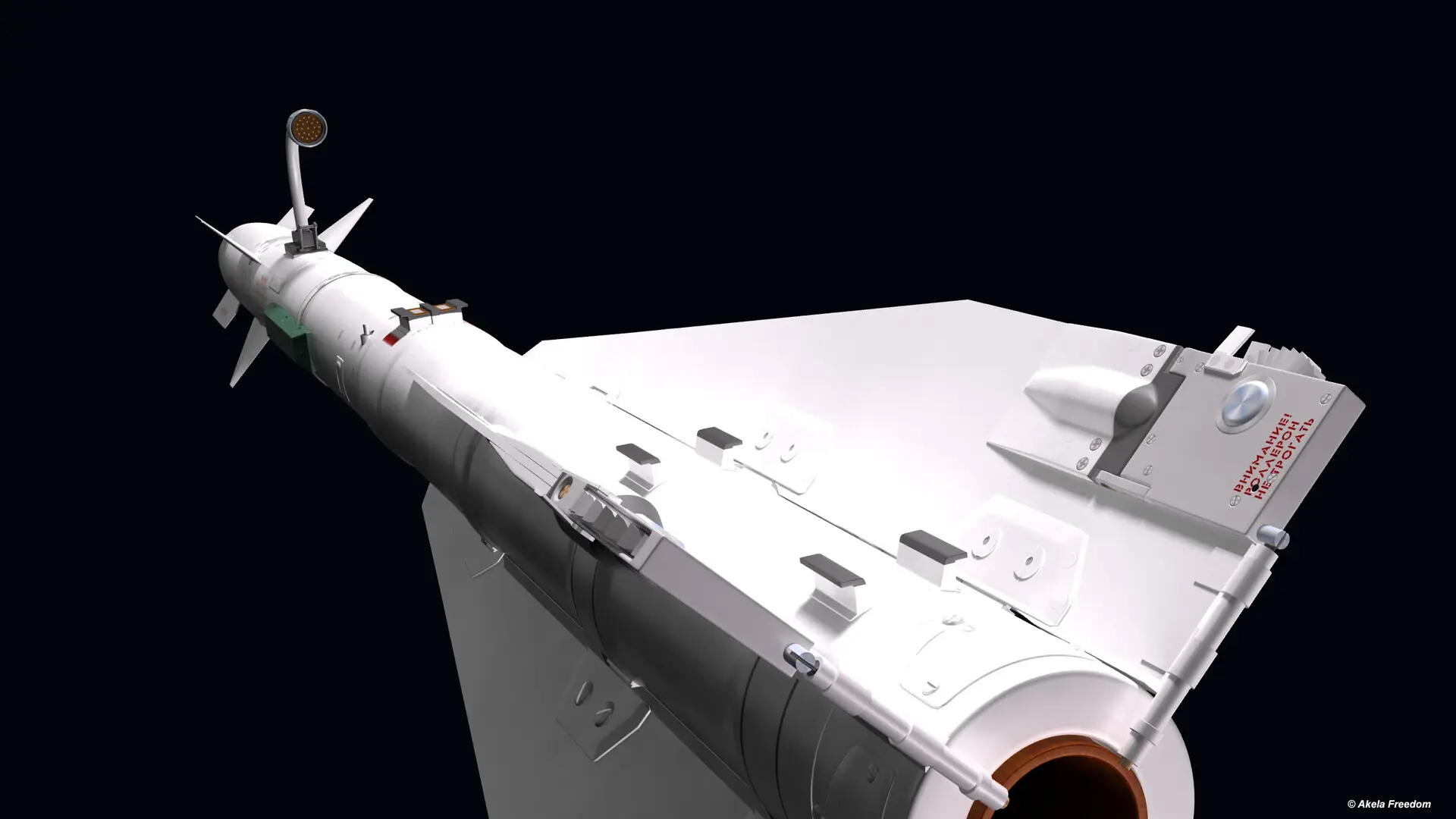
10. R-60M
The R-60 remains one of the world's lightest air-to-air missiles and is still used by several air forces globally. Recent reports indicate it is being adapted for use on drones to intercept low-flying targets.
)
)
)
)
)