Top 10 most unsafe countries in the world — Read before you travel

Around the world, safety can be a fragile thing. In some countries, daily life is overshadowed by crime and conflict, making them some of the most unsafe. Let’s take a closer look at the 10 countries where safety remains a pressing concern, revealing the realities behind the headlines.
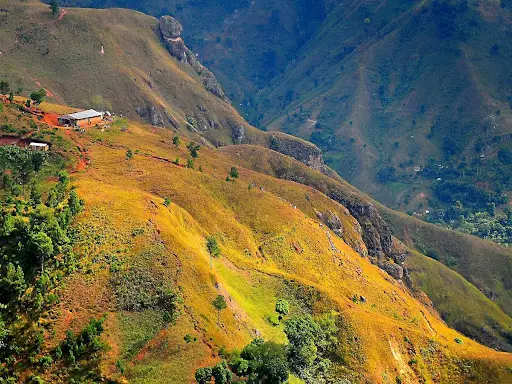
1. Haiti
Haiti’s safety index score is 19.0, which is the lowest among all the countries, making Haiti the most unsafe country in the world. Haiti struggles with deep political turmoil and widespread poverty that create a breeding ground for crime, including violent gangs controlling large parts of Haiti’s capital. Basic public services are limited, and law enforcement is poor, leaving people vulnerable to kidnappings, robberies, and civil unrest.
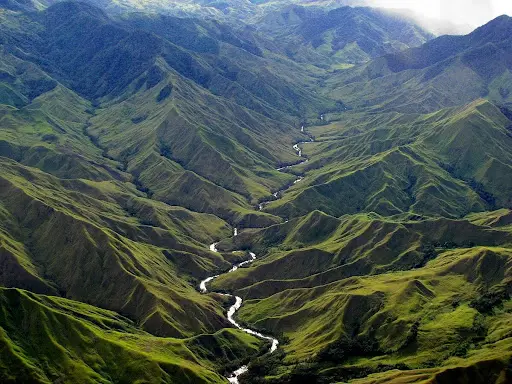
2. Papua New Guinea
Papua’s safety index score is 19.3 in Papua New Guinea; rampant crime grows from ongoing tribal conflicts, weak law enforcement, and extreme poverty. Social instability and unresolved tensions add to the country’s unsafe reputation.
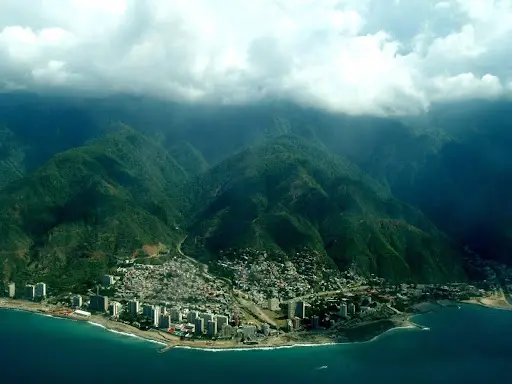
3. Venezuela
Venezuela’s safety index score is 19.5. Venezuela’s economic collapse has caused shortages of food, medicine, and essentials, fueling desperation and driving crime rates sky-high. Violent crime, including homicides and armed robberies, has become widespread, making it one of the most unsafe countries in the world.
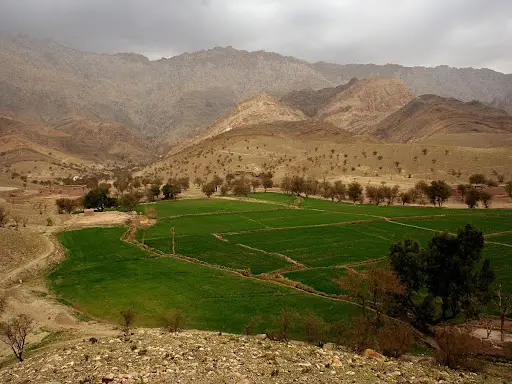
4. Afghanistan
Afghanistan's safety index score is 24.8. Decades of conflict in Afghanistan have left the country plagued by ongoing violence from insurgent groups and internal strife. Security forces face constant threats, and attacks on civilians, government workers, and aid agencies remain frequent. The fragile political landscape further complicates efforts to bring stability.
5. South Africa
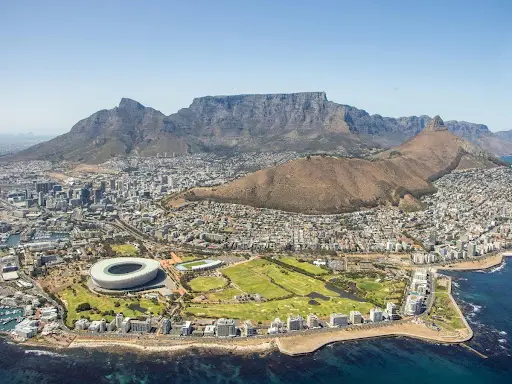
South Africa’s safety index score is 25.4. South Africa faces a complex safety crisis with extremely high rates of violent crime, such as murder, assault, and armed robbery. Socioeconomic inequality and unemployment fuel frustration and crime, particularly in townships and urban centres. Despite police efforts, crime continues to affect daily life and safety perception.
6. Honduras
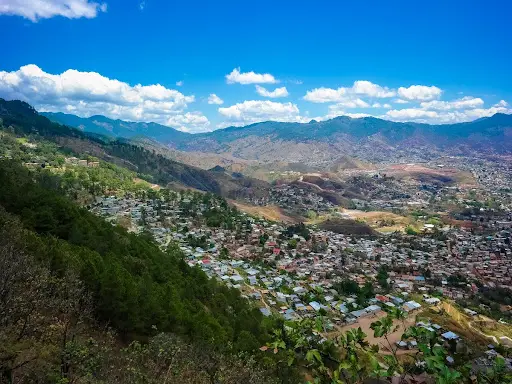
Honduras’ safety index score is 28.1. Honduras is caught in a cycle of violence driven by powerful drug cartels and street gangs. These groups exert control over neighbourhoods, engaging in extortion, kidnappings, and murders. Government efforts to curb violence, struggle against corruption, and limited resources have resulted in widespread lawlessness in many parts.
7. Trinidad and Tobago
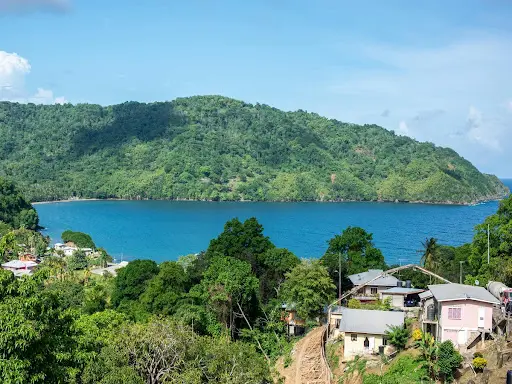
Trinidad and Tobago’s safety index score is 29.0. Despite its small size, Trinidad and Tobago wrestles with high rates of violent crime linked to gang rivalries and drug trafficking. Incidents like shootings and armed robberies are common, especially in some urban communities. This has undermined safety and affected both residents and the tourism sector.
8. Syria
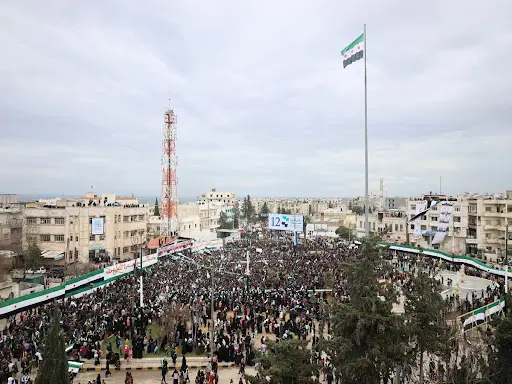
Syria’s safety index score is 31.6. Years of brutal civil war have devastated Syria, leaving large swaths of the country unstable and dangerous. Active conflict zones still exist where fighting and airstrikes occur. Infrastructure is destroyed, governance has collapsed in many areas, and millions remain displaced, all adding to widespread insecurity.
9. Jamaica
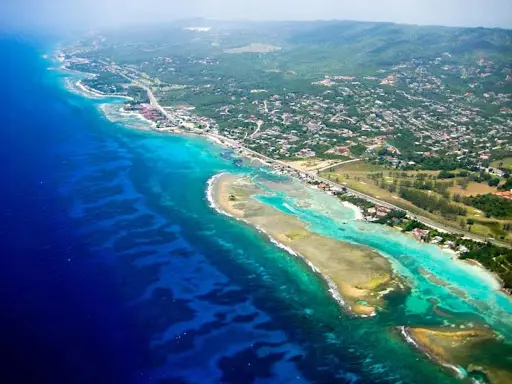
Jamaica’s safety index score is 32.6. Violent crimes such as shootings, robberies, and assaults are persistent concerns. While the country boasts beautiful tourist destinations, safety risks remain high in certain neighbourhoods, often due to socioeconomic challenges.
10. Peru
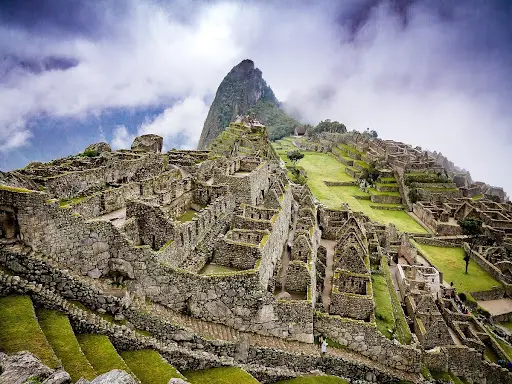
Peru’s safety index score is 33.3. Peru faces rising crime, and violent robberies target both locals and tourists. Drug trafficking regions contribute to instability, and certain rural areas remain lawless with limited police presence. Growing social tensions add to the overall risk.
)
)
)
)
)