Top 10 highest currencies in the world in 2025: Where does the Indian rupee stand?

Investors, traders, and policymakers alike watch these rankings closely, as currency strength influences everything from imports and exports to foreign investment flows.
Introduction
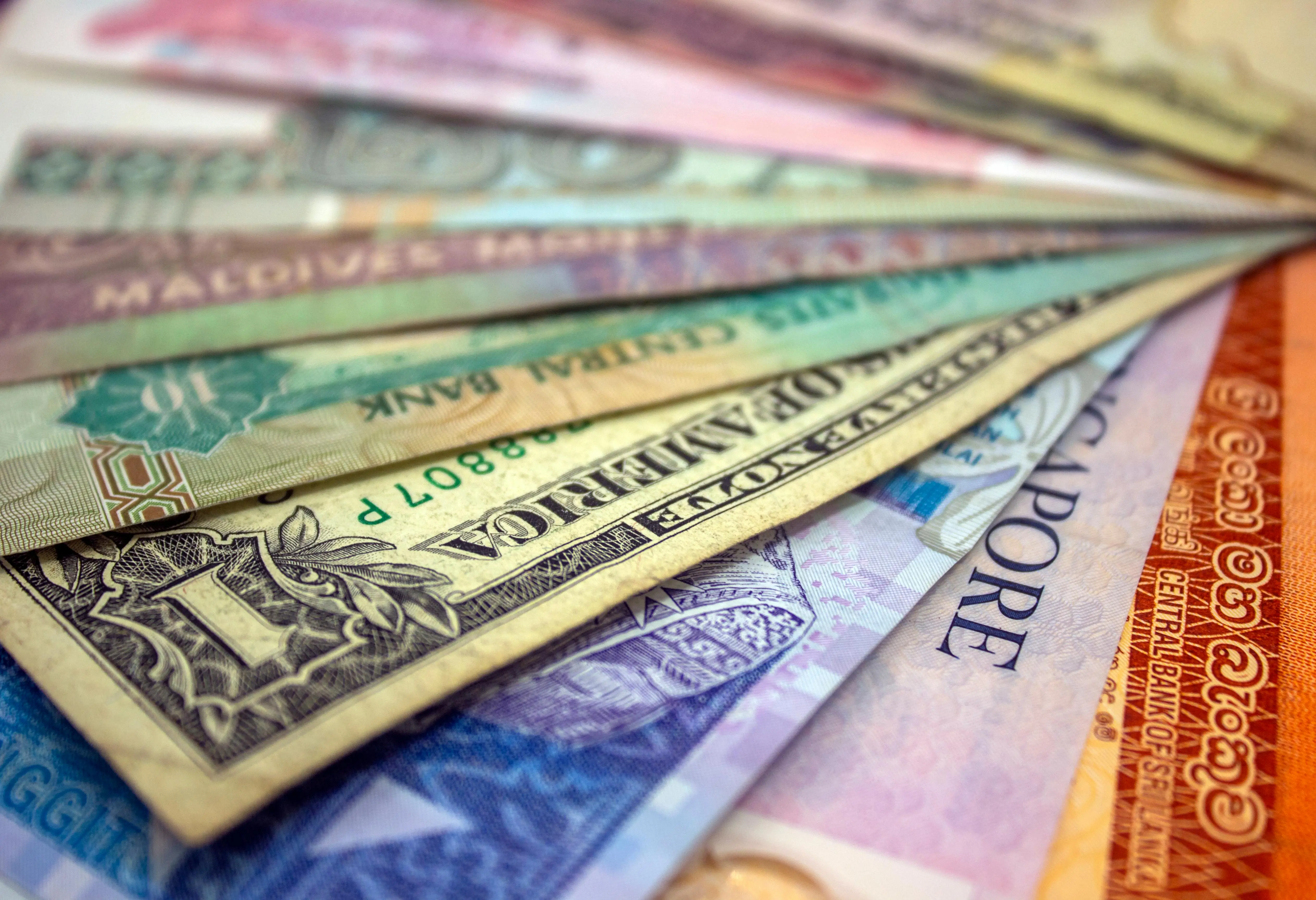
Global currencies continue to reflect the balance of economic power, fiscal discipline, and international confidence. While nations like Kuwait, Bahrain, and Oman command attention with their high-value currencies, others, including emerging economies, face pressures from trade deficits and inflation. Investors, traders, and policymakers alike watch these rankings closely, as currency strength influences everything from imports and exports to foreign investment flows.
1. Kuwaiti Dinar (KWD)
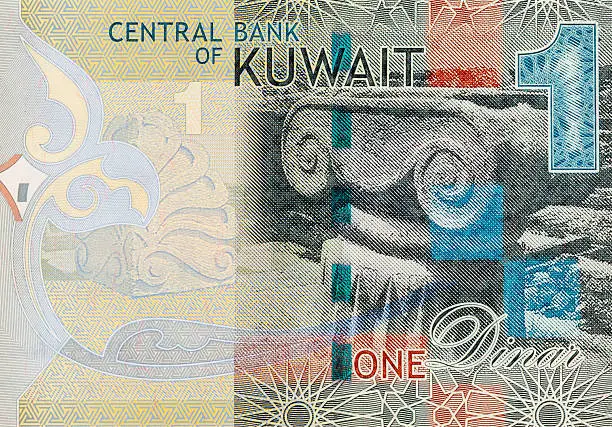
The Kuwaiti Dinar continues to hold its position as the world's strongest currency in 2025, with an exchange rate of approximately 1 KWD = 3.27 USD. This strength is attributed to Kuwait's substantial oil exports, a small population, and a stable currency peg to a basket of international currencies. The government’s careful fiscal management and high foreign reserves further reinforce its value, making it highly sought after in international trade and investments.
2. Bahraini Dinar (BHD)
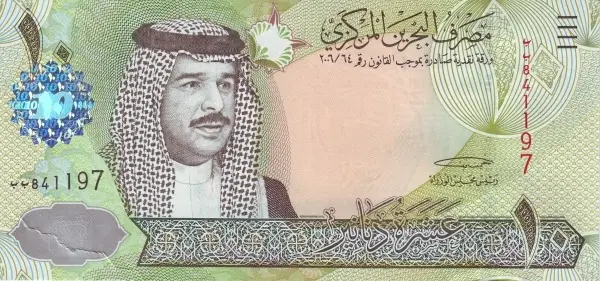
Following closely is the Bahraini Dinar, valued at around 1 BHD = 2.65 USD. Bahrain's robust oil industry and its peg to the US dollar contribute to the currency's strength. Despite its small size, the nation’s banking sector and strategic economic policies maintain investor confidence in the dinar.
3. Omani Rial (OMR)
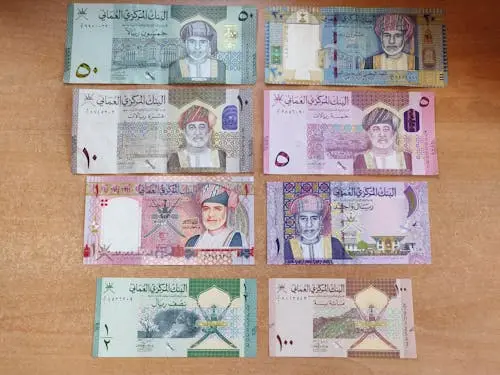
The Omani Rial holds the third spot, with an exchange rate of approximately 1 OMR = 2.60 USD. Oman's significant oil reserves and fiscal discipline underpin the rial's value. Additionally, the country’s gradual economic diversification initiatives have helped maintain stability in its currency against global fluctuations.
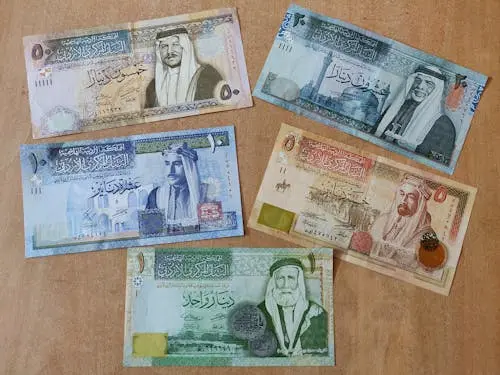
4. Jordanian Dinar (JOD)
The Jordanian Dinar ranks fourth, valued at about 1 JOD = 1.41 USD. Jordan's stable economy and strong fiscal policies support the dinar's position among the top currencies. Its peg to the US dollar, combined with moderate inflation and disciplined monetary policies, preserves its international value.
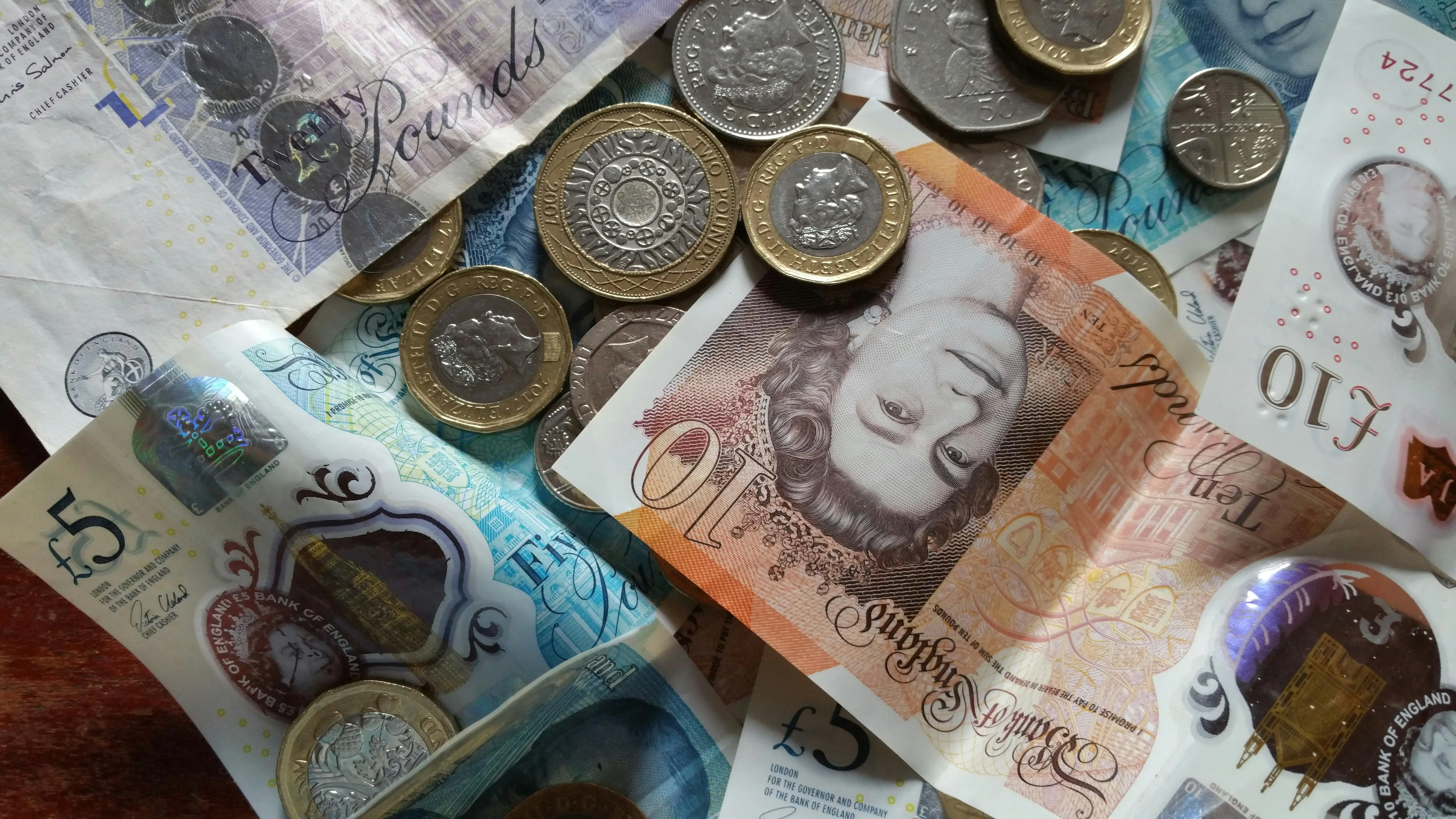
5. British Pound Sterling (GBP)
The British Pound remains a significant global currency, with an exchange rate ranging between 1 GBP = 1.33 to 1.36 USD. Its strength is bolstered by the UK's financial sector and institutional stability. London’s status as a global financial hub contributes to the pound’s enduring international appeal and resilience.

6. Gibraltar Pound (GIP)
The Gibraltar Pound is pegged to the British Pound at par, maintaining its value through this fixed exchange rate. This arrangement ensures its strength relative to the USD. The currency’s stability is reinforced by Gibraltar’s sound financial regulations and its strategic position as a European offshore hub.
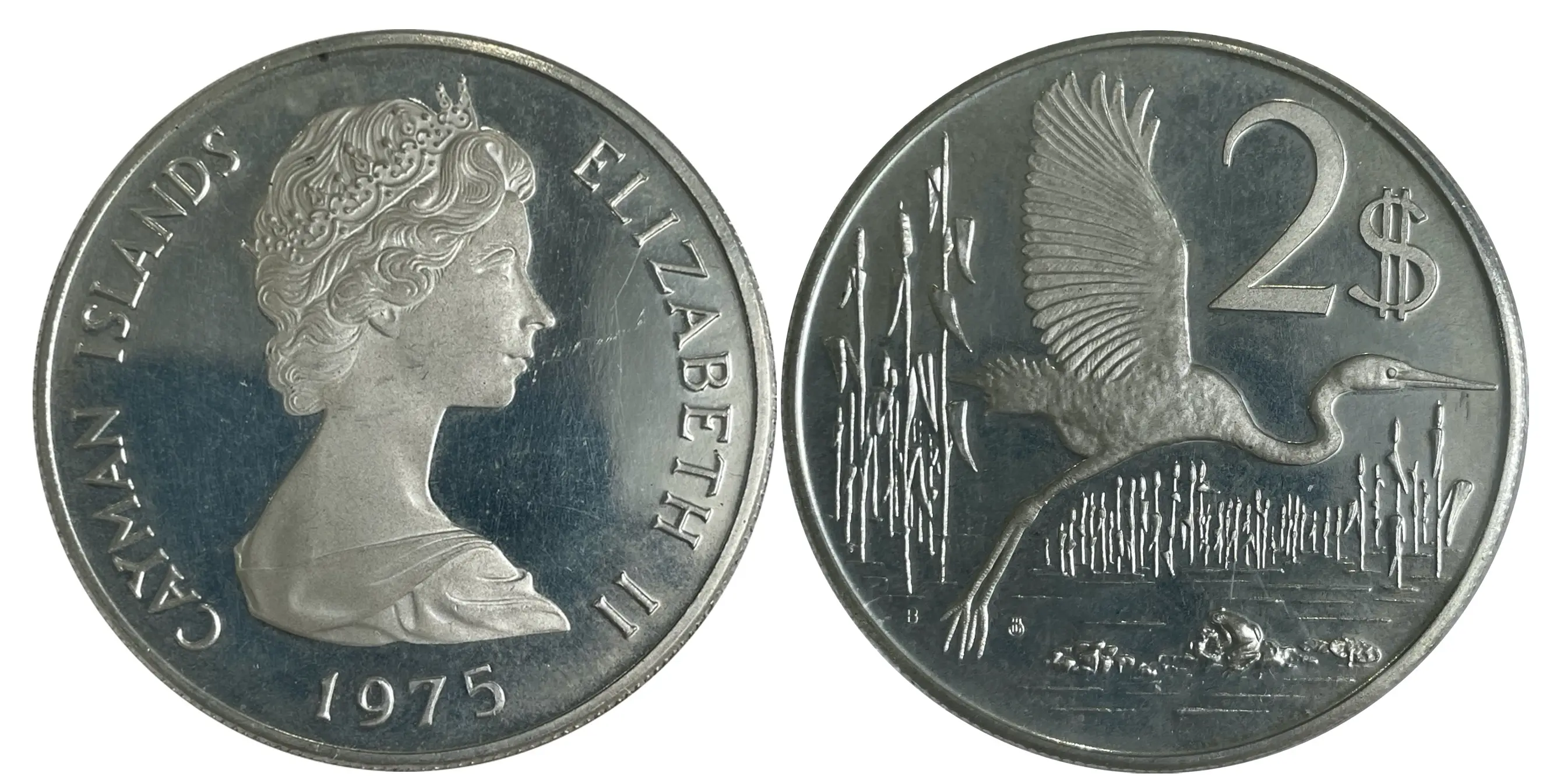
7. Cayman Islands Dollar (KYD)
The Cayman Islands Dollar is valued at approximately 1 KYD = 1.20 USD. As a major offshore financial center, the Cayman Islands' currency benefits from its economic activities. Its limited domestic circulation and high levels of foreign investment contribute to the KYD’s relative strength globally.
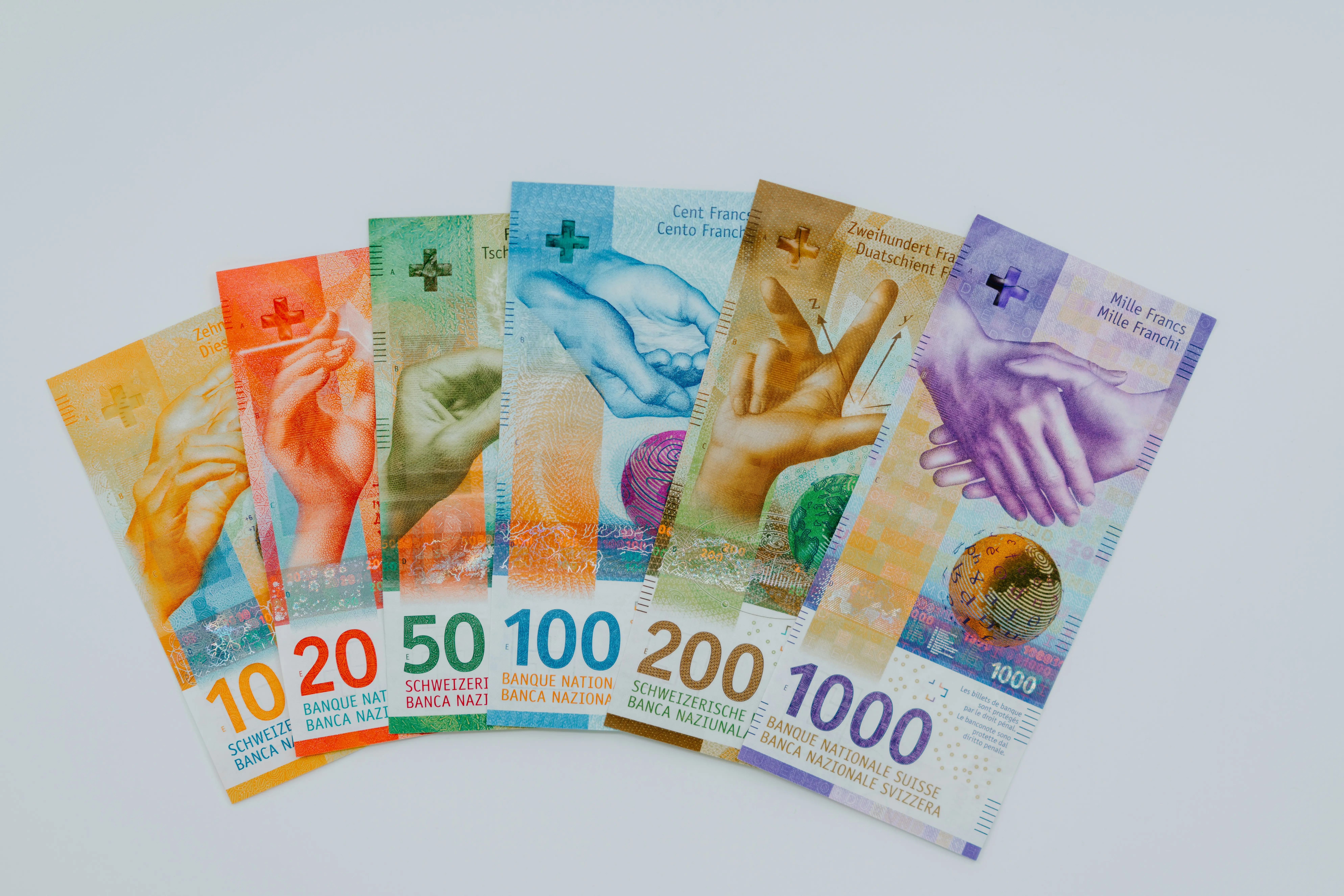
8. Swiss Franc (CHF)
The Swiss Franc, at about 1 CHF = 1.24 to 1.25 USD, is considered a safe-haven currency. Switzerland's stable economy and banking system contribute to the franc's strength. Investors often turn to the franc during periods of global uncertainty, which sustains its value and liquidity.
9. Euro (EUR)
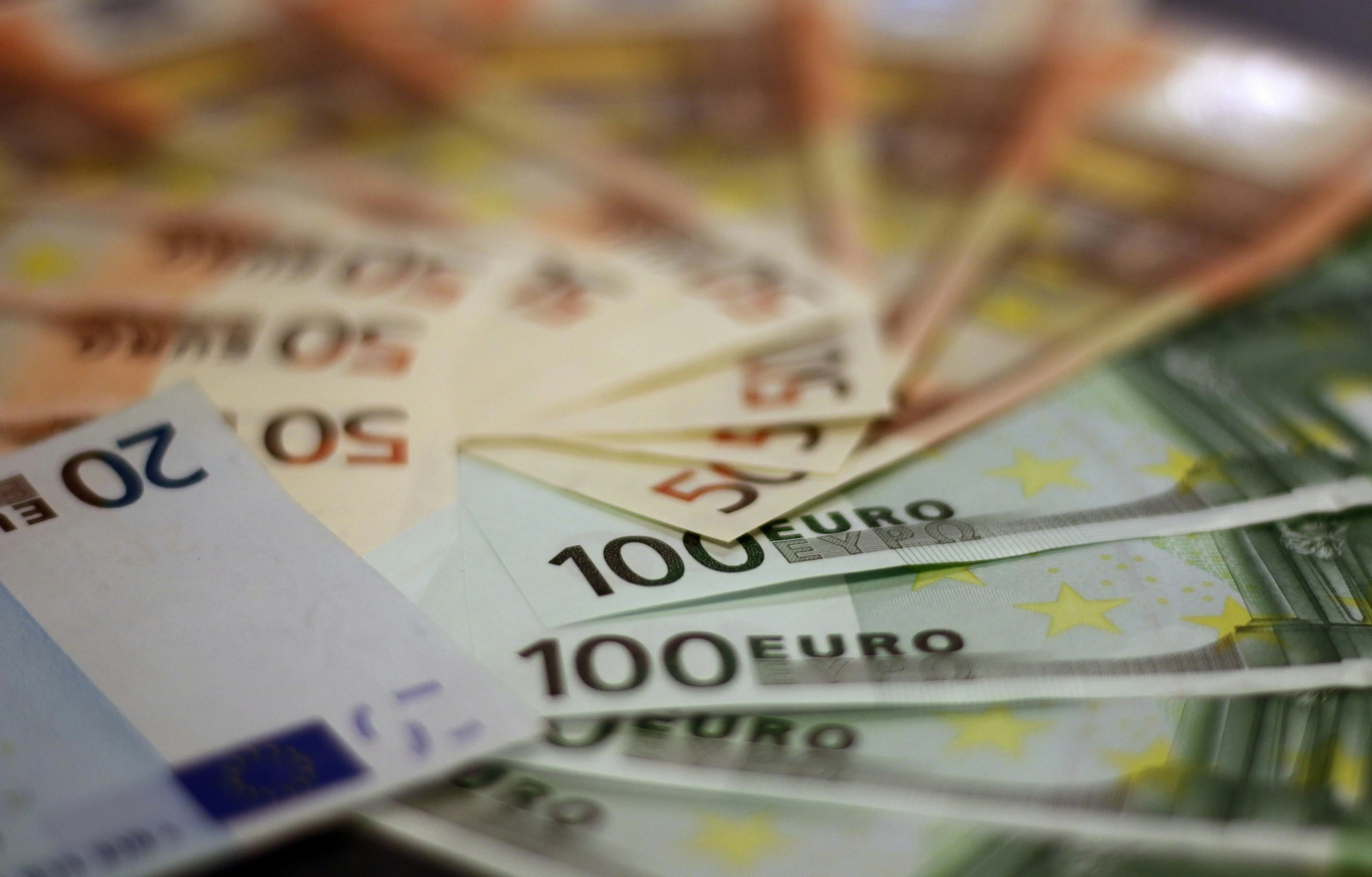
The Euro, with an exchange rate of approximately 1 EUR = 1.16 to 1.18 USD, is the official currency of the Eurozone. Its strength is supported by the economic activities of member countries. The Euro also benefits from being widely used in international trade and held as a reserve currency by central banks worldwide.

10. United States Dollar (USD)
The US Dollar remains the world's primary reserve currency, valued at about 1 USD = 0.73 GBP. Despite being outranked in nominal value, the USD's global dominance in trade and finance maintains its significance. Its role in commodities pricing and global debt markets further secures its influence in international finance.
Where Does the Indian Rupee Stand?
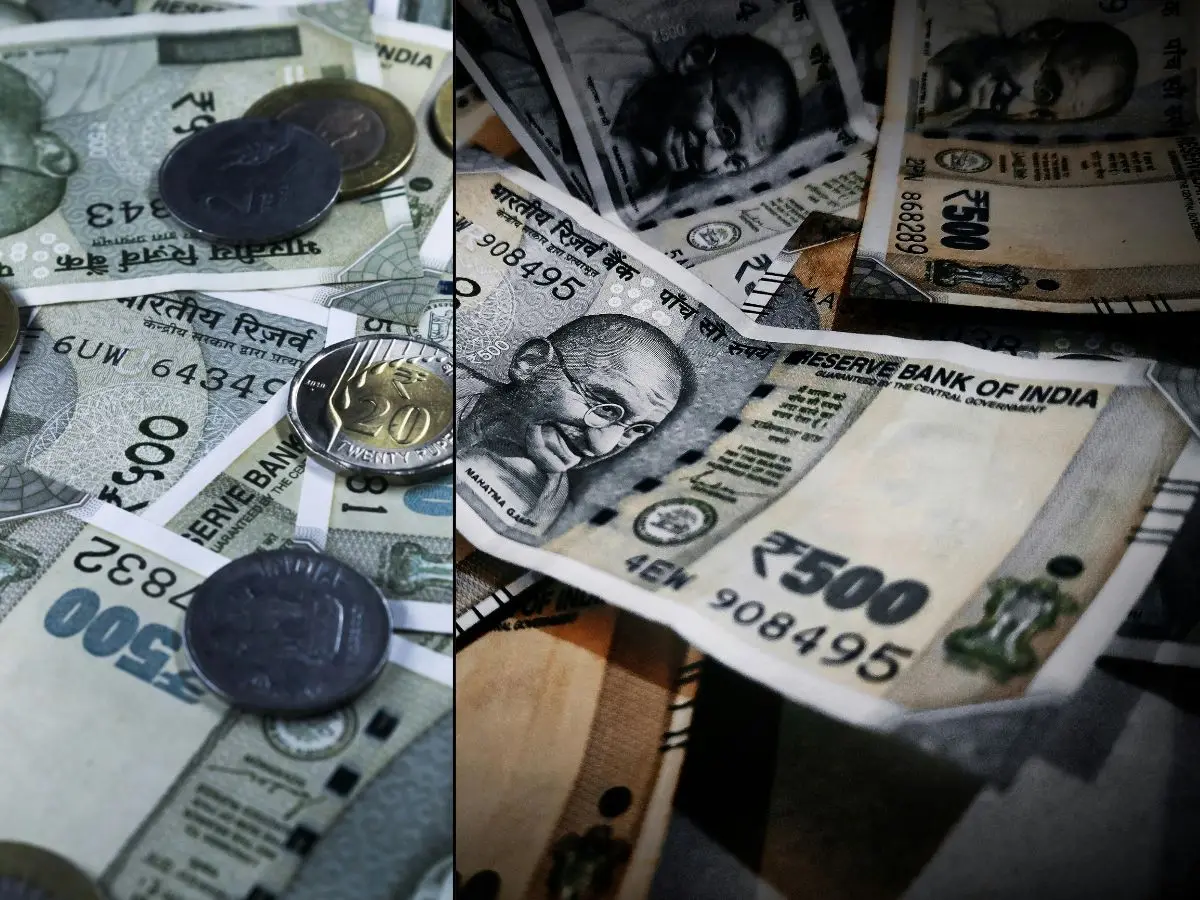
In 2025, the Indian Rupee (INR) is trading at approximately 1 USD = 87.9 INR. This positions the rupee among the lower-valued currencies globally. Factors influencing the rupee's value include India's trade balance, inflation rates, and foreign exchange reserves.
Factors Affecting Currency Strength
The strength of a currency is influenced by various factors, including:
Economic Stability: Countries with stable economies tend to have stronger currencies.
Trade Balances: A positive trade balance can lead to a stronger currency.
Interest Rates: Higher interest rates attract foreign investment, strengthening the currency.
Government Debt: Countries with lower debt levels often have stronger currencies.
Implications for Global Trade
The strength of a currency can impact global trade dynamics. Stronger currencies can make a country's exports more expensive, potentially reducing demand. Conversely, weaker currencies can make exports cheaper, boosting demand but possibly leading to inflation.
)
)
)
)
)