Top 10 countries with the happiest citizens in 2025

Finland remains the world’s happiest country in 2025, followed by Denmark, Iceland, and Sweden. Strong community bonds, inclusive welfare, and trust in government shape the happiness of these nations.

Finland - Rank 1 | Score: 7.736
Finland has held first place for eight straight years, supported by strong welfare systems, low corruption, and short working hours. Citizens enjoy access to nature, community trust, and equality-driven policies. The Gallup World Poll shows that over 91 per cent of Finns report high life satisfaction and confidence in public services.
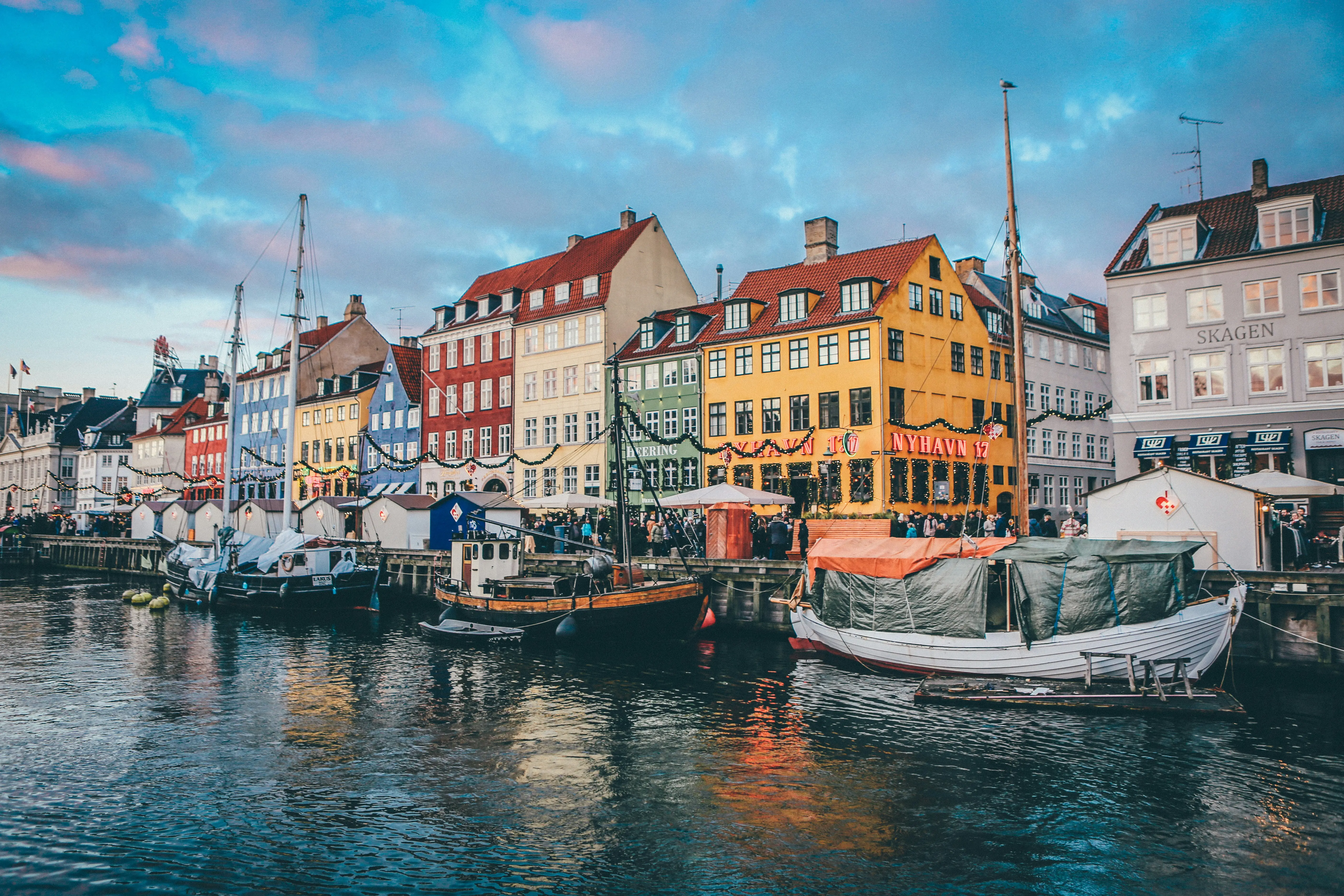
Denmark - Rank 2 | Score: 7.521
Denmark ranks second with balanced work-life culture and a focus on civic responsibility. High taxes fund free education, health, and childcare services. As per the World Happiness Report 2025, Danes value fairness, equality, and collaboration - core aspects that build long-term contentment.
Iceland - Rank 3 | Score: 7.515
Despite its harsh weather, Iceland offers strong community ties and economic resilience. Small population size encourages social cohesion, while gender equality policies keep life satisfaction high. Surveys show Icelanders trust their institutions and neighbours more than almost any other population in the world.
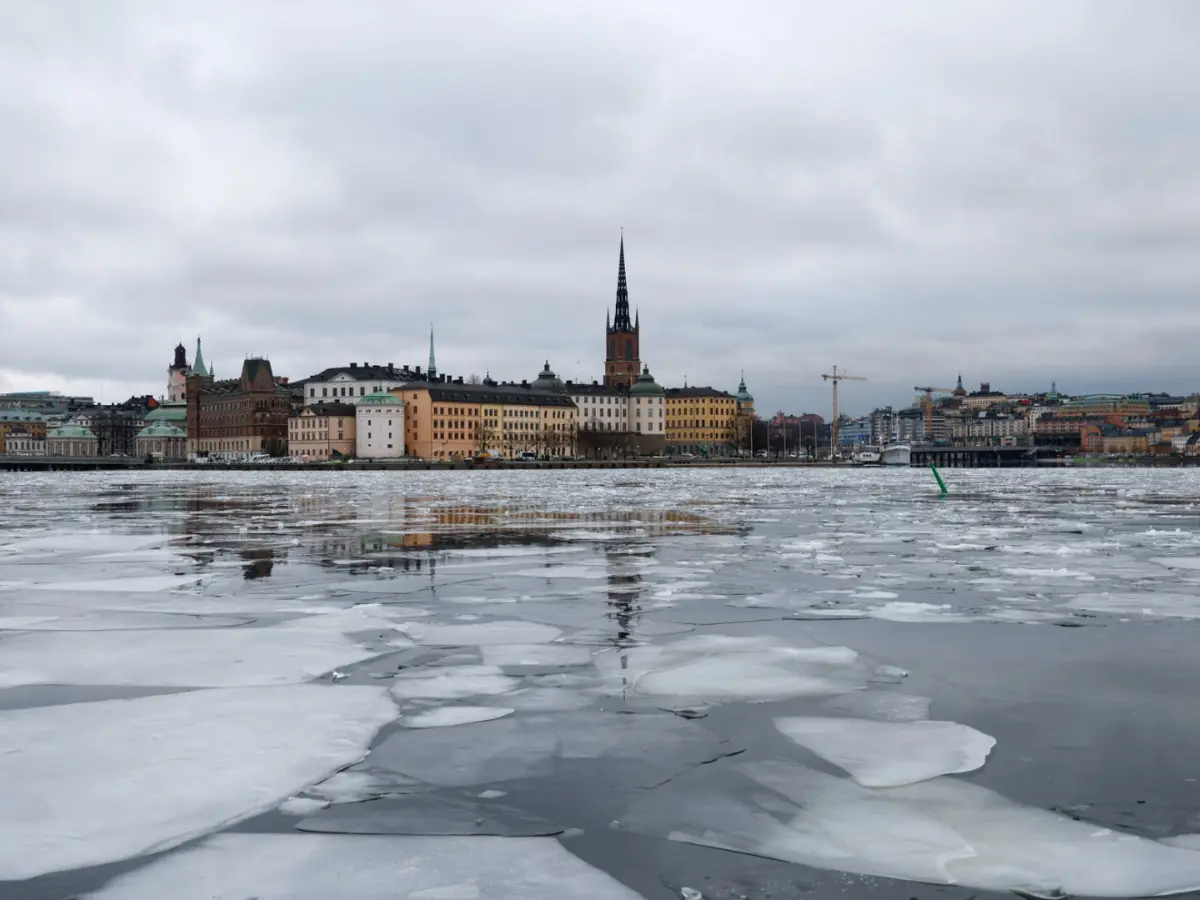
Sweden - Rank 4 | Score: 7.345
Sweden’s ranking reflects its focus on freedom, sustainability, and social equality. Accessible healthcare and high environmental standards contribute to a healthier quality of life. The report notes Sweden’s “collective resilience” as a factor behind consistent happiness scores.
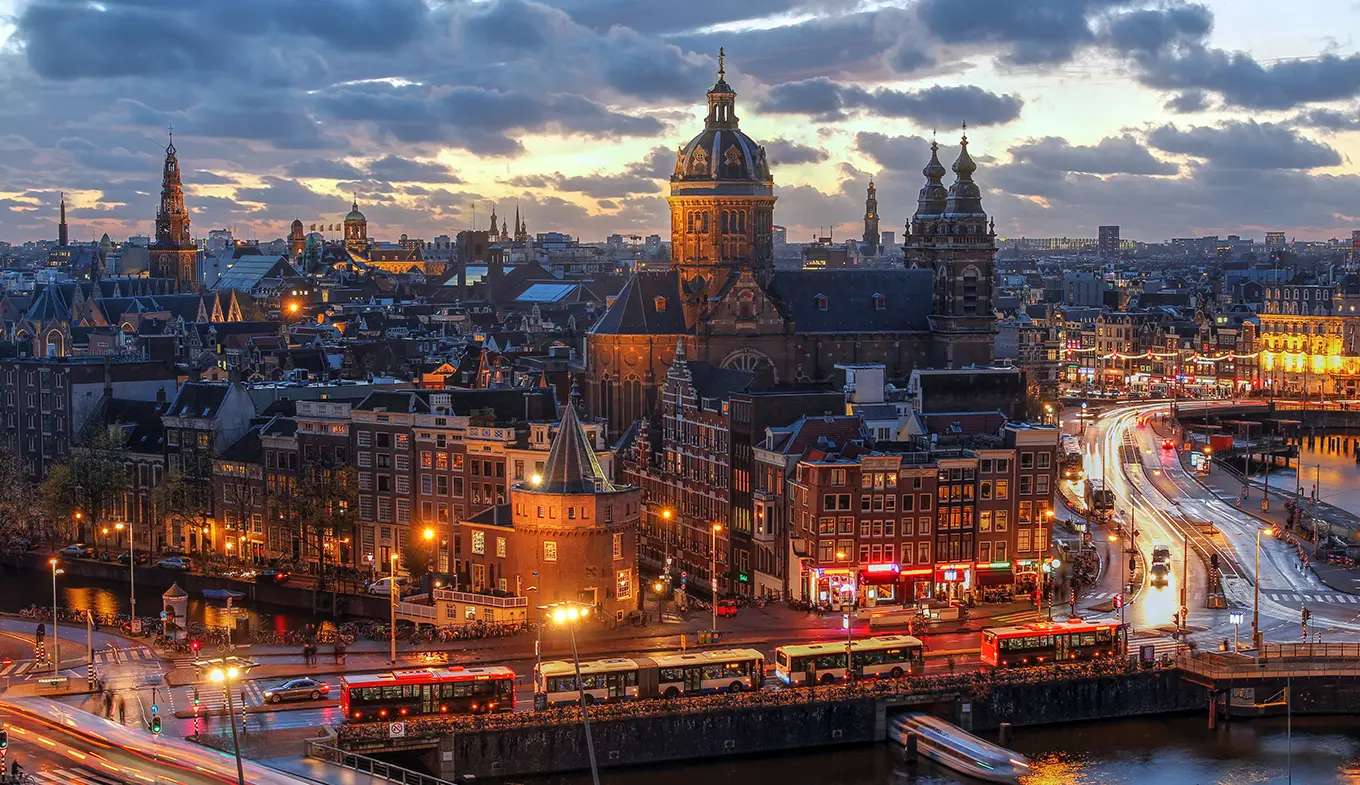
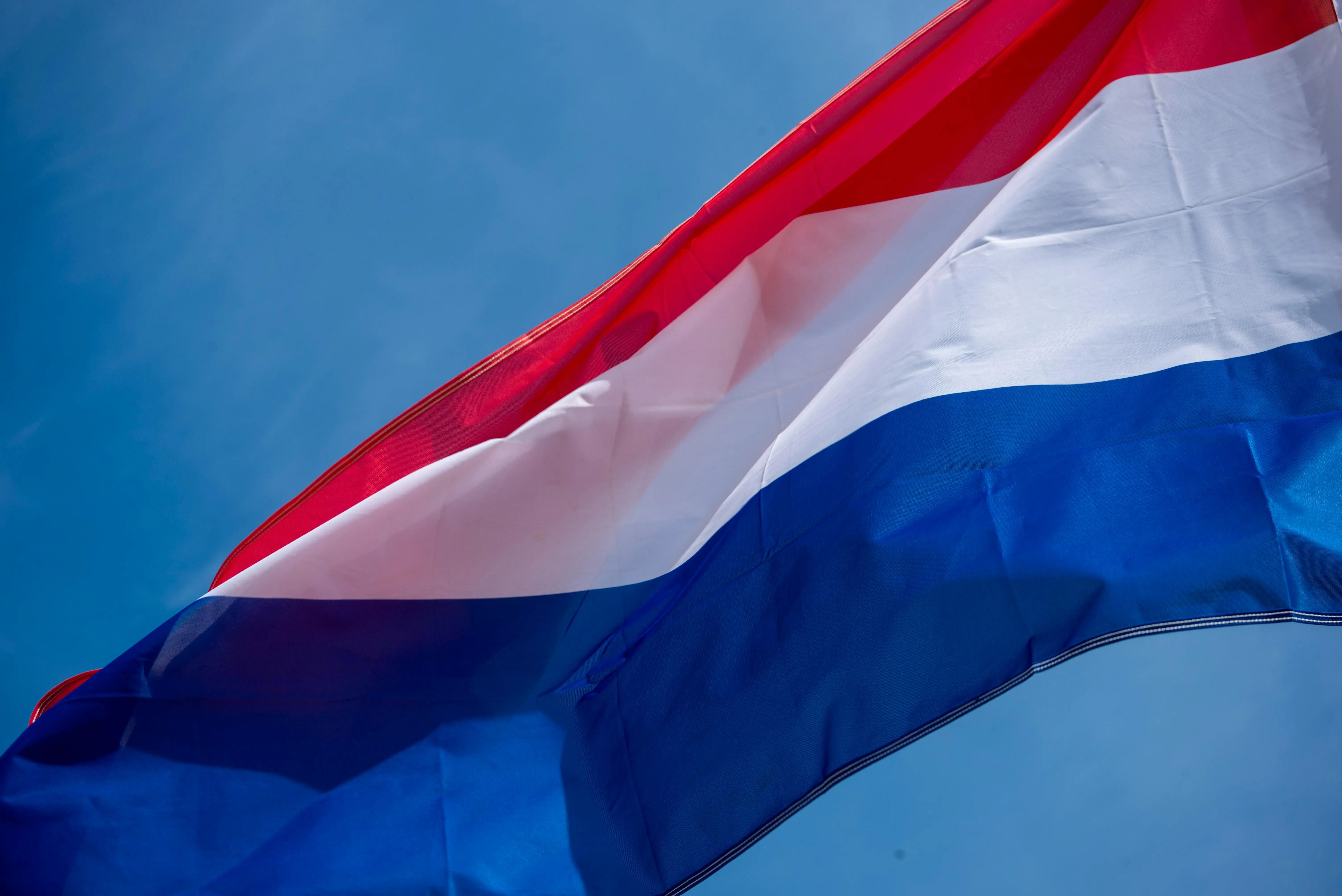
Netherlands - Rank 5 | Score: 7.306
In the Netherlands, happiness is closely linked to lifestyle balance. Citizens enjoy short workweeks, efficient infrastructure, and inclusive education. Families spend more quality time together than those in many other European nations, which strengthens overall happiness levels according to the Oxford Wellbeing Analysis 2025.

Costa Rica - Rank 6 | Score: 7.274
Costa Rica remains Latin America’s happiest country, known for peace and sustainability. Military abolition in 1949 redirected funds to public education and healthcare. Life expectancy here rivals that of Europe, with residents crediting happiness to environmental preservation and community culture.
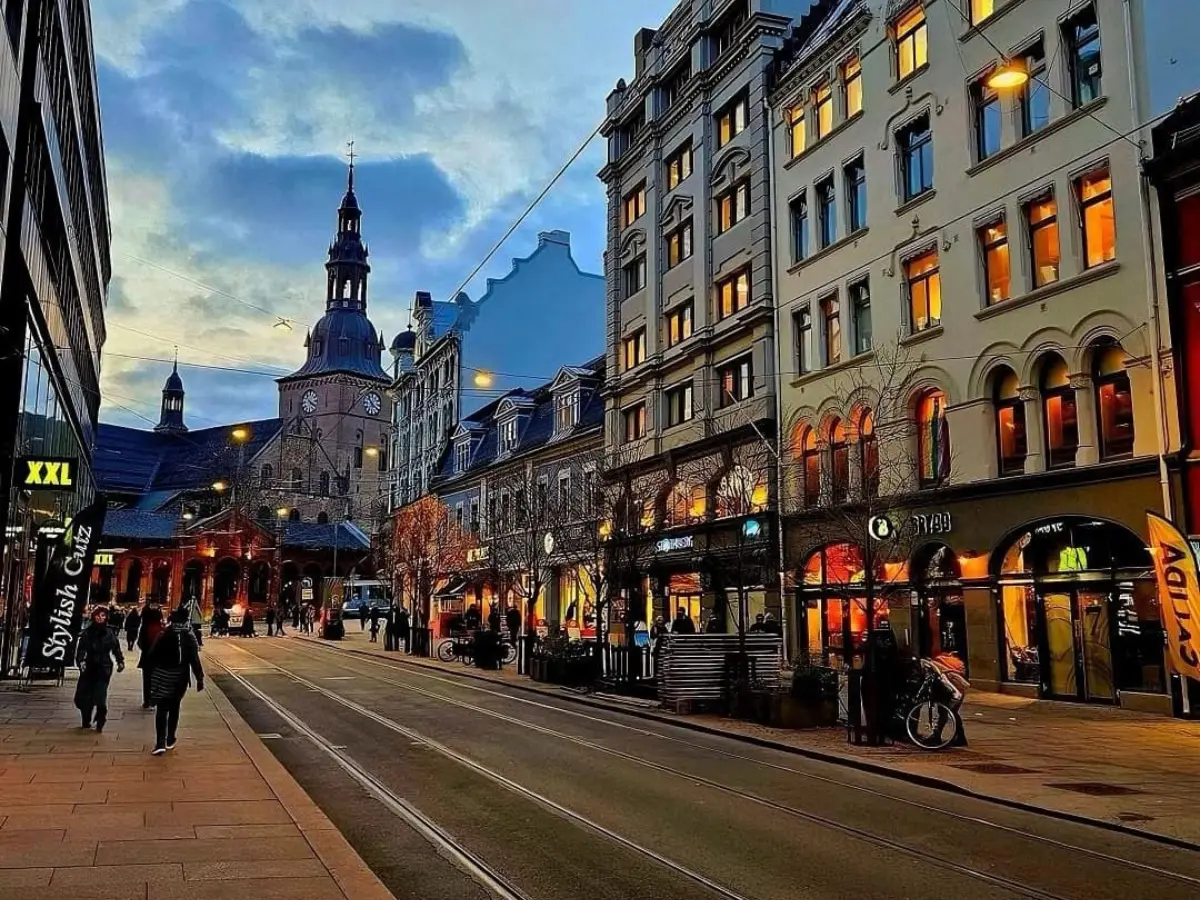
Norway - Rank 7 | Score: 7.269
Norway’s mix of high income, strong governance, and social welfare ranks it among the top ten. A healthy work-life balance and outdoor lifestyle boost mental well-being. Natural resources like oil fund long-term welfare programmes that foster stability and equality.

Israel - Rank 8 | Score: 7.246
Israel maintains high scores despite economic and geopolitical challenges. The report highlights strong communal support and optimism as key strengths. Israel’s advanced health and education systems also ensure stable levels of public confidence and long-term happiness.
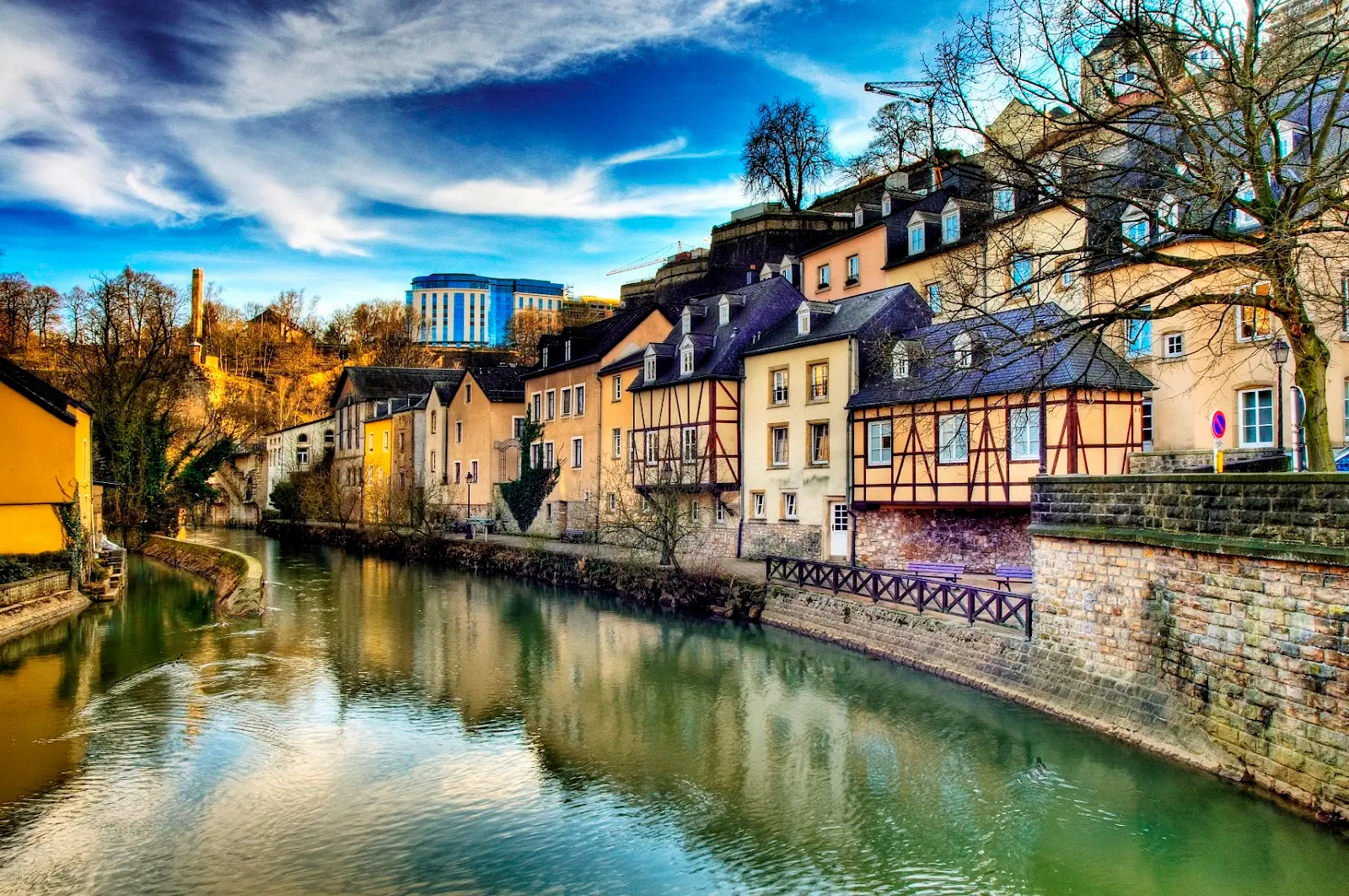
Luxembourg - Rank 9 | Score: 7.228
Luxembourg’s small size doesn’t limit its wealth or quality of life. With one of the world’s highest GDPs per capita and robust welfare infrastructure, citizens experience both financial comfort and social inclusivity. Over 80 per cent of residents say they feel safe walking alone at night, according to Gallup data.

Mexico - Rank 10 | Score: 7.212
Mexico enters the top ten for the first time. Social bonds, cultural traditions, and family-centric living contribute to happiness even amid economic pressure. Optimism is a defining factor for Mexicans, where shared festivals and community spirit outweigh material constraints.
)
)
)
)
)