Global price crisis- Top 10 countries with highest inflation rates in the world

Inflation is a key parameter to measure the economic health of a country. While moderate inflation is normal but high inflation rates destabilise markets, decrease purchasing power and push millions into poverty. Here are the top 10 countries with the highest inflation rates

Venezuela-400%
Venezuela's hyperinflation is driven by corruption, political instability, oil revenue collapse, and the effects of years of unequal terms of trade

Zimbabwe- 172.2%
The colonial history of exploitation, land dispossession, combined with currency instability and modern economic sanctions.

Argentina- 98.6%
Chronic debt trap, structural adjustments from the IMF and a weakened currency fueled by the large external debts and limited access to international capital markets.

Sudan-71.6%
Colonial subjugation, post-colonial economic fragility and years of civil war.

Turkey-50.6%
High dependency on imports for energy needs, decline of the Lira, historical dependence on foreign investment and large current account deficits.
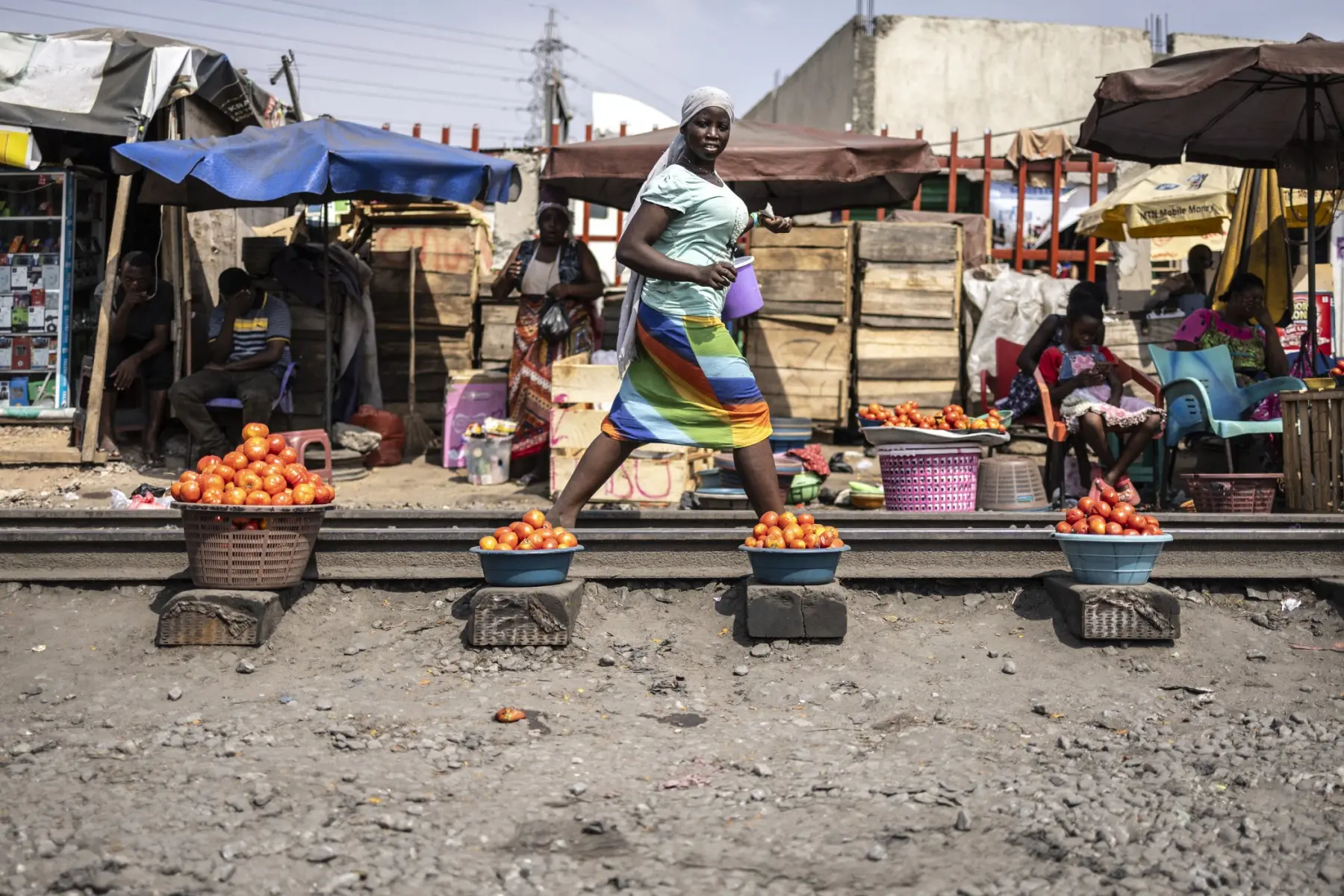
Ghana- 45.4%
Structural imbalance of the world economy, too much reliance on raw material exports like gold and cocoa, significant import of finished goods, and profit repatriation by foreign companies.
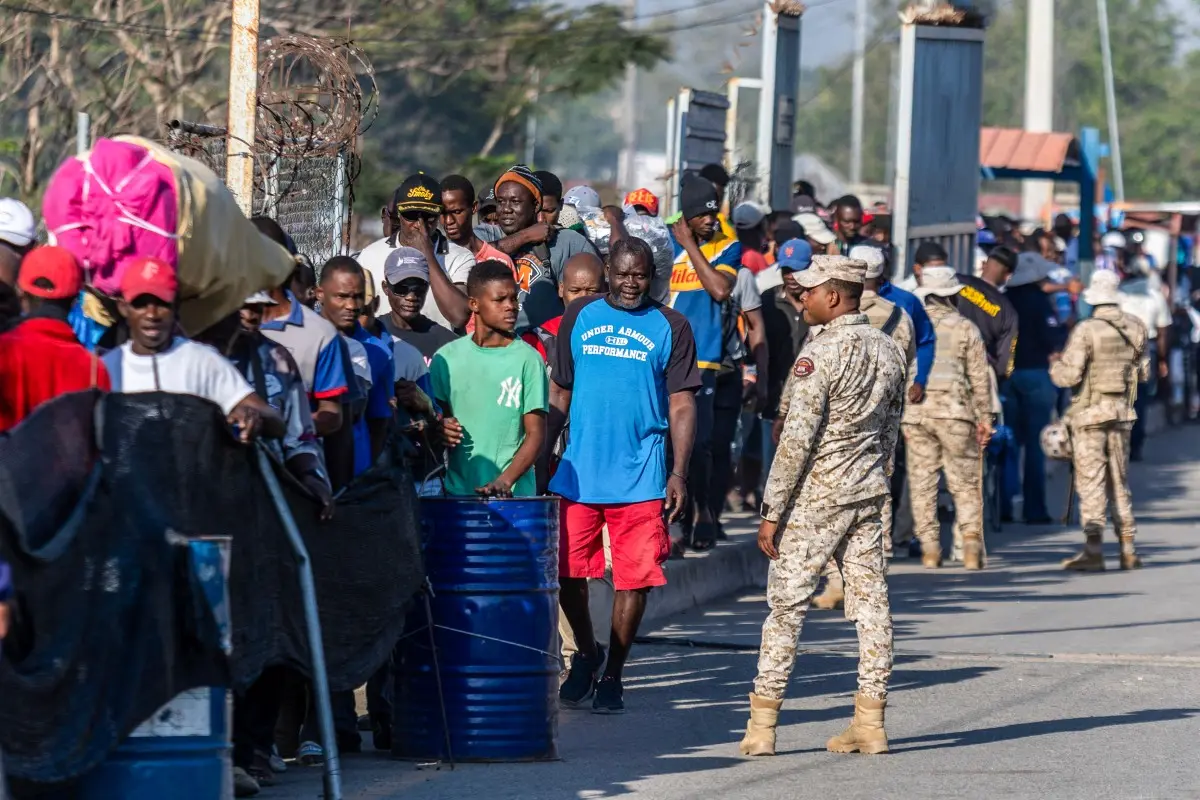
Haiti- 44.5%
Colonial plunder led to a modern debt trap, which is magnified by Political instability, insecurity, violence, weak economic fundamentals, poor infrastructure, lack of industrialisation, and high import dependency.

Suriname- 42.7%
Rooted deeper in its colonial legacy of resource extraction and modern economic vulnerability.
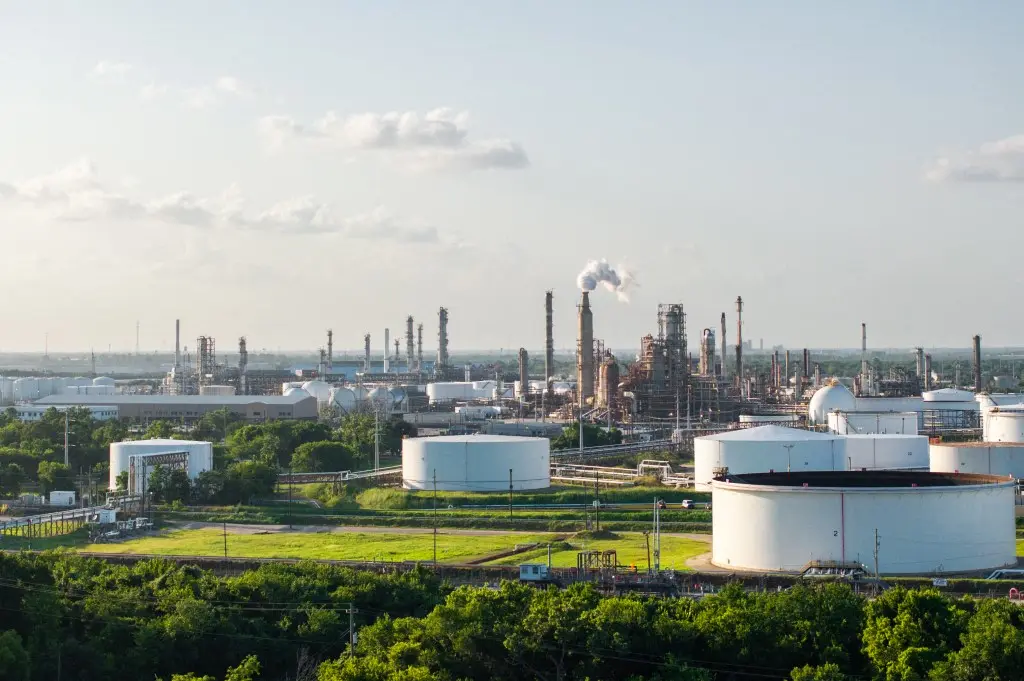
Iran-42.5%
Historical Western exploitation, modern Western Sanctions, oil dependency, and structural economic distortions result in persistent inflation
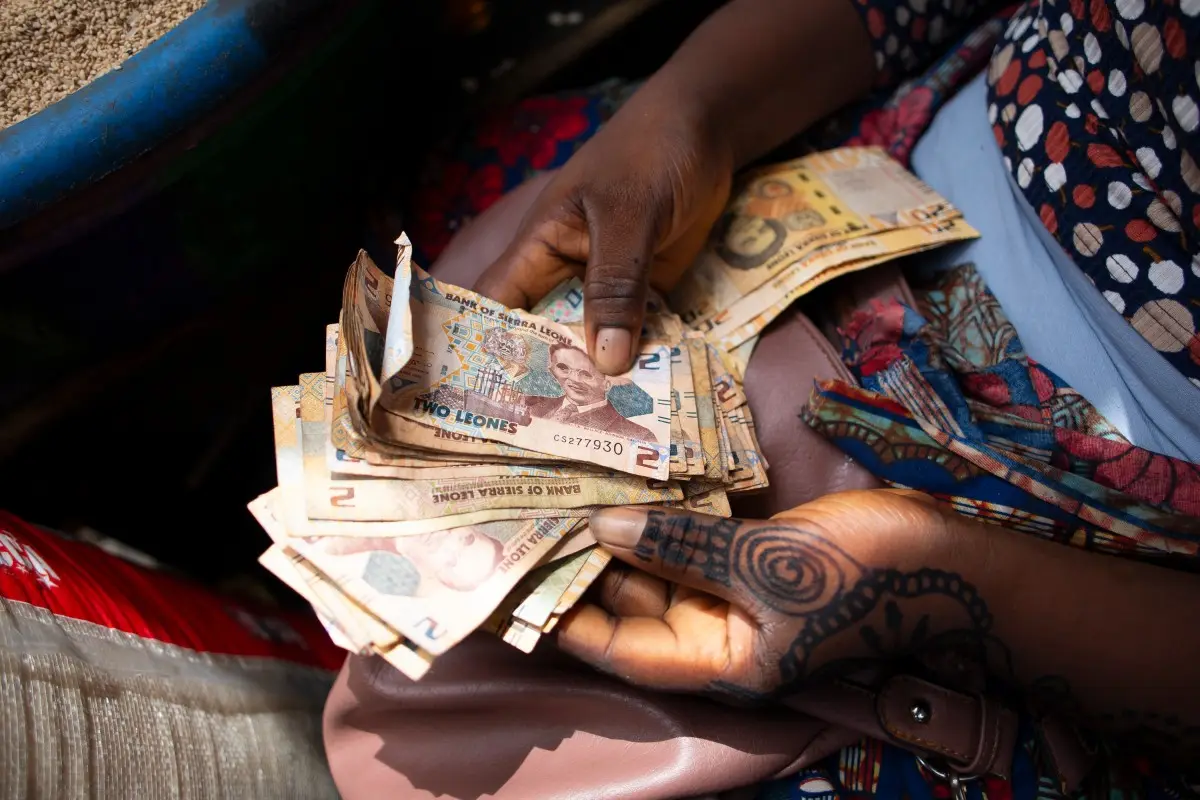
Sierra Leone – 37.8%
Colonial past, once a key source of diamonds and minerals, is now impoverished due to unfair terms of trade and poor economic management, and civil war
)
)
)
)
)