Top 10 countries by labour force 2024-25 - China, India, and the US dominate the global job market

As the global economy expands, the labour force size becomes one of the key drivers behind this growth. As of 2024-25, 3.7 billion people globally are part of the labour force, among them approximately 1.28 billion belong to the Asian continent.

China- 773.9 million
Eventhough China has had a declining labour force for almost a decade, it remains the top-most country with the highest number of people contributing to its economic growth. It is now faced with a rapidly ageing population. China's working conditions are considered to be better than those of most developed countries in terms of wages and infrastructure. It also has a better labour protection framework, like social security and unionisation. The migrant labour makes up nearly ⅓ of its labour force.

India- 607.7 million
India is the most populous country and has the second-largest workforce population, with approximately 60 per cent of the population participating in the labour force. India has the advantage of a demographic dividend with a huge youth population. The median age in India is around 28.8 years, compared to China's 39 and the US's 38. However, some major roadblocks remain, such as the unemployment rate, skill gap, and high rate of informality.

USA- 174.1 million
The United States has a developed, flexible, and diverse labour force. The US labour market is characterised by low unemployment, high productivity, and a hugely service-driven sector, such as technical services, management consulting, and administrative services.
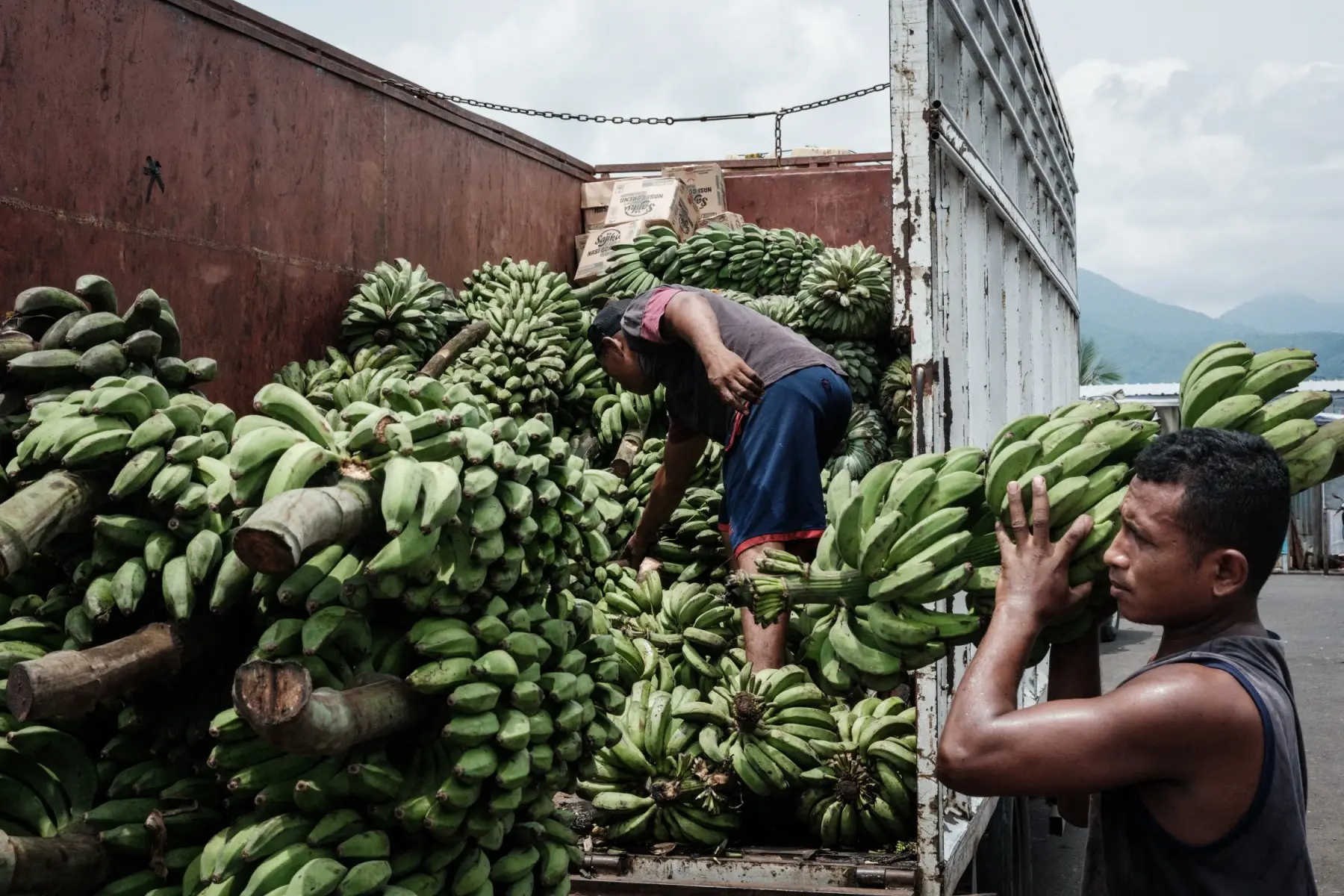
Indonesia- 143.1 million
Indonesia ranks fourth, with over 143 million workers in 2024-25. The country’s young and growing population drives its manufacturing, agriculture, and services sectors. With rising digitalisation and infrastructure investment, Indonesia's labour force is transitioning from agriculture to the service sector.

Nigeria- 113.3 million
Nigeria is the most populous nation on the African continent, and is mostly an agricultural economy. It faces a significantly high unemployment rate and informalisation rate, with official regulation, contracts, and social benefits. Urbanisation and digital startups are creating new opportunities despite persistent unemployment issues.

Brazil- 106.8 million
Brazil has the largest workforce in Latin America. Its labour force is driven by a strong participation in the service sector. There had been signs of recovery in the post-pandemic unemployment rate. Its large working-age population remains vital for its economic output.

Pakistan- 83.64 million
Pakistan's youthful demographic provides significant potential, particularly in agriculture, textiles, and technology. However, employment challenges and skill development remain key hurdles.

Bangladesh- 77.35 million
The garment and textile industries are the backbone of Bangladesh's labour market. Like India and Pakistan, Bangladesh also has a large youth demographic and a high degree of informality. Trade, transportation, and hospitality are growing sectors.
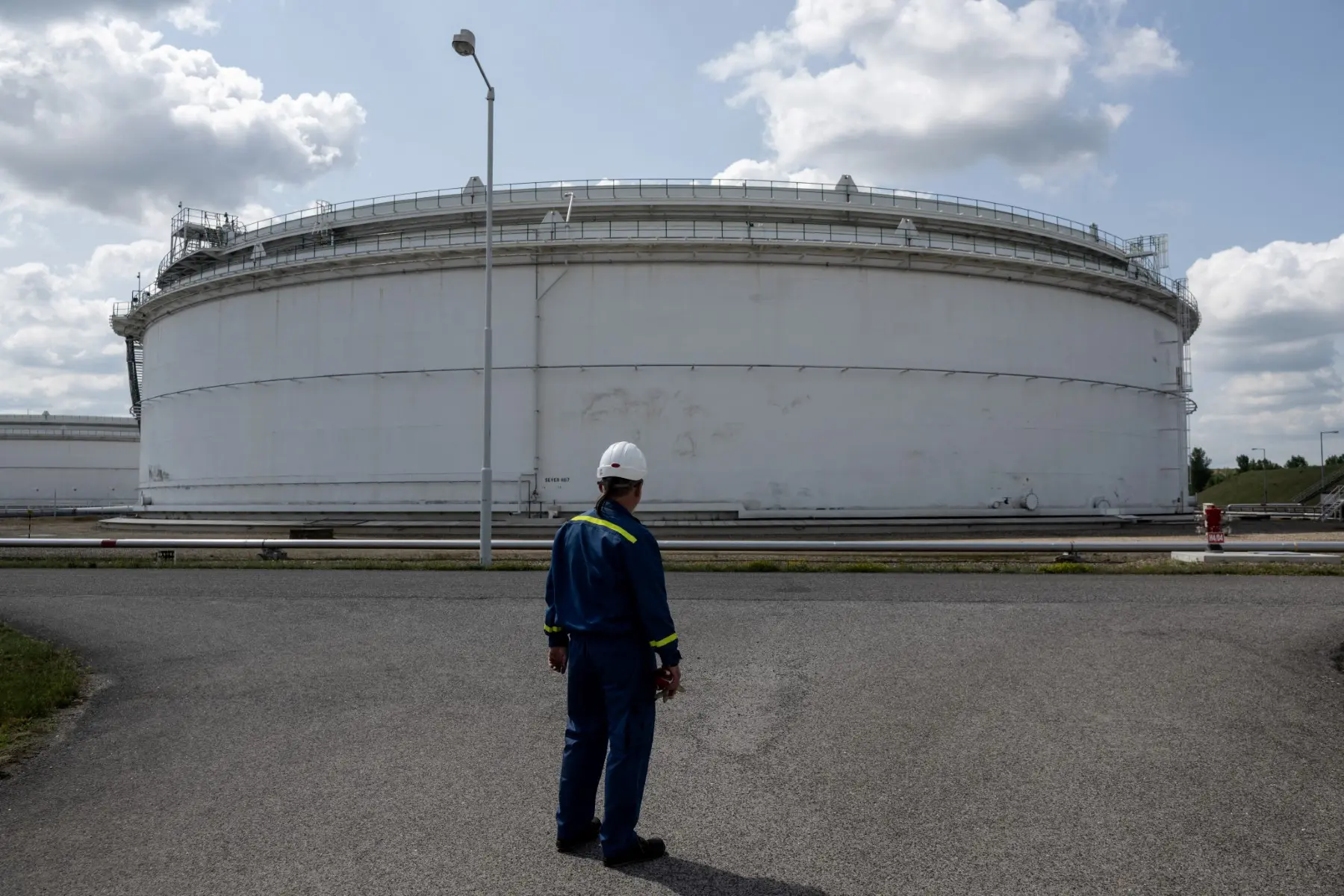
Russia- 72.51 million
Russia ranks ninth, with around 72 million workers. Its workforce is concentrated in energy, manufacturing, and defence sectors. It is suffering from a declining working-age population due to demographic shifts and recent geopolitical factors. Technological modernisation and migration policies aim to stabilise labour numbers.
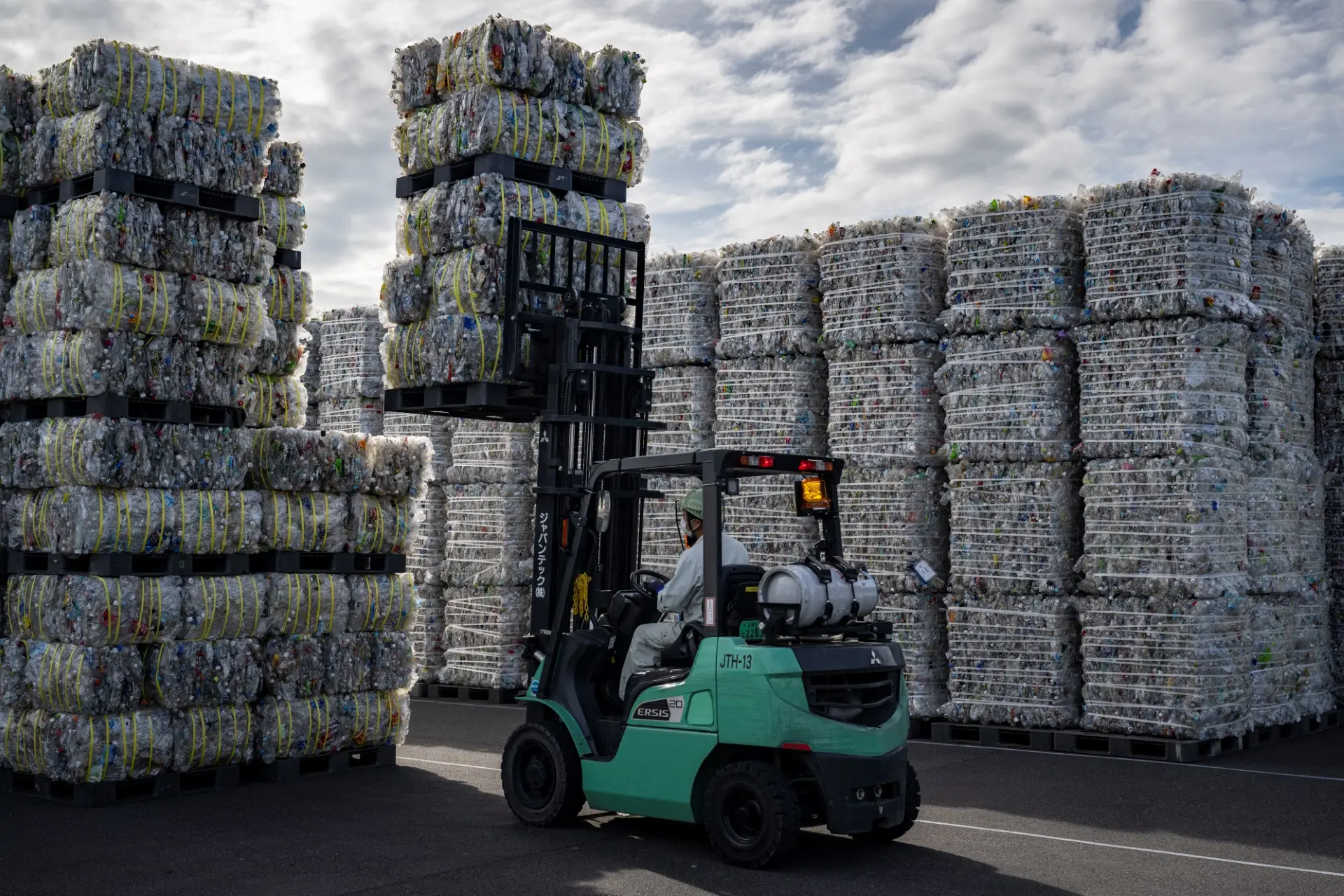
Japan- 69.38 million
Japan is also facing a declining working-age population. However, automation and foreign labour policies are maintaining its economy. Low unemployment rate at 2.5 per cent makes Japan highly productive. Female participation in the workforce is higher in number compared to many East Asian and European nations.
)
)
)
)
)