Top 7 cleanest trains in the world

How some of the world’s top train networks keep their trains impressively clean. From Luxembourg’s spotless trains to Japan’s Shinkansen 7-minute cleaning miracle, these trains lead global cleanliness standards.
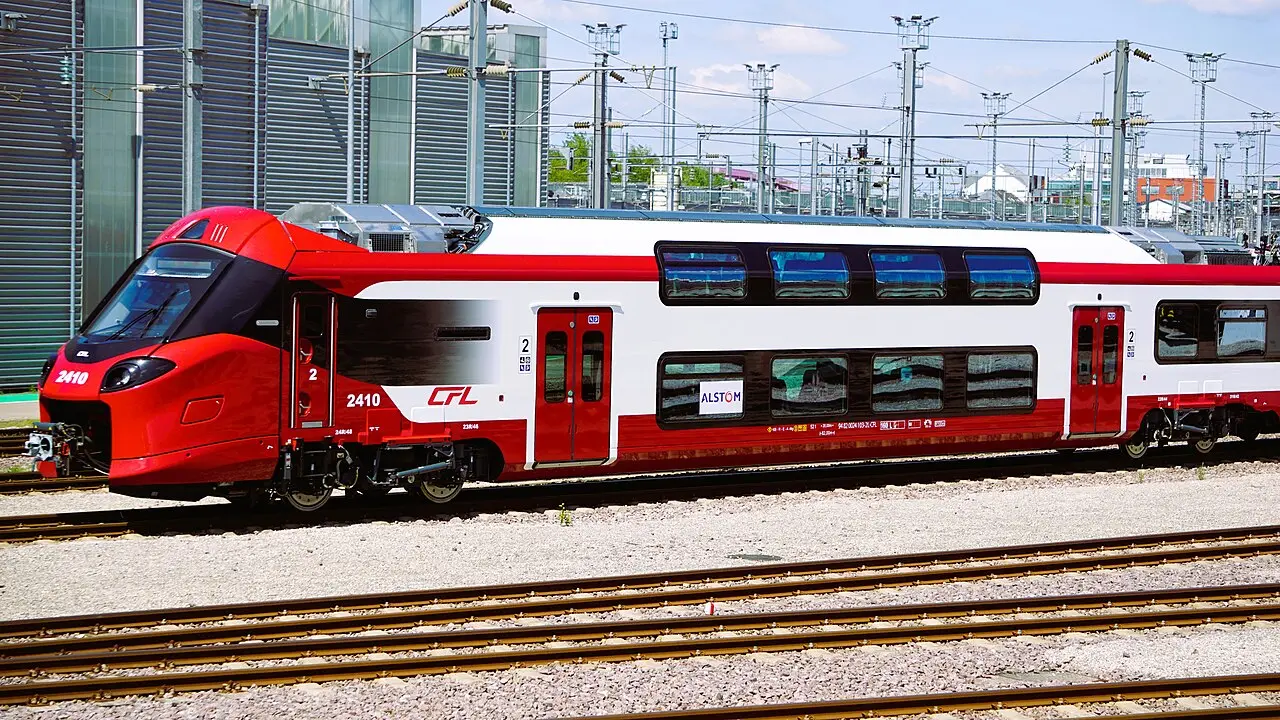
Luxembourg National Railways (CFL) - Exceptionally Clean
Luxembourg’s trains are renowned for their cleanliness and maintenance. Tickets are free, boosting ridership and inspiring high standards of hygiene on both trains and stations. Advanced cleaning technology keeps trains spotless.
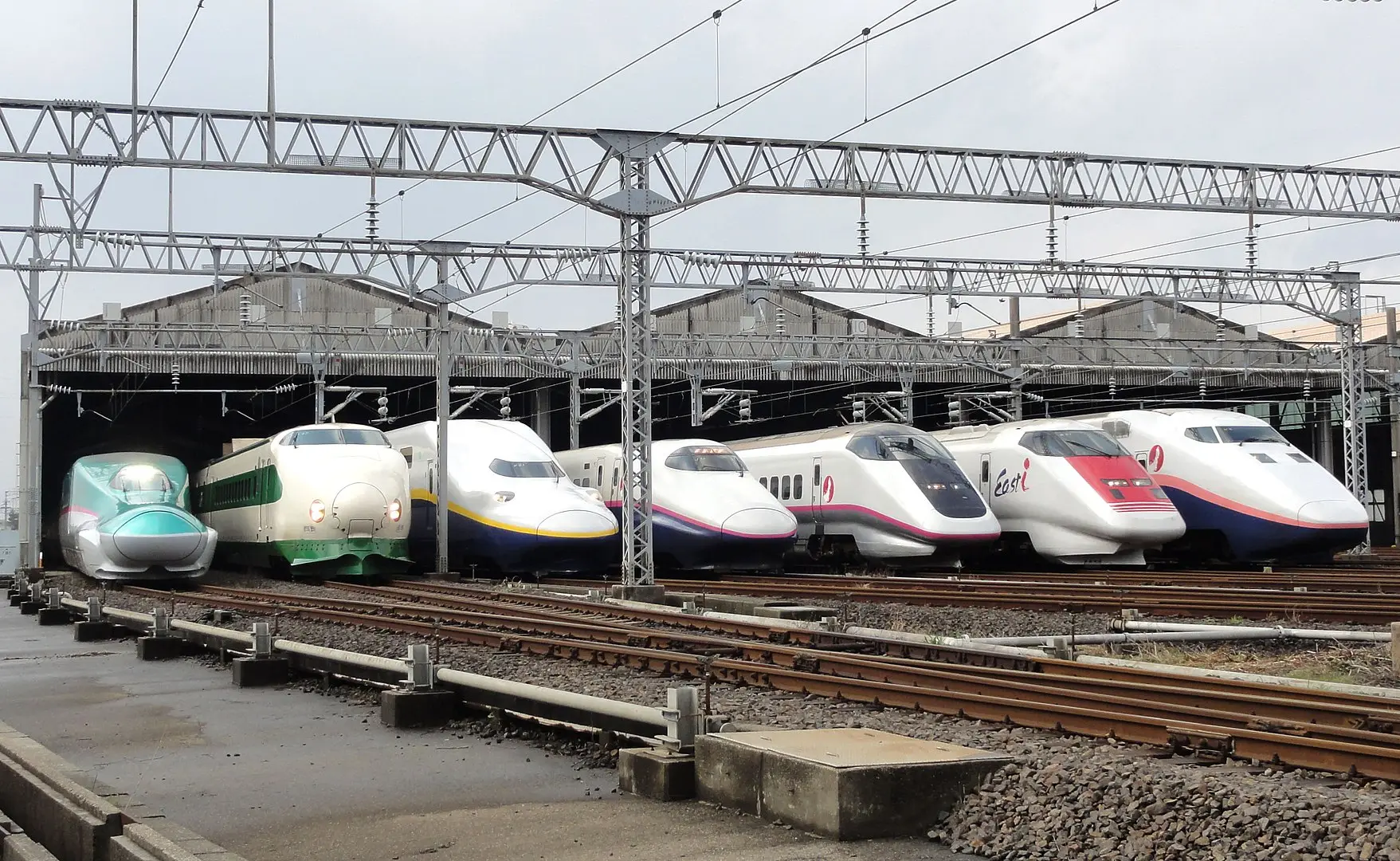
Japan’s Shinkansen - The 7-Minute Miracle
Japanese bullet trains, especially the Shinkansen, are cleaned and sanitised in just 7 minutes between trips. Highly trained staff clean inside and outside thoroughly, ensuring a fresh environment for passengers every time.
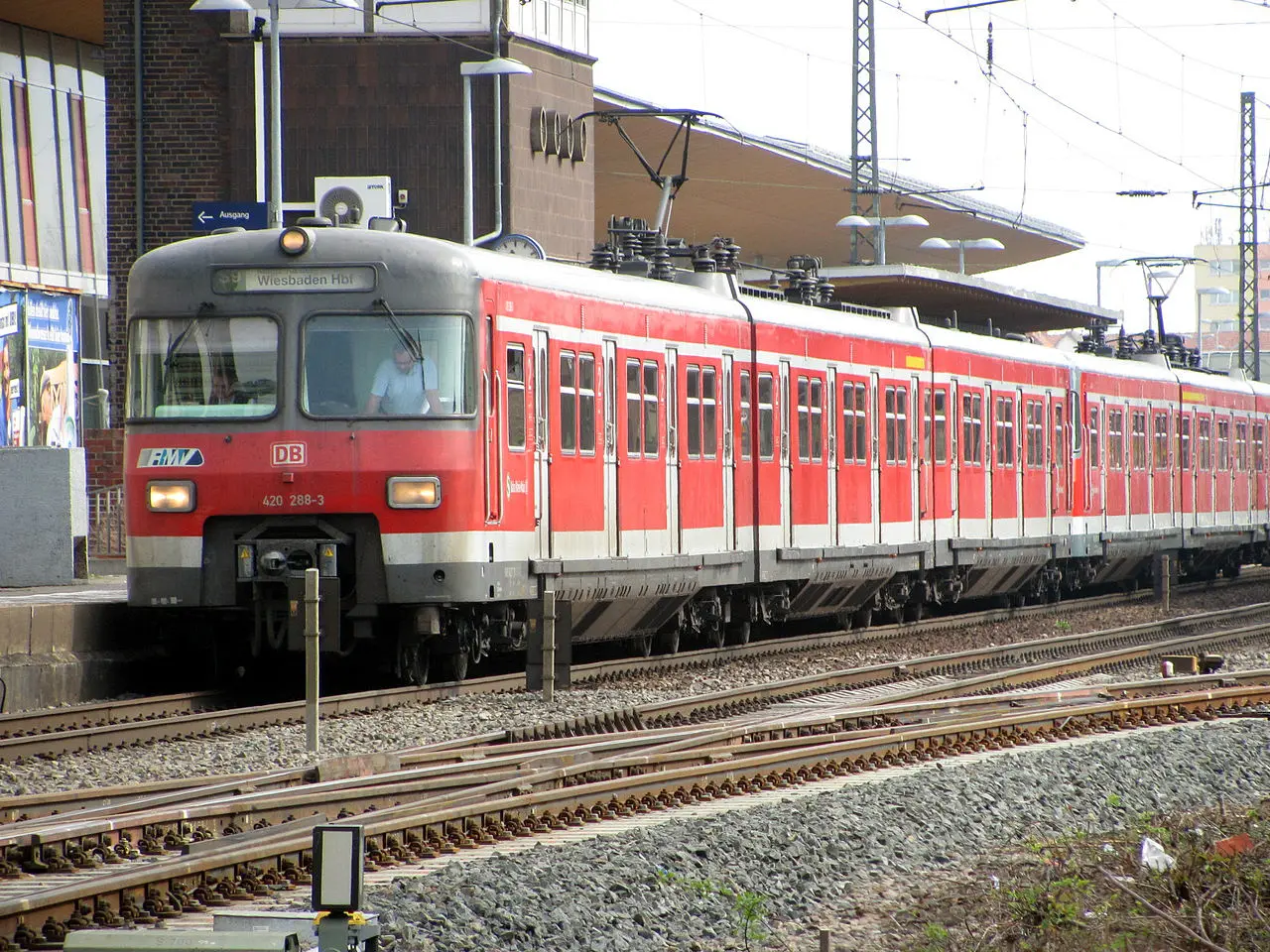
Deutsche Bahn, Germany - Rigorous Cleaning Regimes
Germany’s DB uses strict cleaning schedules and eco-friendly products across its trains. Special teams work at major hubs to maintain fresh air quality and hygiene, including regular carpet shampooing and seat upkeep.
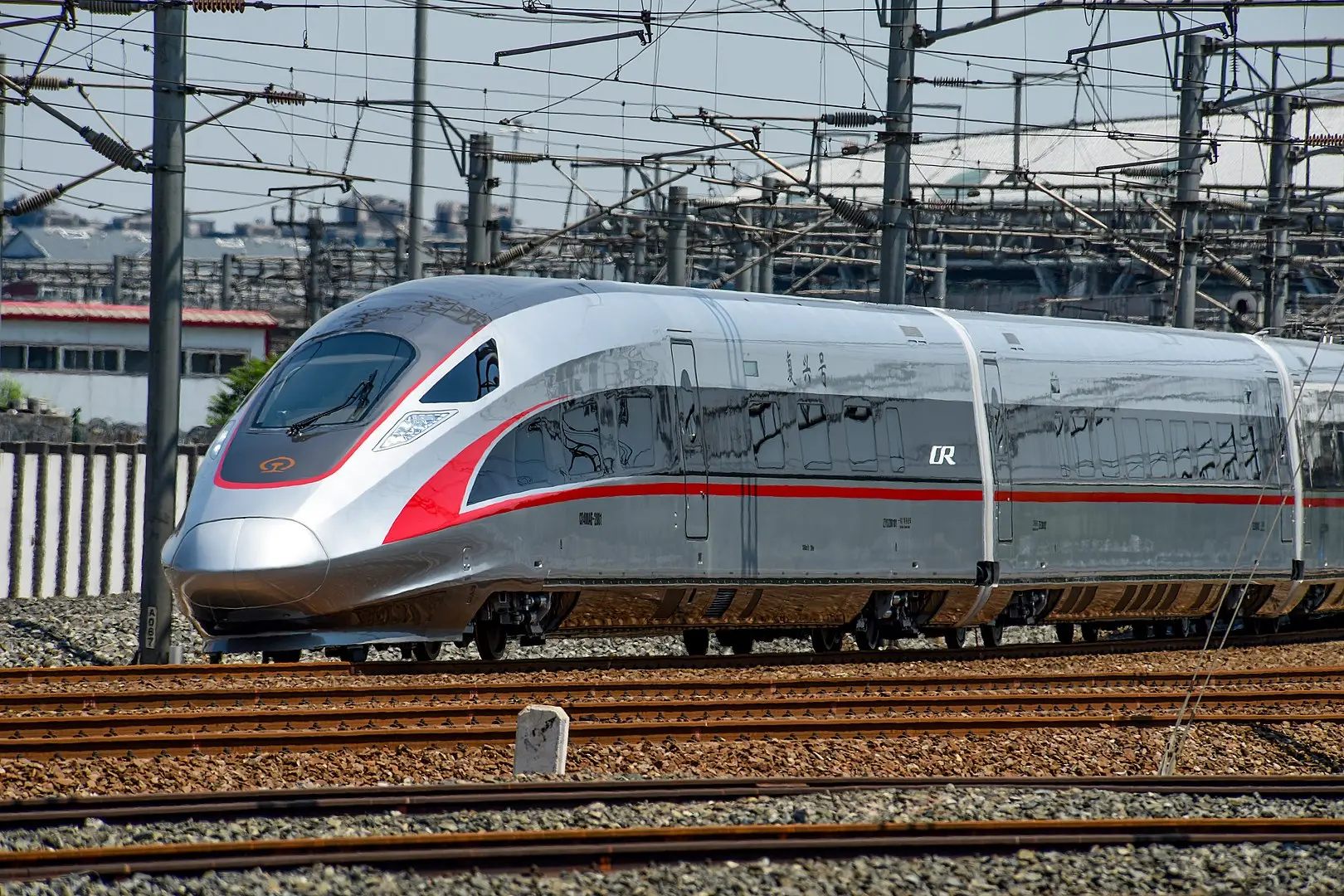
China High-Speed Rail - Automated and Semi-Automated Cleaning
China’s vast network employs robotic mopping, UV light sanitisation, and smart waste management on trains. These technologies ensure quick turnovers and high hygiene standards on busy routes.
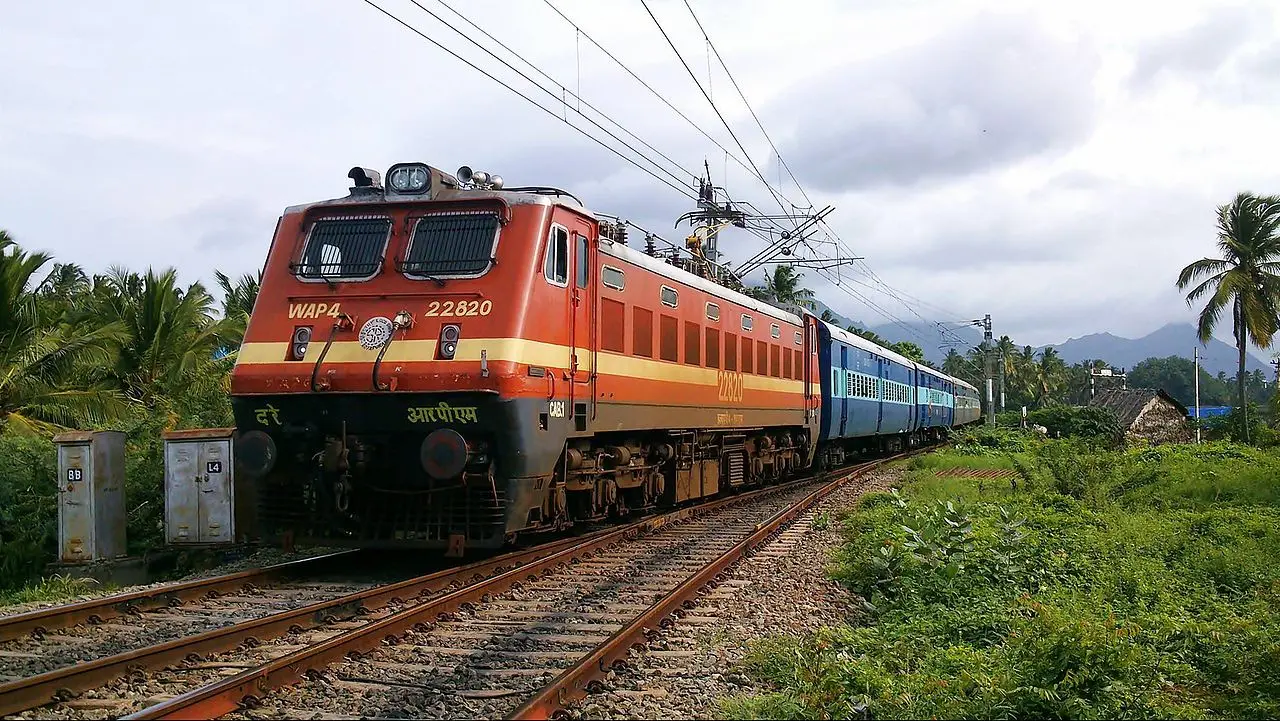
Indian Railways - Initiatives for Net Zero Clean Trains
Indian Railways is committed to cleaner train travel. Initiatives include mechanised toilet cleaning reducing sanitation time to under a minute and increased cleaning frequency, improving overall coach hygiene.
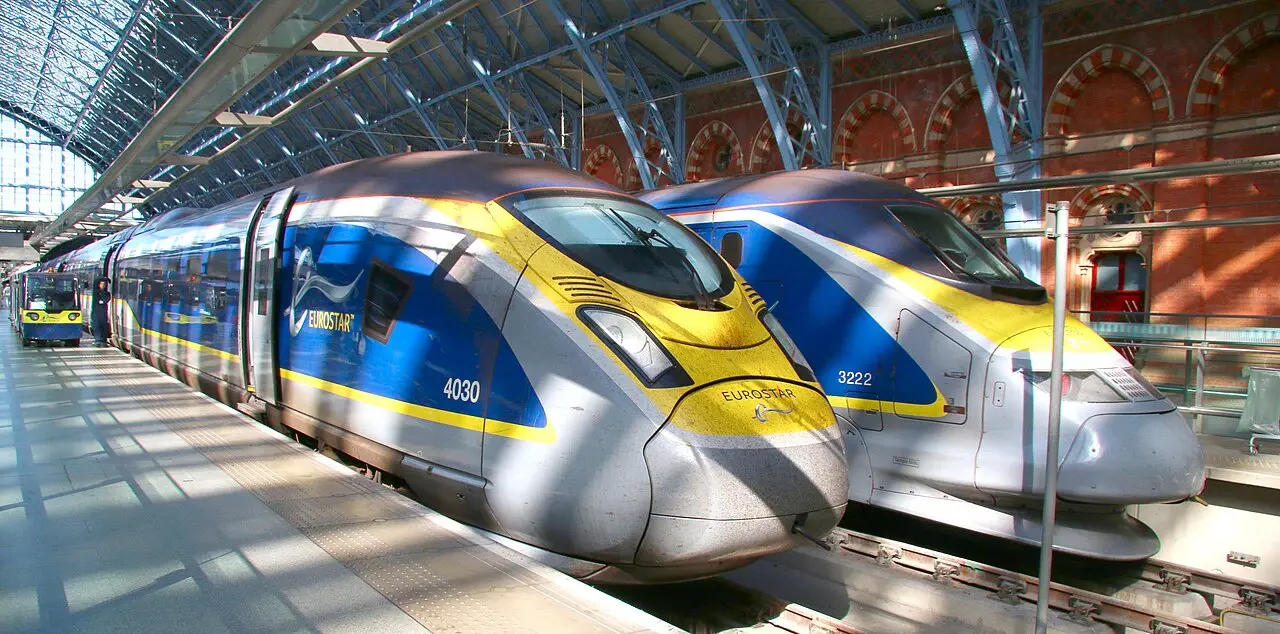
Eurostar, UK & Europe - Public Awareness and Cleanliness
Eurostar maintains high cleanliness with daily deep cleaning and campaigns against littering. It ensures a hygienic environment on its high-speed trains connecting major European cities.
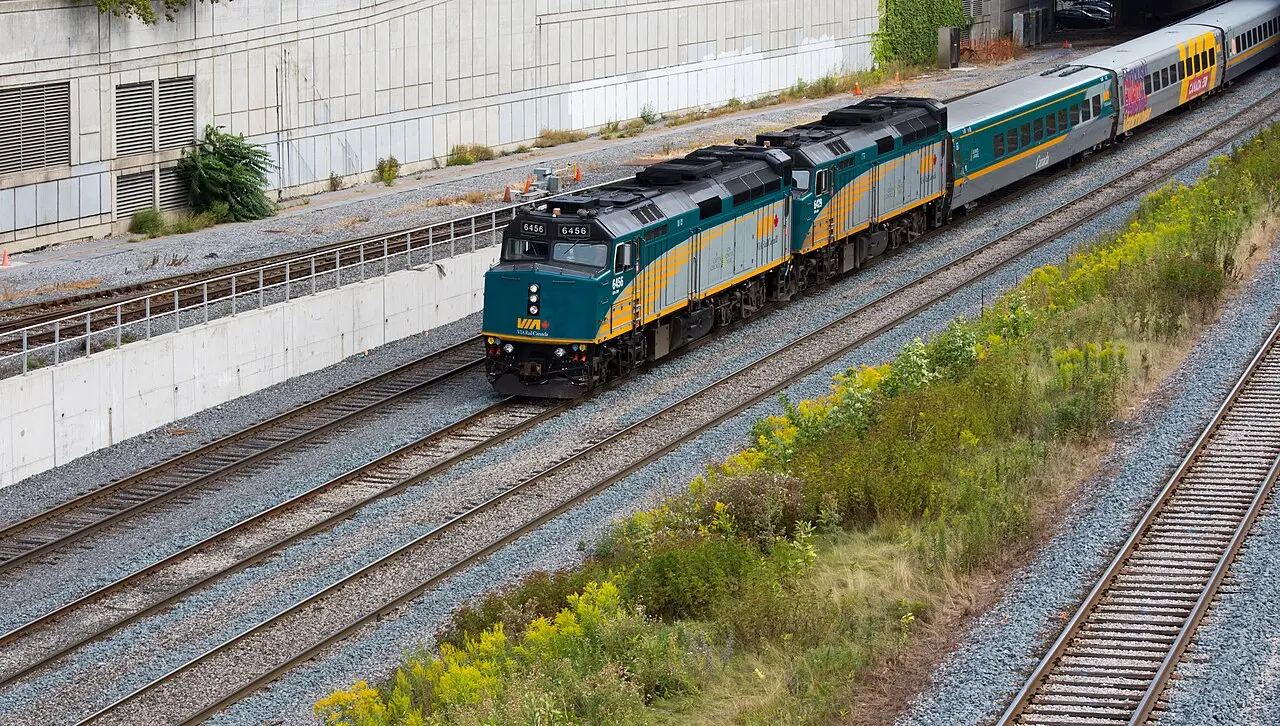
VIA Rail, Canada - Detailed Cleaning Protocols
Canada’s VIA Rail focuses on scheduled deep cleaning, waste management, and disinfection, especially post-pandemic. It uses advanced cleaning systems to secure passenger health and comfort.
)
)
)
)
)