Toilet trouble in space: What went wrong with Artemis II’s toilet, how it was fixed?

Ahead of the April 1 apogee raise burn, the Artemis II crew reported a blinking fault light, prompting mission control to analyse the data and work with the astronauts to successfully diagnose and resolve the issue.
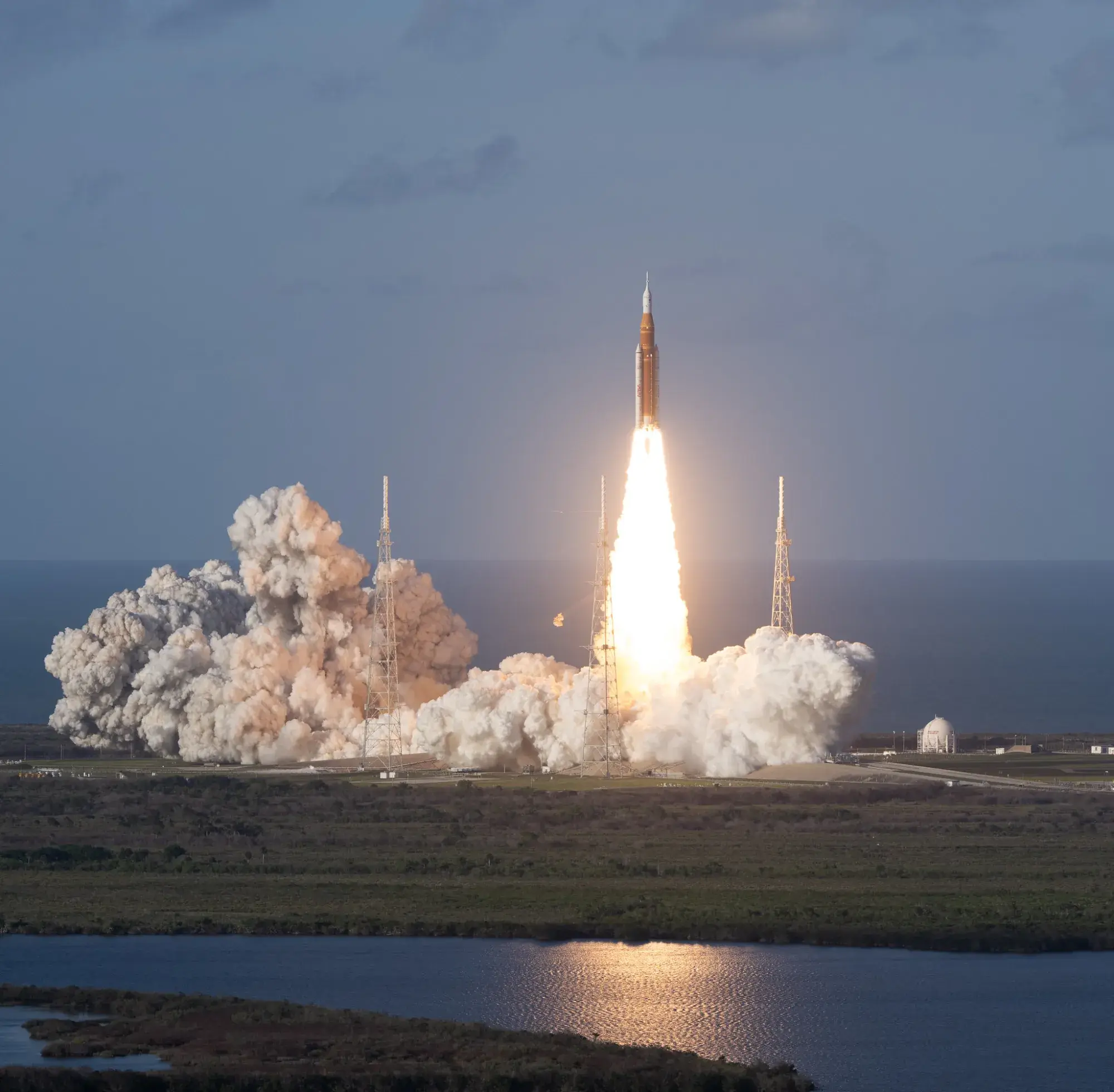
Artemis II lifted off
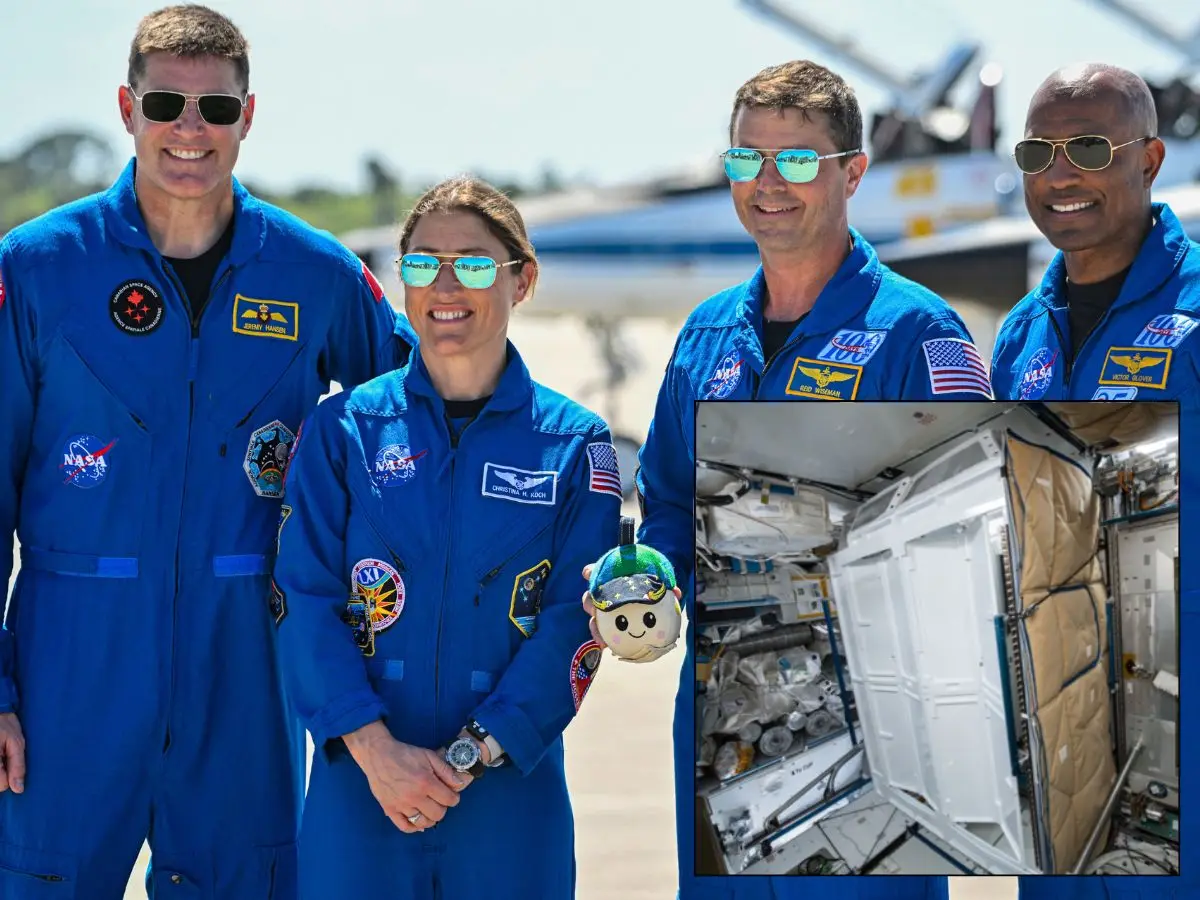
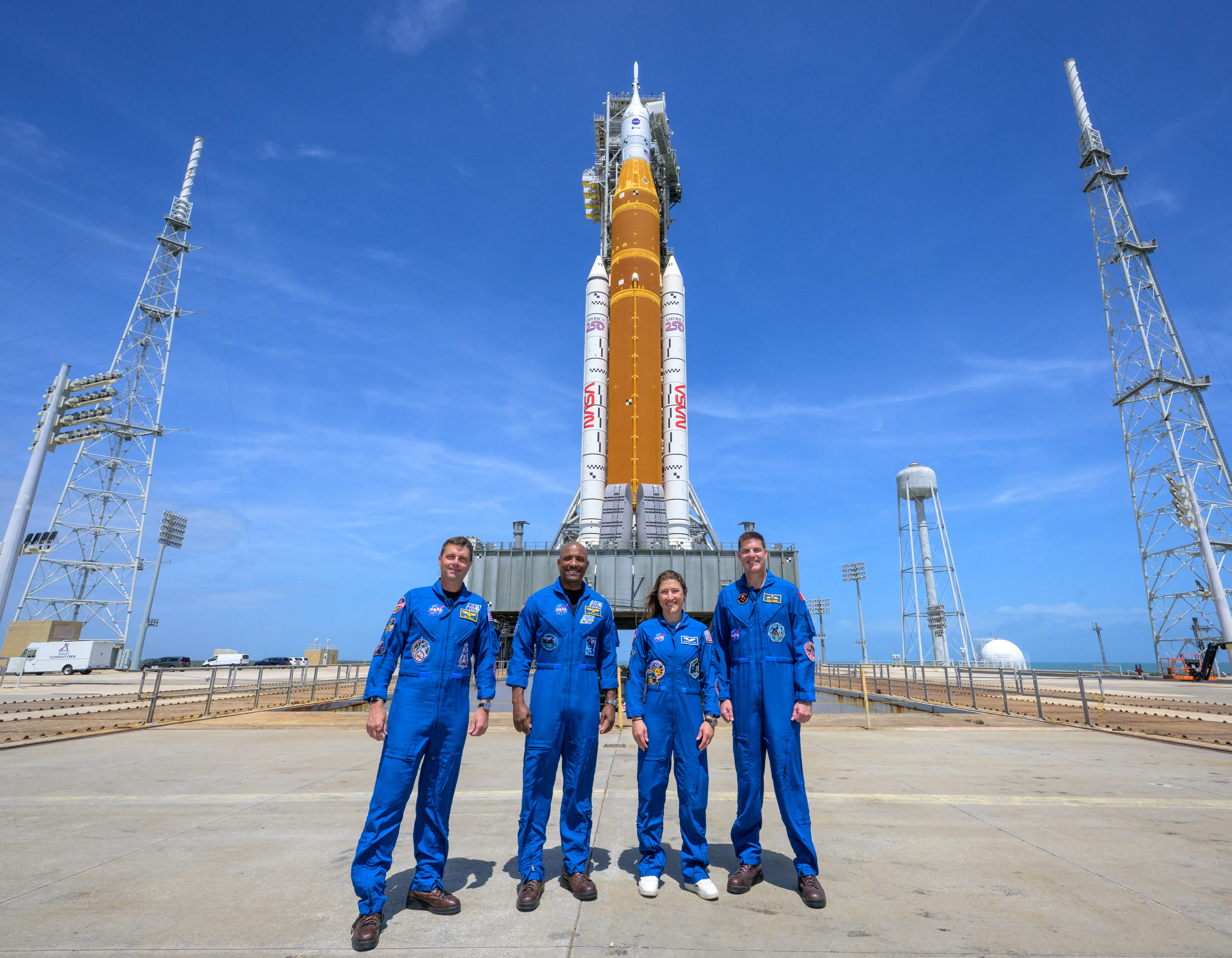
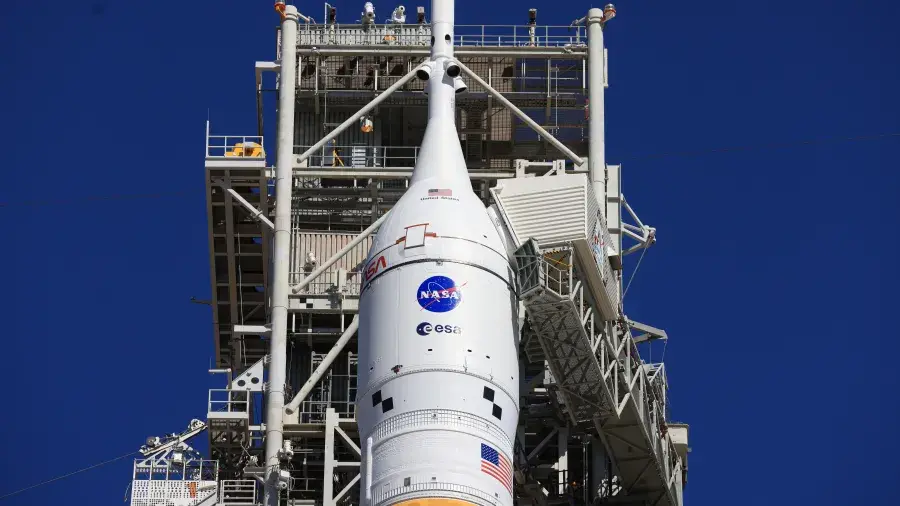
Historic Artemis II lifted off from NASA’s Kennedy Space Center at 3:54 am EDT on April 2, propelled by the Space Launch System (SLS) rocket. The twin solid rocket boosters and four RS-25 engines generated 8.8 million pounds of thrust, sending the 5.75-million-pound Orion spacecraft into orbit. As the umbilicals detached, the rocket transitioned to fully autonomous flight, marking the first crewed mission of the Artemis programme. Onboard were NASA astronauts Reid Wiseman, Christina Koch, Victor Glover, and Canadian Space Agency astronaut Jeremy Hansen, beginning a 10-day journey around the Moon to test critical systems for future deep space and lunar missions.
A routine check reveals an unexpected issue
Shortly after launch, NASA’s Artemis II crew began standard system checks aboard Orion. Around two hours into the mission, a fault emerged, not in propulsion or navigation, but in the spacecraft’s toilet.
The system at the centre of attention
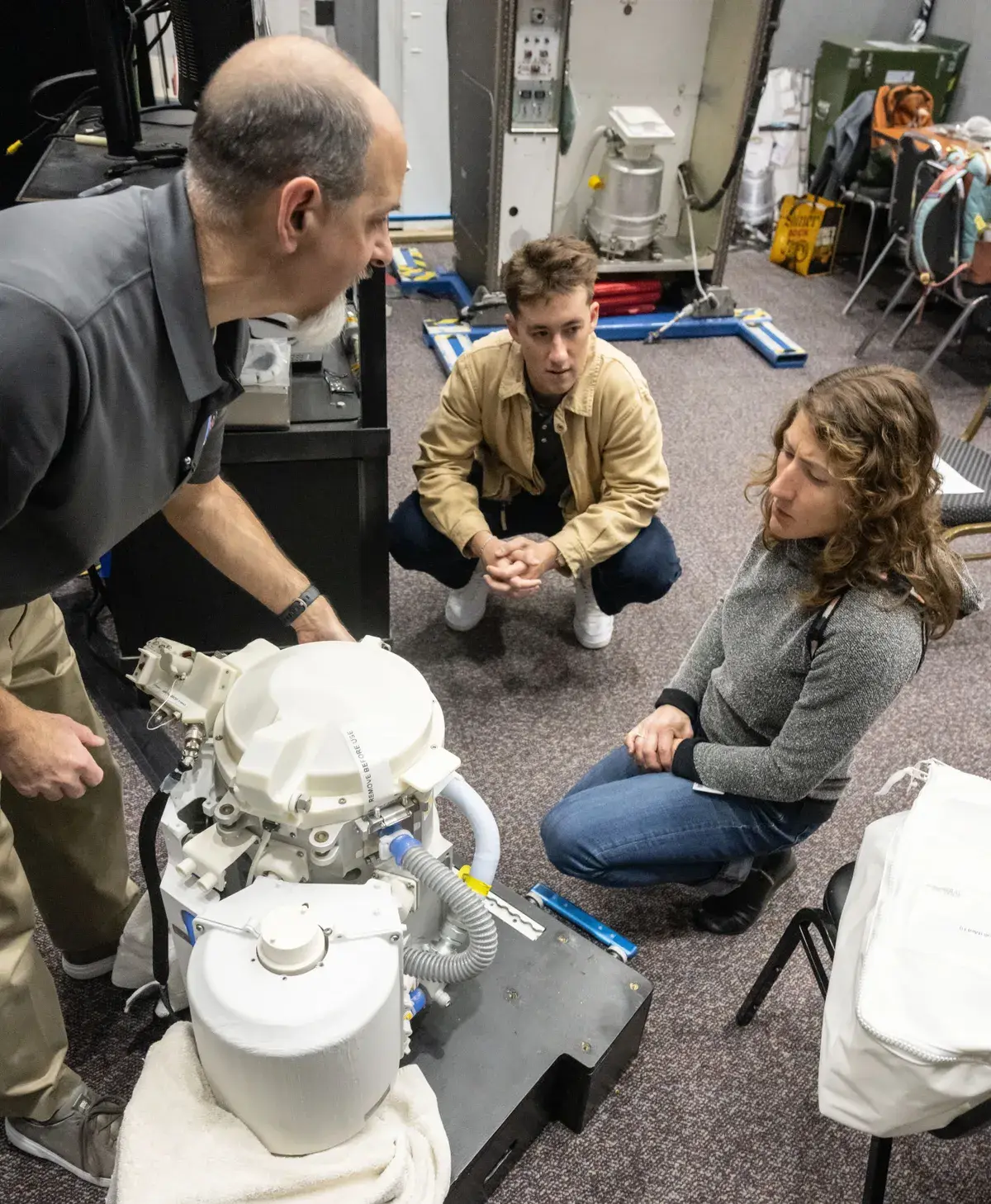
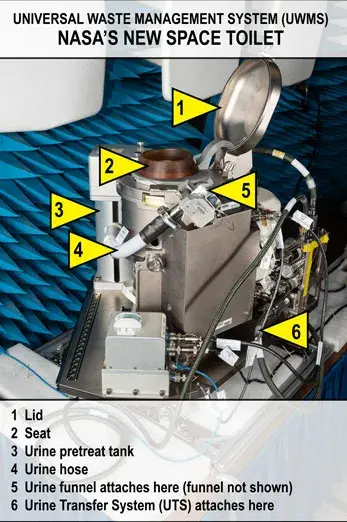
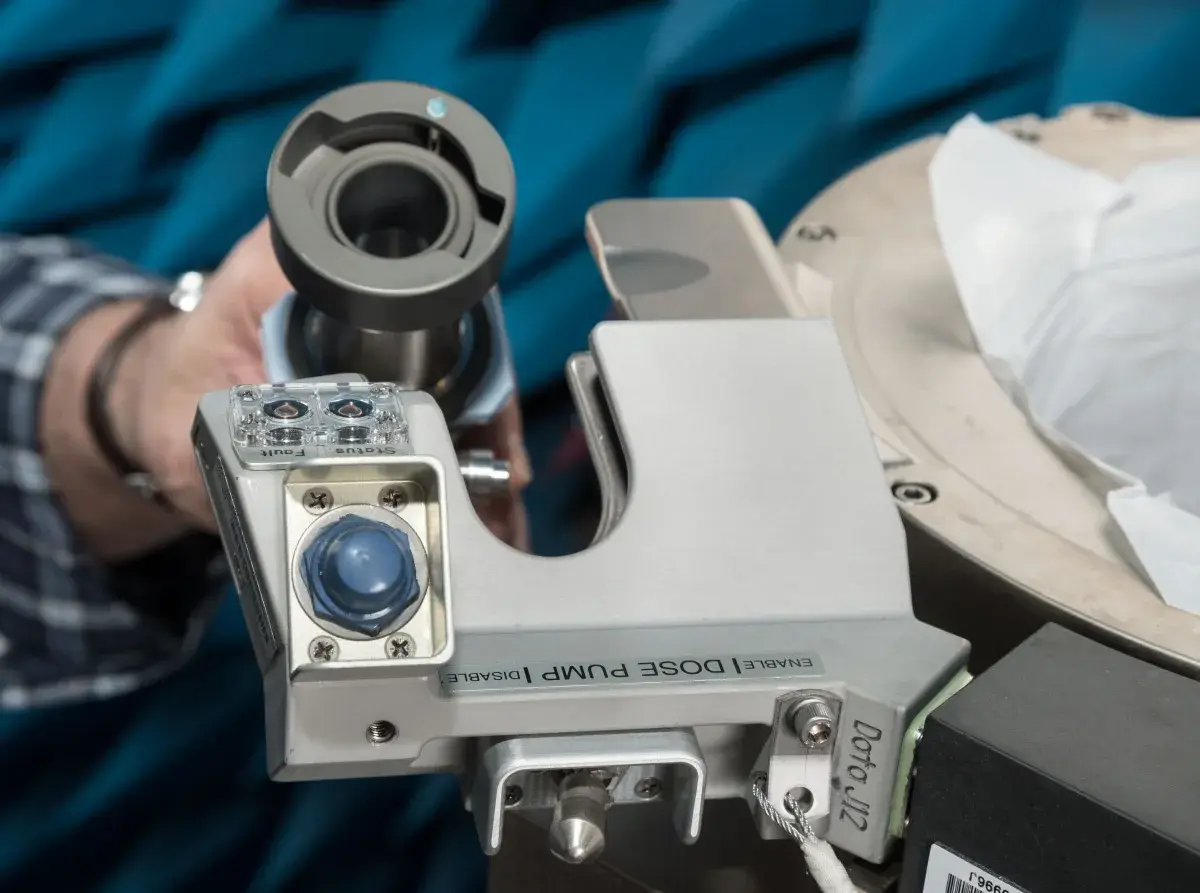
The Orion spacecraft carries a compact toilet known as the Universal Waste Management System. Designed for deep space missions, it handles both liquid and solid waste using airflow and sealed storage. Ahead of the apogee raise burn, the Artemis II crew reported a blinking fault light, prompting mission control to analyse the data and work with the astronauts to successfully diagnose and resolve the issue. The issue was reported by Christina Koch, one of the four astronauts aboard the mission.
Rapid troubleshooting in orbit
Engineers in mission control worked with the crew to diagnose the problem. According to NASA, teams “successfully assessed the data and worked with the crew to troubleshoot and resolve the issue.” The fix was implemented within hours. Mission control later confirmed: “Happy to report that toilet is go for use,” advising the crew to allow the system to reach operating speed before use.
How the toilet actually works
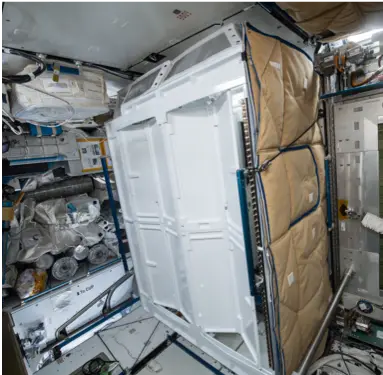
In microgravity, waste does not fall away naturally, requiring a carefully engineered system. The Orion spacecraft’s toilet uses airflow to draw waste into sealed containers, with a hose and funnel for urine and a seat for solid waste. Handrails and foot restraints help astronauts stay in position. Known as the “hygiene bay”, it offers space comparable to an aircraft lavatory, according to Lockheed Martin, Orion’s manufacturer.
A significant step beyond Apollo
The presence of a toilet marks a major change from the Apollo missions. Astronauts in the 1960s and 1970s relied on plastic waste bags, storing solid waste and venting urine into space. Artemis II is the first deep space mission to include a dedicated toilet, offering improved hygiene and a measure of privacy.
Why it matters for long missions
Although Artemis II lasts around 10 days, it is designed to test systems for longer missions. Reliable waste management is essential for crew health and mission success. NASA Associate Administrator Amit Kshatriya noted, “Artemis II is a test flight, and the test has just begun,” underlining the importance of validating every onboard system.
A fix that restores confidence
The issue did not halt operations, and backup options, including collection bags, remained available. With the system restored, the incident highlights both the challenges and progress of human spaceflight. According to Space.com, Artemis 2 mission specialist Jeremy Hansen of the Canadian Space Agency said in a video overview, the toilet is “the one place… where we can actually feel like we’re alone,” a small but meaningful advance as humans return to deep space.
)
)
)
)
)