This fuel makes a fighter jet fly! The science behind JP-8

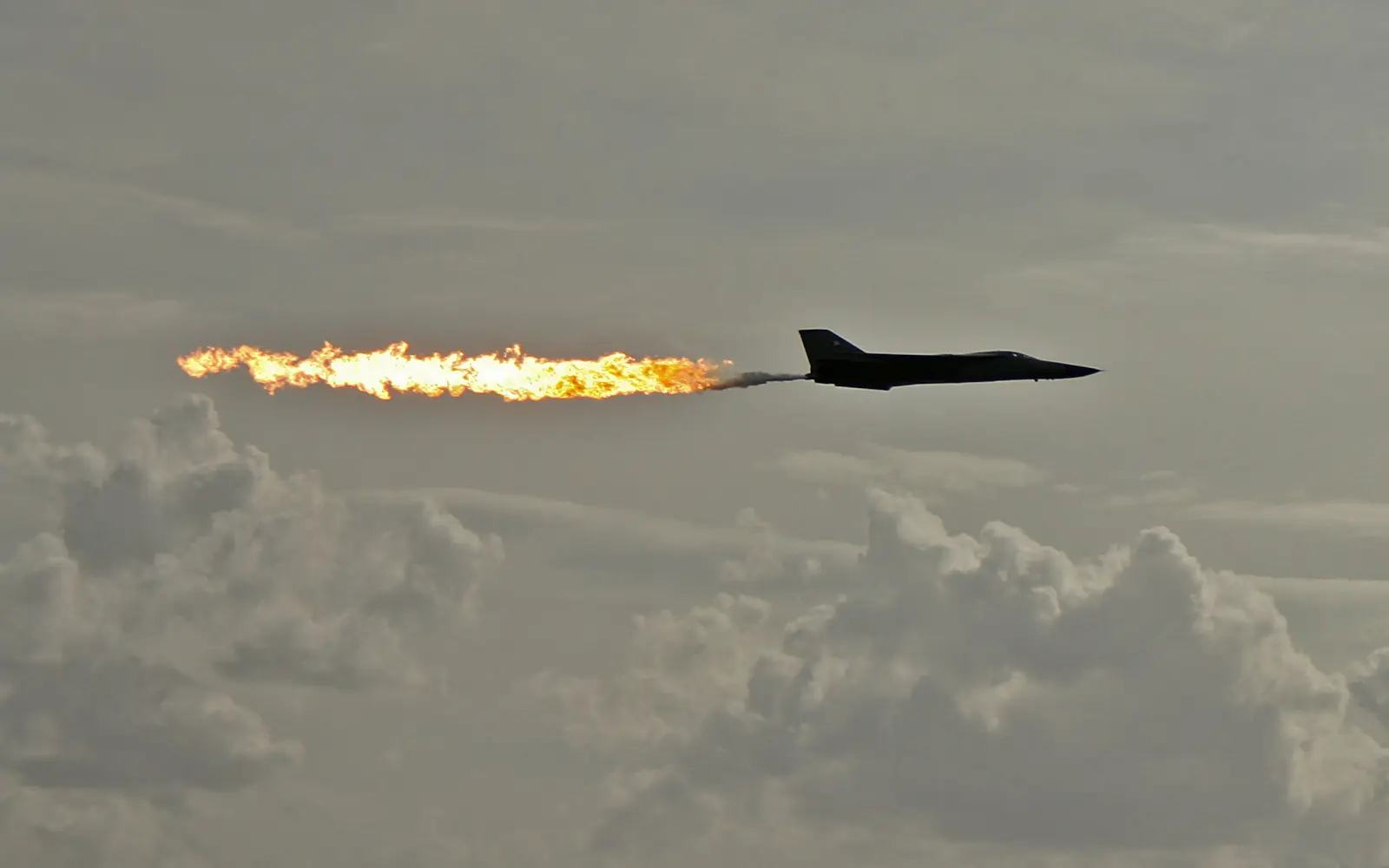
Every time a fighter jet takes off with a deafening roar and pierces the sky at supersonic speeds, it owes that power not just to engineering genius, but also to what’s inside its fuel tanks. That secret sauce is JP-8, the lifeblood of modern military aviation.
What is JP-8 and Why Is It Special?
JP-8 (Jet Propellant 8) is a kerosene-based aviation fuel used primarily by NATO air forces. Think of it as a military-optimised version of Jet A-1, but with additives that make it safer, more versatile, and more suited to battlefield conditions. It's not just about propulsion, JP-8 is designed for reliability across extreme altitudes, climates, and combat environments.
Why Fighter Jets Don’t Use Petrol or Diesel
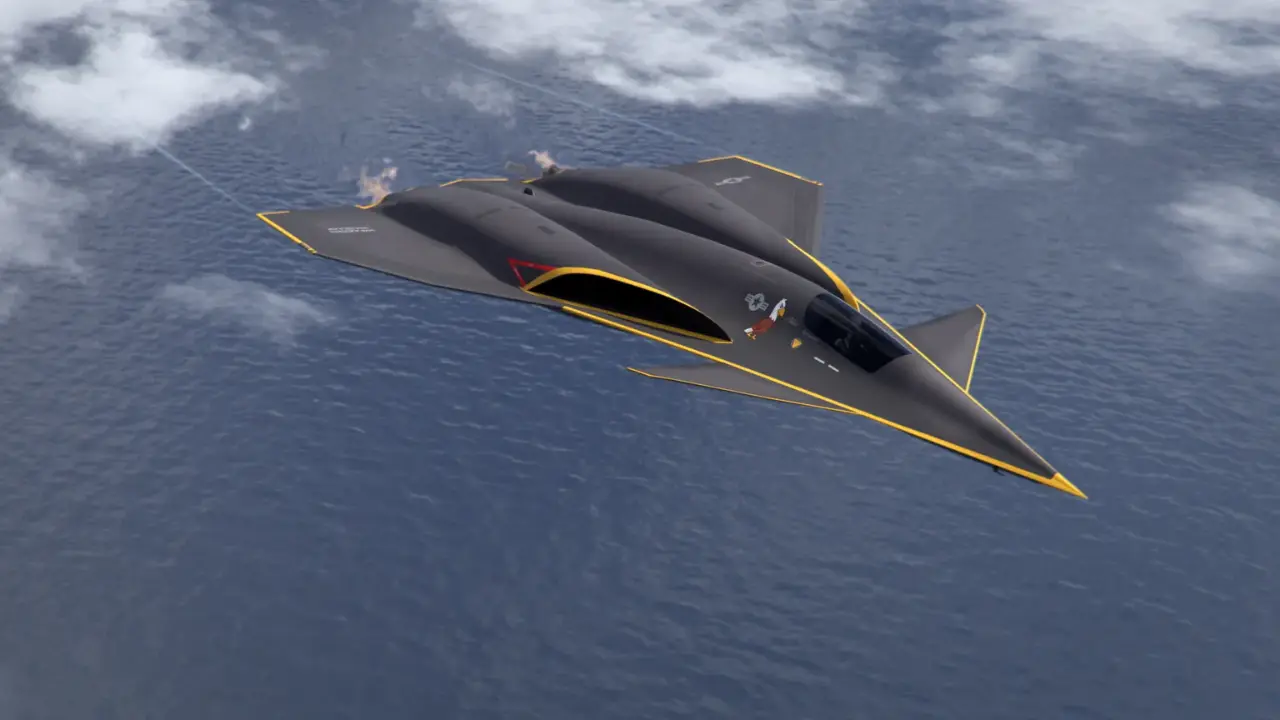
Regular fuels like petrol or diesel can’t deliver the high energy density and stability required for supersonic performance. Fighter jet engines need to operate in freezing stratospheres and scorching combat zones. JP-8’s flash point, freezing point, and thermal stability make it perfect for these extremes, unlike your everyday car fuel.
Built for Combat: Multipurpose Utility
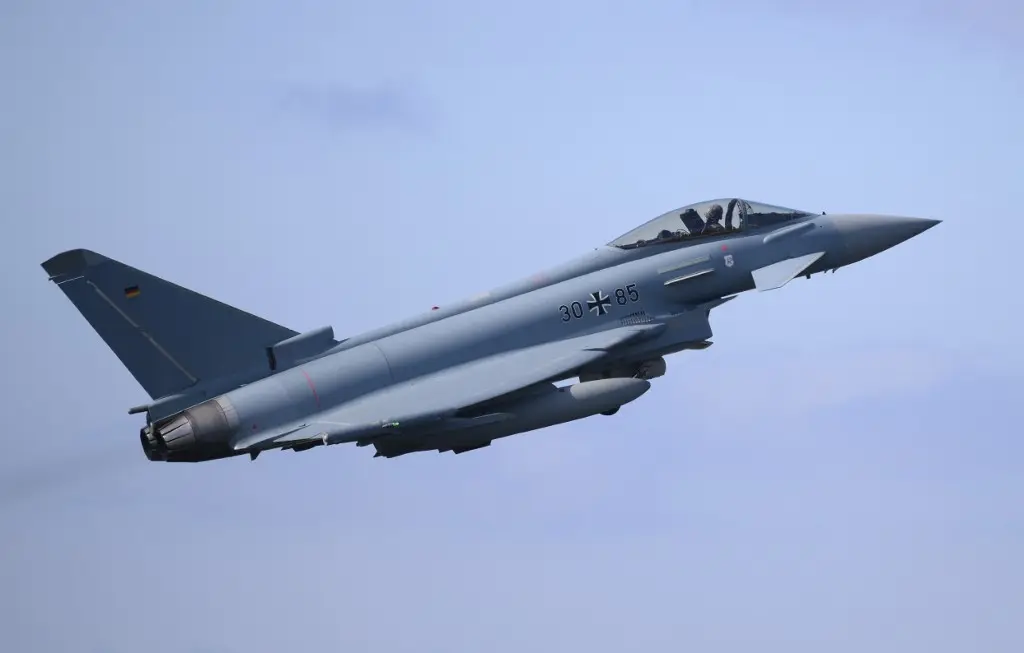
What makes JP-8 uniquely military is that it’s a single battlefield fuel, it can be used not just in fighter jets, but also in tanks, generators, and even heaters. This logistical simplification reduces the need for multiple fuel types in war zones, making supply chains faster and more secure.
Additives That Save Lives
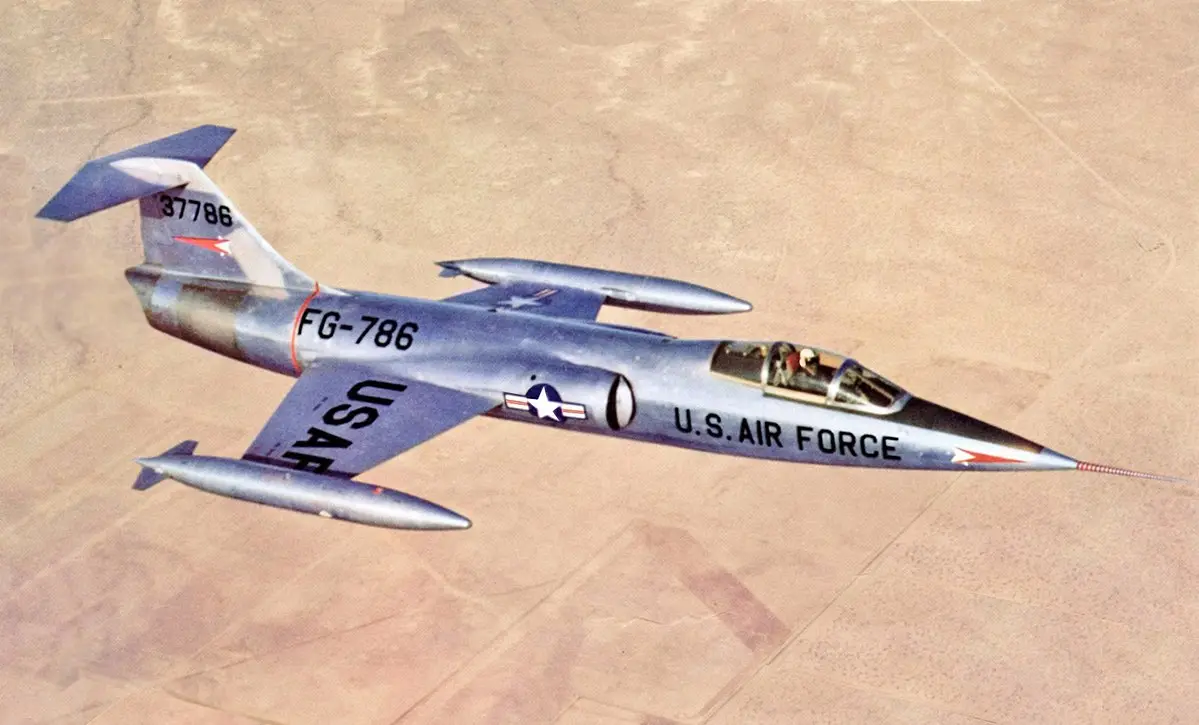
JP-8 includes anti-icing agents, corrosion inhibitors, and static dissipaters, all crucial for high-altitude, high-speed flights. These additives ensure the fuel doesn’t freeze mid-flight, doesn't damage sensitive parts, and doesn’t explode due to static electricity in dry conditions.
Toxic But Reliable
There’s a dark side too. JP-8 has been linked to health concerns for military personnel due to prolonged exposure, including headaches, fatigue, and respiratory issues. But despite the risks, its energy efficiency and reliability make it indispensable for defense forces.
How Much Does a Jet Guzzle?
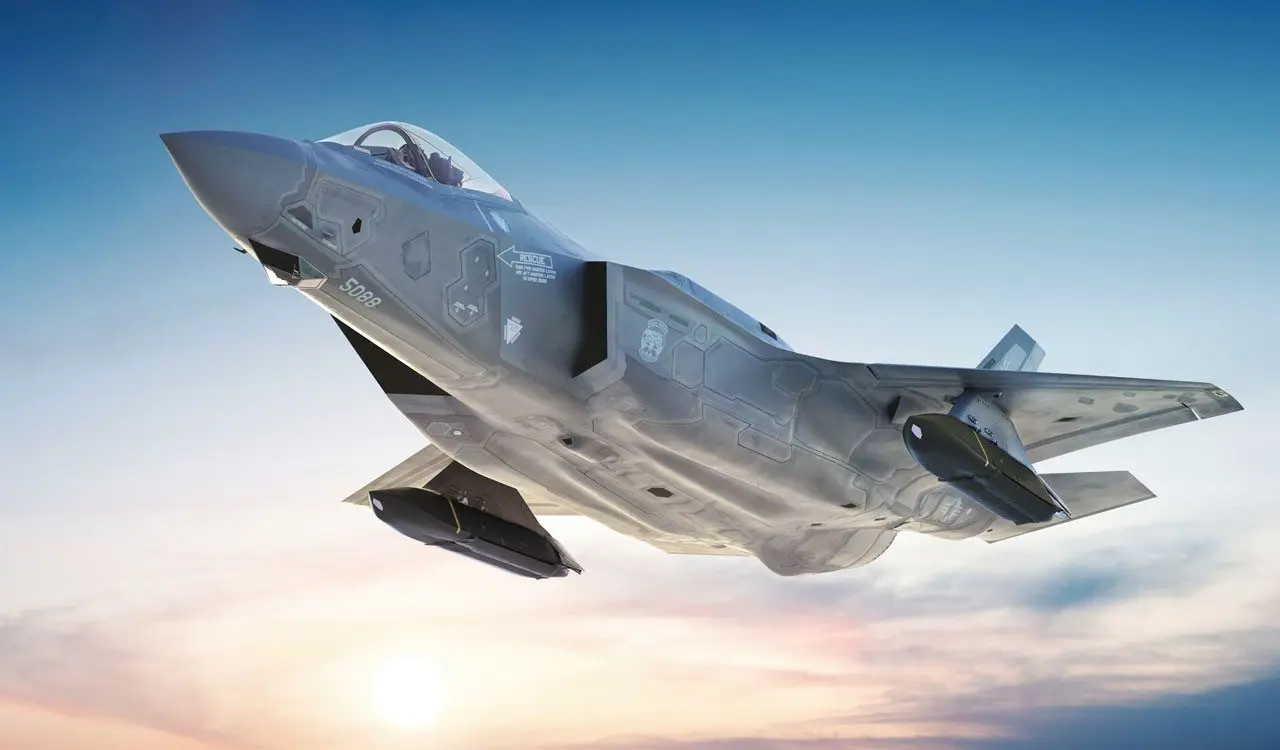
A fighter jet like the F-16 can burn up to 3.5 liters of JP-8 per second at full throttle. In one combat mission, a jet might consume over 5,000 liters, roughly what a typical car uses in 5 years! That’s the cost of power at Mach speed.
The Future: JP-8 Alternatives on the Horizon?
With rising concerns about climate impact and health risks, defence scientists are exploring bio-based alternatives and synthetic fuels. But for now, JP-8 remains the irreplaceable force behind every afterburner roar and sonic boom.
More Than Just Fuel
JP-8 isn’t just a fuel, it’s an engineering solution, a logistics enabler, and a tactical asset rolled into one. It powers not only the machines of war, but the entire ecosystem that keeps fighter jets mission-ready at all times.
)
)
)
)
)