The science behind nuclear radiation that lasts for centuries

Plutonium-239 remains radioactive for 24,100 years. Uranium-238 persists for 4.5 billion years. Understanding half-life explains why nuclear waste needs deep storage for millennia.
What Is Radioactive Decay
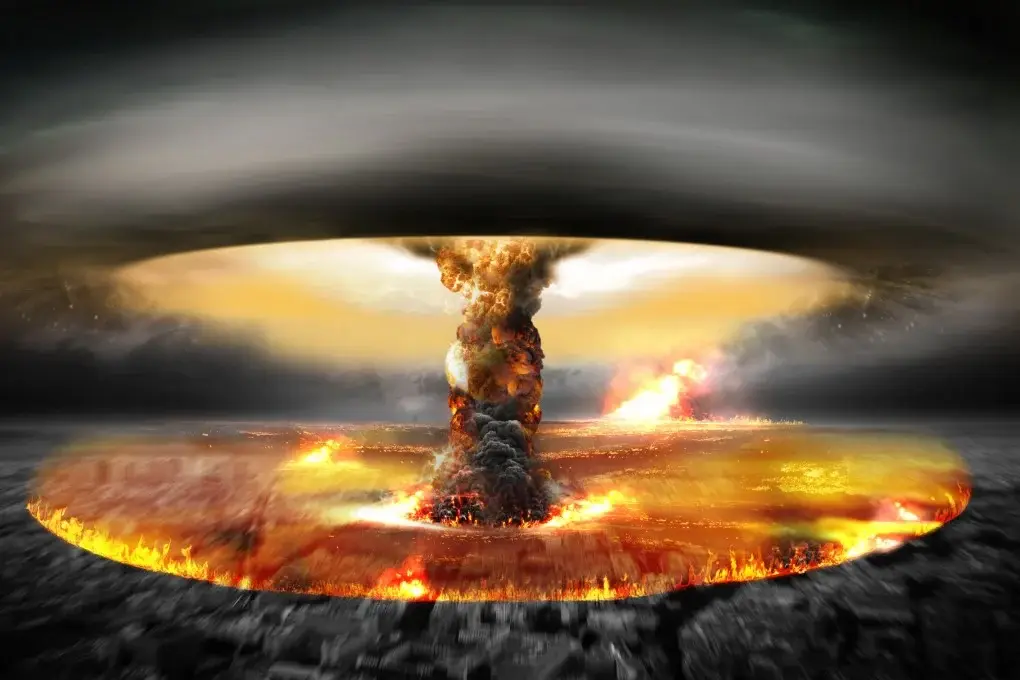
Atoms with unstable nuclei emit energy as particles and radiation to become stable. This process is called radioactive decay and happens at a fixed, predictable rate unique to each isotope.
Half-Life - The Key to Understanding Duration
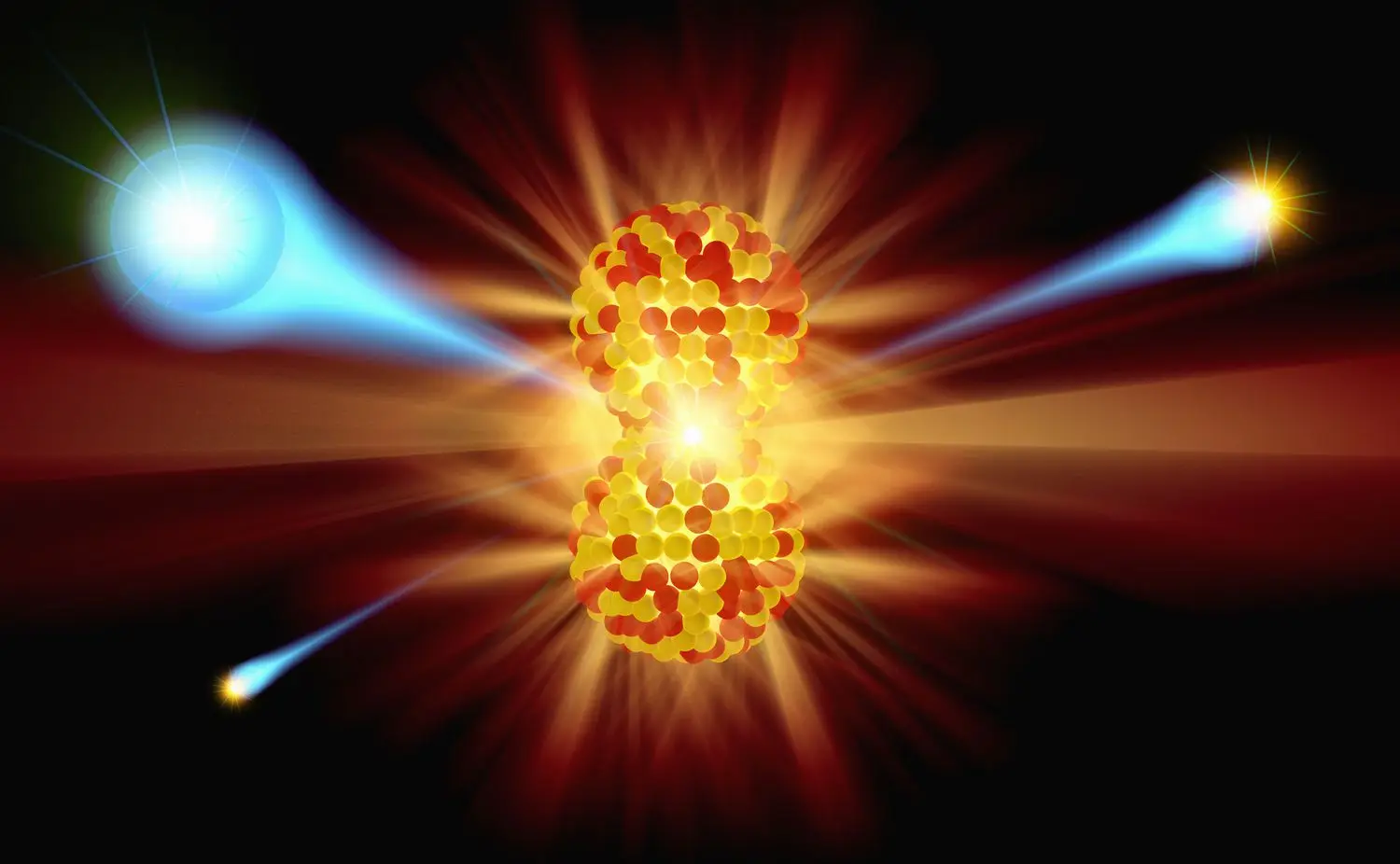
Half-life is the time for radioactivity to drop to 50 per cent of its original level. Cobalt-60 has a 5.26-year half-life, so 4g becomes 2g after 5.26 years, then 1g after another 5.26 years.
Plutonium-239 - 24,100 Years of Danger
Plutonium-239 has a half-life of 24,100 years, meaning it will remain significantly radioactive for hundreds of thousands of years. After 10 half-lives (241,000 years), it drops to 0.1per cent radioactivity.
Uranium-238 - Nearly as Old as Earth
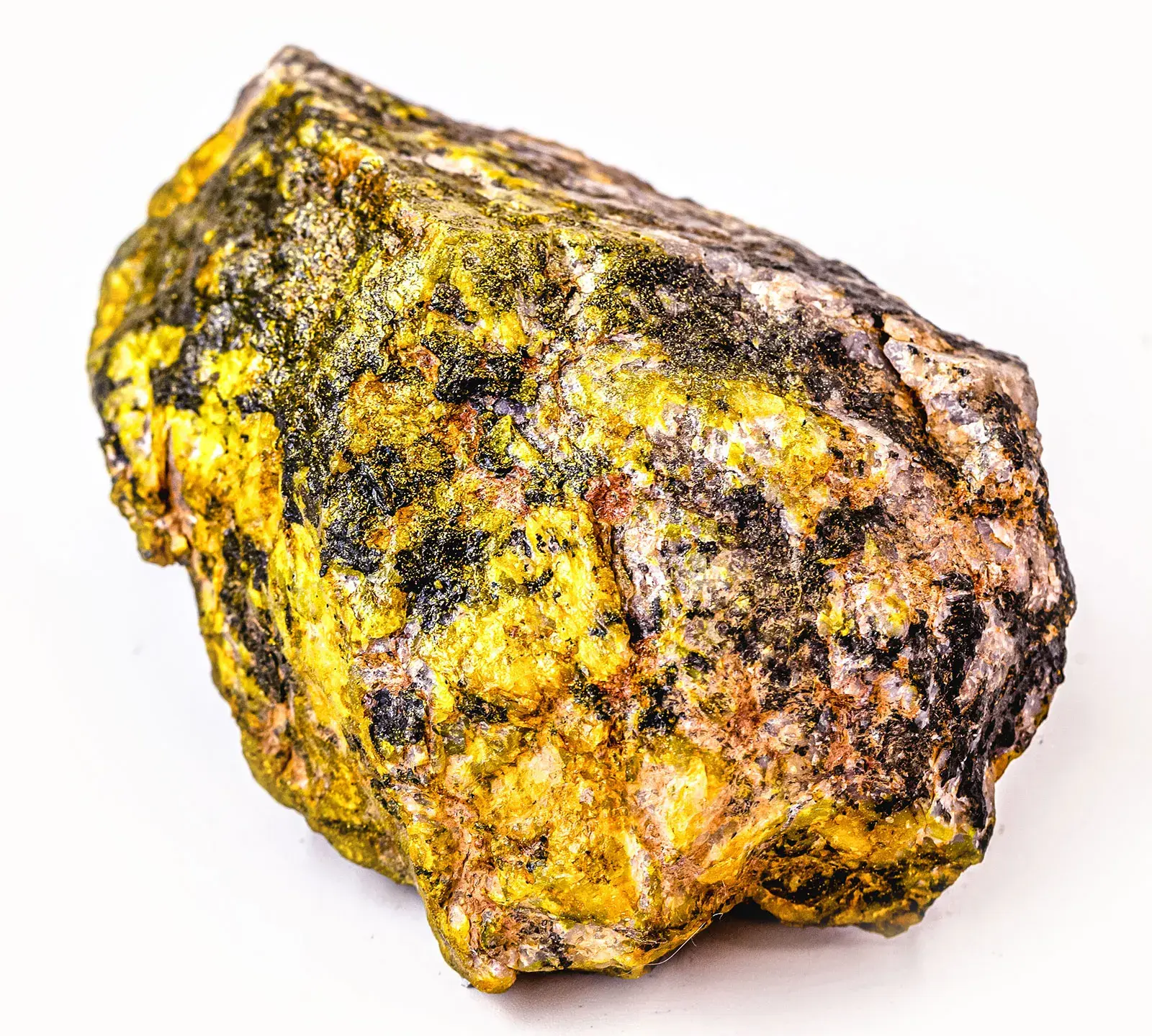
Uranium-238 has a half-life of 4.5 billion years, matching the age of our solar system. Uranium from Earth's formation still exists today because it decays so slowly.
High-Level Nuclear Waste Timeline
After 300 years, high-level waste radiation drops to levels where you can stand near it without protective gear. However, it remains technically radioactive forever, though at negligible levels after 1,000-10,000 years.
Exponential Decay Pattern
Radioactivity follows exponential decay, dropping by half each half-life. After 10 half-lives, activity reduces to 1/1024th, or about 0.1per cent of original levels.
The Multiplier Effect - Why Half-Life Matters
A single bowling ball per second falling for 24,000 years differs greatly from one grain of salt per second for the same period. Lower activity persists longer, explaining why long half-lives still pose storage challenges.
Deep Geological Storage - The Solution
Nations store high-level waste in deep geological repositories where rock formations prevent contamination. This keeps waste isolated during its active radioactive lifetime.
)
)
)
)
)