The science behind fighter jet engines: From takeoff thrust to roaring afterburners

Fighter jet engines use complex compressors, combustion chambers, and afterburners to create powerful thrust for takeoffs and supersonic speeds. Let’s know the key parts and how they work together to power modern jets.
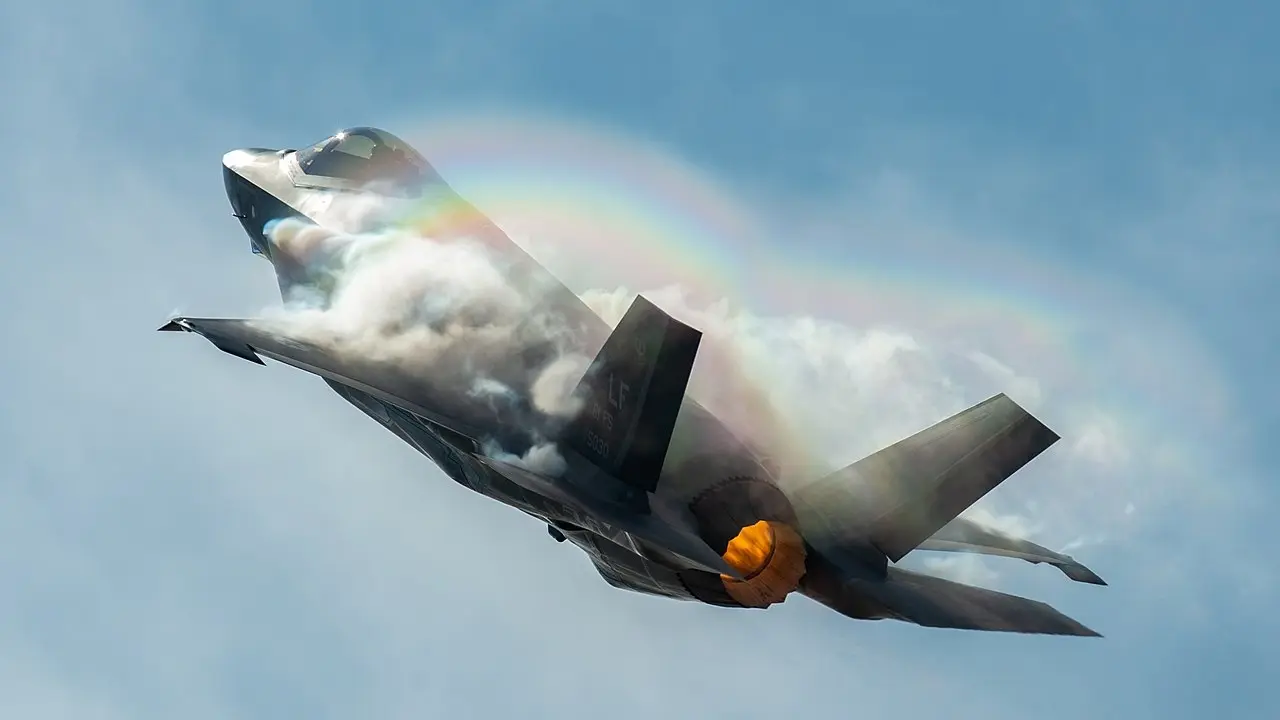
What powers a fighter jet?
A fighter jet uses a jet engine, also called a gas turbine. It takes in air, compresses it, burns fuel to heat the air, then pushes the hot gases out fast, creating thrust that moves the jet.
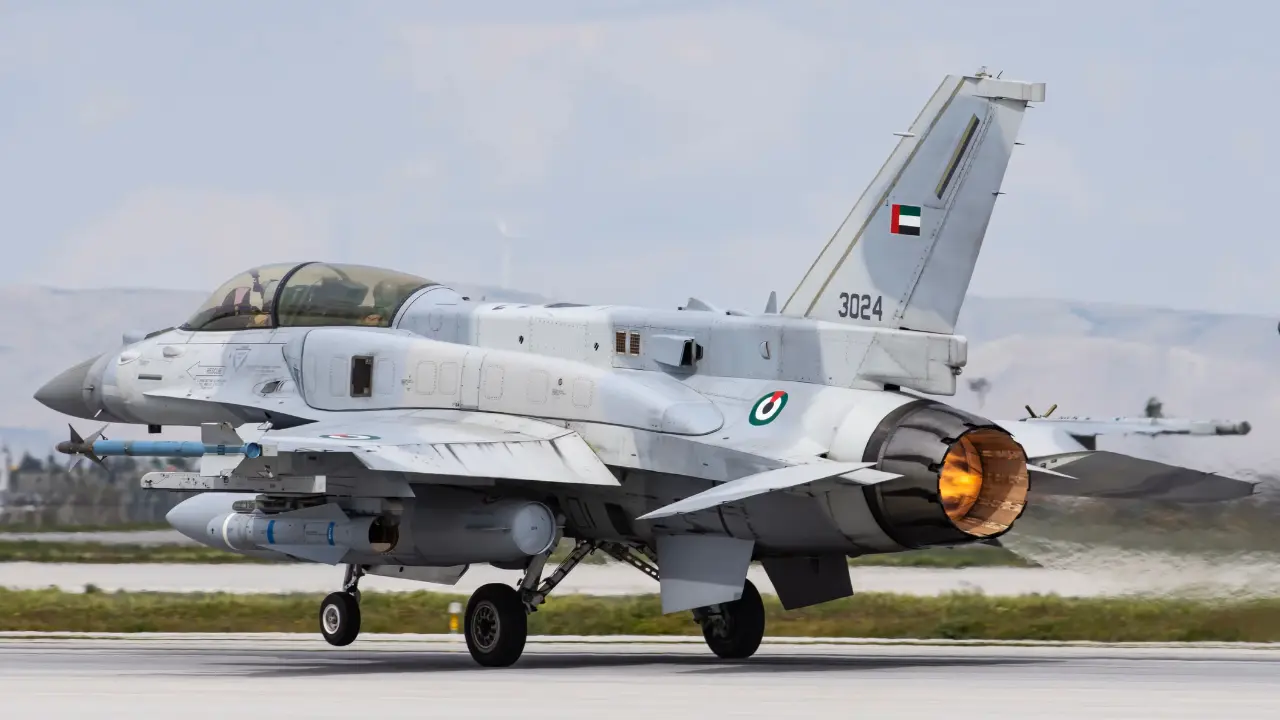
The compressor: squeezing air
The compressor squeezes incoming air into a smaller space, raising its pressure and temperature before combustion. This step is key for powering the engine efficiently.
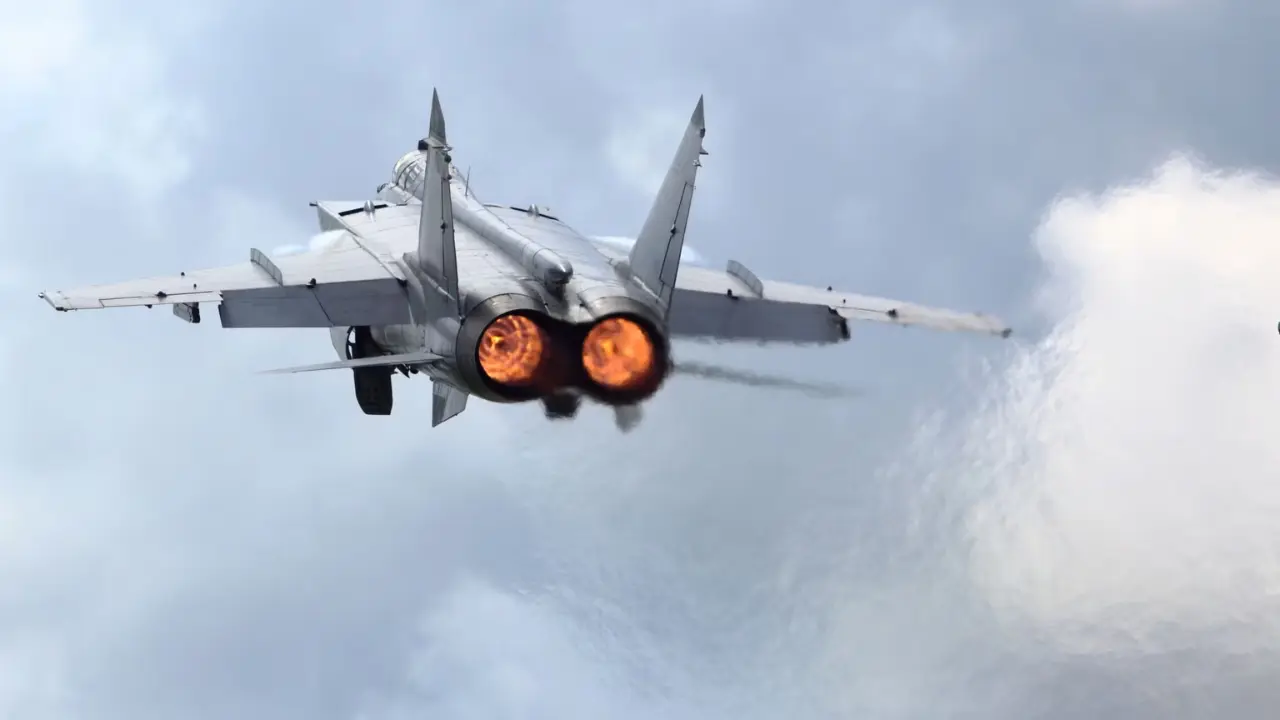
The combustion chamber: burning fuel
Fuel mixes with the compressed air in the combustion chamber and burns. This creates high temperature and pressure gases needed to push the jet forward.
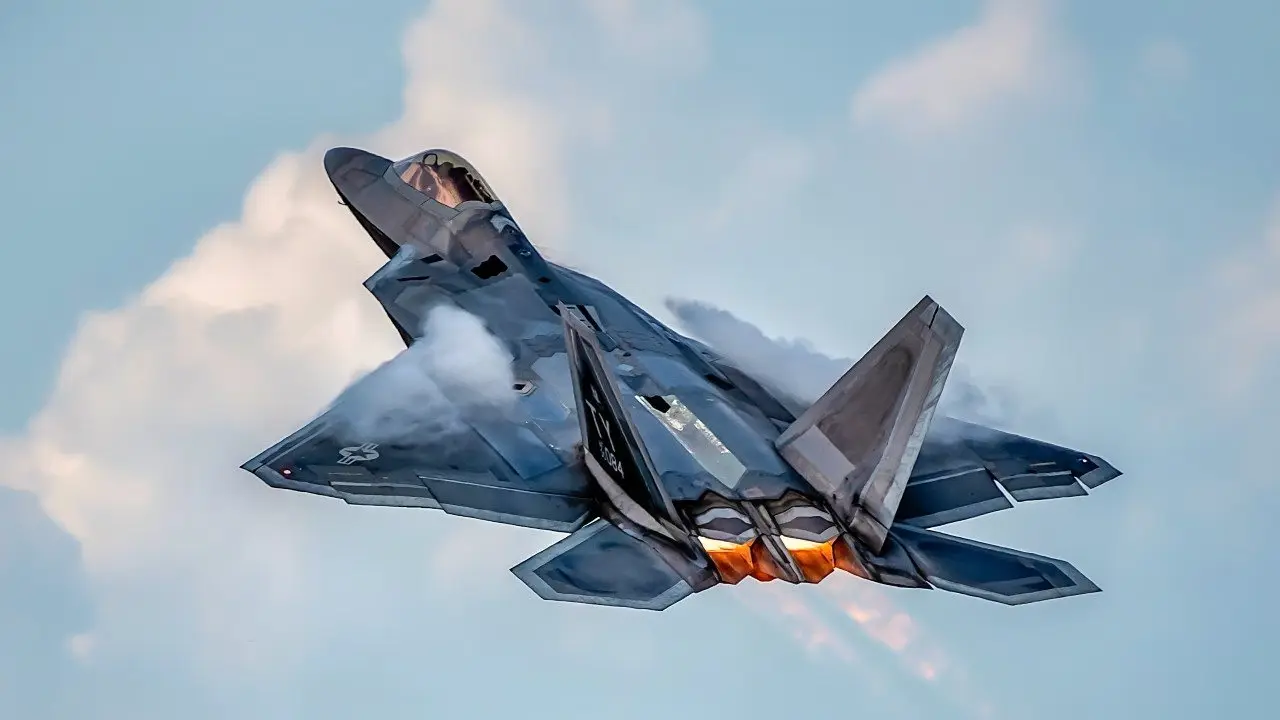
The turbine: recycling energy
Hot gases pass through a turbine that spins compressors connected to the engine's front, recycling energy to keep the engine running.
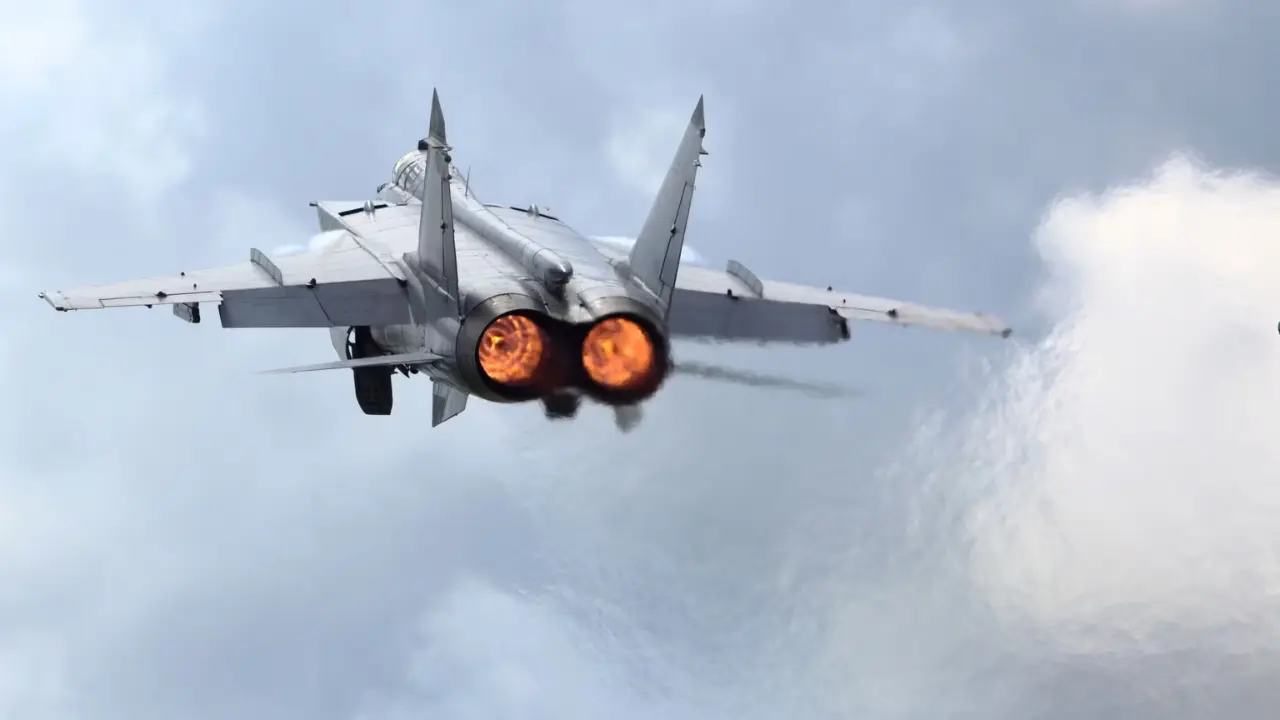
Thrust nozzle and afterburner basics
The fast-moving hot gases exit through a nozzle, generating thrust. For extra power, fighter jets have afterburners which inject more fuel into the exhaust, creating a loud roar and more thrust.
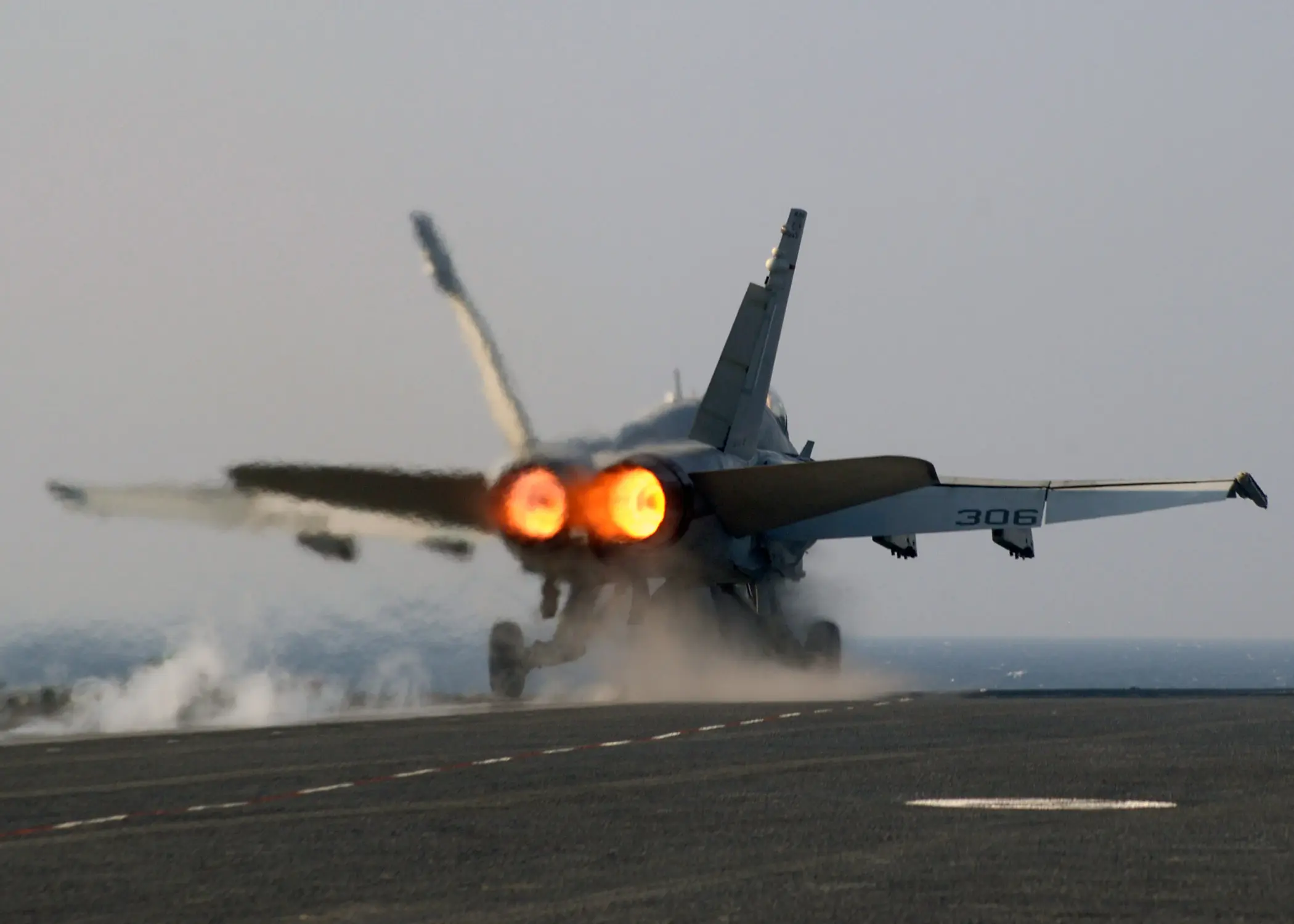
Why afterburners matter
Afterburners boost thrust dramatically for takeoffs, supersonic flight, and combat moves. But they consume lots of fuel, so pilots use them only when needed.
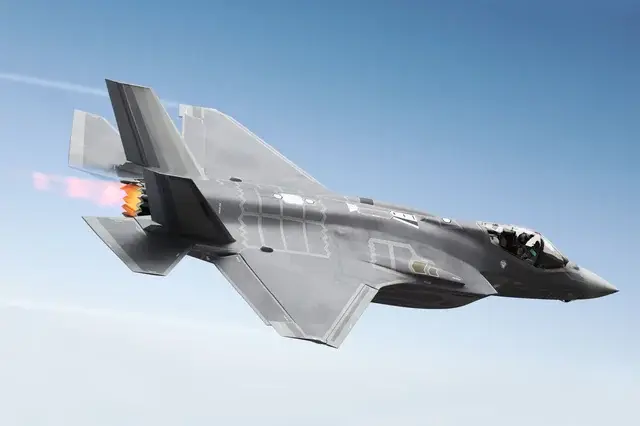
Efficient flying
Modern engines like Pratt & Whitney’s F135 power jets like the F-35. They use sensors and digital controls (FADEC) to optimise thrust and monitor engine health for safe, efficient flying.
)
)
)
)
)