The President vs. the Pope: Why are the world's most influential Americans divided over Iran?

The episode, stemming from the escalating Iran crisis, has turned a geopolitical conflict into a clash of personalities and principles, raising a sharper question: why is a US President now at odds with the spiritual leader of over half the world’s Christians?
A widening rift at a critical global moment
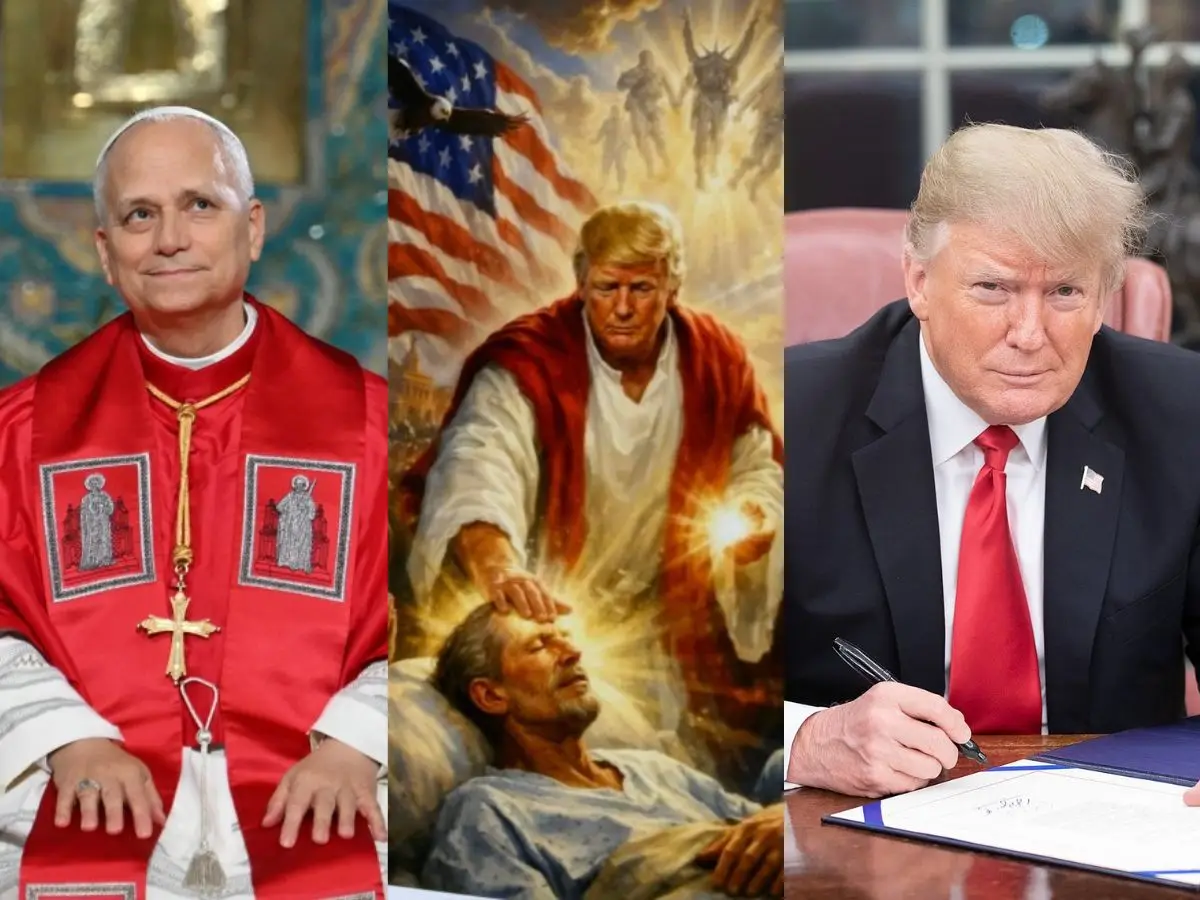
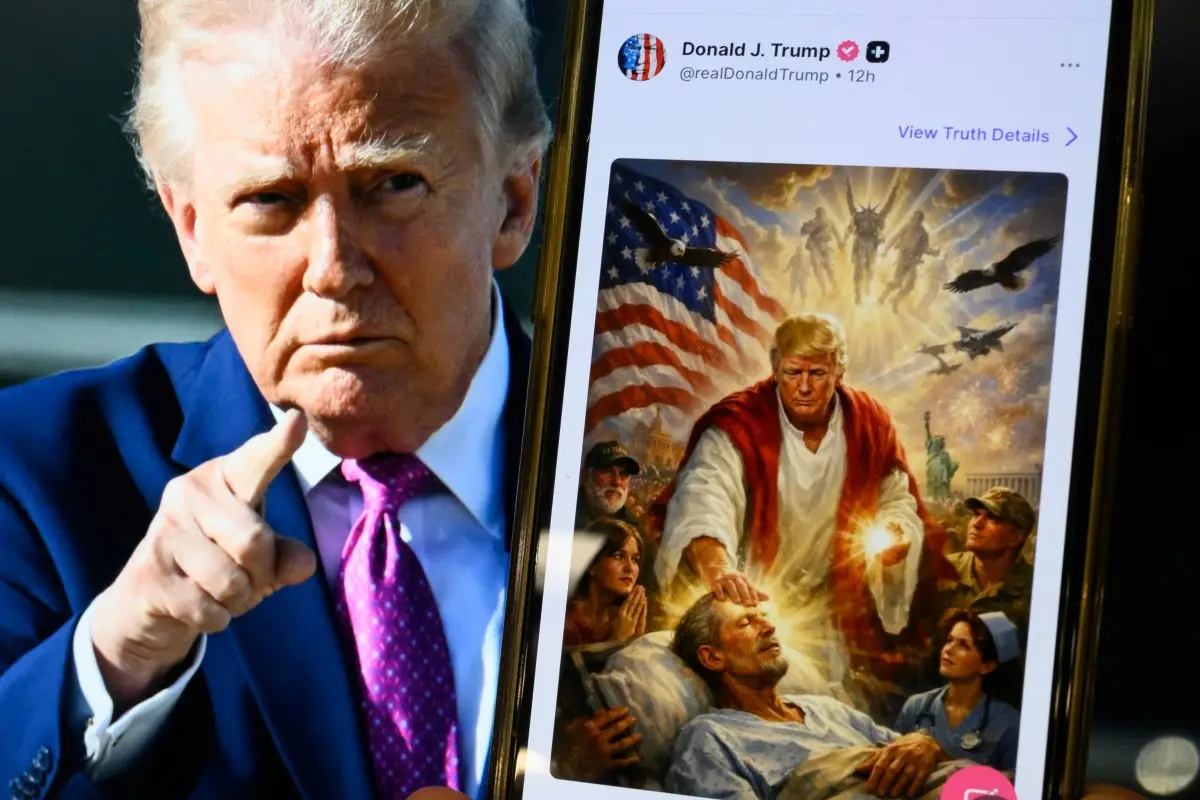
Days into the Iran conflict, US President Donald Trump has opened an unexpected second front, not in the Middle East, but with the Vatican. After inviting pastors and priests for blessings early into the war, now Trump escalated matters by publicly attacking Pope Leo XIV, even sharing an AI-generated image depicting himself as a Christ-like healer before deleting it amid backlash. The episode, stemming from the escalating Iran crisis, has turned a geopolitical conflict into a clash of personalities and principles, raising a sharper question: why is a US President now at odds with the spiritual leader of over half the world’s Christians?
What Happened?
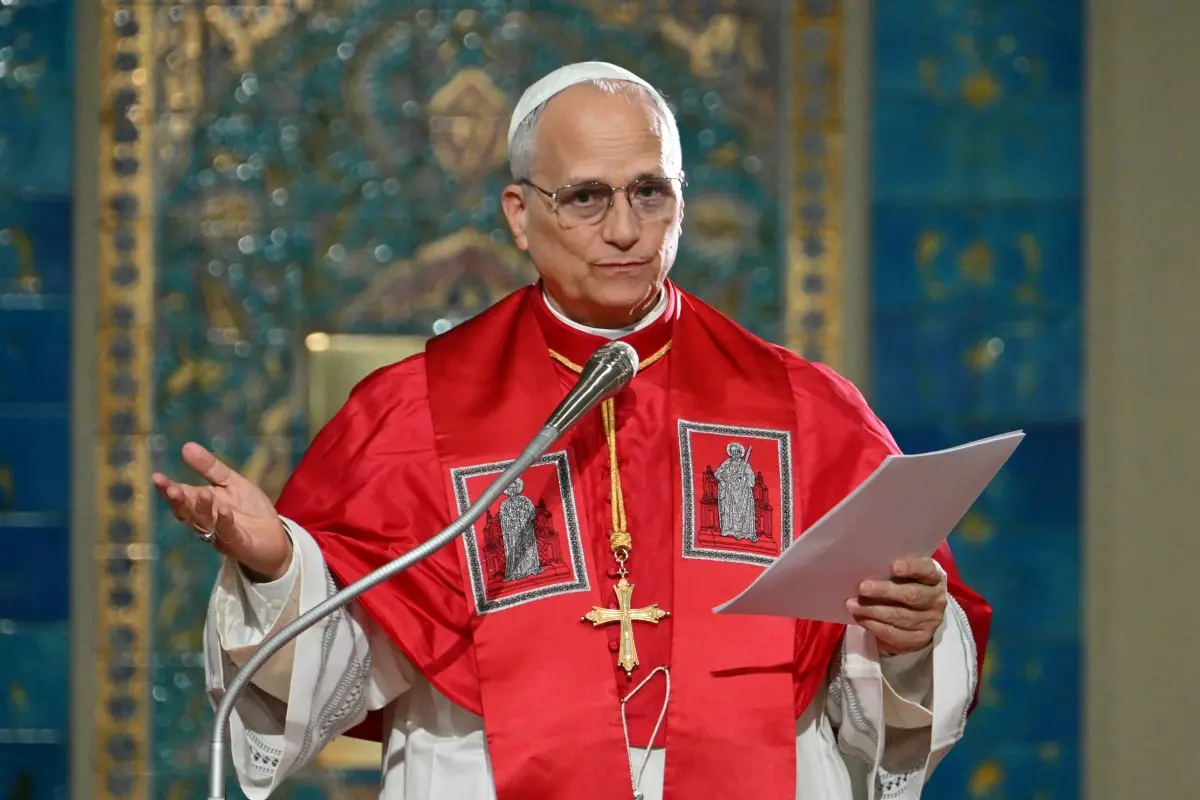
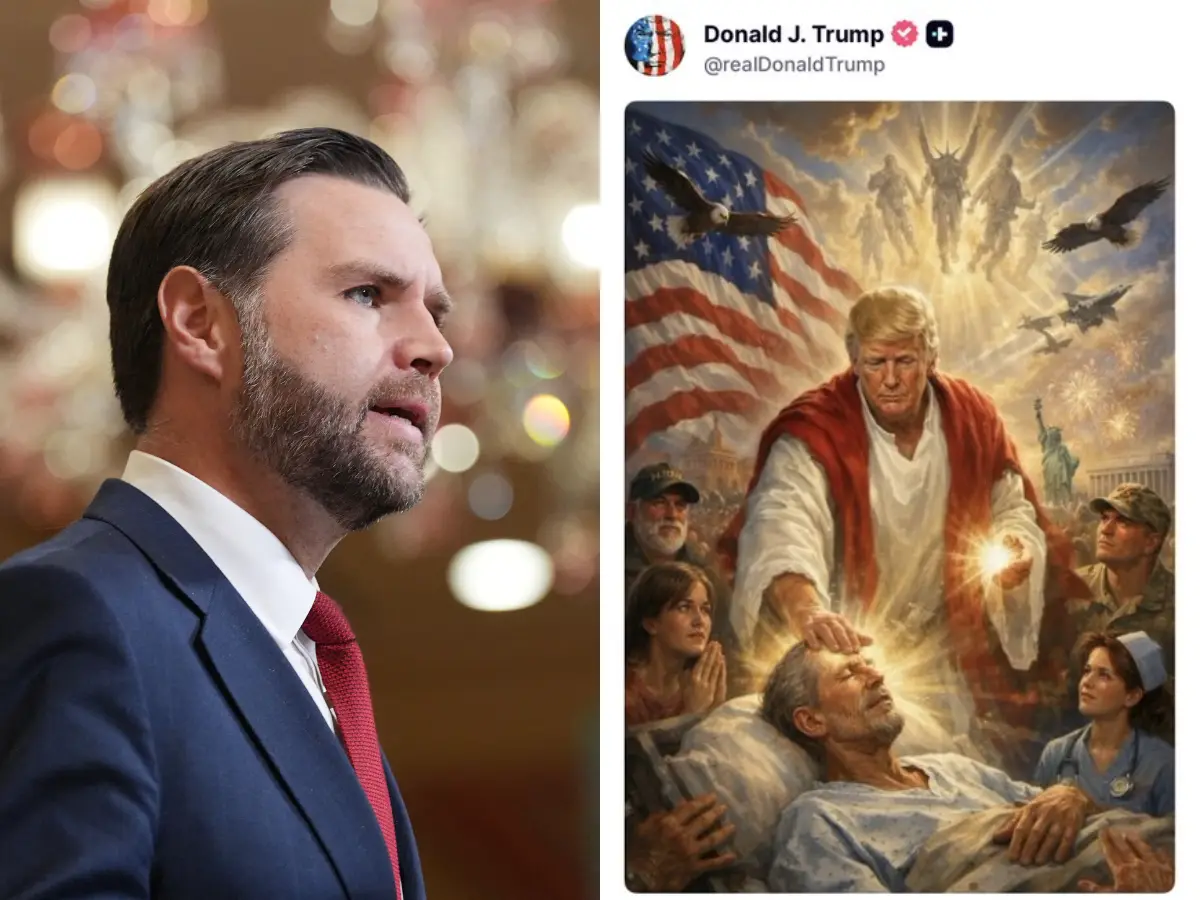
On Sunday, Trump sharply criticised Pope Leo XIV in a social media post, calling him “weak on crime” and “terrible for foreign policy”. He also claimed the Pope was elected because he was American and urged him to “focus on being a great pope, not a politician”, adding that his actions were harming the Church. According to CNN, the remarks drew criticism from Bishop Robert Barron, a member of Trump’s Religious Liberty Commission, who called them “entirely inappropriate and disrespectful” and said the President “owes the Pope an apology.” Trump then escalated the row further by posting an apparently AI-generated image depicting himself as a Christ-like figure healing a sick person. The image drew sharp criticism, with several groups, including supporters such as the Knights Templar International, calling it blasphemous. He later deleted the post and, on Monday.
A clash of influence and ideology
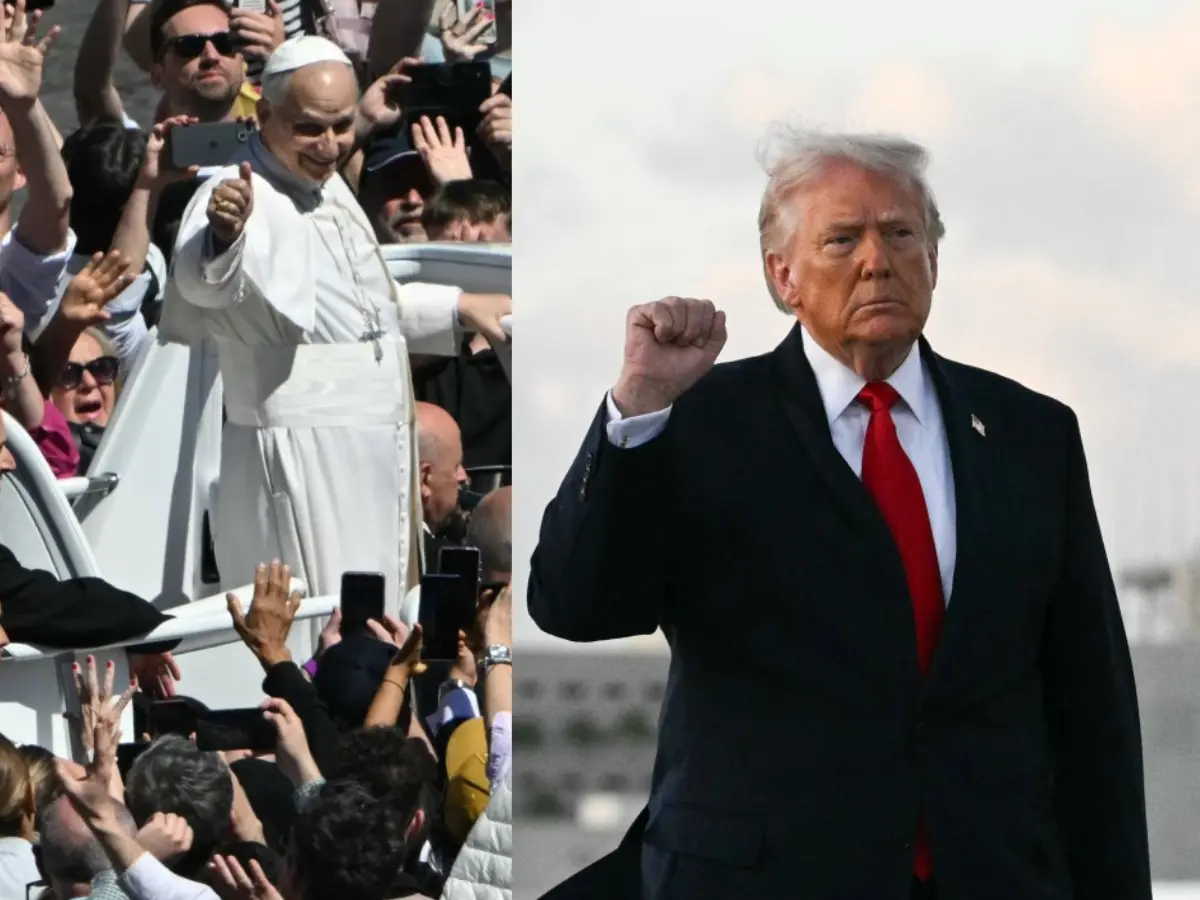
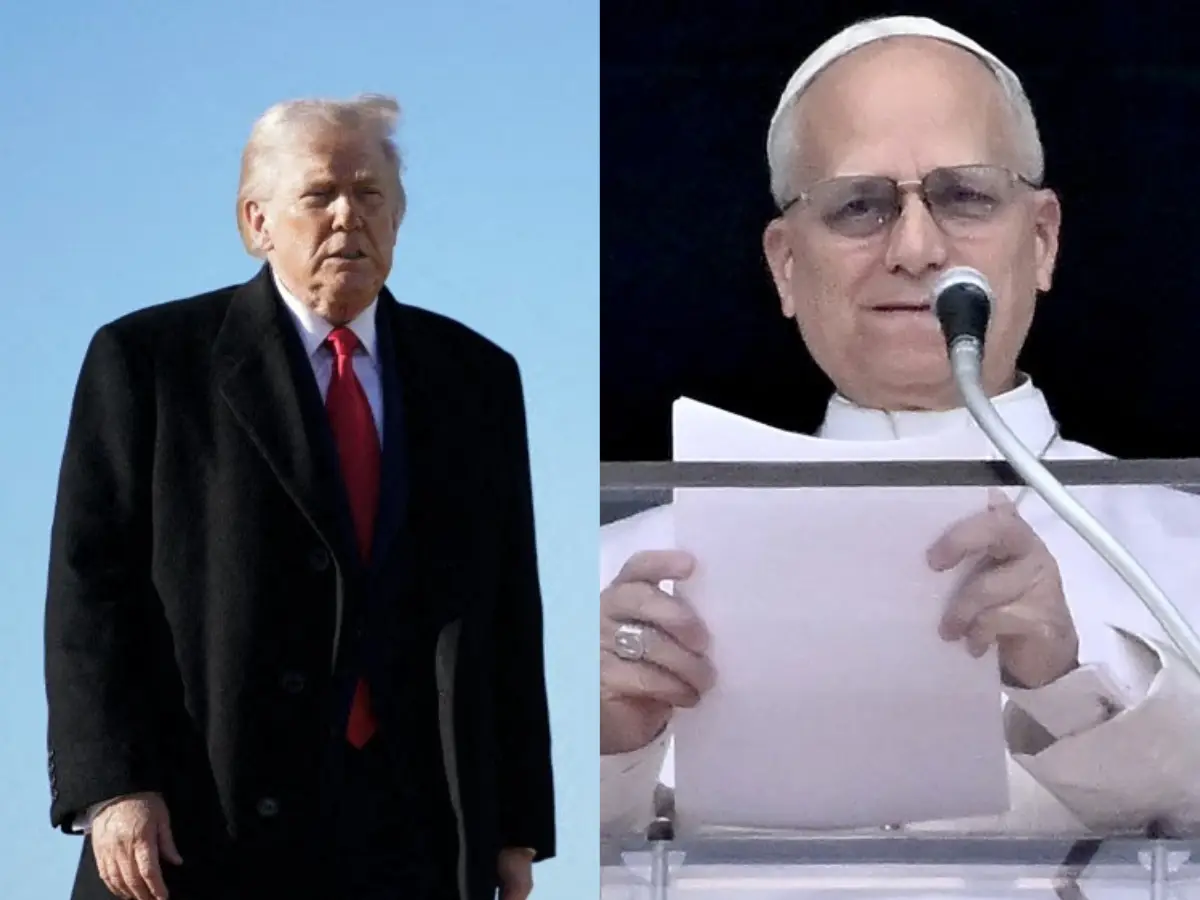
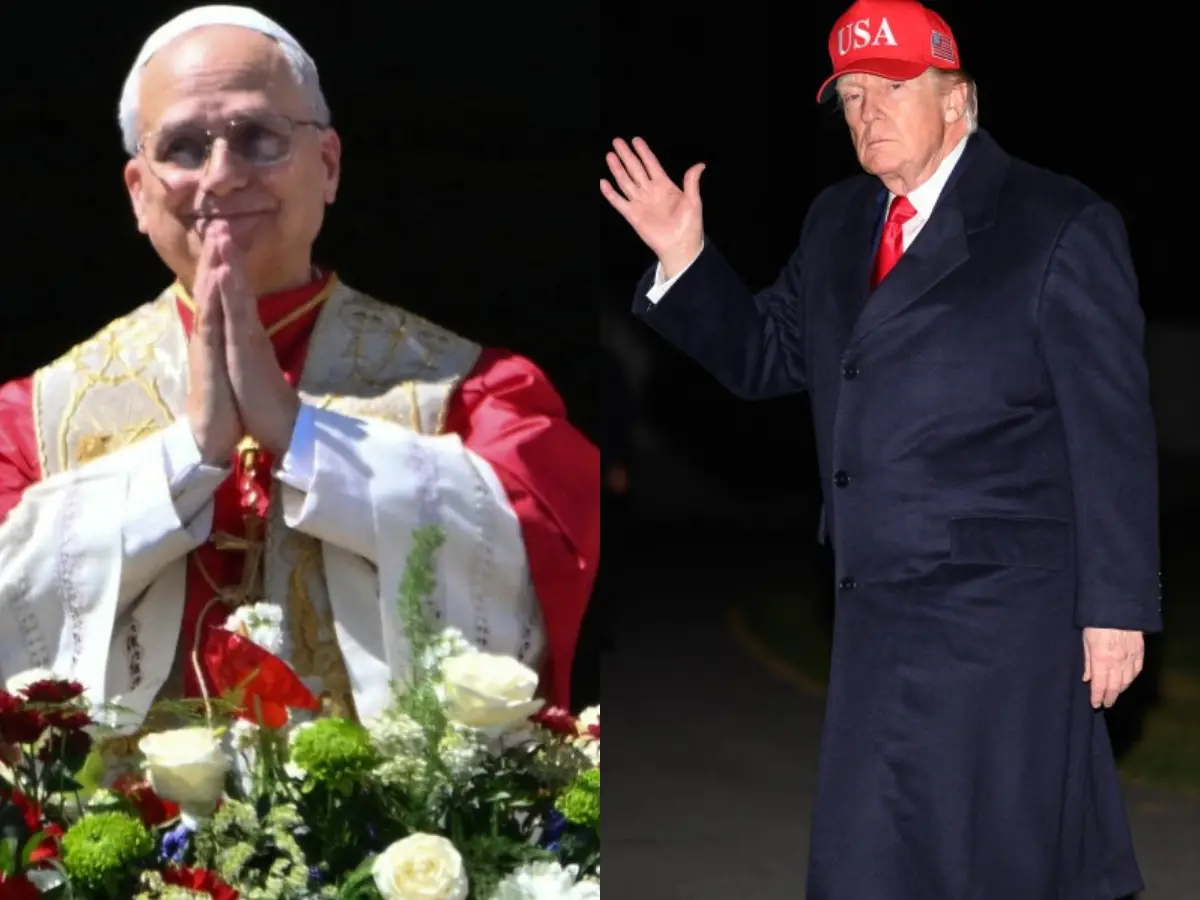
Never before has the relationship between Washington and the Vatican centred on two Americans, a 79-year-old politician from Queens and a 70-year-old pontiff from Chicago. While they share generational and cultural roots, they bring sharply different approaches to positions of immense global influence, making the relationship unusually personal and fraught with risks for both sides.
Escalating rhetoric and political fallout
The latest flashpoint came after Pope Leo XIV criticised Donald Trump’s threat to destroy Iran’s “whole civilisation”, calling it “truly unacceptable” and warning against the moral and legal consequences of such language. Trump has backed a hardline response to Iran, including military pressure and economic measures such as a naval blockade targeting Iranian-linked shipping. He has argued that such steps are necessary to ensure security and prevent further escalation, maintaining that deterrence remains central to US policy in the region. Trump’s response has drawn unease even among some allies, as his attacks on the US-born pontiff intensified. The Pope has previously criticised the administration’s positions on immigration, Venezuela and now the Iran war, placing the Vatican in direct opposition to Washington on multiple fronts.
How influential are they?
The confrontation carries political risks. Analysts note it could alienate sections of the religious right ahead of crucial US midterm elections, a key support base for Trump. The support of the religious right had played critical role to Trump's victory in the 2024 election. What is emerging is an unusually public and sustained clash between the leader of the world’s most powerful military and the head of its 1.4 billion Catholics, with no clear sign of de-escalation.
Defiance on both sides as rhetoric hardens
“There is nothing to apologise for. He’s wrong,” the 79-year-old Donald Trump told reporters at the White House, dismissing calls to soften his remarks. For his part, Pope Leo XIV struck a defiant tone, saying on board the papal plane en route to Africa that he has “no fear — neither of the Trump administration nor of speaking out loudly about the message of the Gospel.”
Faith and power collide over war narrative
“For the last five centuries, the Church has been involved in a project of helping develop strong international norms,” including frameworks such as the Geneva Conventions, an analyst, William Barbieri told AP, calling it a tradition rooted in scripture, theology and philosophy. In contrast, the US administration has framed its position in explicitly religious terms. Defence Secretary Pete Hegseth urged Americans to pray for victory “in the name of Jesus Christ”, while Donald Trump said he believed God approved of the war, adding, “God is good — and God wants to see people taken care of.”
Leo’s global outlook vs. Trump’s transactional politics
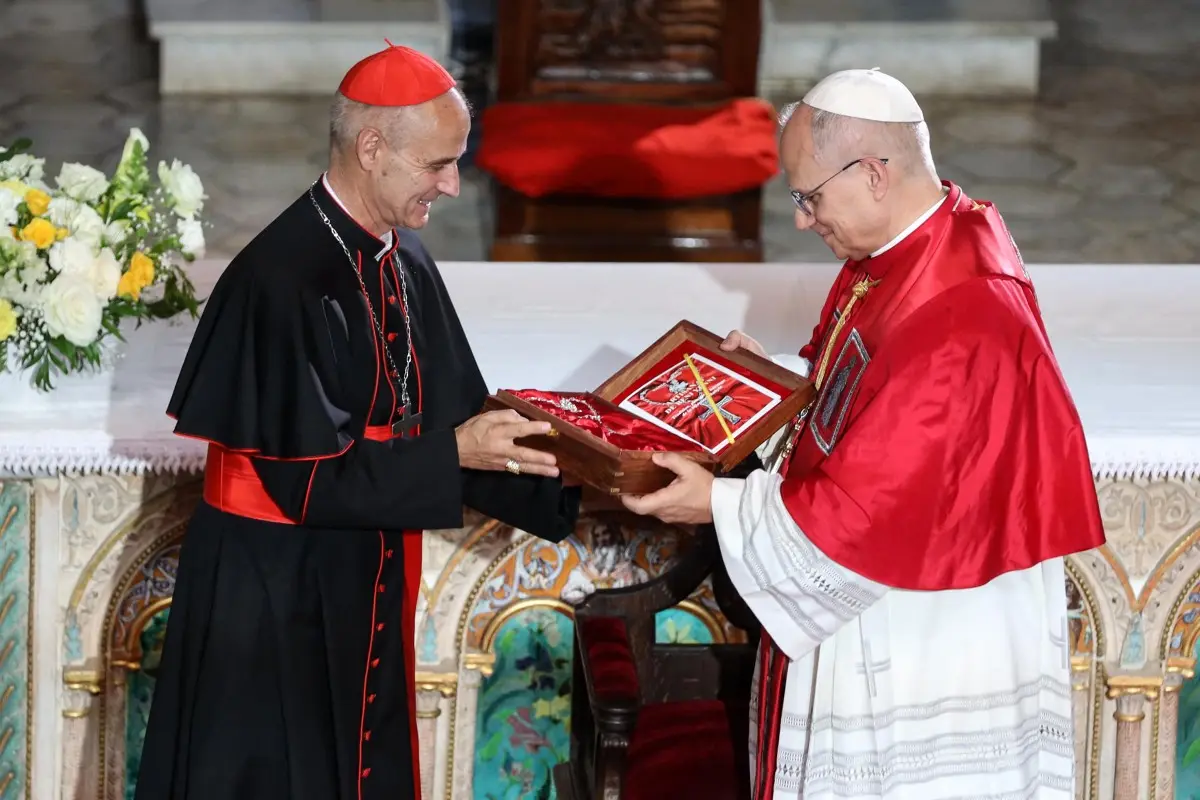
Pope Leo XIV, formerly Cardinal Robert Prevost, spent much of his ministry outside the United States, serving as a bishop in rural Peru and later leading the Augustinian order. Trained in Rome as a canon lawyer, he also held a key Vatican role overseeing global bishop appointments under his predecessor. His international experience helped overcome longstanding hesitation within the College of Cardinals about electing an American pope. Analysts suggest this background may be underappreciated by the Trump administration. “This is an administration that seems to think only in terms of transactional politics, who’s for us and who’s against us,” a professor at Chicago’s Catholic Theological Union, Steven Millies told AP, pointing to a gap in how the Vatican’s global role is understood.
)
)
)
)
)