The 'Medellín Cartel' was once richer than Colombia’s government! Here’s how

At the height of its power in the 1980s, the Medellín Cartel, led by Pablo Escobar, was one of the most powerful criminal organisations the world had ever seen, generating tens of billions of dollars annually from the cocaine trade.
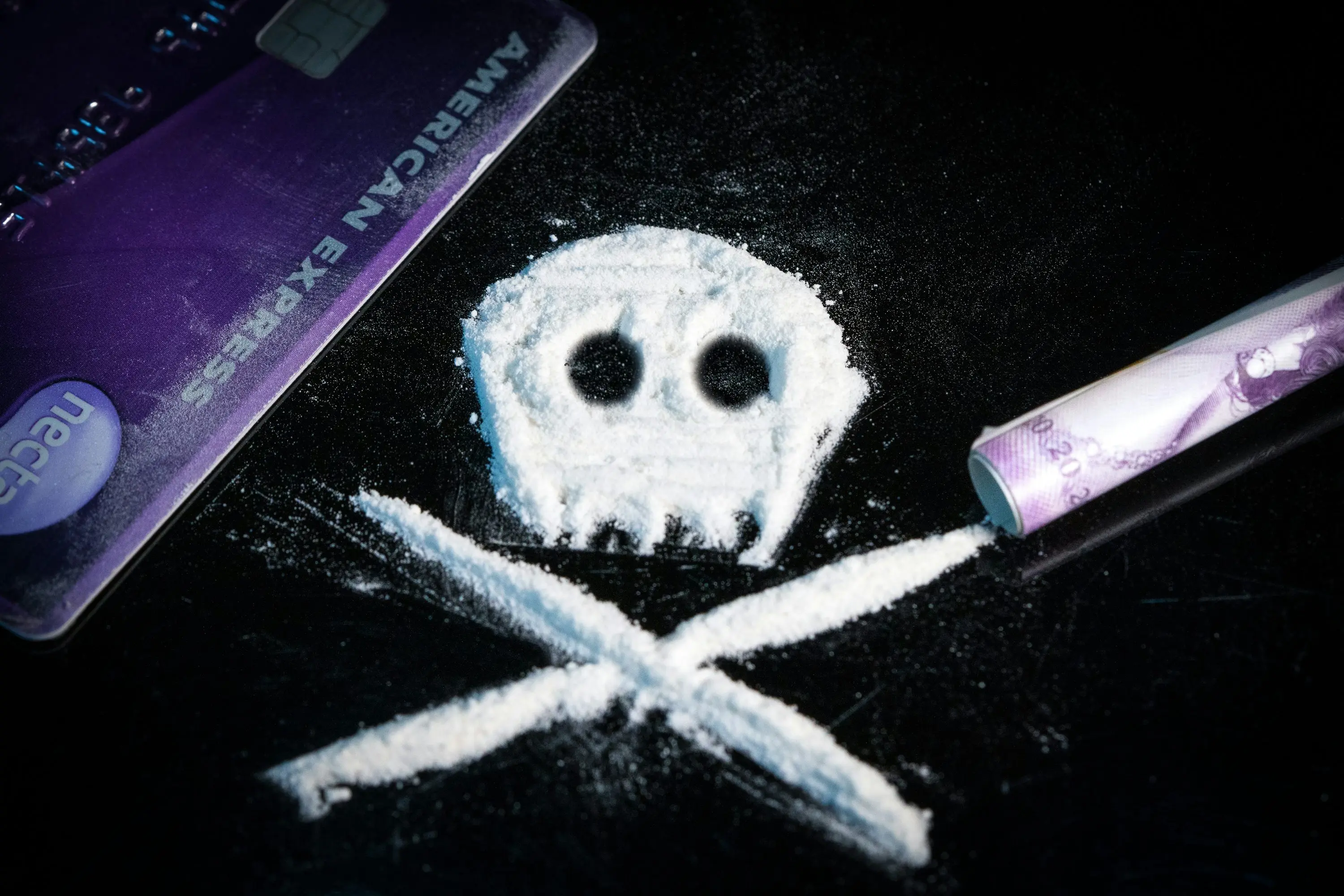
Cocaine Became Colombia’s “White Gold”
During the late 1970s and 1980s, demand for cocaine skyrocketed in the United States. Escobar and the Medellín Cartel exploited this demand, smuggling enormous quantities using innovative methods, including private jets, submarines, and speedboats. At its peak, the cartel was estimated to be supplying 80 per cent of the world’s cocaine. This “white gold” created an economy of its own, rivalling the state.
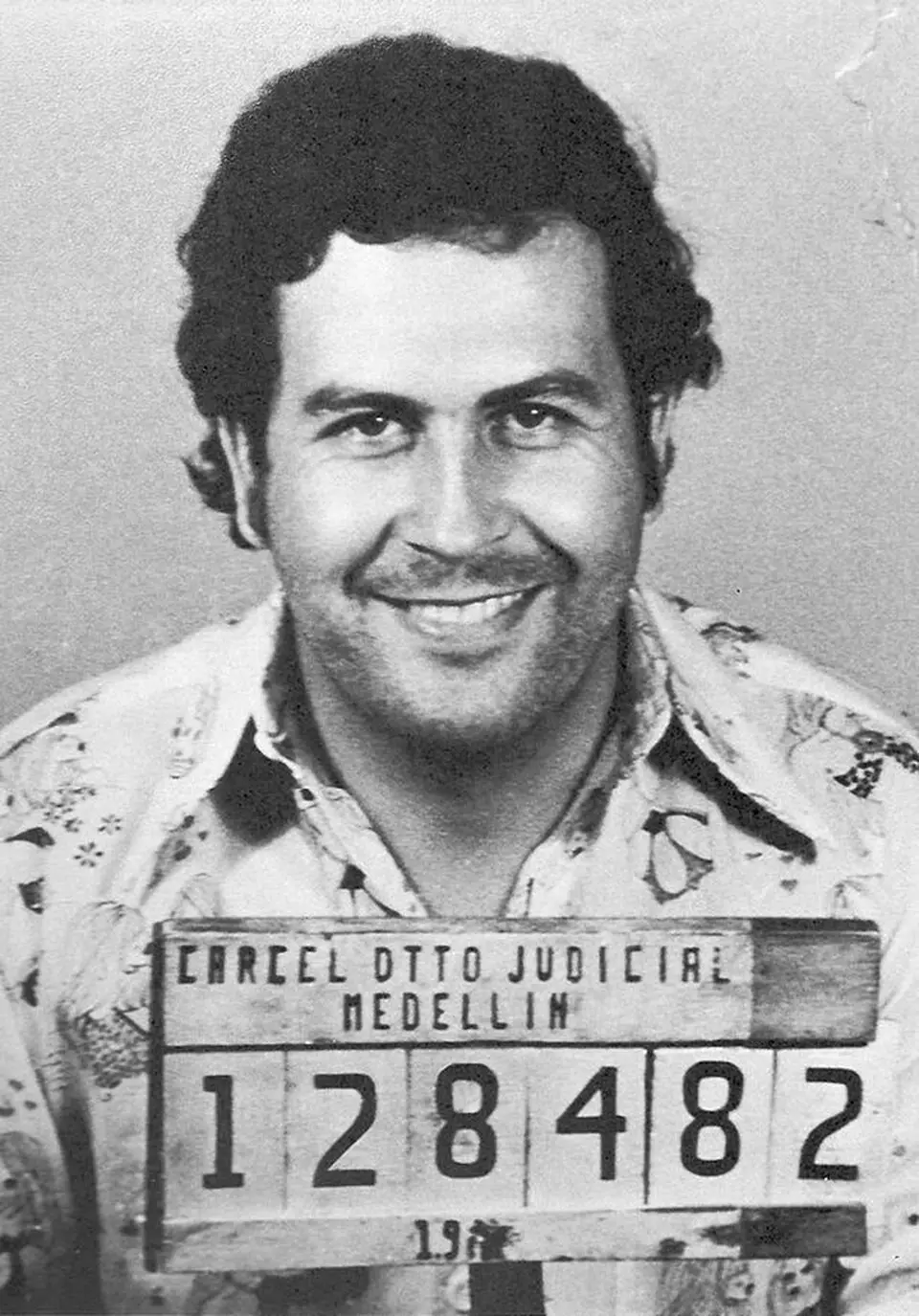
Escobar’s Daily Earnings Outpaced Colombia’s Revenue
According to estimates, Escobar’s cartel earned around $70 million per day, or over $25 billion annually at its peak. In comparison, Colombia’s GDP in the early 1980s stood at around $25–30 billion per year. This meant a criminal network was nearly on par with, and sometimes richer than, the government itself.
Money Laundering Networks Propped Up Wealth
The Medellín Cartel had sophisticated money laundering operations, using offshore accounts, front companies, and even banks willing to turn a blind eye. Huge amounts of cash were hidden in warehouses, buried underground, or stored in fields, so much that rats reportedly ate millions of dollars in stored bills. Escobar once admitted losing nearly 10 per cent of profits annually simply to spoilage and pests.
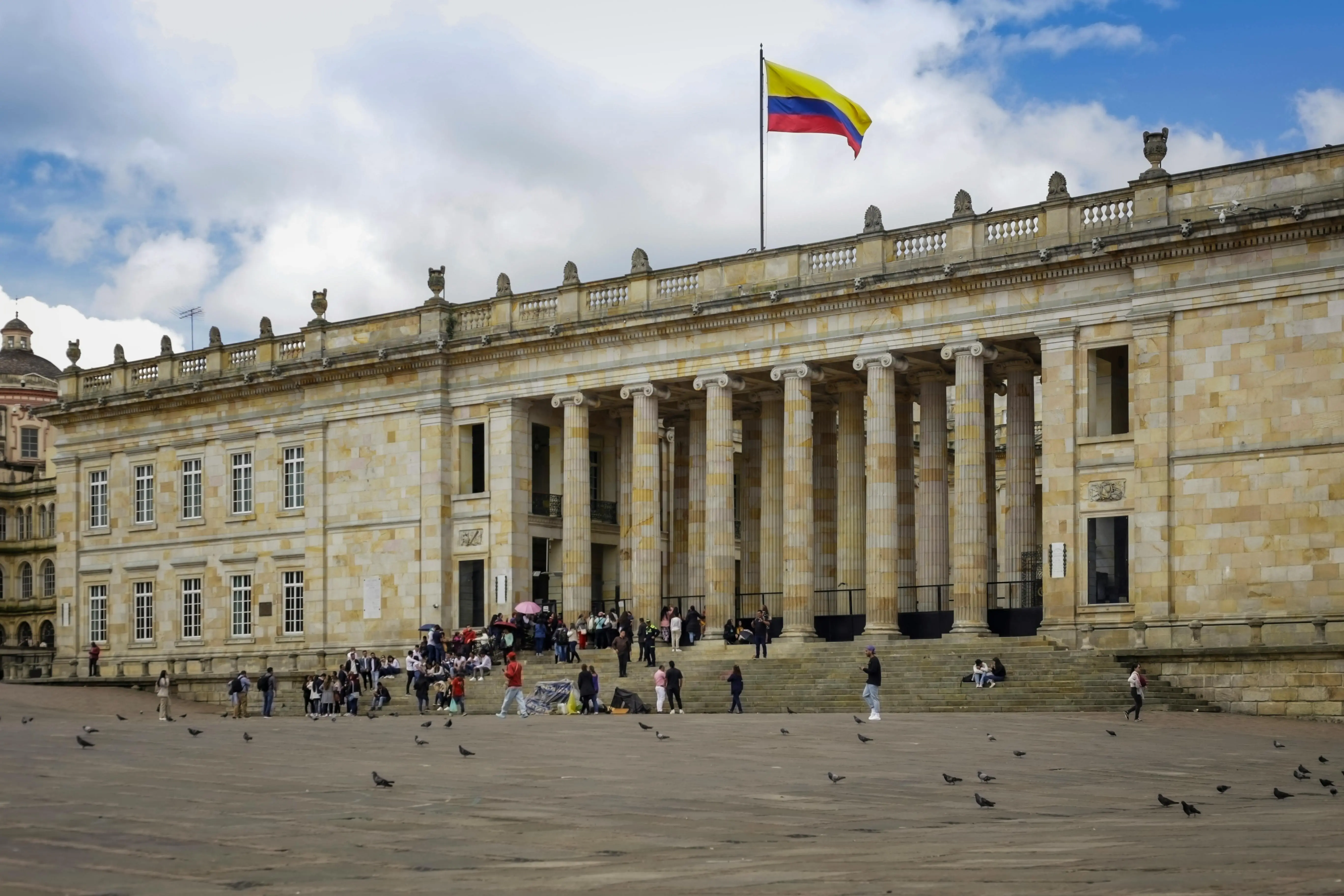
The Cartel’s Wealth Bought Influence and Power
Escobar funnelled billions into bribery and corruption, ensuring judges, police officers, politicians, and military officials were on his payroll. He famously coined the phrase “plata o plomo” (“silver or lead”), offering money to officials who cooperated or death if they resisted. The wealth of the cartel allowed it to operate like a parallel state, with its own rules and control over major Colombian cities.
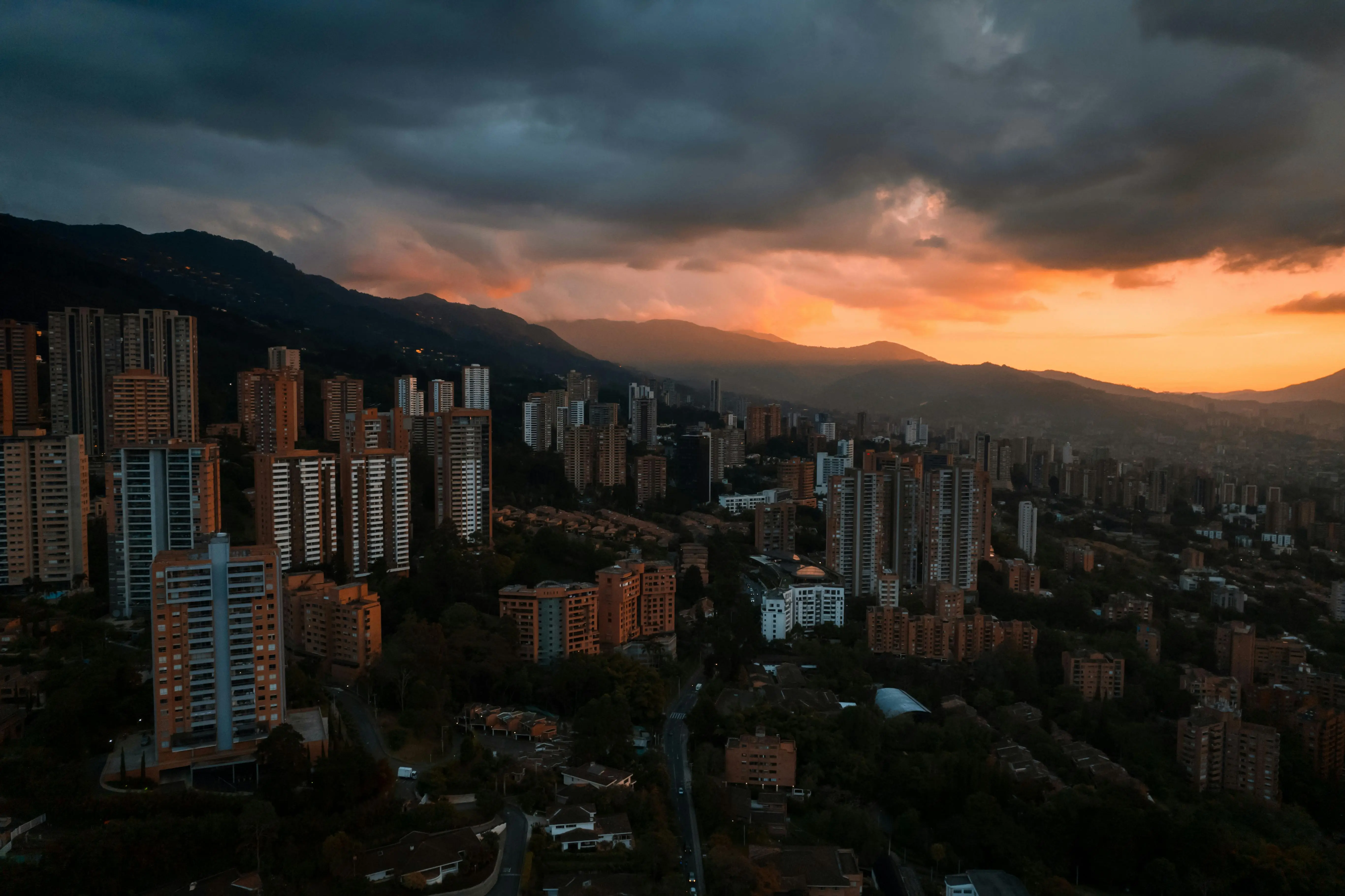
Escobar vs. Colombia’s Government Spending
While Colombia struggled with poverty, underfunded infrastructure, and debt, Escobar poured money into building houses, football fields, and schools for the poor. In Medellín, many considered him a “Robin Hood” figure. His ability to outspend the government won him loyalty from the poor, while the state appeared weak in comparison. This blurred the lines between crime and governance.
International Pressure Exposed the Disparity
The United States, alarmed by cocaine flooding its streets, began pressuring Colombia to fight the Medellín Cartel. Yet the sheer scale of cartel wealth made this nearly impossible. Escobar even offered to pay off Colombia’s entire national debt in exchange for amnesty, an offer that shocked the world and revealed just how much richer he was than the country itself.
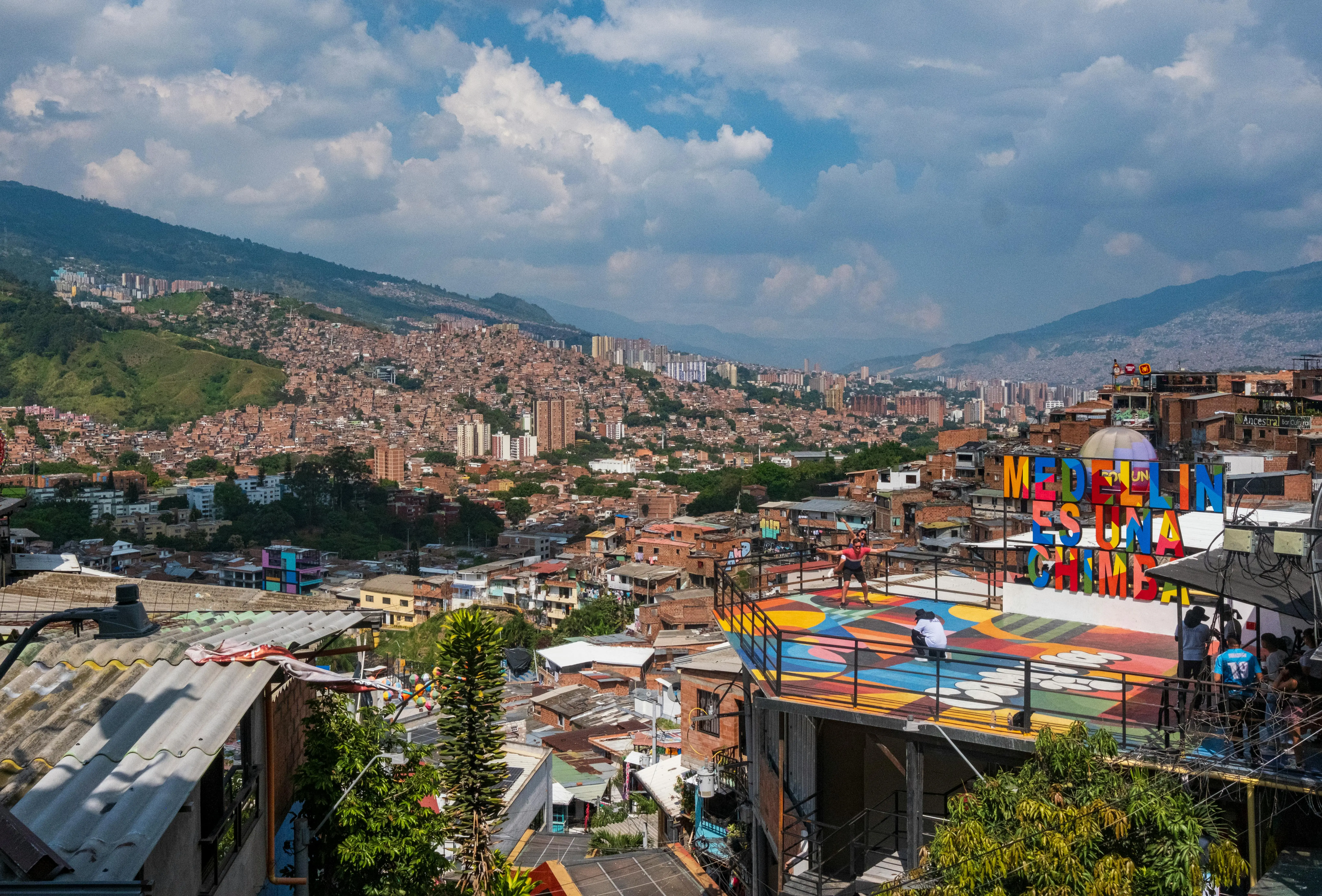
Collapse of the Cartel and Legacy
By the early 1990s, increased military pressure, rival gangs, and US collaboration weakened the Medellín Cartel. Escobar’s death in 1993 marked the downfall of the organisation. Yet the cartel’s ability to rival Colombia’s government in wealth remains one of the most astonishing examples of organised crime overpowering a sovereign state.
)
)
)
)
)