• Wion
  • /Photos
  • /The hidden environmental cost of gold mining

The hidden environmental cost of gold mining

Gold mining pollutes water, air, and soil with toxic waste, damages ecosystems, and harms communities. But sustainable solutions exist. Know the hidden costs of gold and how cleaner mining could protect our planet’s future.
Mining waste and toxic chemicals
1 / 7
(Photograph: Wikipedia)

Mining waste and toxic chemicals

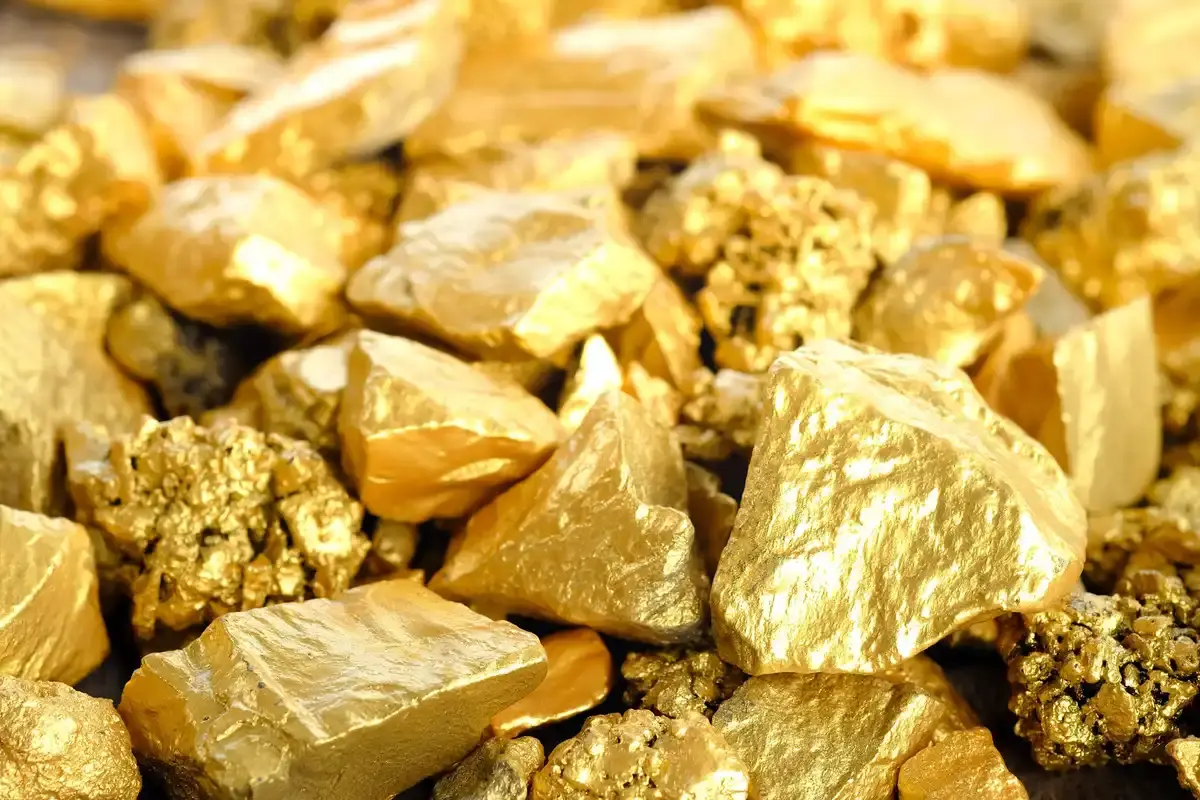
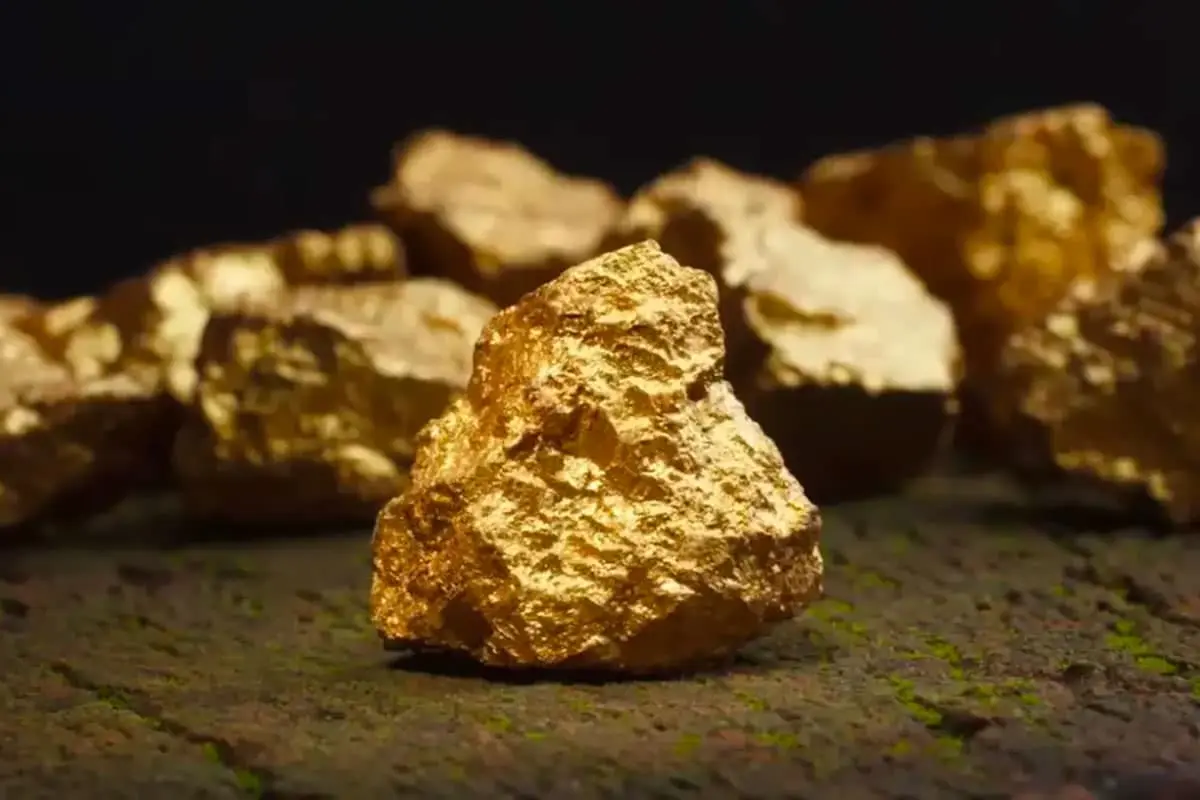
Gold mining produces tailings rock and Earth leftover from extraction that contain heavy metals such as lead, arsenic, cadmium and mercury. Mercury, widely used in small-scale gold mining, and cyanide, applied in many modern gold mines, are particularly risky for water and health.

Acid mine drainage and water pollution
2 / 7
(Photograph: Wikipedia)

Acid mine drainage and water pollution

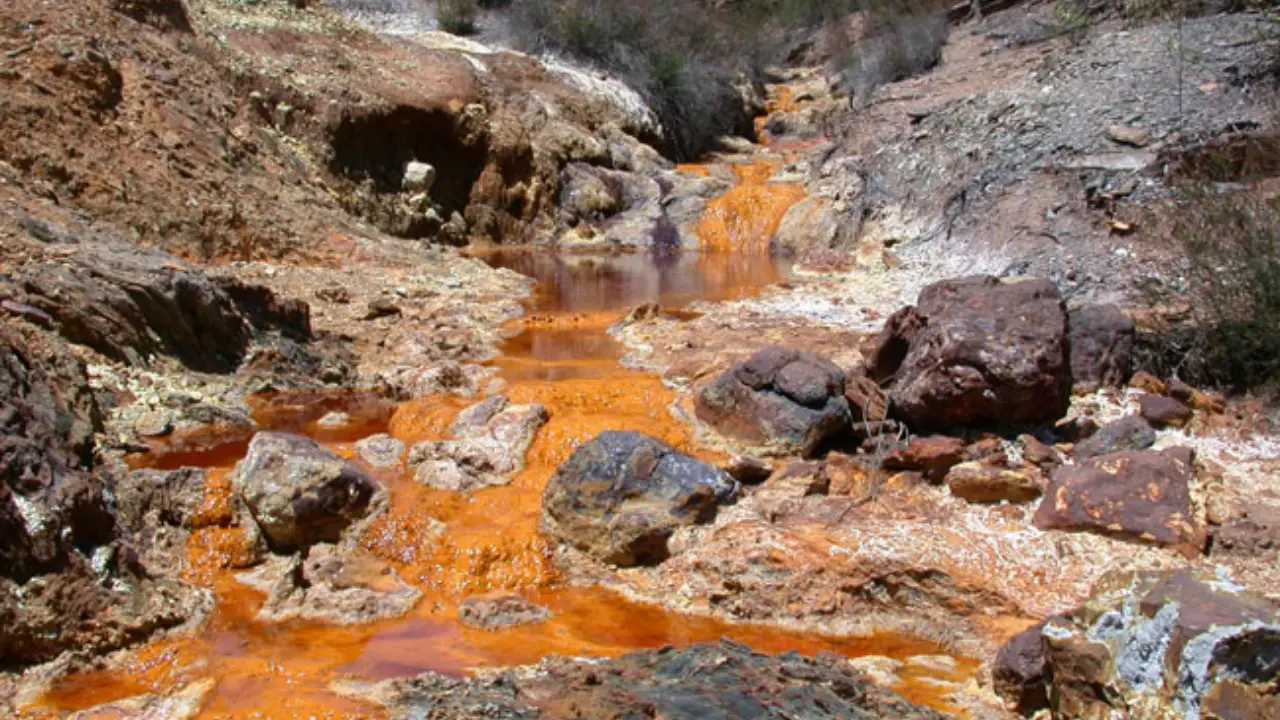
When gold ore containing sulphides is exposed to air and water, it can form sulfuric acid. This acid leaches out toxic elements like arsenic and lead, polluting groundwater and rivers for decades. Acidic water harms aquatic life and the people who depend on these resources.

Huge water consumption and soil loss
3 / 7
(Photograph: X)

Huge water consumption and soil loss

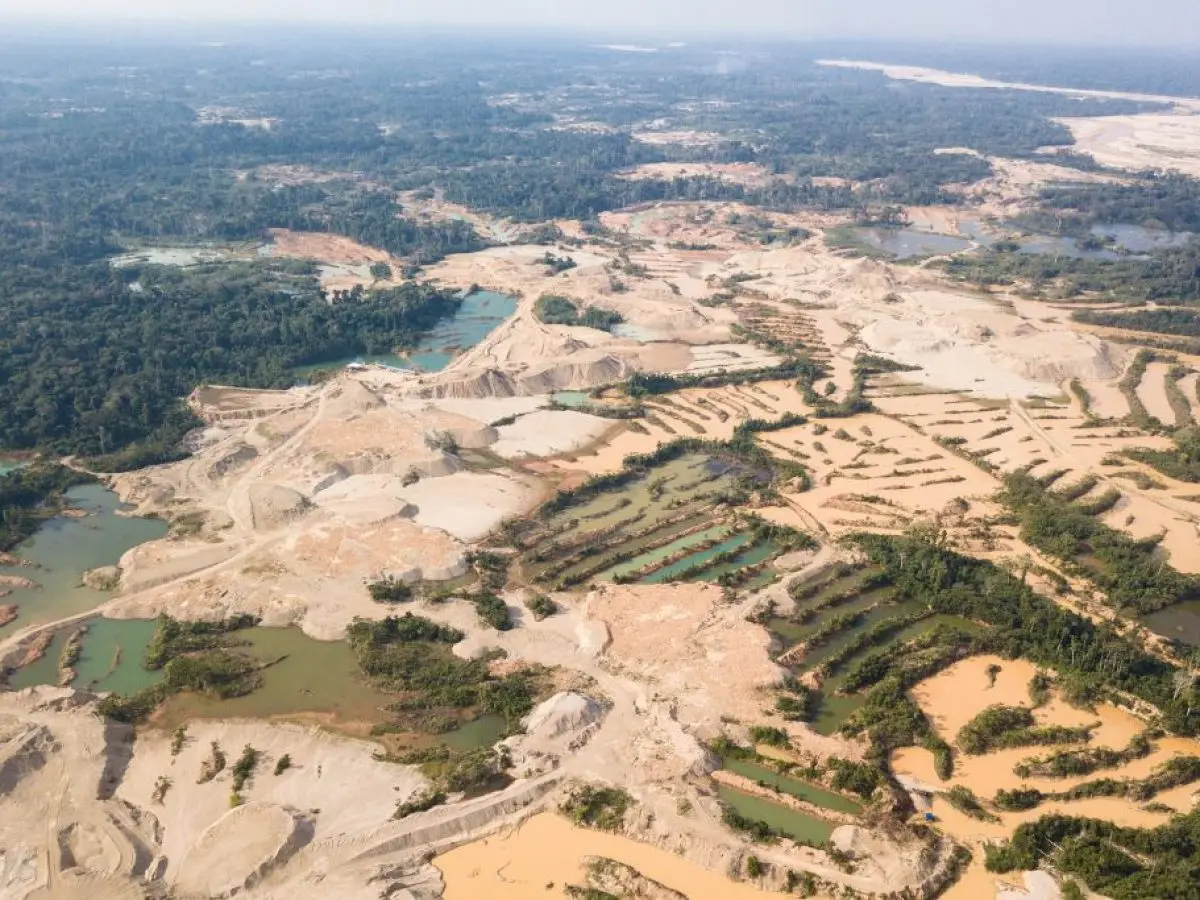
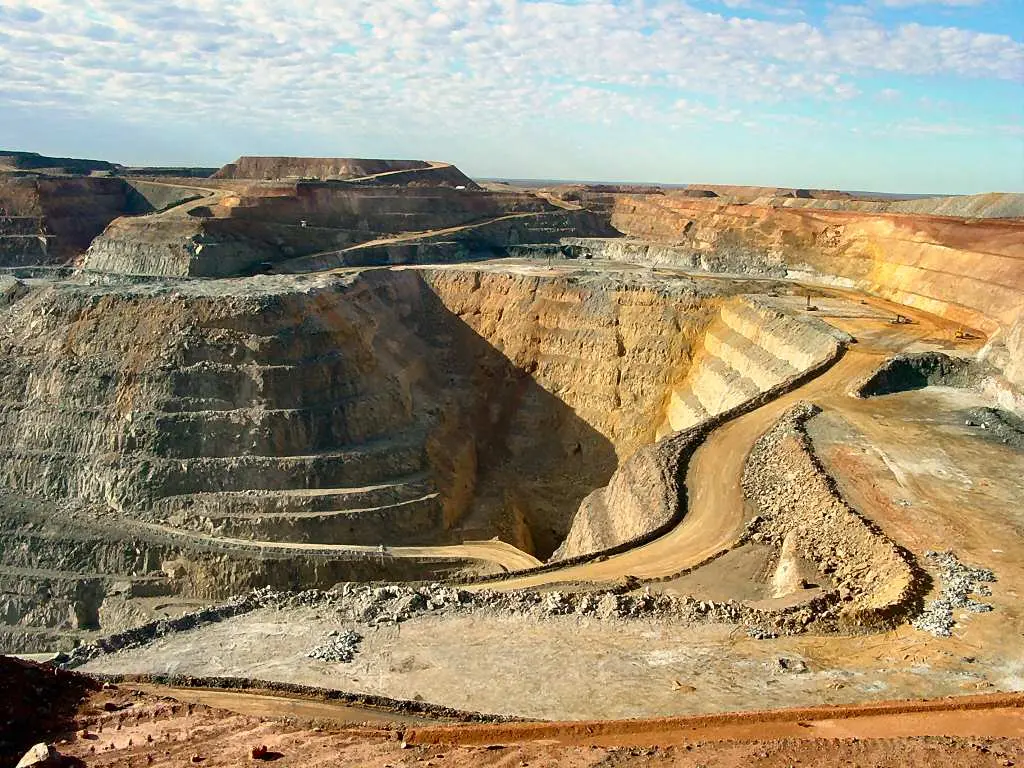
Gold mining consumes vast amounts of water for ore processing and cleaning. It also strips away topsoil and vegetation, degrading land for generations. Fertile soil is lost, making it hard for crops or forests to recover.

Air pollution and greenhouse gases
4 / 7
(Photograph: X)

Air pollution and greenhouse gases

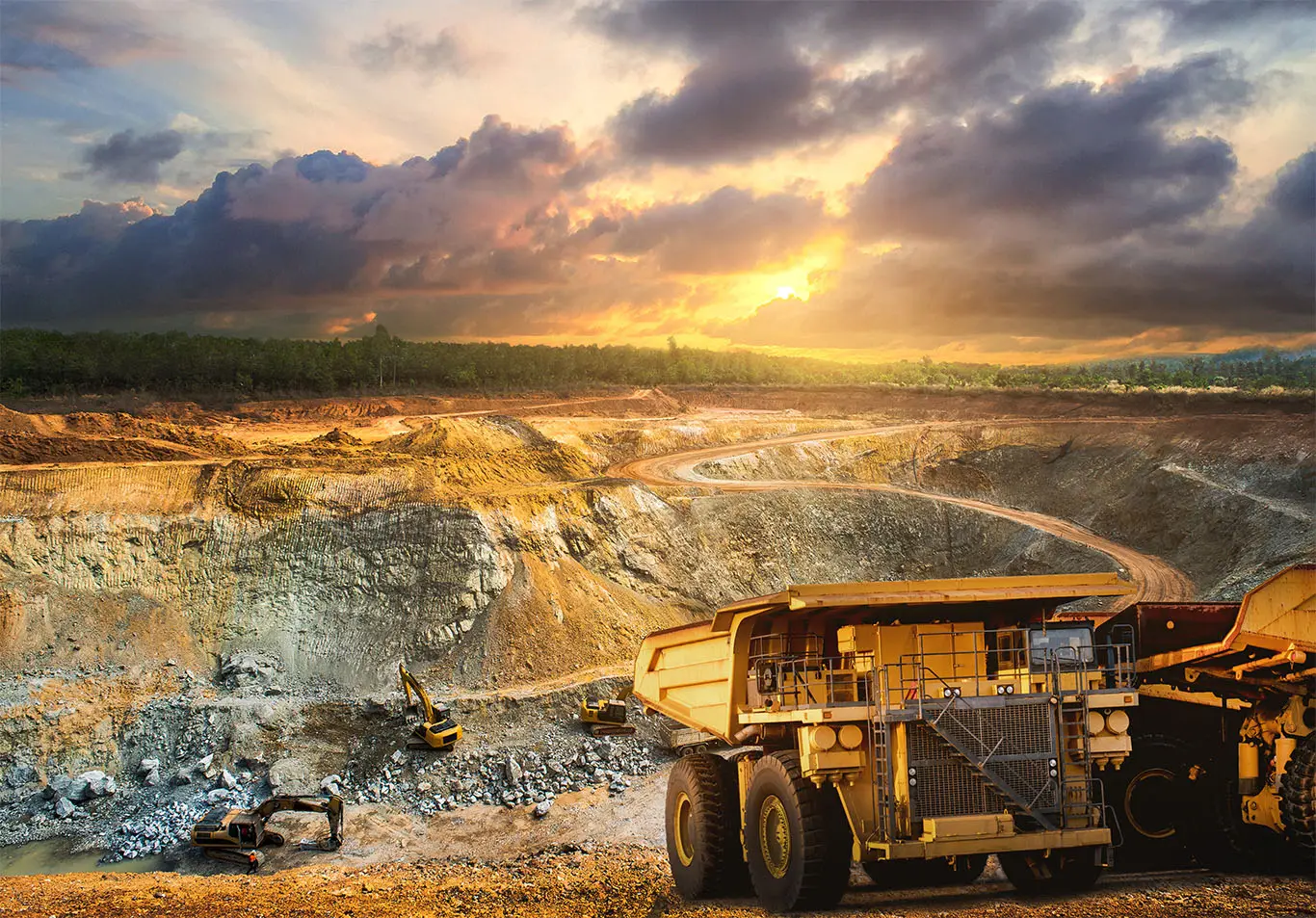
Mining machines, blasting and transport create dust and fine particles that pollute the air. Fossil fuels used in gold extraction release greenhouse gases, adding over 100 million tonnes of CO₂ each year to global emissions, according to the World Gold Council.

Loss of biodiversity and ecosystem damage
5 / 7
(Photograph: X)

Loss of biodiversity and ecosystem damage

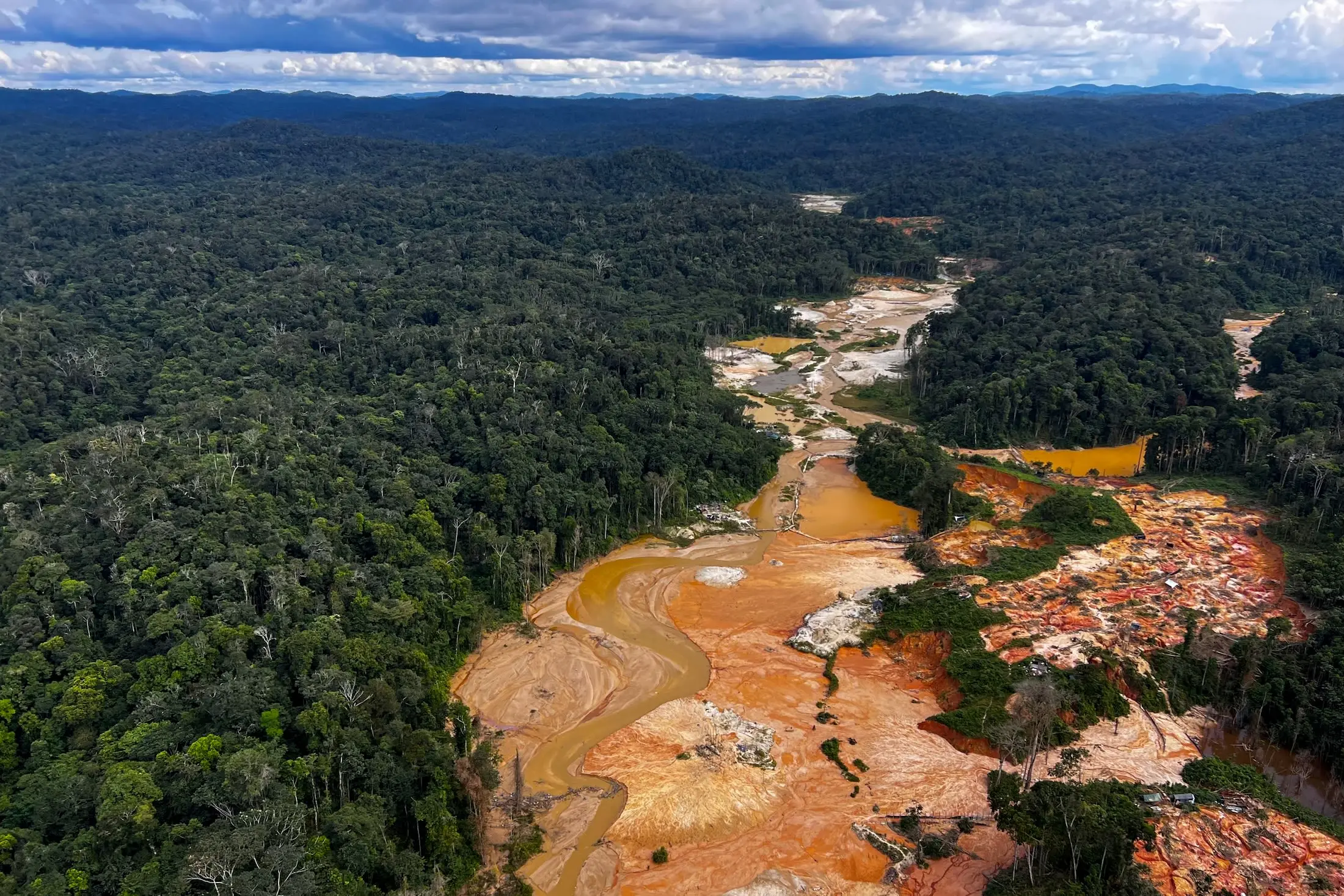
Clearing forests for mining destroys habitats, leading to a loss of plants and animals. Pollution from chemicals cuts biodiversity around gold sites by up to 80 per cent, causing long-term damage to local ecosystems.

Impact on local communities
6 / 7
(Photograph: X)

Impact on local communities

Gold mining can affect the health of nearby communities by contaminating water, food and air. Toxic exposure, reduced farmland and displacement can lead to social and economic problems, including food insecurity and conflict.

Sustainable solutions
7 / 7
(Photograph: X)

Sustainable solutions

Strong regulations, real-time monitoring and new clean-up technologies can help. Sustainable mining practices including water recycling and reduced chemical use have been shown to cut pollution by up to 95 per cent, helping protect rivers and habitats.