'From America's F-47 to China's J-36': Exploring the future of 6th generation fighter jets

Edited By Abhinav Yadav
Published: May 19, 2025, 18:50 IST | Updated: May 19, 2025, 18:51 IST
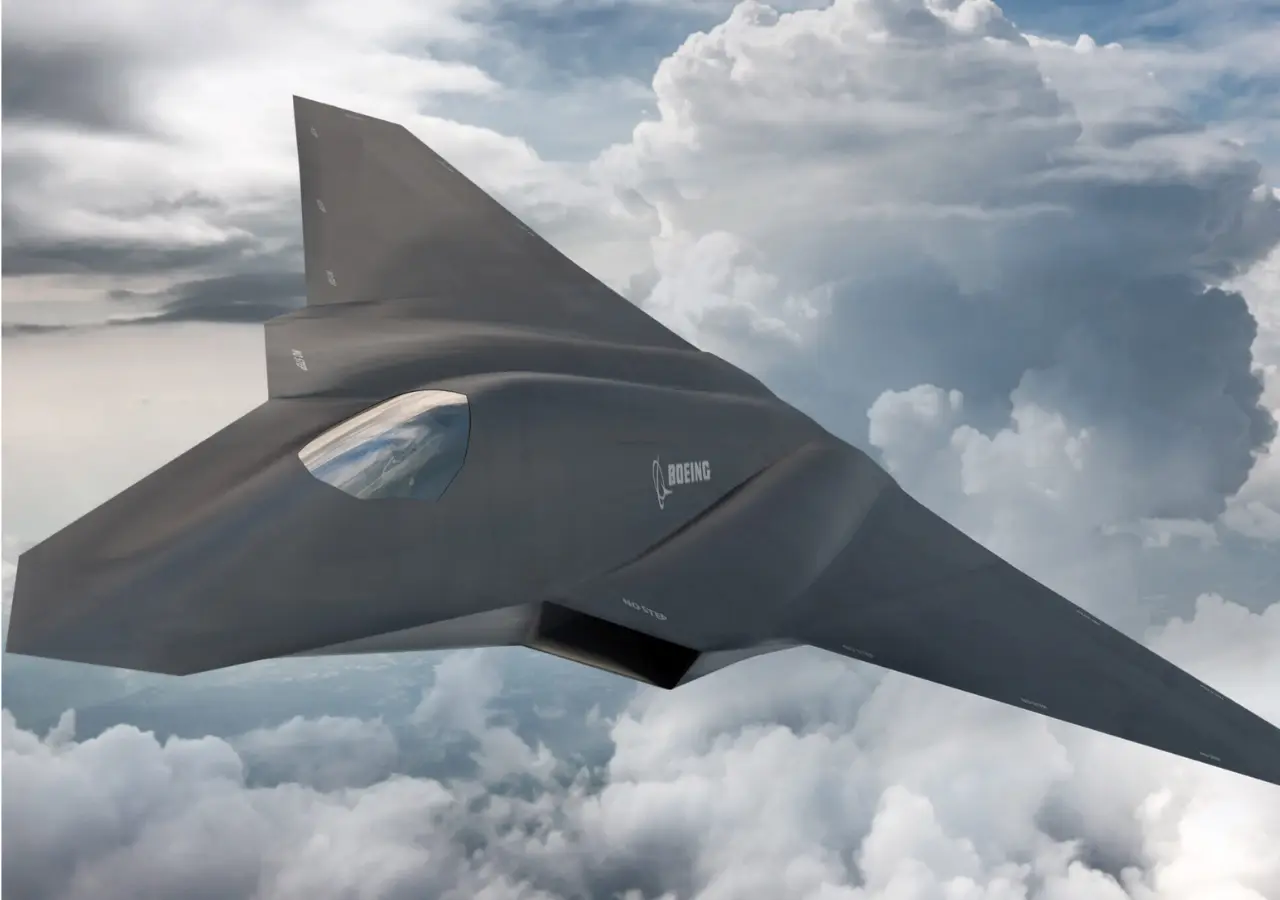
A new arms race is on. The US, China, UK, Japan, Italy, France, Germany and Spain are all developing sixth-generation fighter jets, aiming for unmatched speed, stealth, and power.
1 / 7
(Photograph: Boeing photo)
The Race to Build the Fighter Planes of the Future
A new arms race is on. The US, China, UK, Japan, Italy, France, Germany and Spain are all developing sixth-generation fighter jets, aiming for unmatched speed, stealth and power.
2 / 7
(Photograph: Boeing photo)
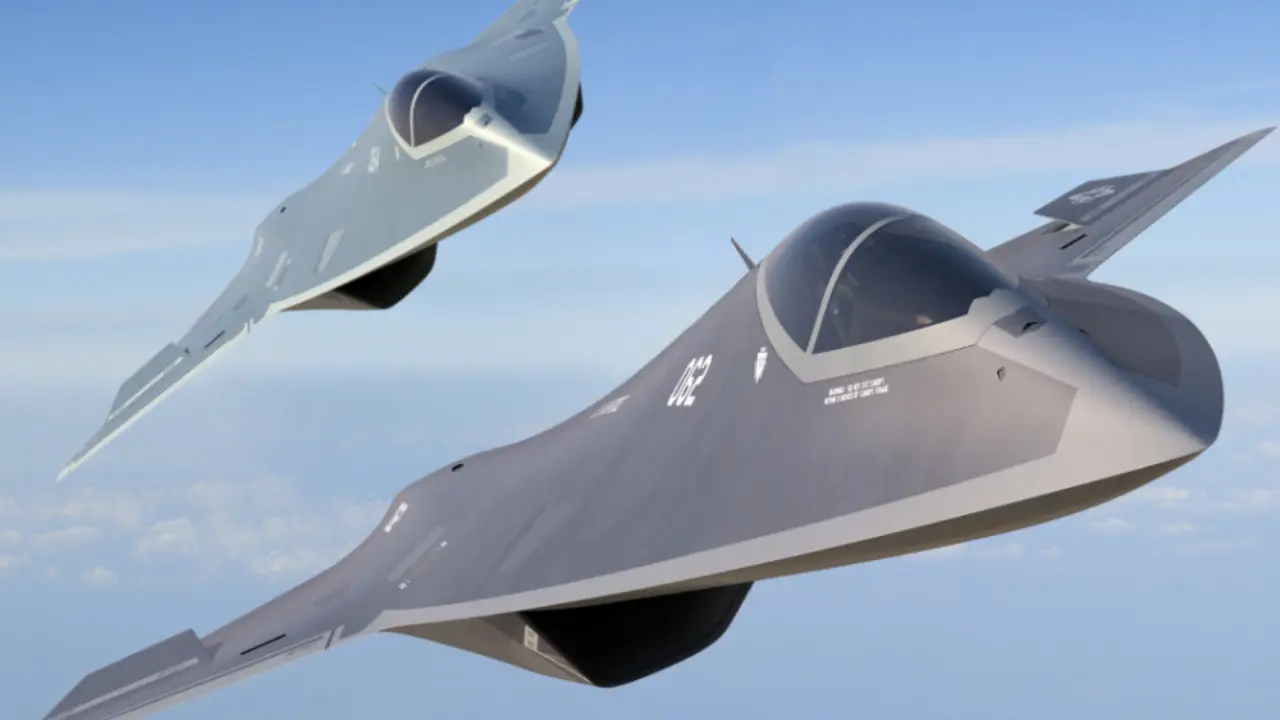
What Makes Sixth-Generation Jets Different?
These jets are huge, with smooth surfaces for stealth, massive wings for range and weapons hidden inside. They’re designed to survive powerful new air defences and strike from far away.
3 / 7
(Photograph: Wikipedia)
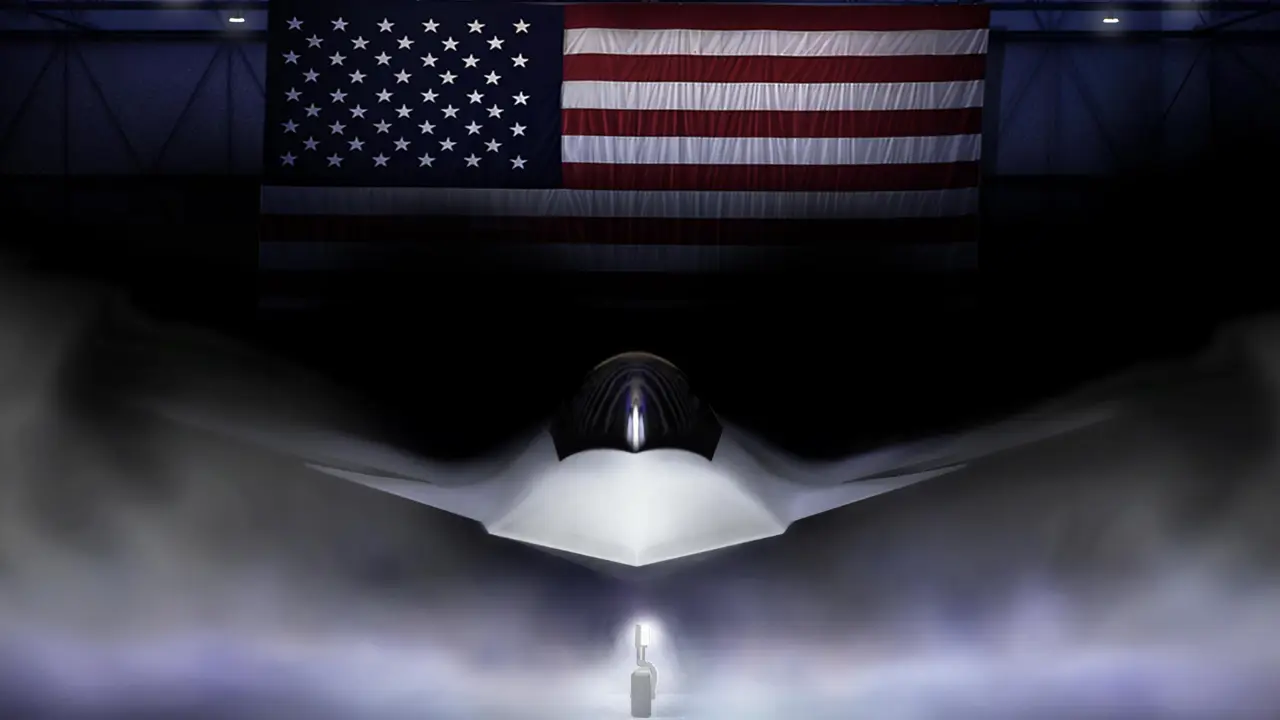
America’s F-47: The Next Big Thing
The US F-47, built by Boeing, promises longer range, more stealth and bigger payloads than the F-22 or F-35. It’s expected to fly with drone wingmen and could be ready by 2029.
4 / 7
(Photograph: MOD)
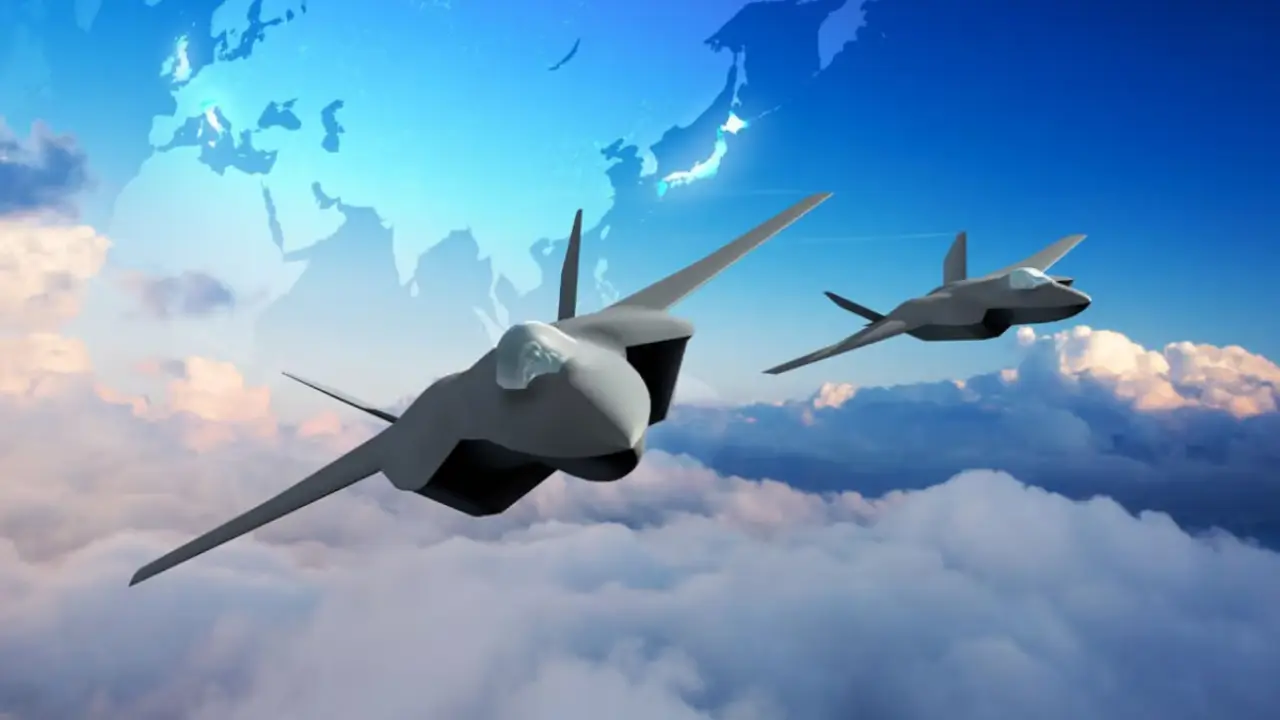
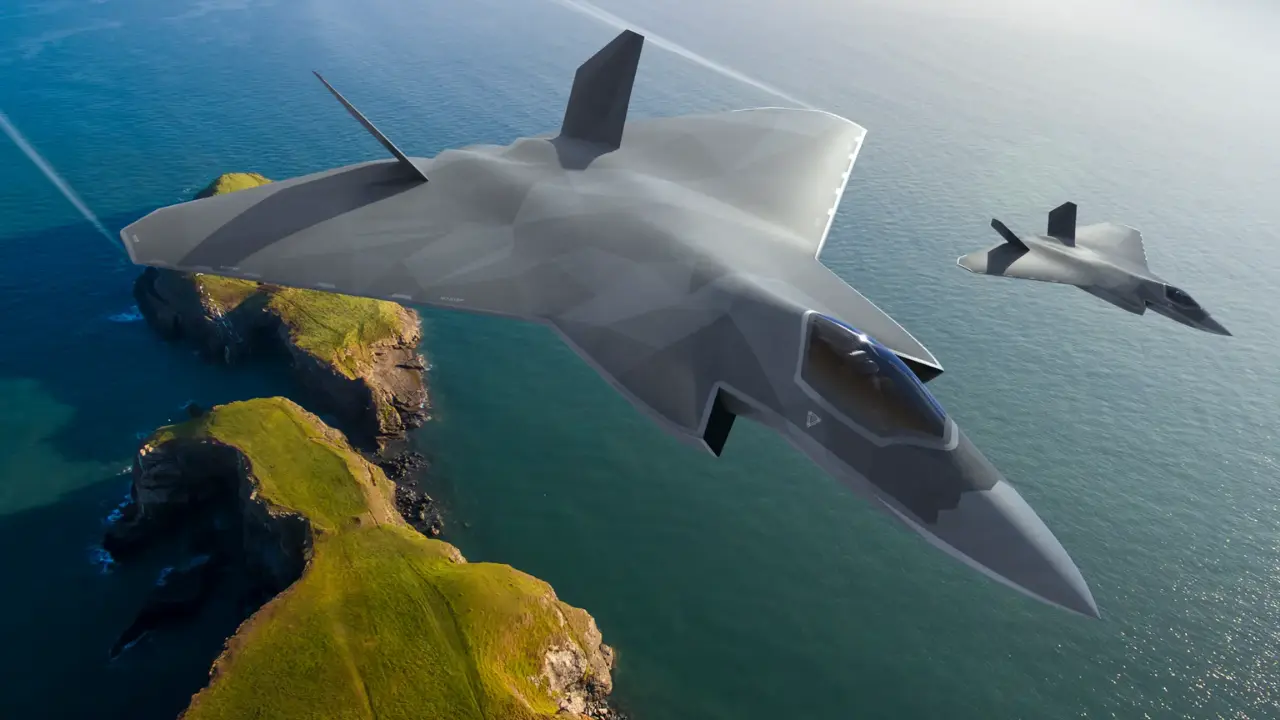
Europe and Asia Join the Race
Britain, Italy and Japan are building the Tempest, due by 2035, with double the payload of the F-35. France, Germany and Spain’s Future Combat Air System (FCAS) aims for service by 2040.
5 / 7
(Photograph: X)
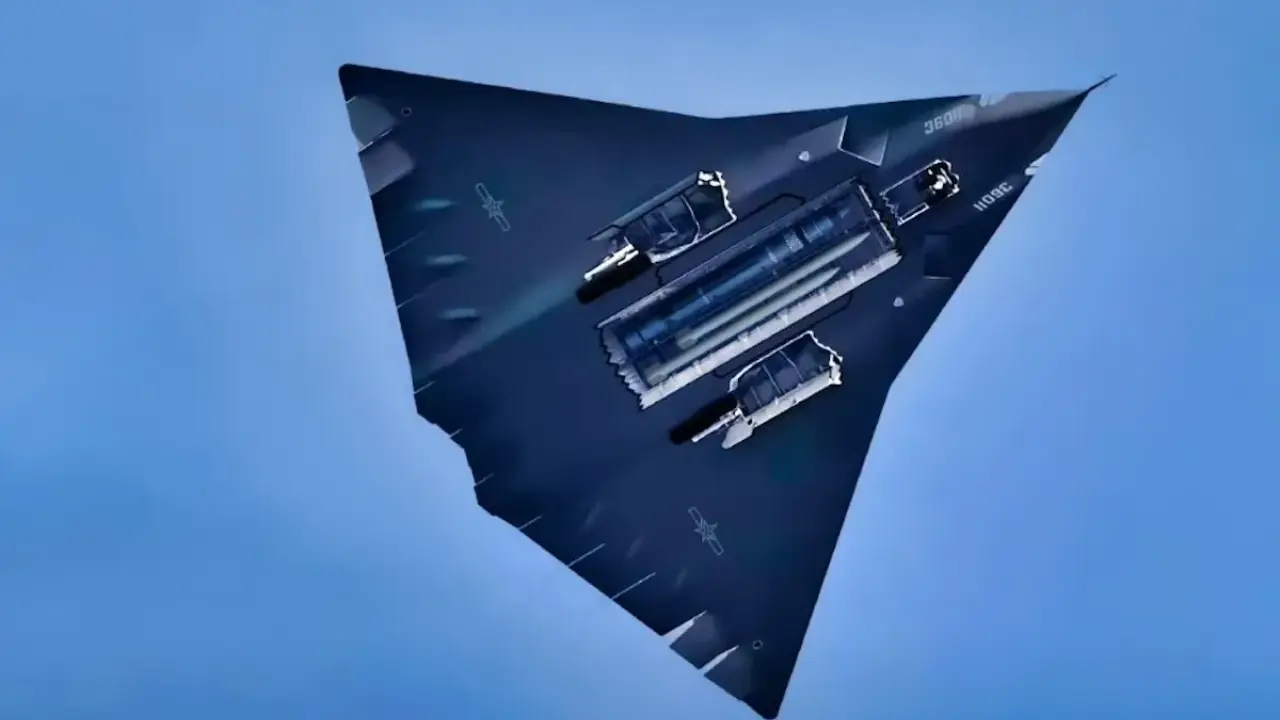
China’s J-36: The Stealth Giant
China’s J-36 prototype, with its flying-wing design, is built for stealth and long range. These new jets are expected to fly farther and carry more weapons than anything seen before.
6 / 7
(Photograph: X)
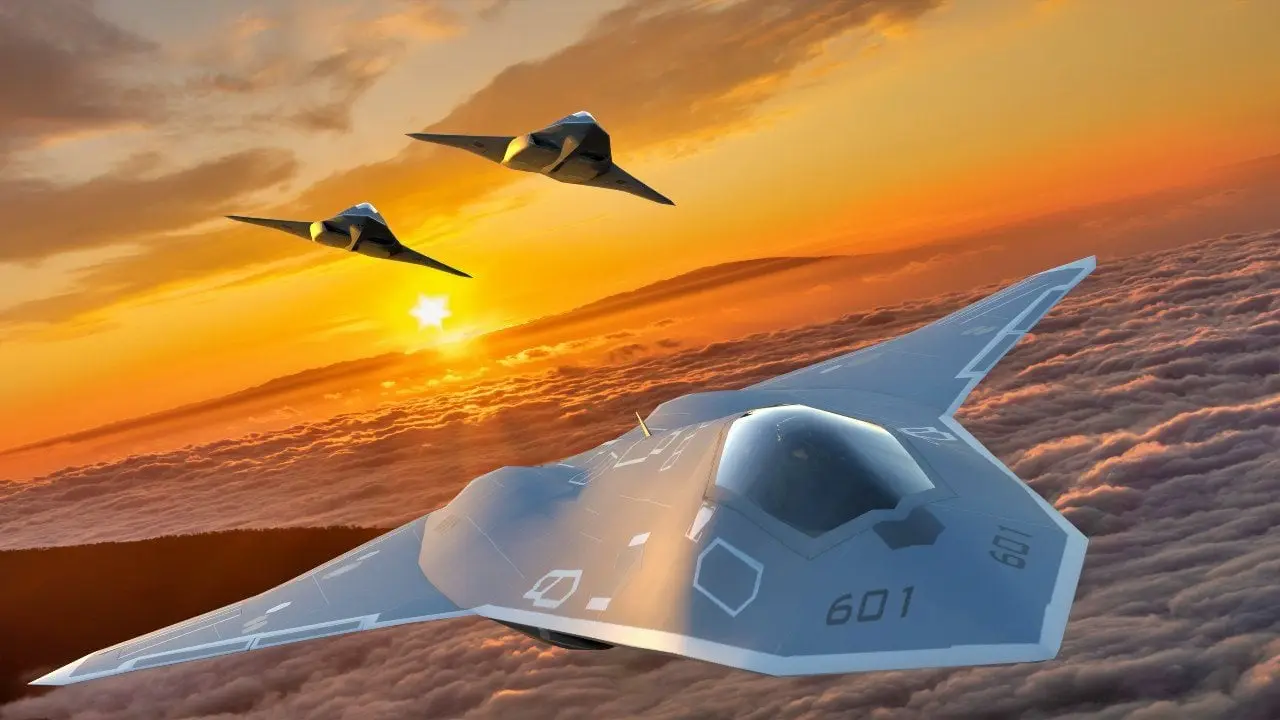
Brains and Brawn: AI and Drones
Sixth-gen jets are “flying supercomputers,” using AI to manage data and control fleets of unmanned drones. Pilots will act more like mission commanders, with AI making split-second decisions.
7 / 7
(Photograph: BAE Systems)
Why Size and Range Matter Now
With airfields at risk from long-range missiles, these jets need to fly from far away. Their huge fuel tanks and efficient designs mean they can cross oceans without refuelling, striking deep into enemy territory.
)
)
)
)
)