The comet that broke the record: 3I/ATLAS’s eccentricity is the highest ever measured

3I/ATLAS holds the record for the highest orbital eccentricity measured at 6.14, indicating a hyperbolic path from deep space. Its unique speed and trajectory reveal vital clues about interstellar objects and cosmic origins beyond our Solar System. Know more below.
Introducing 3I/ATLAS and its Record-breaking Orbit
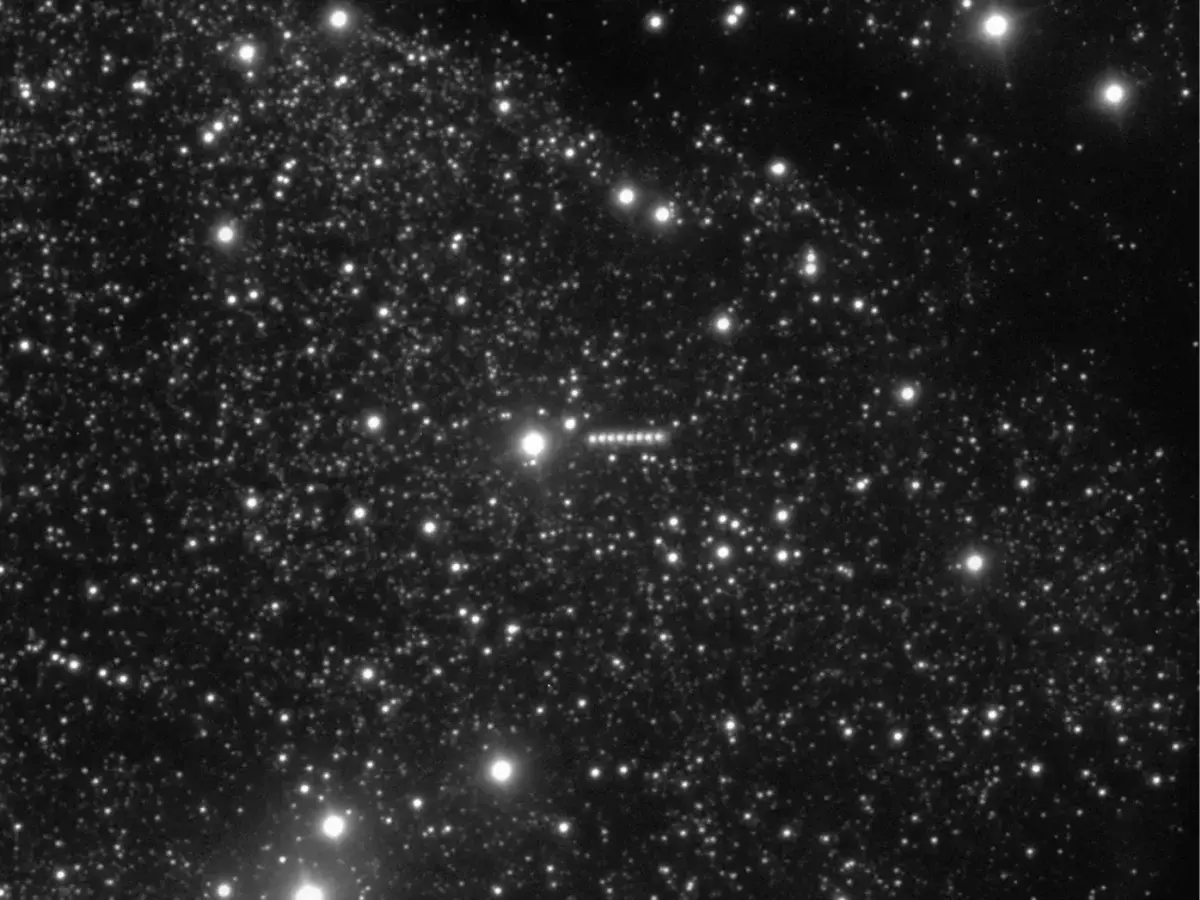
3I/ATLAS is an interstellar comet discovered in July 2025 by the ATLAS telescope. It is moving through our Solar System on a journey unlike any before. This comet’s orbit has the highest eccentricity ever measured - a record-breaking 6.14. This shows just how stretched out its path is around the Sun.

Understanding Eccentricity
Eccentricity is a number that describes how much an orbit stretches away from a circle. A circle has an eccentricity of 0. Planets orbit in paths close to circles below 1. For comets, when the number is more than 1, the orbit is open and the comet will leave the Solar System. 3I/ATLAS's eccentricity of over 6 means its orbit is extremely stretched and fast.

Speed and Orbit Details
3I/ATLAS entered the Solar System moving at 58 kilometres per second relative to the Sun. It passed closest to the Sun at 1.36 AU - between Earth and Mars. At perihelion, the comet's speed peaked at 68 kilometres per second. Its fast, curved path is unique compared to previous interstellar visitors.

What Makes 3I/ATLAS Different?
This comet came from outside our Solar System with a very high initial speed. The Sun's gravity could not hold it. Its orbit is tilted backwards by 175 degrees relative to the plane of our planets, meaning it moves in the opposite direction to most objects in the Solar System

Scientific Observations
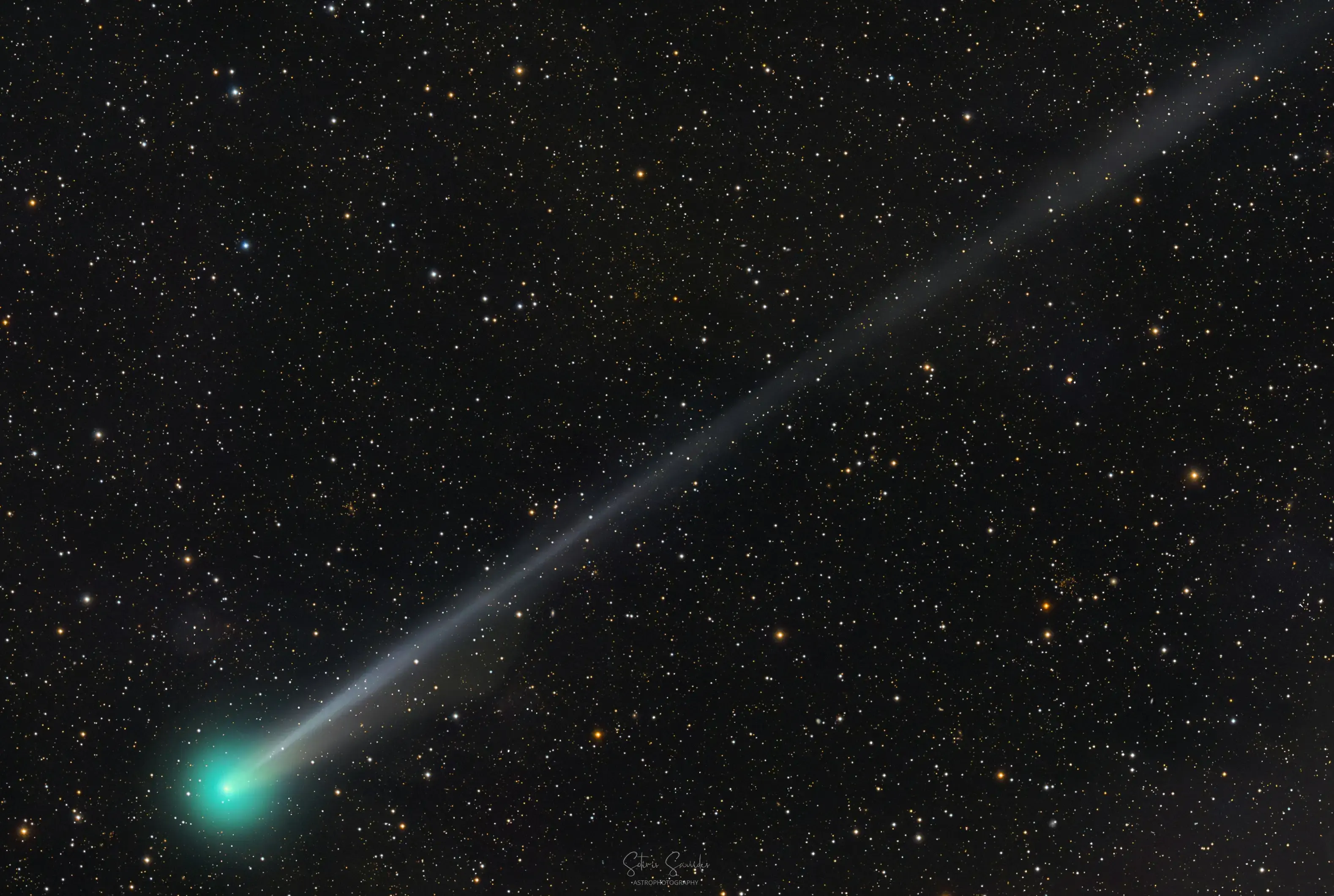
3I/ATLAS's nucleus size is estimated to be under 1 kilometre wide. Observations show it emits gases like cyanide and carbon dioxide. Space telescopes like Hubble and James Webb have studied its composition and dust tail. These details help scientists understand objects from other star systems.

The Path Beyond the Solar System
Because of its very high eccentricity and speed, 3I/ATLAS will escape the Solar System and continue into interstellar space. It is the fastest and most eccentric interstellar object seen so far. Its journey offers clues about cosmic travellers far beyond our Sun.
Why This Matters for Science
Studying 3I/ATLAS helps scientists learn about the building blocks of stars and planets in other systems. Each new record comet shows us something new about the origins of our galaxy and gives insight into the vast universe beyond.
)
)
)
)
)