The China-Pakistan connection: Why 80% of Islamabad’s weapons come from one source

Central to this trajectory is a profound reliance on Chinese industry; a staggering 80 per cent of Pakistan’s total arms imports now originate from a single source, reflecting a strategic pivot that has reshaped regional security dynamics.
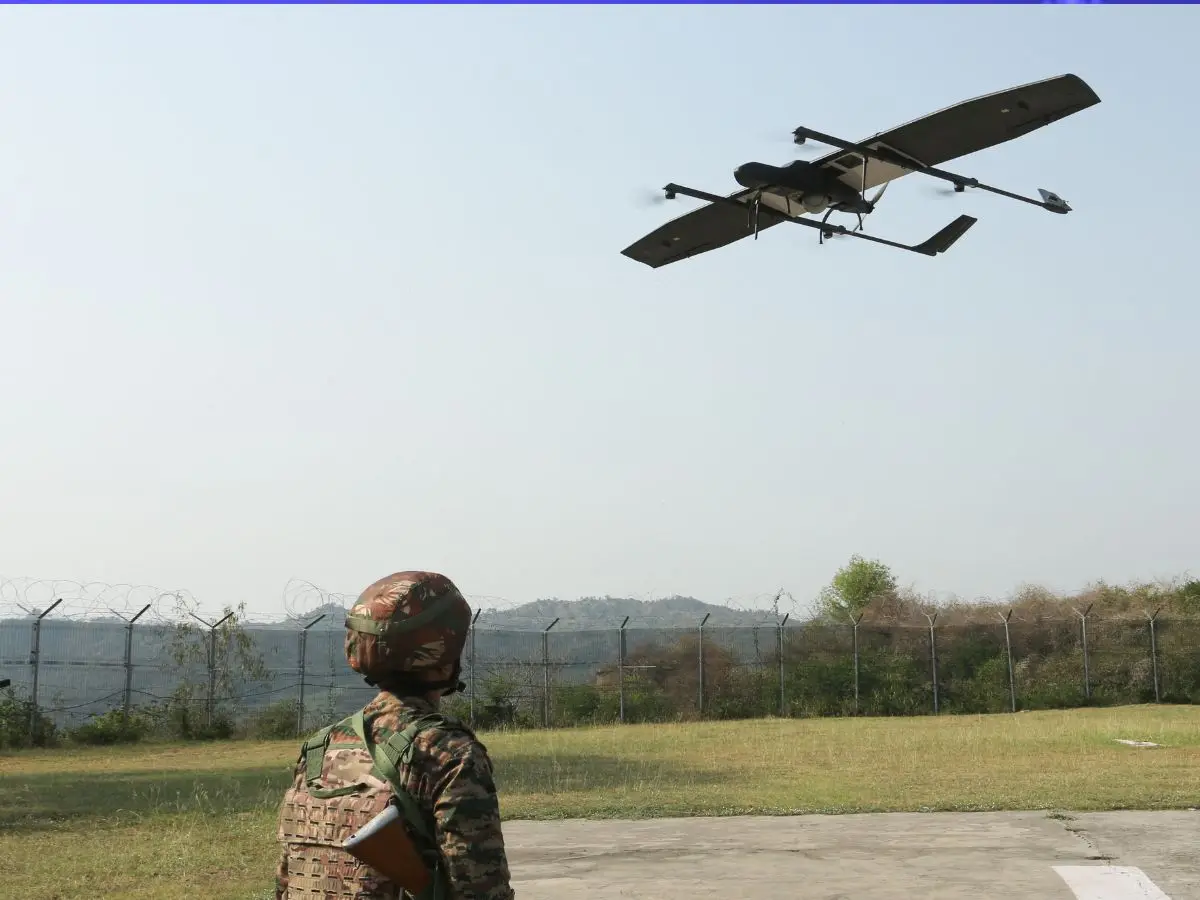
One Source
The global arms trade is increasingly dominated by concentrated bilateral dependencies, none more evident than the defence tie between Islamabad and Beijing. According to the March 2026 factsheet from the Stockholm International Peace Research Institute, Pakistan has climbed to become the world’s fifth-largest importer of major arms, up from tenth place in 2016–20. At the heart of this surge is an overwhelming dependence on China: 80 per cent of Pakistan’s total arms imports now come from a single source. This heavy reliance underscores Islamabad’s narrowing procurement strategy and raises questions about regional security imbalances, particularly for India.
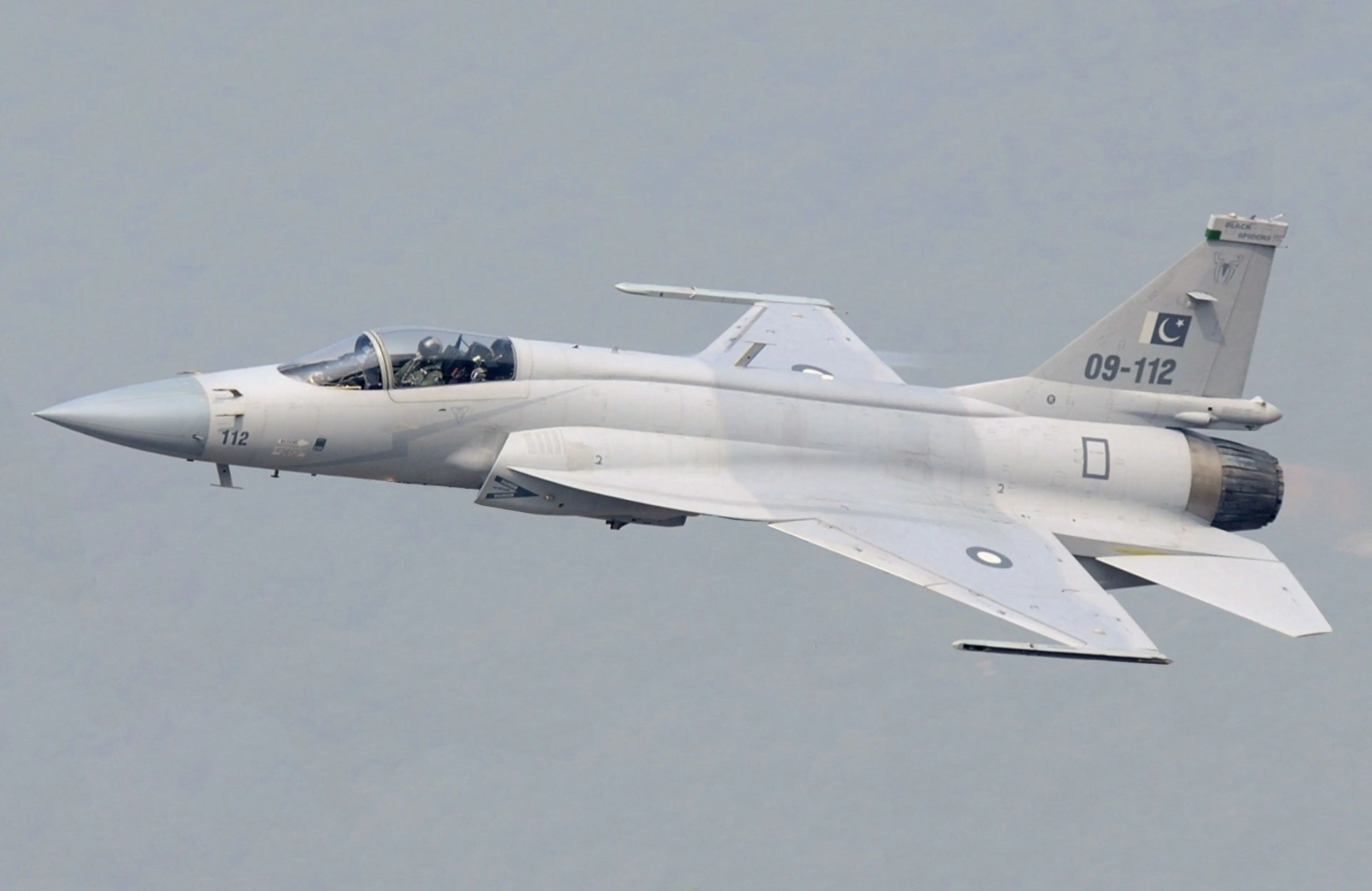
Quantifying the surge in Pakistani imports
Data from the 2021–25 period reveals that Pakistan’s arms imports increased by 66 per cent compared to the preceding five-year block. The nation now accounts for 4.2 per cent of total global arms imports. This volume is notably distinct within the broader Asian context; while arms imports to Asia and Oceania actually decreased by 20 per cent, largely due to China’s own imports more than halving, Pakistan has bucked the regional trend by aggressively expanding its foreign acquisitions to modernise its multi-domain capabilities.
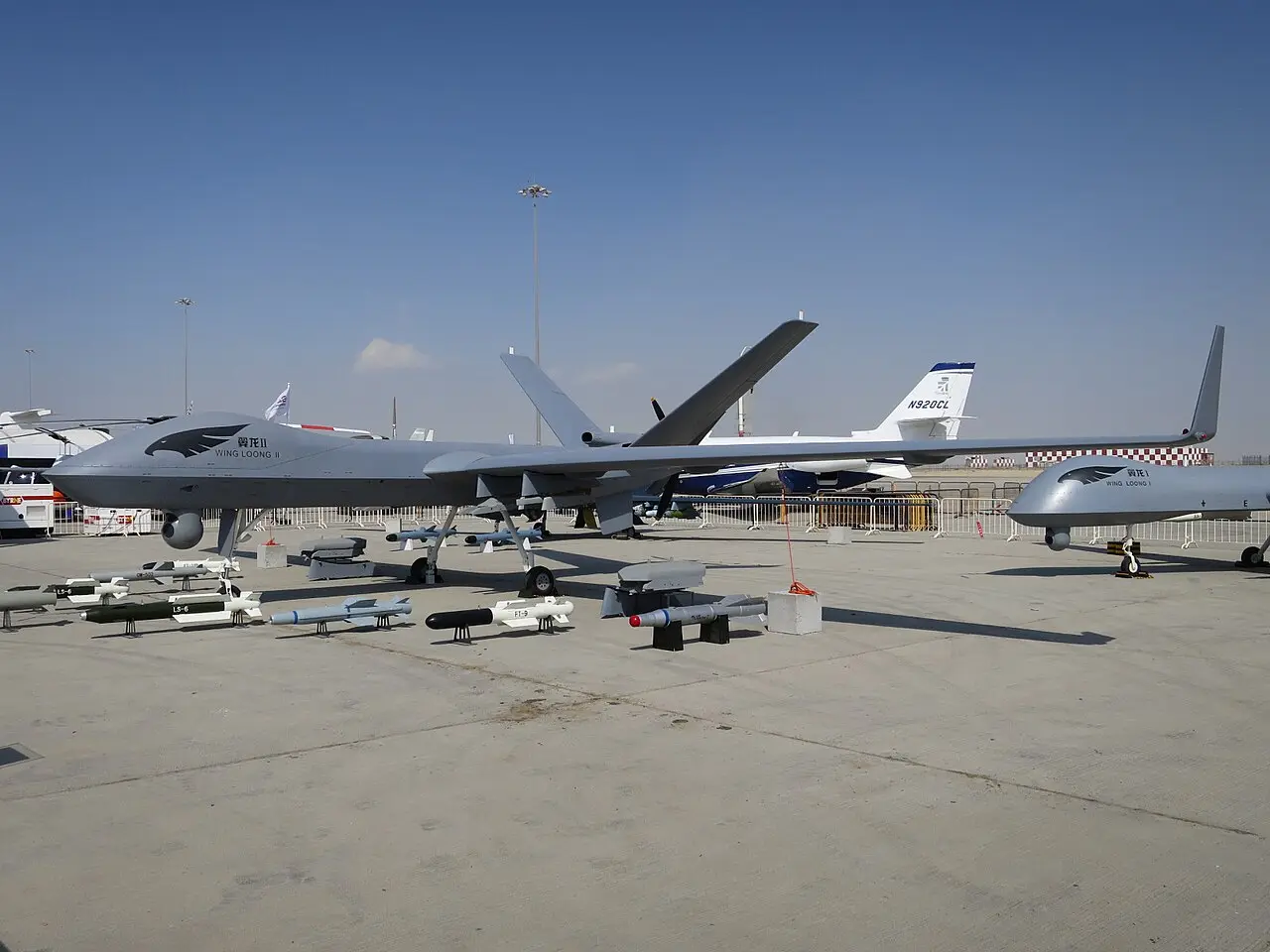
China’s role as a global arms supplier
China maintains its position as the world’s fifth-largest arms supplier, commanding a 5.6 per cent share of total global exports. Between 2016–20 and 2021–25, Chinese exports grew by 11 per cent, a period during which Beijing supplied major weaponry to 47 different states. However, the distribution of these exports is heavily skewed toward its immediate neighbourhood. States in Asia and Oceania received 77 per cent of Chinese military hardware, followed by Africa at 13 per cent, illustrating Beijing's focus on consolidating its influence within the Global South.
The extraordinary concentration of Chinese exports
The SIPRI report highlights an exceptional level of customer concentration within China's defence industrial complex. Although Beijing deals with dozens of nations, 61 per cent of all Chinese arms exports are delivered to a single recipient: Pakistan. This symbiotic relationship has deepened over the last decade; the share of Pakistani imports sourced from China rose from 73 per cent in the 2016–20 period to the current 80 per cent. This makes the Islamabad-Beijing axis one of the most exclusive and consolidated military supply chains in the recent past.
Operational debut in regional conflict
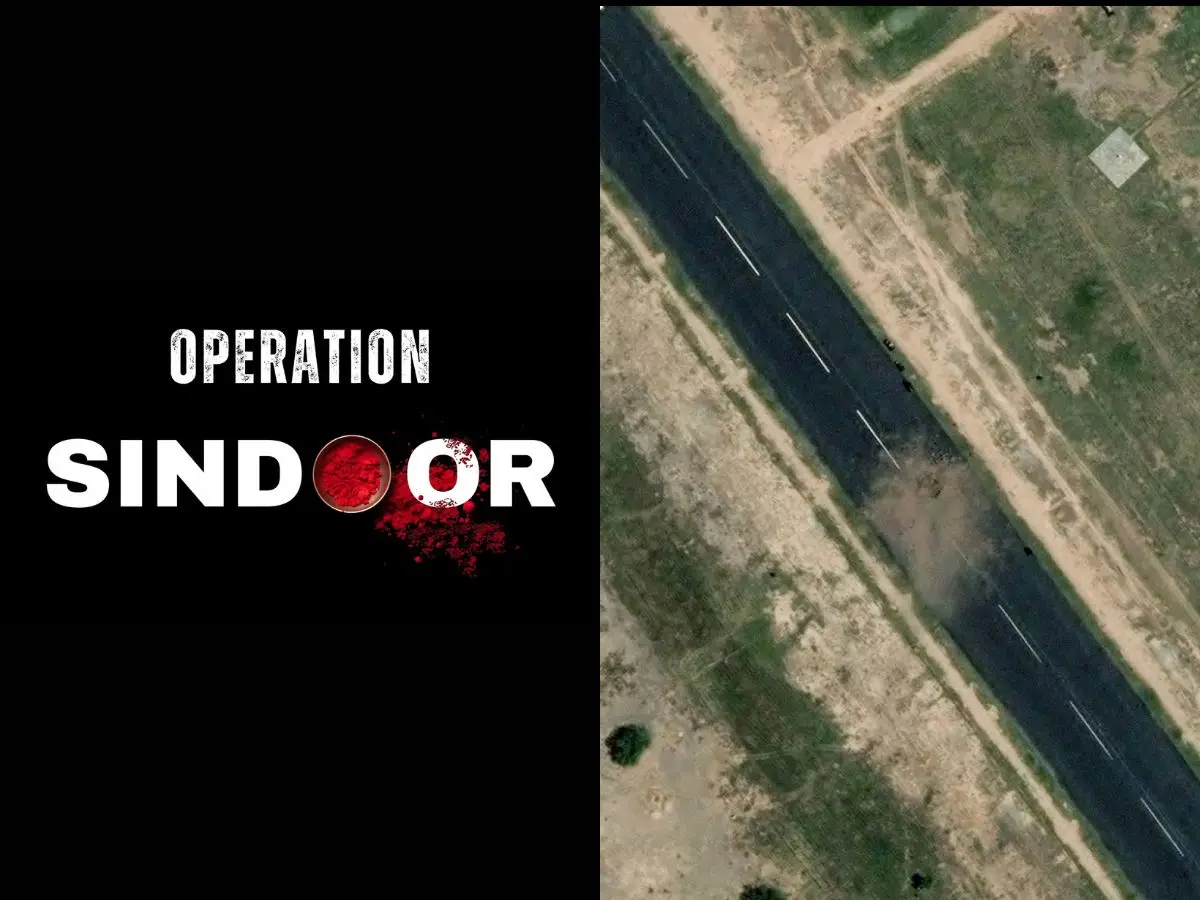
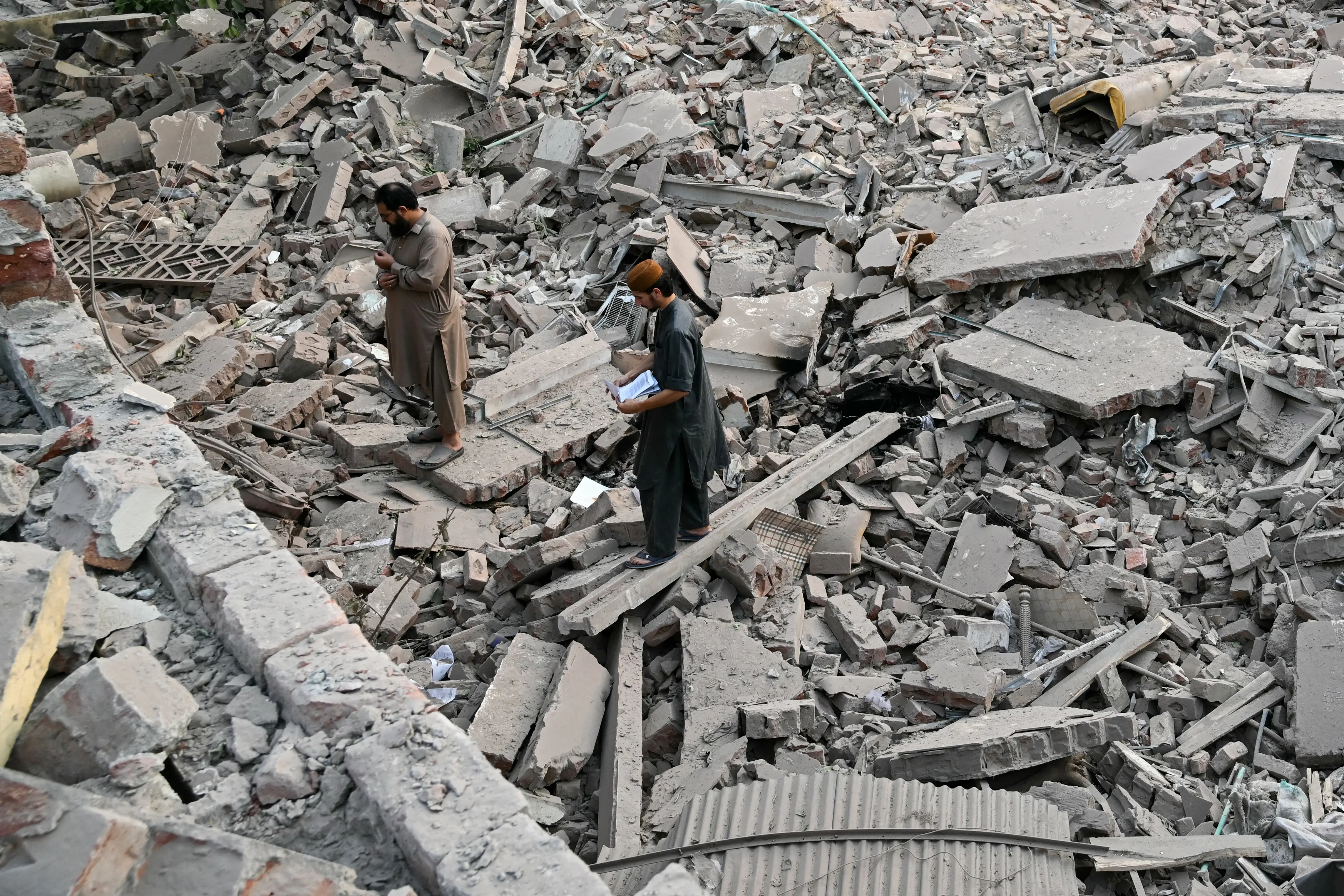
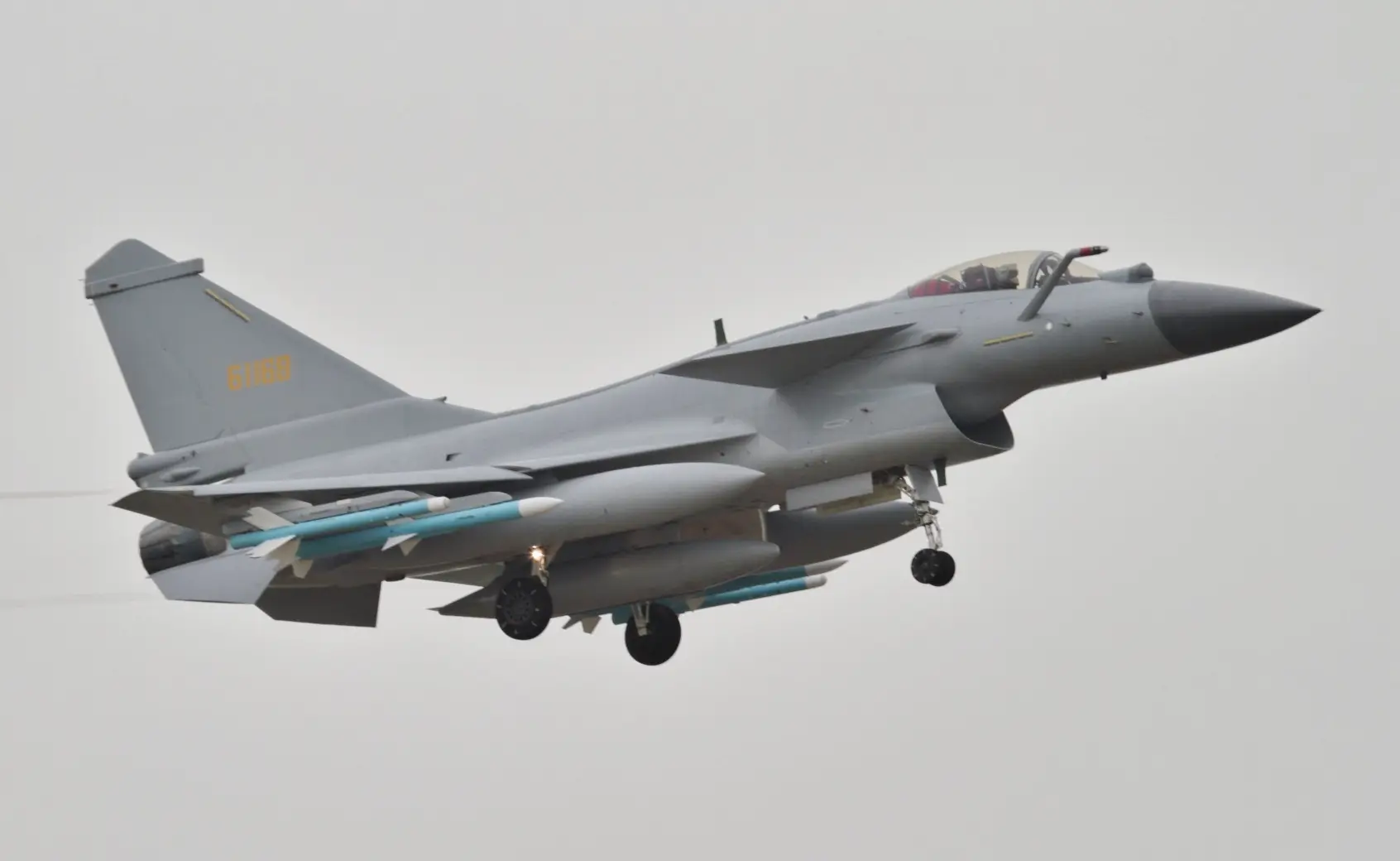
The practical impact of Pakistan’s heavy dependence on Chinese arms was starkly evident during the India-Pakistan standoff in May 2025. Following India’s Operation Sindoor, Pakistani forces fielded Chinese-origin fighter jets in active combat for the first time, a high-risk test of China’s aerospace capabilities. Reports from the conflict were contradictory: the Indian Air Force shot down eight to ten Pakistani jets, including Chinese-built JF-17s, raising serious questions about the effectiveness of Islamabad’s reliance on a single foreign supplier.
Diversification through secondary suppliers
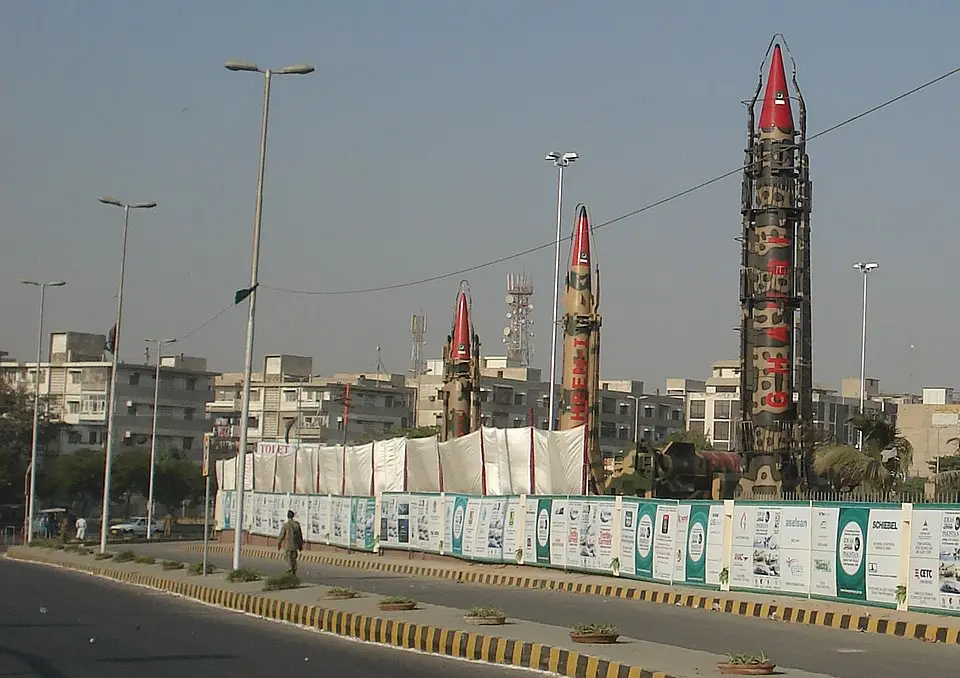
While China is the dominant provider, Pakistan maintains secondary channels to prevent total singular dependency. According to SIPRI, Türkiye serves as the second-largest supplier, accounting for 7 per cent of imports, followed by the Netherlands at 4.6 per cent. These partnerships are often focused on naval assets and specialised electronic systems. However, these figures remain marginal compared to the Chinese share, suggesting that while Islamabad seeks variety, its core frontline strength, spanning air, land, and sea, is fundamentally underpinned by Chinese engineering and financing.
A legacy of strategic alignment
The consolidation of this arms pipeline is a factual reflection of long-term geopolitical alignment. As Pakistan’s imports grow, the country has effectively integrated into the Chinese defence ecosystem, ensuring interoperability between the two militarily. SIPRI identifies 66 states as suppliers of major arms, yet Pakistan has moved toward a near-monolithic procurement strategy.
)
)
)
)
)