'Earth’s Giant Eyes': Meet the 5 biggest telescopes that help us see the universe

Do you know about the biggest telescopes on Earth? These are giant instruments that use huge mirrors to capture faint light and reveal stunning details of faraway stars, galaxies, and space mysteries.
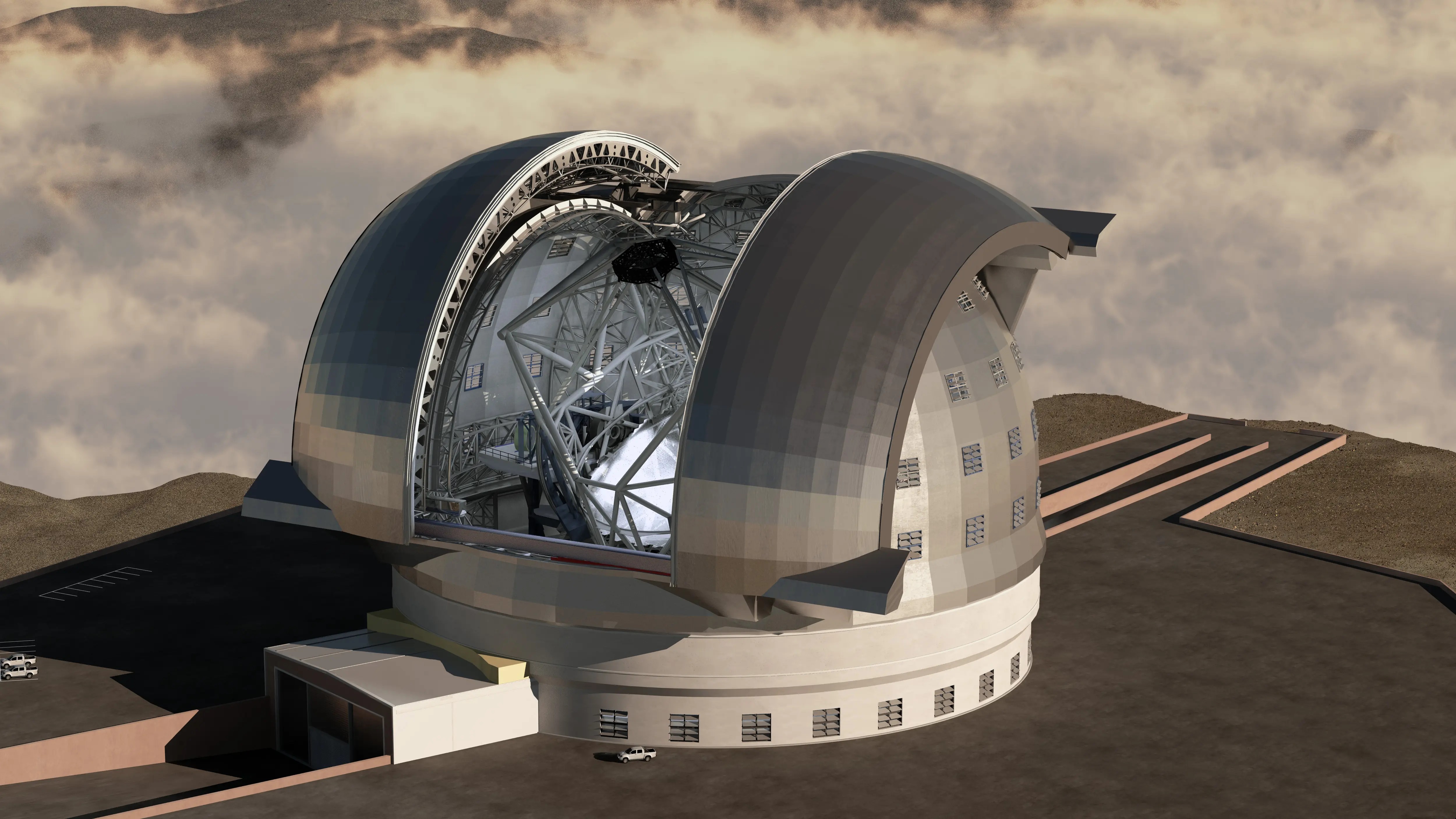
Extremely Large Telescope (ELT)
Located in Chile's Atacama Desert, the ELT is currently under construction and is expected to be the largest optical telescope upon completion, scheduled for around 2029. Its main mirror is 39.3 metres wide, made of 798 hexagonal segments. It will capture images 15 times sharper than the Hubble Space Telescope and gather 250 times more light than Hubble, enabling the study of black holes, dark matter, and planets beyond our solar system.

Giant Magellan Telescope (GMT)
Being built in Chile, the GMT will use seven mirrors working together to form a 24.5-metre telescope. It will provide extremely clear images, up to ten times better than Hubble's. GMT’s mission includes studying Earth-like planets, galaxy formation, and the universe’s expansion.
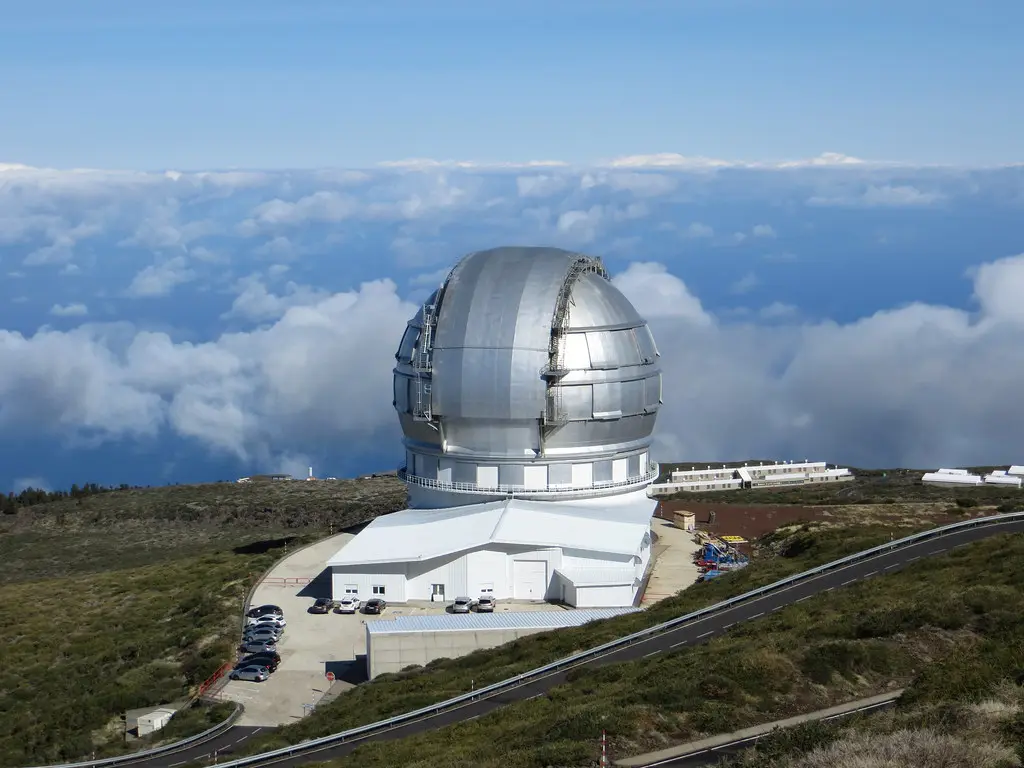
Gran Telescopio Canarias (GTC)
The GTC in Spain is the largest single-mirror optical telescope currently operating, with a 10.4-metre wide mirror made from 36 segments. It excels in viewing faint and distant objects in space, enabling scientists to study the early universe and faraway galaxies.
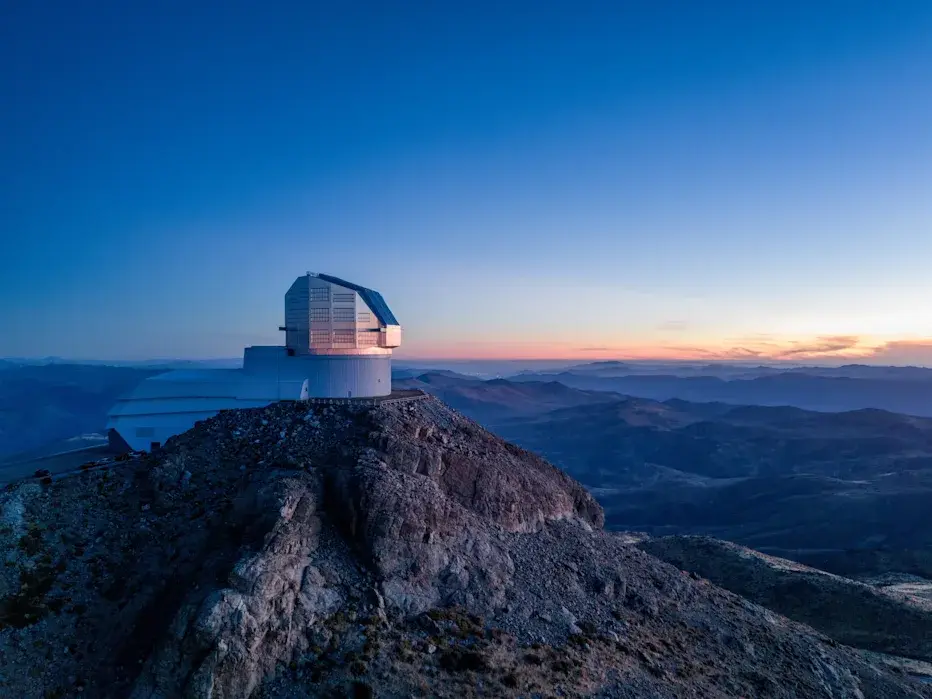
Vera Rubin Observatory
The Vera Rubin Observatory in Chile features an 8.4-metre mirror. It is designed to survey large areas of the sky quickly, helping scientists understand galaxy evolution, dark energy, and star formation.
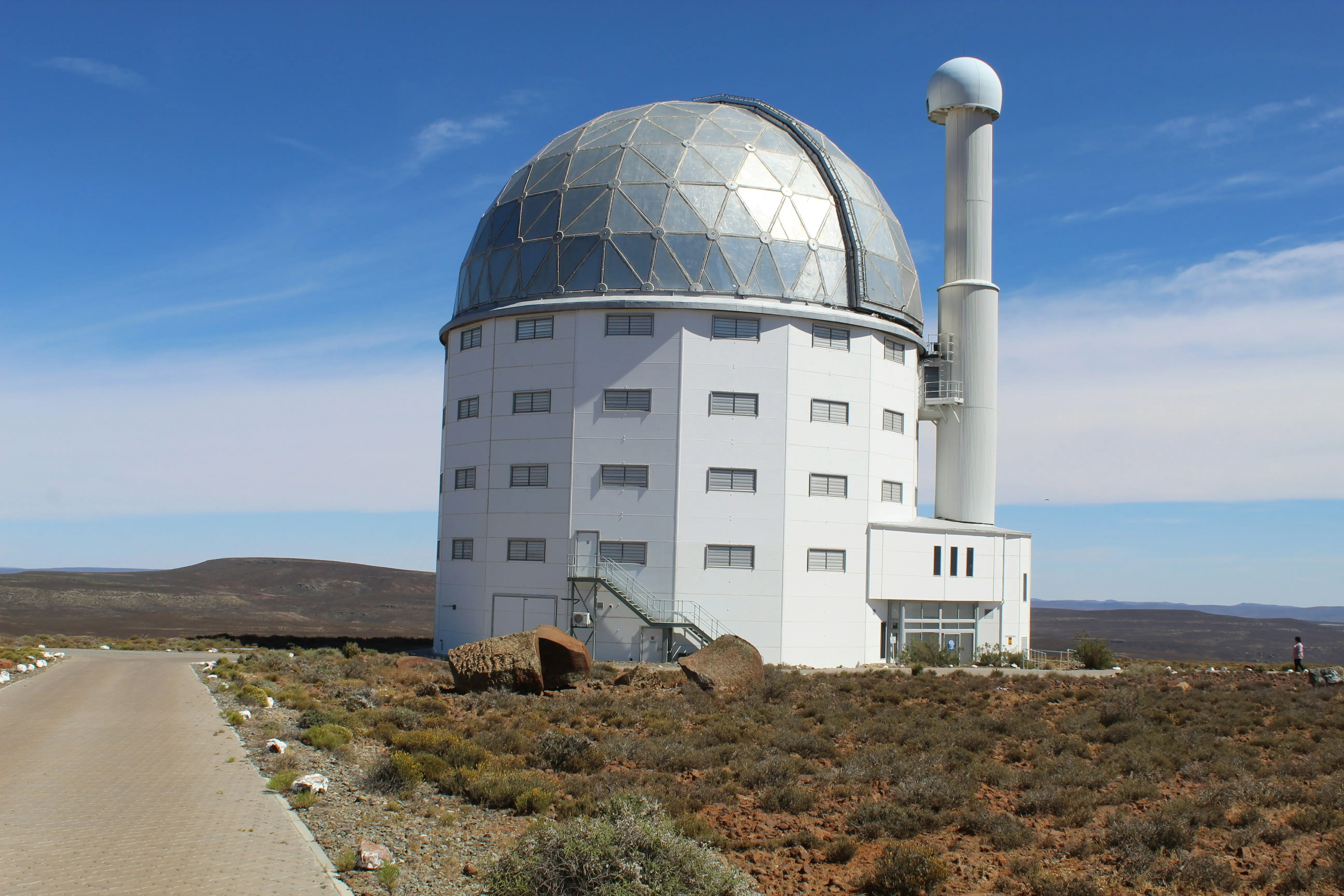
South African Large Telescope (SALT)
SALT in South Africa features an 11-metre segmented mirror, making it the largest optical telescope in the southern hemisphere. SALT studies distant galaxies, black holes, and star clusters with great detail.
)
)
)
)
)