'The 52-minute scare': How a faulty battery sensor almost scrubbed NASA's Artemis II launch

Utilizing a planned 30-minute hold, NASA engineers scrambled to troubleshoot the issue, ultimately discovering that the battery was perfectly healthy and the problem was simply a faulty temperature sensor.
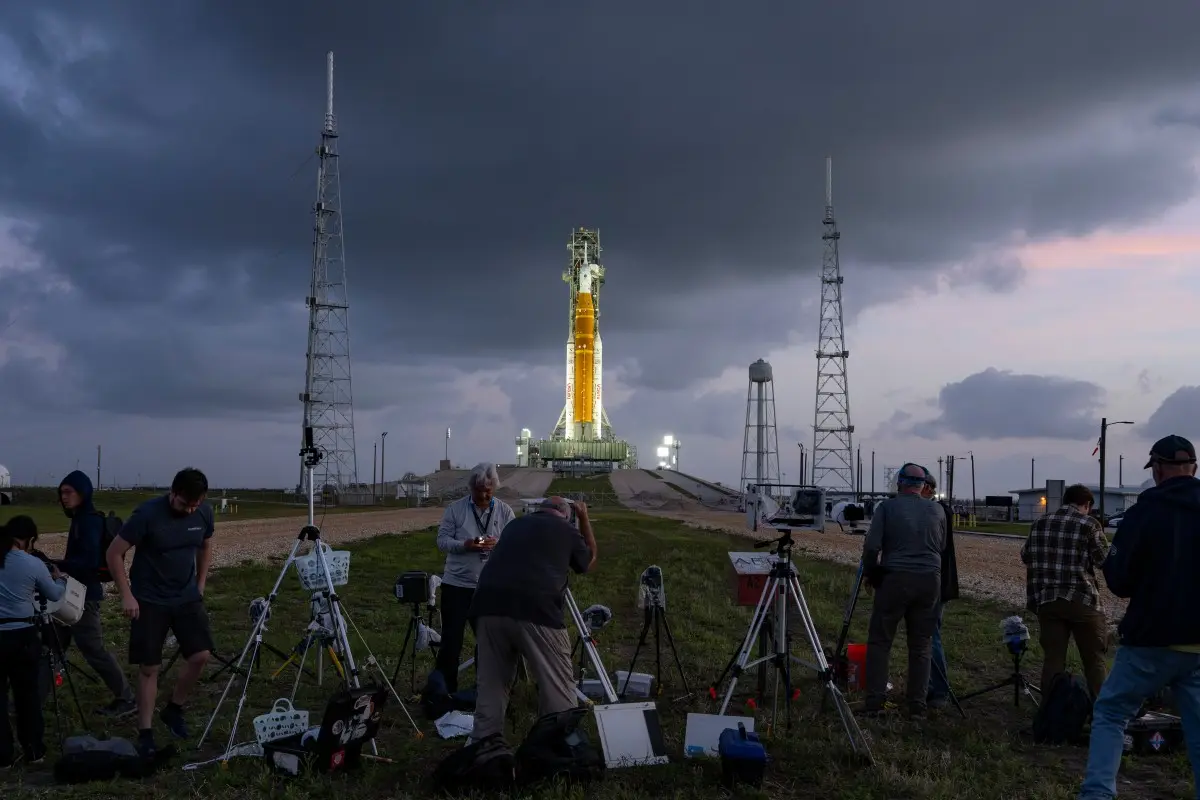
The T-Minus 52 Scare
Just as the countdown clock for NASA's historic Artemis II mission was moving smoothly, a sudden technical flag threatened to halt the entire operation. With roughly 52 minutes left until liftoff, launch commentators zeroed in on an unexpected anomaly involving the Orion spacecraft's Launch Abort System (LAS).
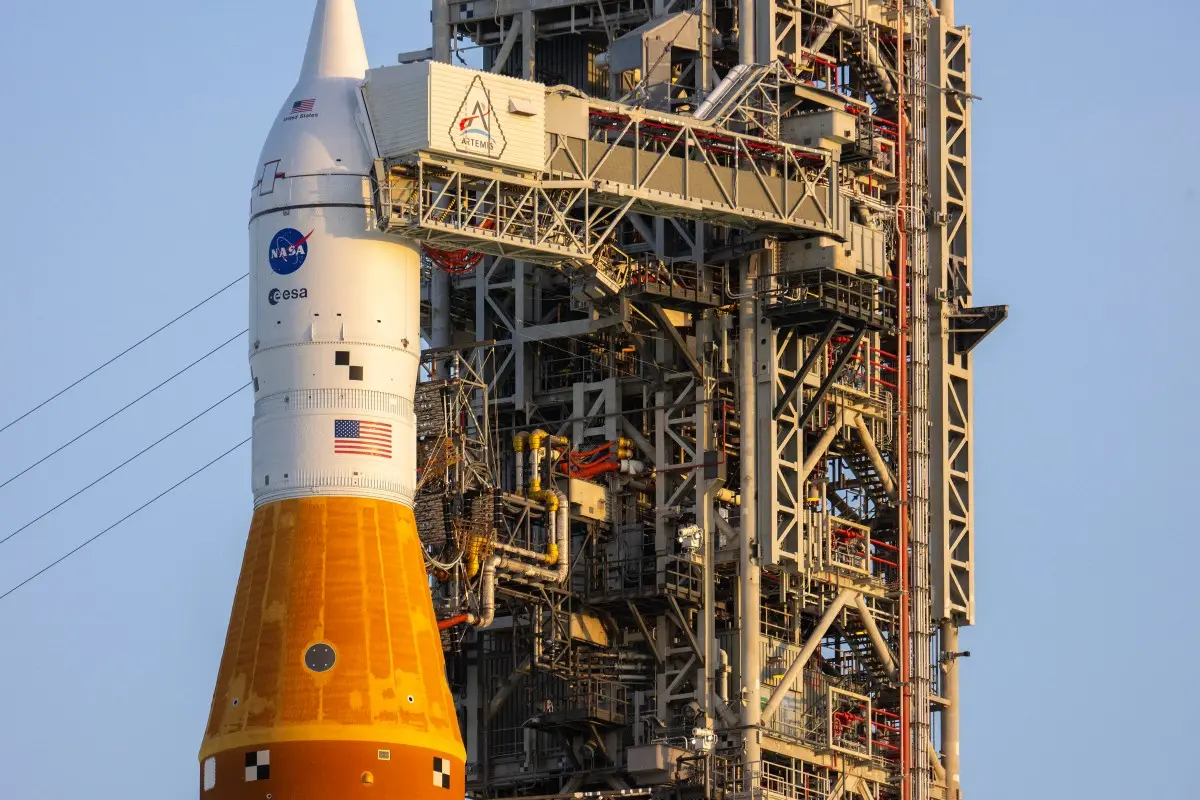
The Role of the LAS
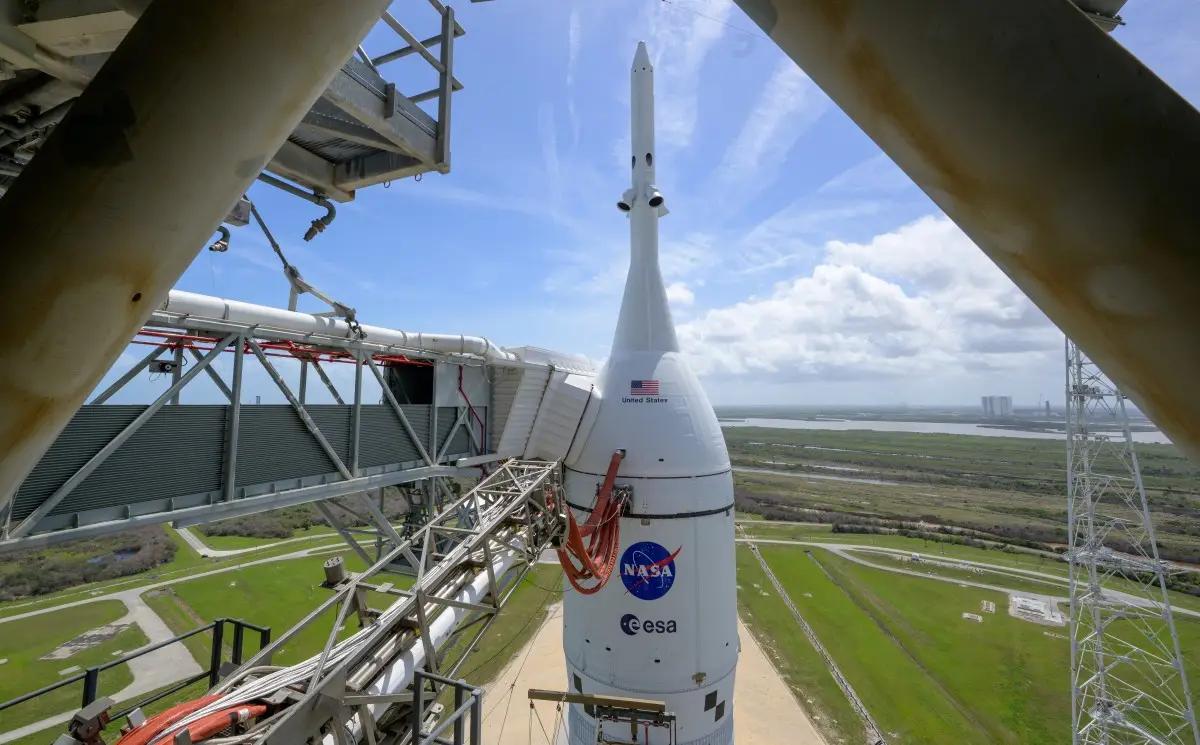
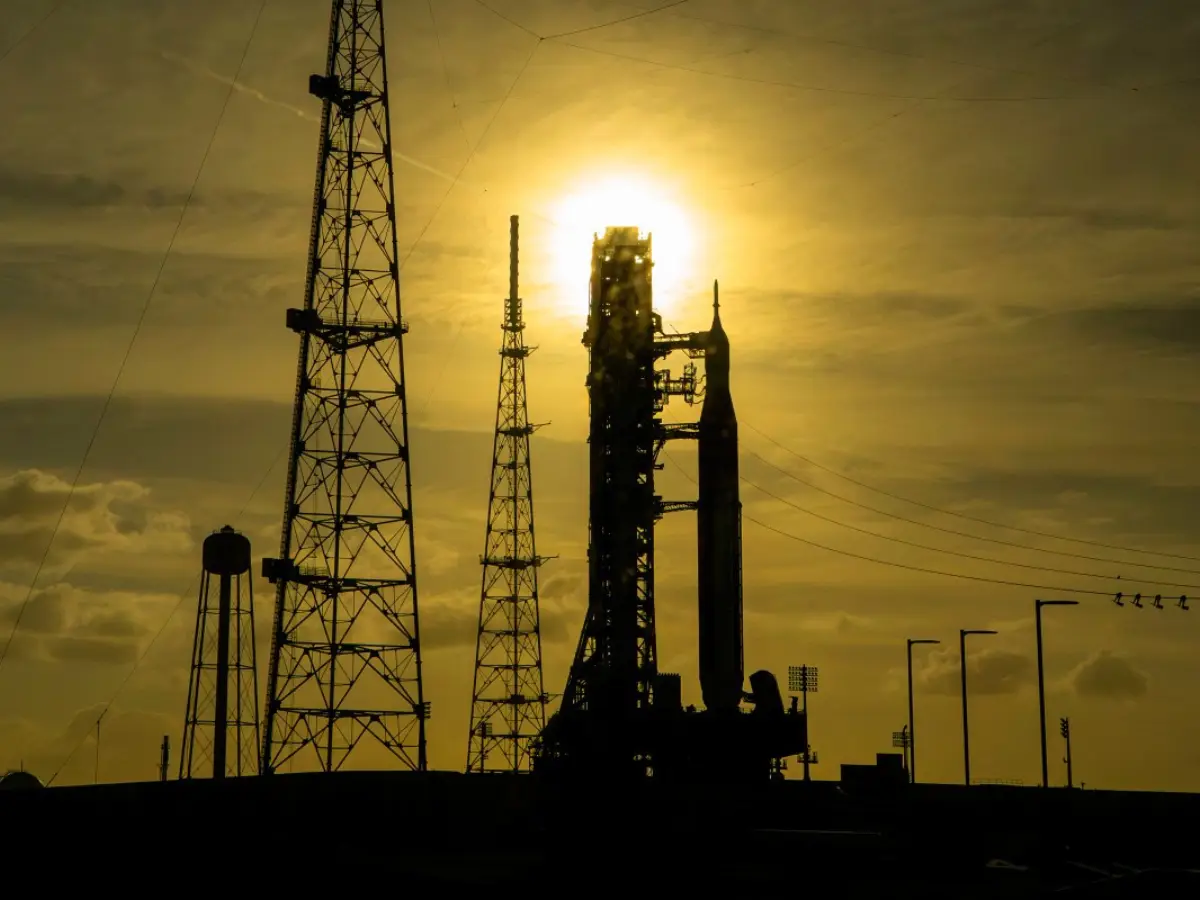
The Launch Abort System is arguably the most critical safety hardware on the entire Space Launch System (SLS) rocket. Sitting atop the Orion capsule like a spire, this solid-rocket-powered tower is designed to ignite in milliseconds during a catastrophic emergency, instantly pulling the crew capsule away from a failing rocket on the pad or during the perilous early stages of ascent.
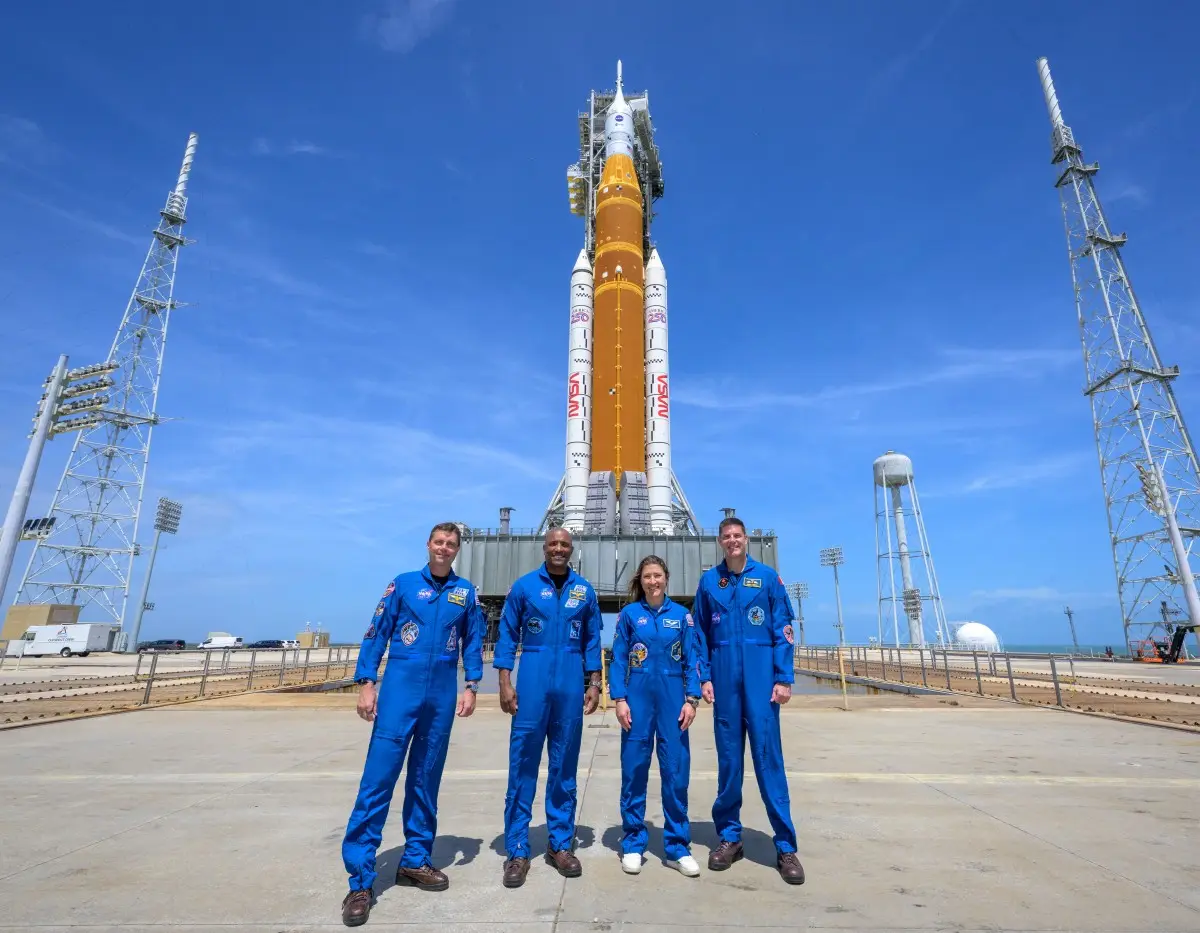
The 'Out of Range' Flag
The launchpad drama centered specifically on one of the two batteries that power the LAS's attitude control motor controller—the system responsible for steering the capsule to safety after an abort. Telemetry data beamed down to Mission Control suddenly indicated that the battery's temperature was reading “out of range,” running hotter than safety parameters allowed.
The High Stakes of a No-Go
In the aerospace world, a malfunctioning abort system is an absolute dealbreaker. NASA's strict launch criteria dictate that the countdown cannot proceed past the T-minus 6-minute mark unless the LAS is completely operational. If the battery was truly overheating or failing, the launch director would have had no choice but to scrub the mission for the day.
The Built-In Hold Advantage
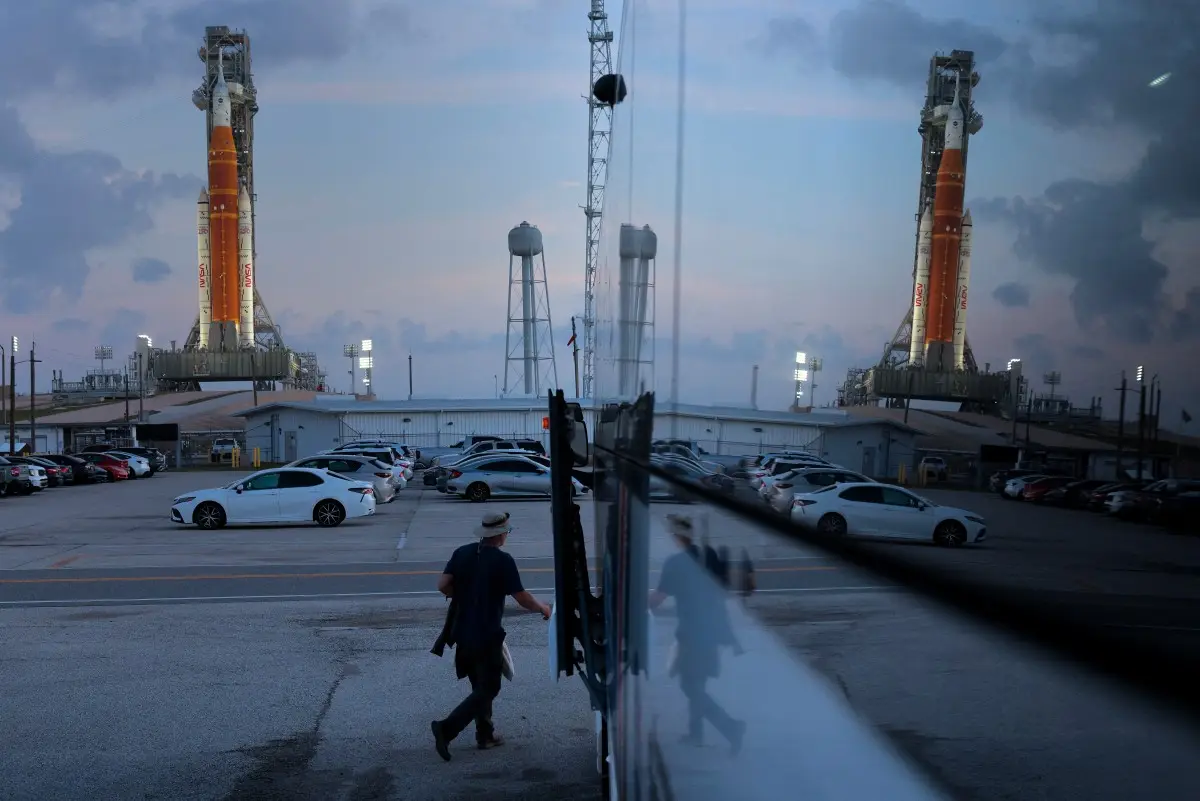
Fortunately, the launch timeline includes a planned 30-minute hold at the T-minus 10-minute mark. This pre-scheduled pause gave NASA's engineering teams in the Rocco Petrone Launch Control Center a crucial window to desperately troubleshoot the battery data without having to push back the immediate launch window.
A Faulty Sensor, Not a Failing Battery
As the clock held, engineers dug deep into the electrical diagnostics. They ultimately concluded that the physical battery was perfectly healthy and ready to fly. The problem was merely an instrumentation glitch—a faulty temperature sensor that was feeding bad data to the launch computers.
Clearing the Board for Liftoff
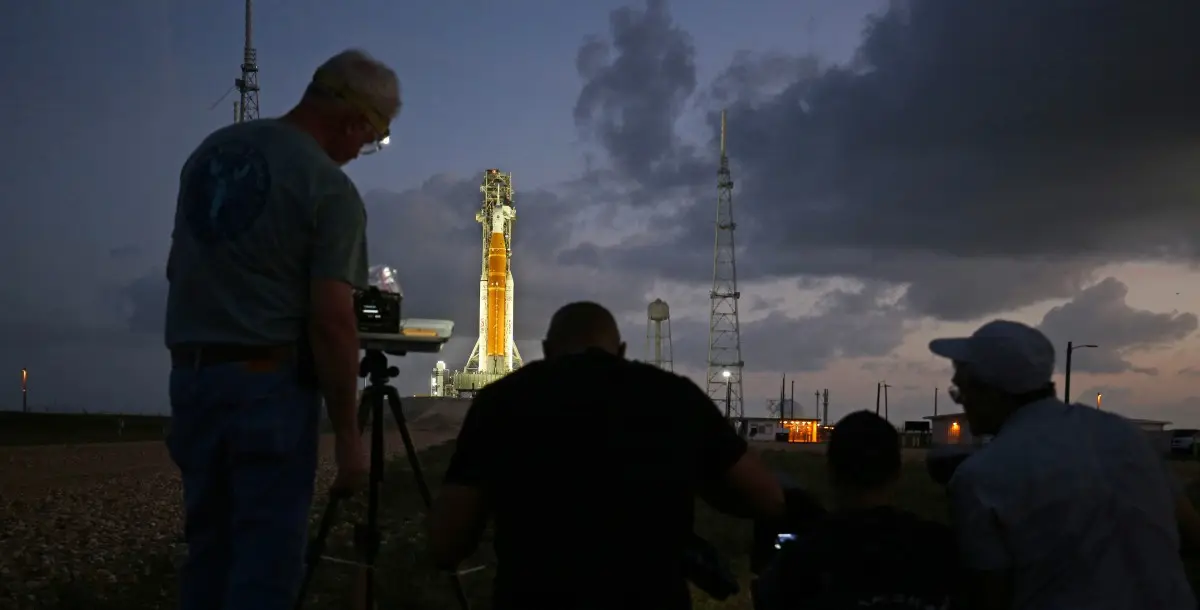
With the physical hardware verified and the abort system cleared to fire if needed, Launch Director Charlie Blackwell-Thompson officially dismissed the sensor issue. The collective sigh of relief in Mission Control was palpable as the countdown resumed, paving the way for the thunderous 6:35 PM EDT liftoff of Artemis II.
)
)
)
)
)