The 200,000-ton warning: What can happen when the USS Gerald R. Ford and USS Abraham Lincoln operate side by side?

The USS Gerald R. Ford and USS Abraham Lincoln operating together create a 200,000-tonne super-force. With 150 aircraft, 9,000 sailors, and nuclear endurance, this dual-carrier deployment is a massive strategic warning.
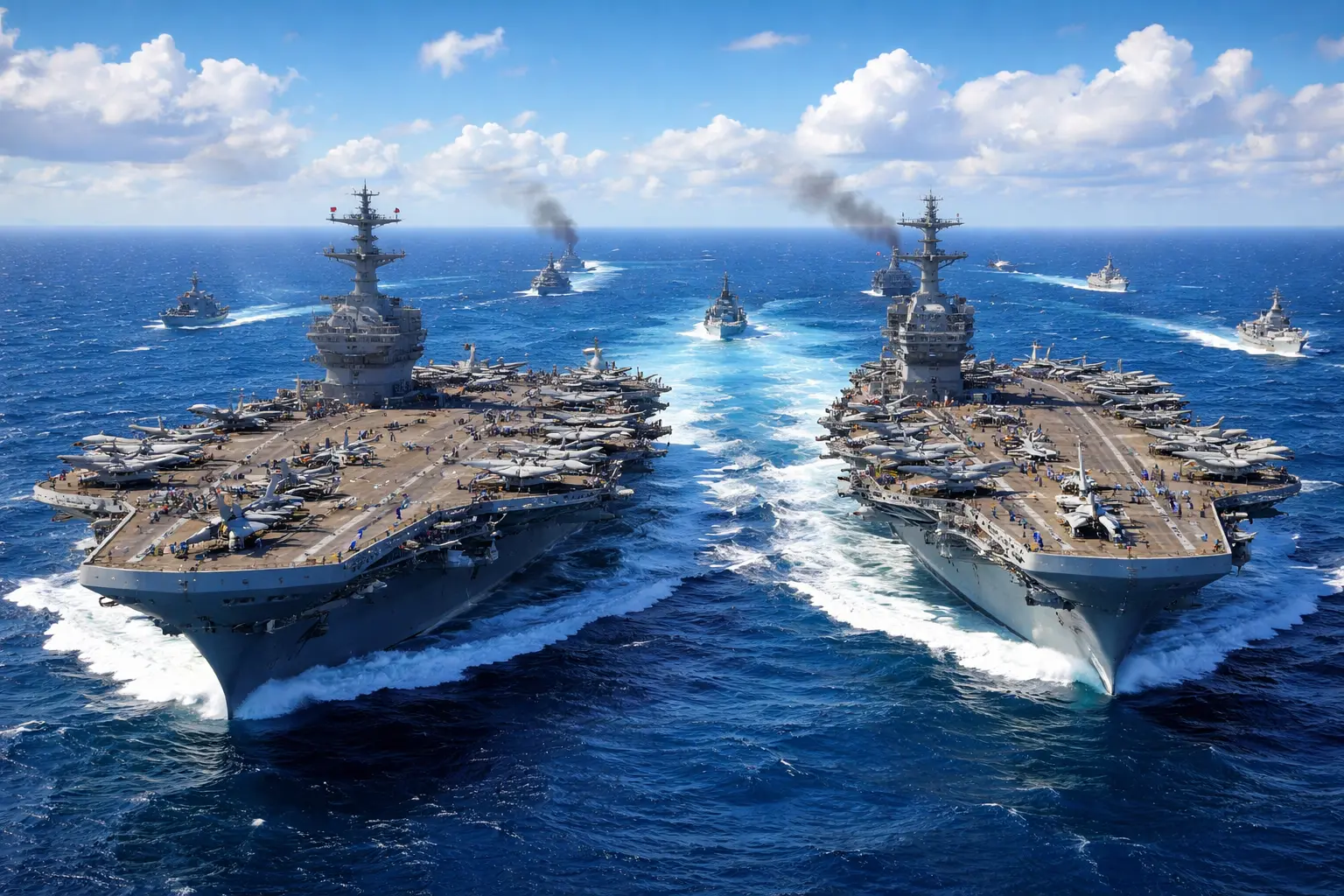
200,000 tonnes of diplomacy
The combined displacement of these two supercarriers exceeds 200,000 tonnes, creating a massive presence at sea. The USS Gerald R. Ford displaces approximately 100,000 tonnes, matching the size of the USS Abraham Lincoln. This sheer mass represents one of the largest concentrations of naval hardware in history, effectively parking a floating airbase off any coastline.
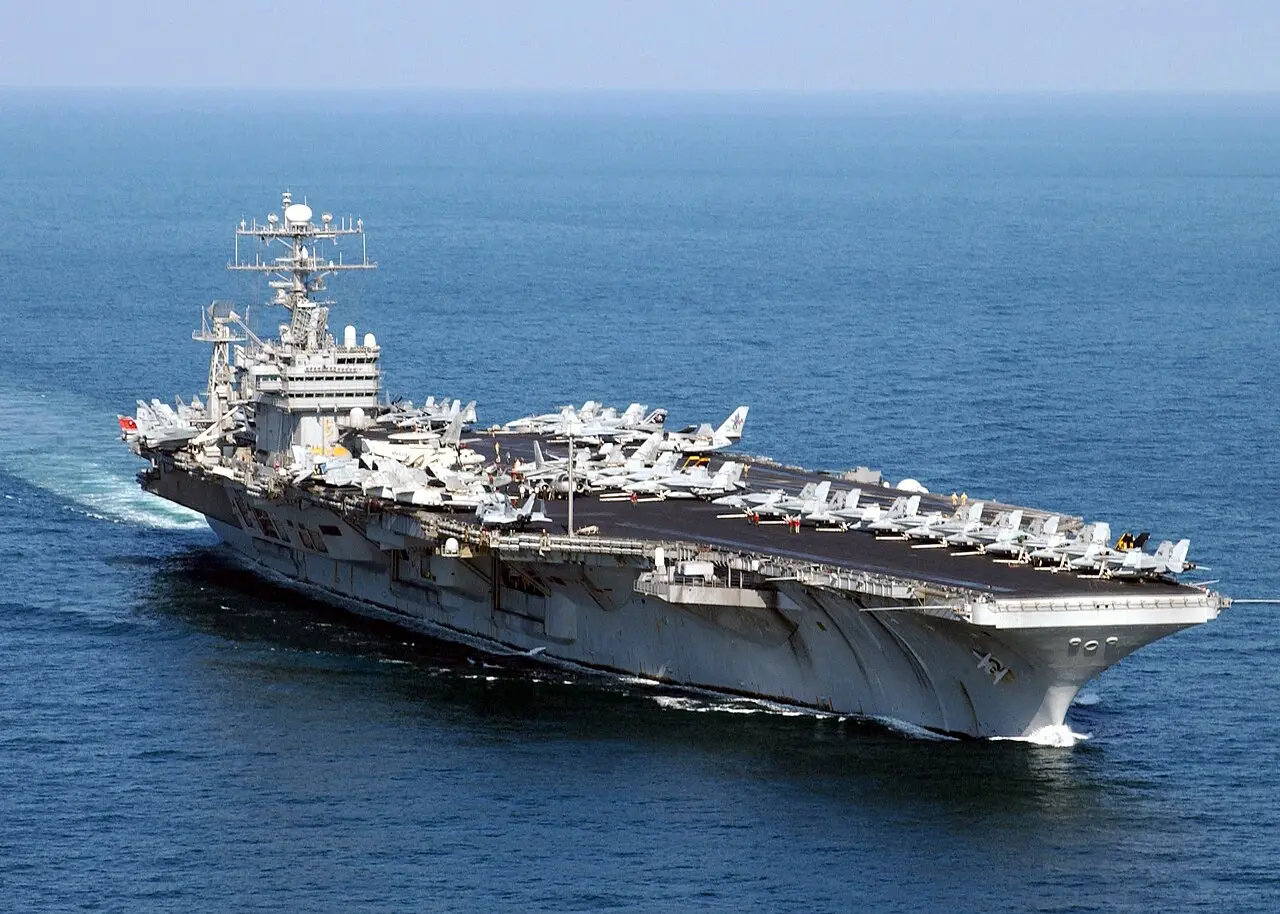
150 aircraft ready to launch
Operating side by side, these two carriers can host a combined air wing of over 150 fixed-wing aircraft and helicopters. This includes squadrons of F/A-18 Super Hornets, E-2D Advanced Hawkeyes, and electronic warfare jets. This air power alone rivals the entire air forces of many medium-sized nations, allowing for simultaneous defensive and offensive missions.
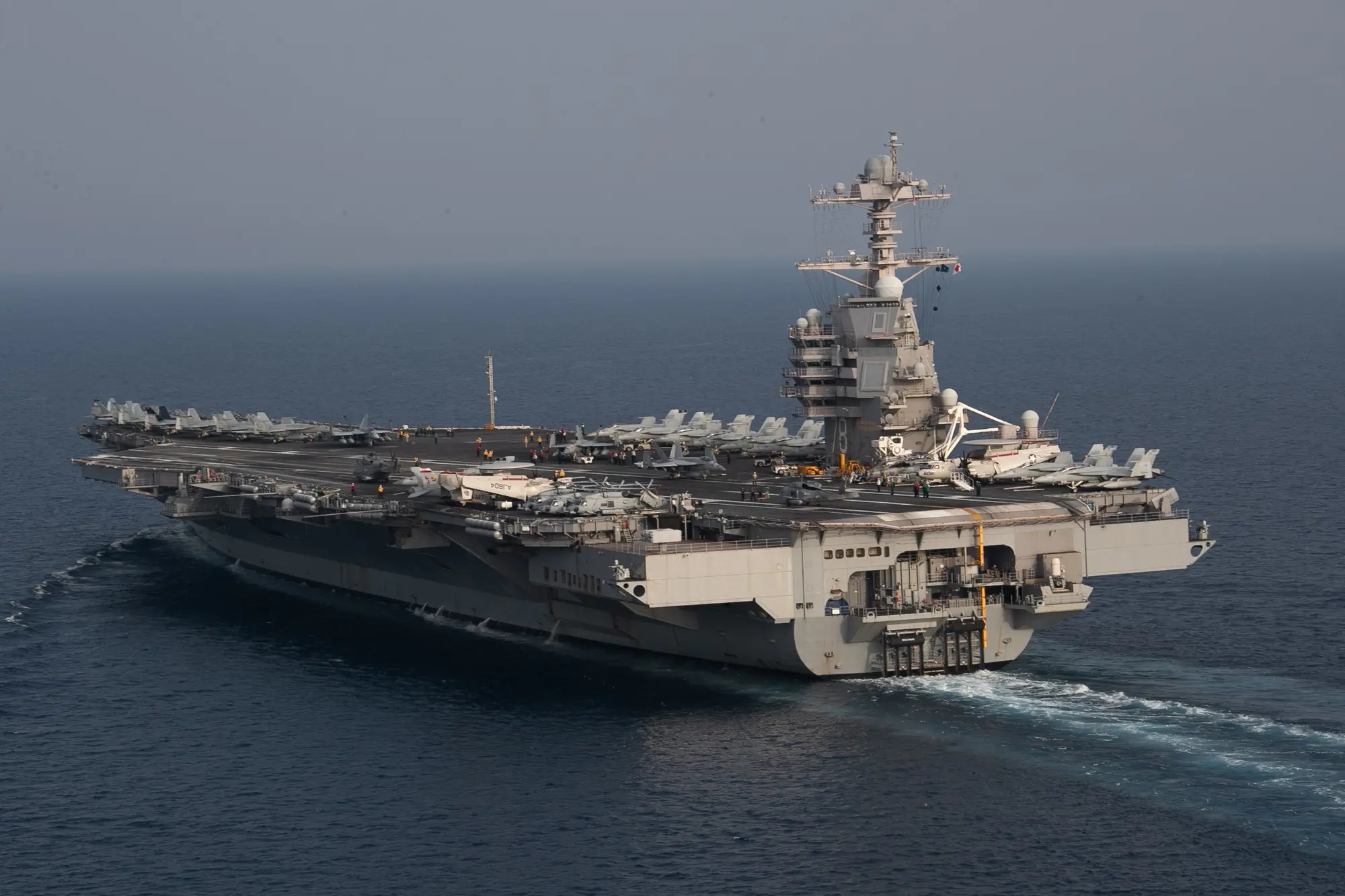
Ford’s $13.3 billion price tag
The USS Gerald R. Ford is the most expensive warship ever built, costing over $13.3 billion (approx. Rs 1.1 lakh crore). In contrast, the older Nimitz-class Lincoln represents billions in previous generation investment. Together, these vessels represent a colossal financial commitment to maritime dominance, safeguarding trade routes and projecting state power.
30 per cent more sorties
The Ford class is designed to generate 30 per cent more flight sorties than the Nimitz class. While the Lincoln uses traditional steam catapults, the Ford employs the Electromagnetic Aircraft Launch System (EMALS). When paired, they can maintain a relentless operational tempo, launching jets faster and with less stress on the airframes than a single carrier group could sustain.
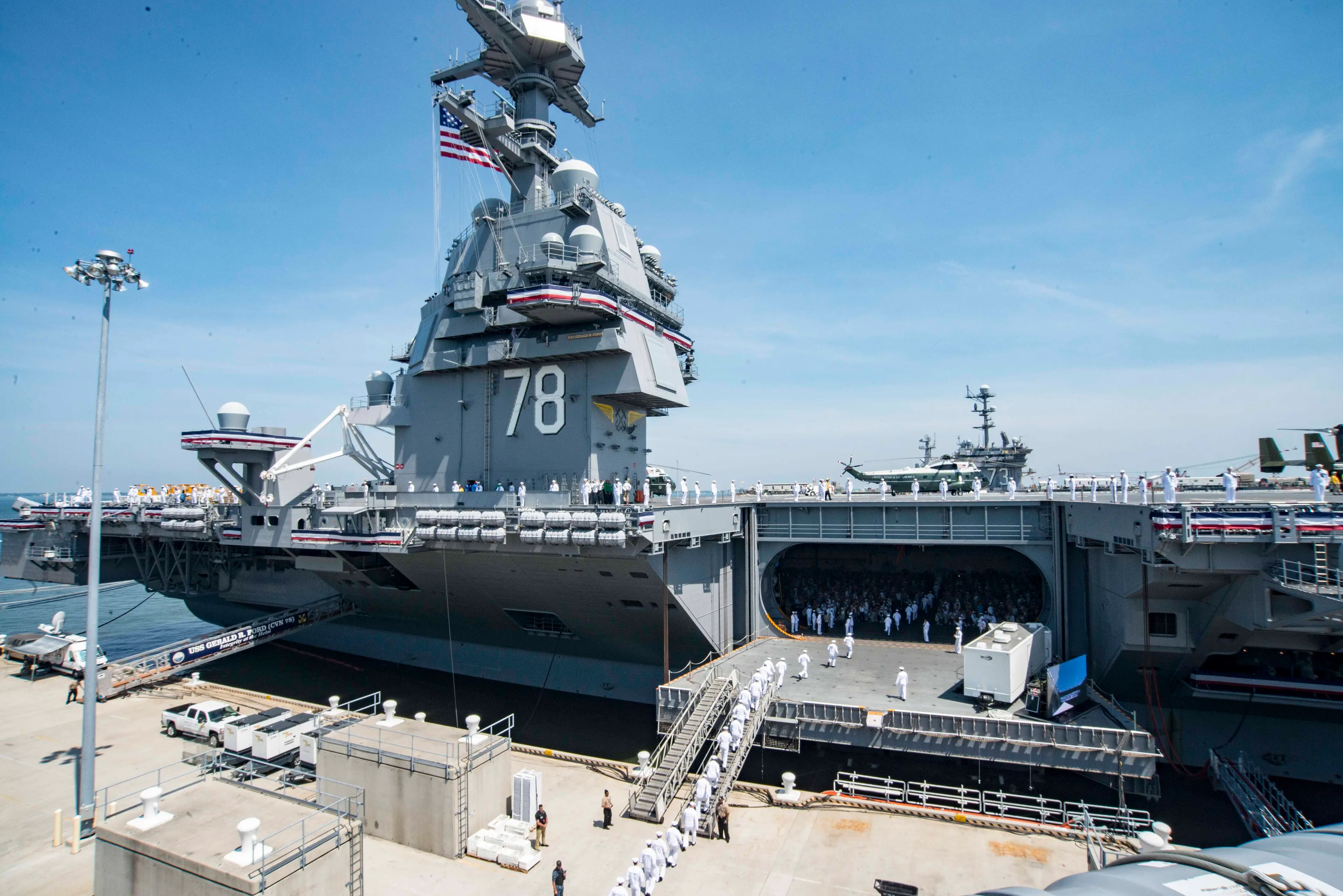
9,000 sailors and marines
These floating cities carry a massive human force, with over 4,500 crew members aboard the Lincoln and slightly fewer on the more automated Ford. A dual-carrier strike force supports a combined population of roughly 9,000 to 10,000 personnel. This includes pilots, engineers, medical staff, and intelligence officers working in shifts to keep the vessels combat-ready.
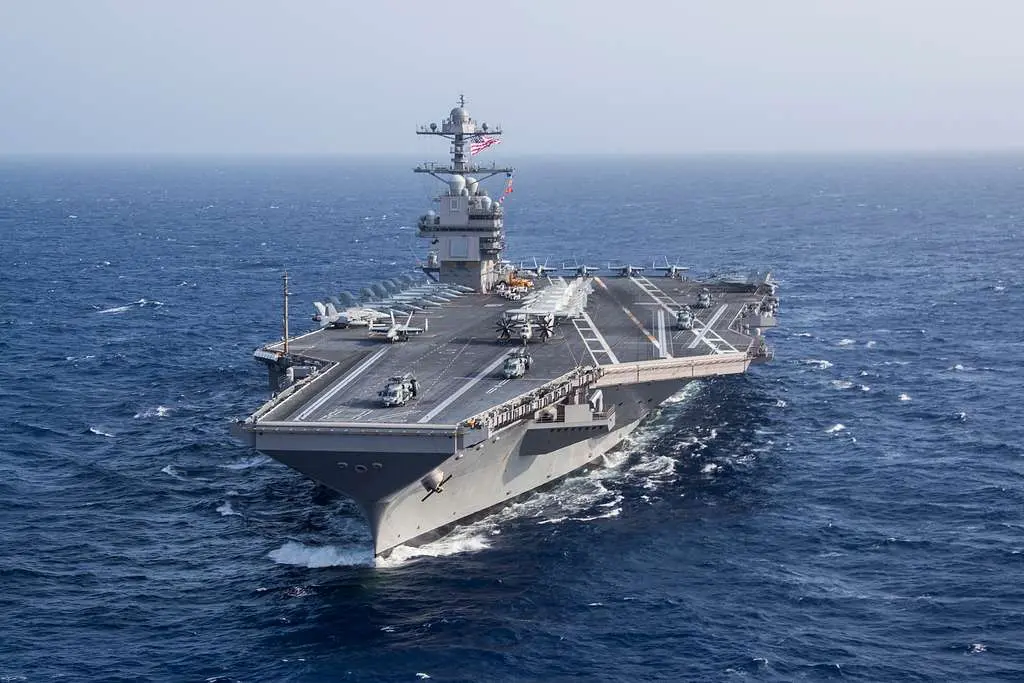
Fifth-generation stealth and firepower
While the USS Abraham Lincoln brings the advanced F-35C Lightning II - the US Navy’s carrier-based stealth fighter - into the fray, the USS Gerald R. Ford commands an elite wing of upgraded Super Hornets and electronic warfare jets. The Lincoln was the first Nimitz-class carrier to deploy these 5th-generation fighters, allowing the strike group to penetrate sophisticated enemy air defences undetected. Even as the Ford awaits its own future F-35C retrofit, the combination of the Lincoln’s stealth squadrons and the Ford’s relentless, EMALS-driven launch rate creates a truly lethal combined air wing.
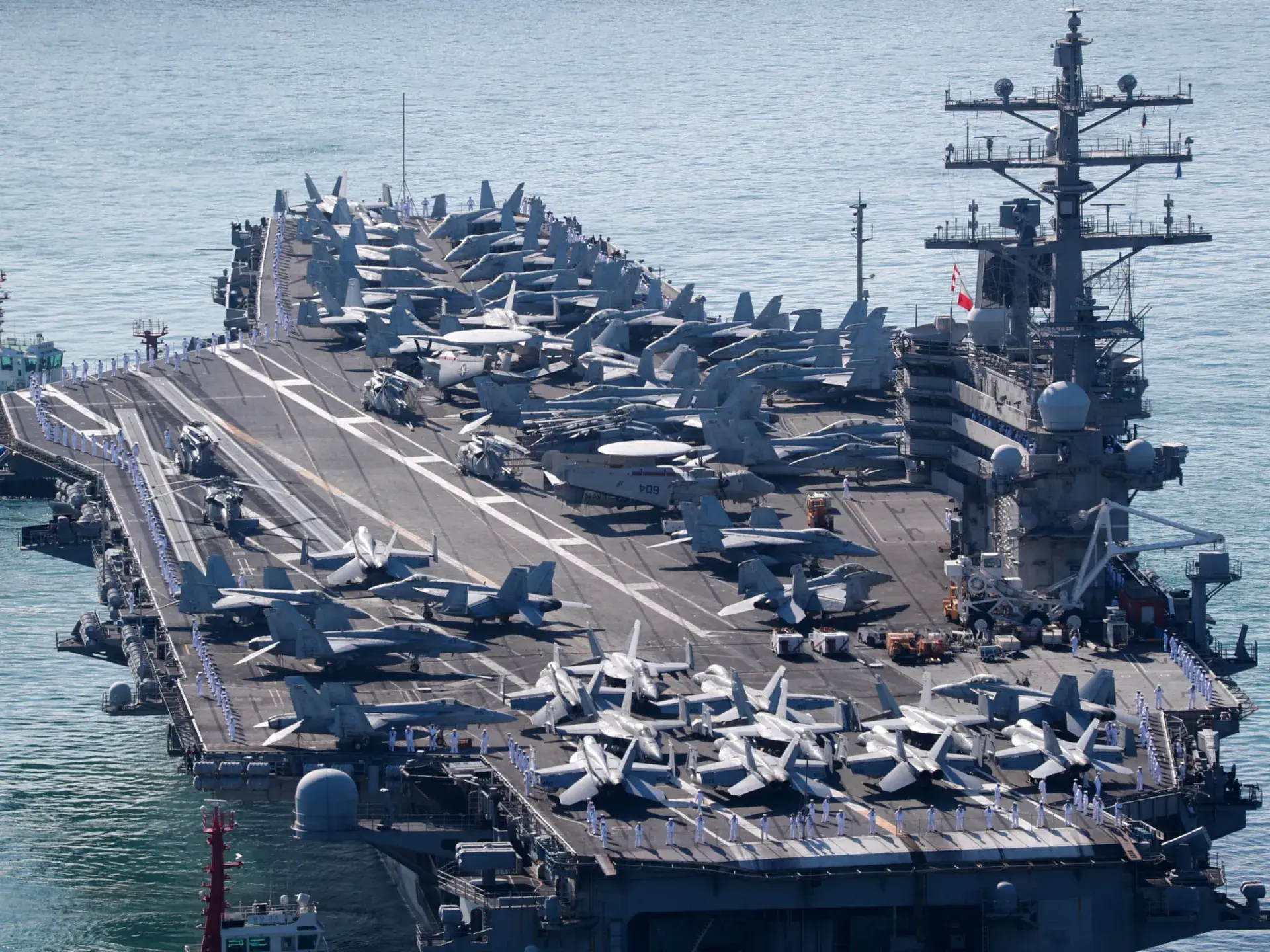
Dual Band Radar dominance
The USS Gerald R. Ford features the new Dual Band Radar (DBR) system, which replaces six legacy radar systems found on ships like the Lincoln. This advanced sensor suite provides superior tracking of aircraft and missiles. When operating together, the ships create an impenetrable surveillance bubble, sharing data to track threats hundreds of kilometres away.
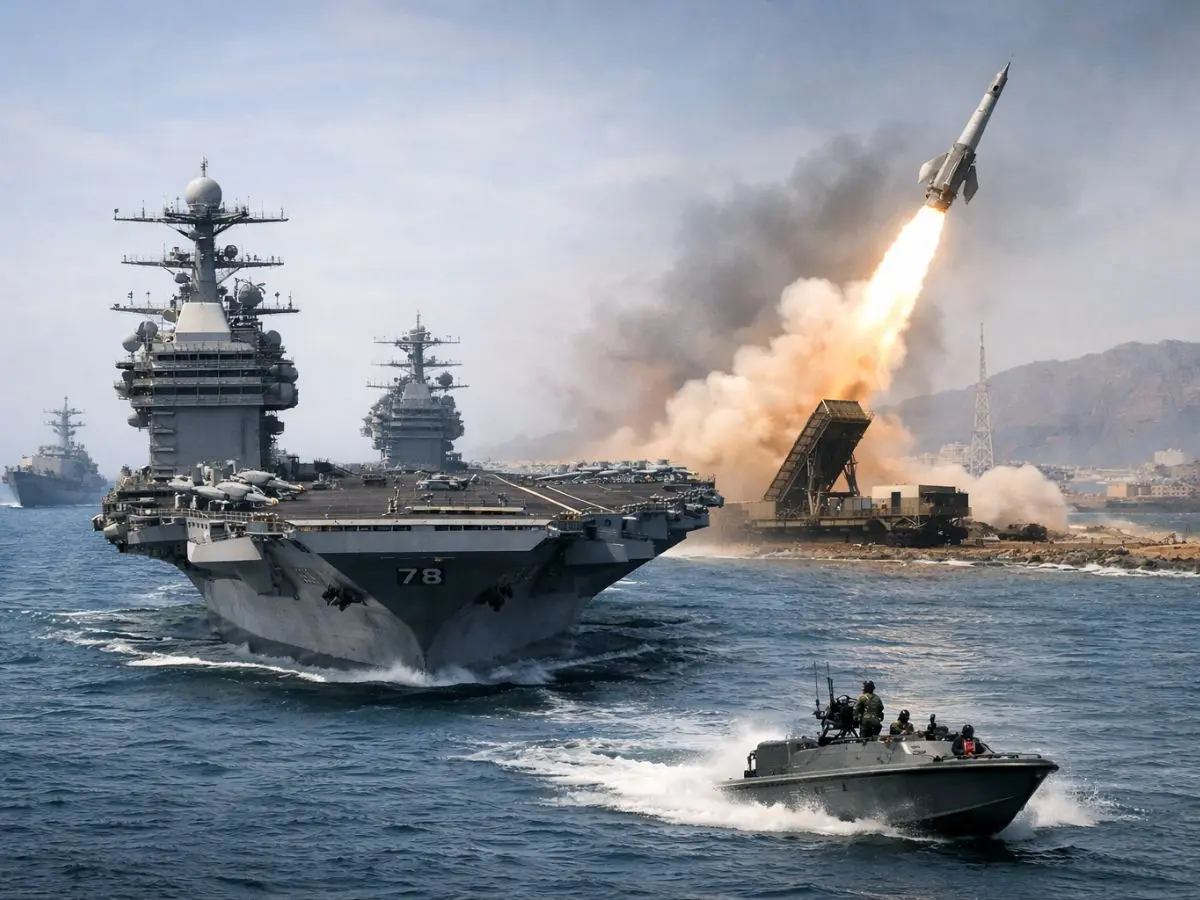
Unlimited range nuclear power
Both vessels are powered by nuclear reactors - two A1B reactors on the Ford and two A4W reactors on the Lincoln. This gives them virtually unlimited range, allowing them to sail for over 20 years without refuelling. They can remain on station indefinitely, limited only by food supplies and aviation fuel for their aircraft.
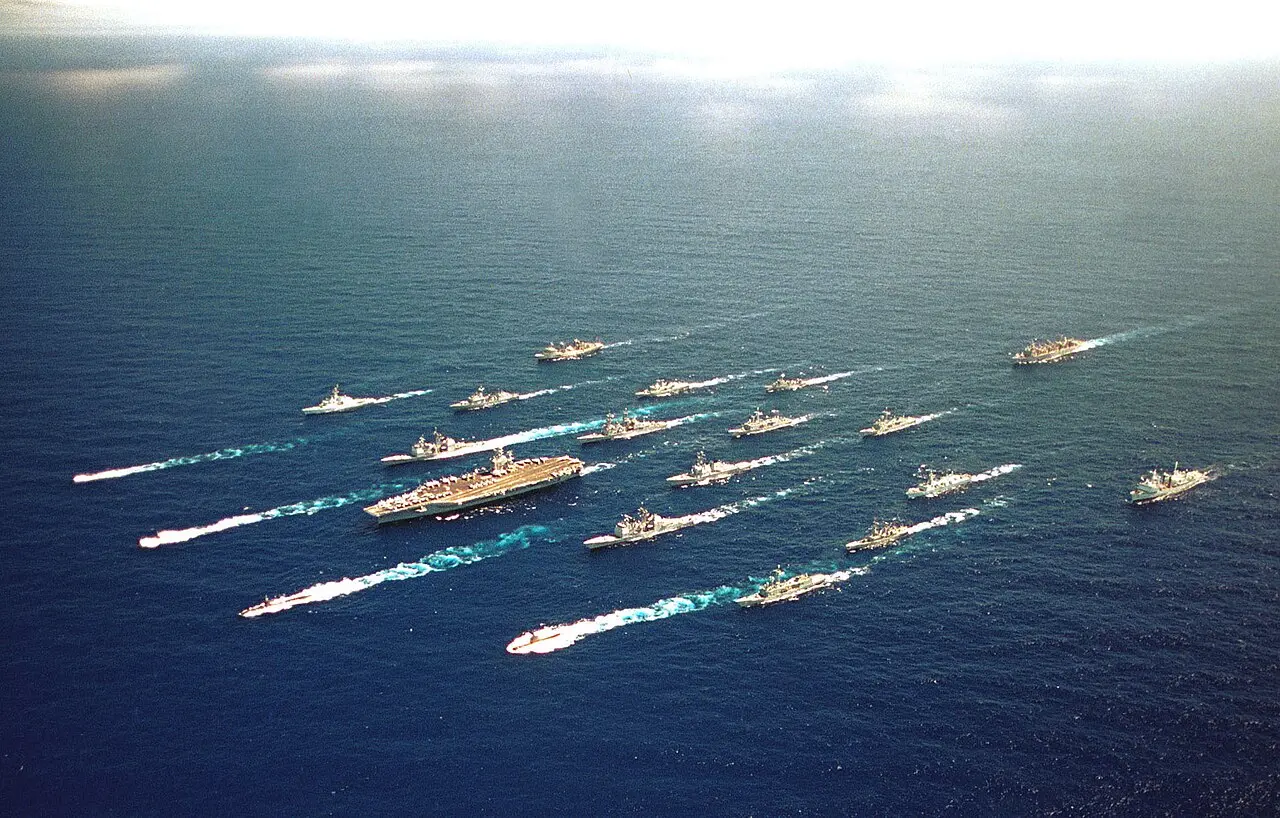
The escort strike group
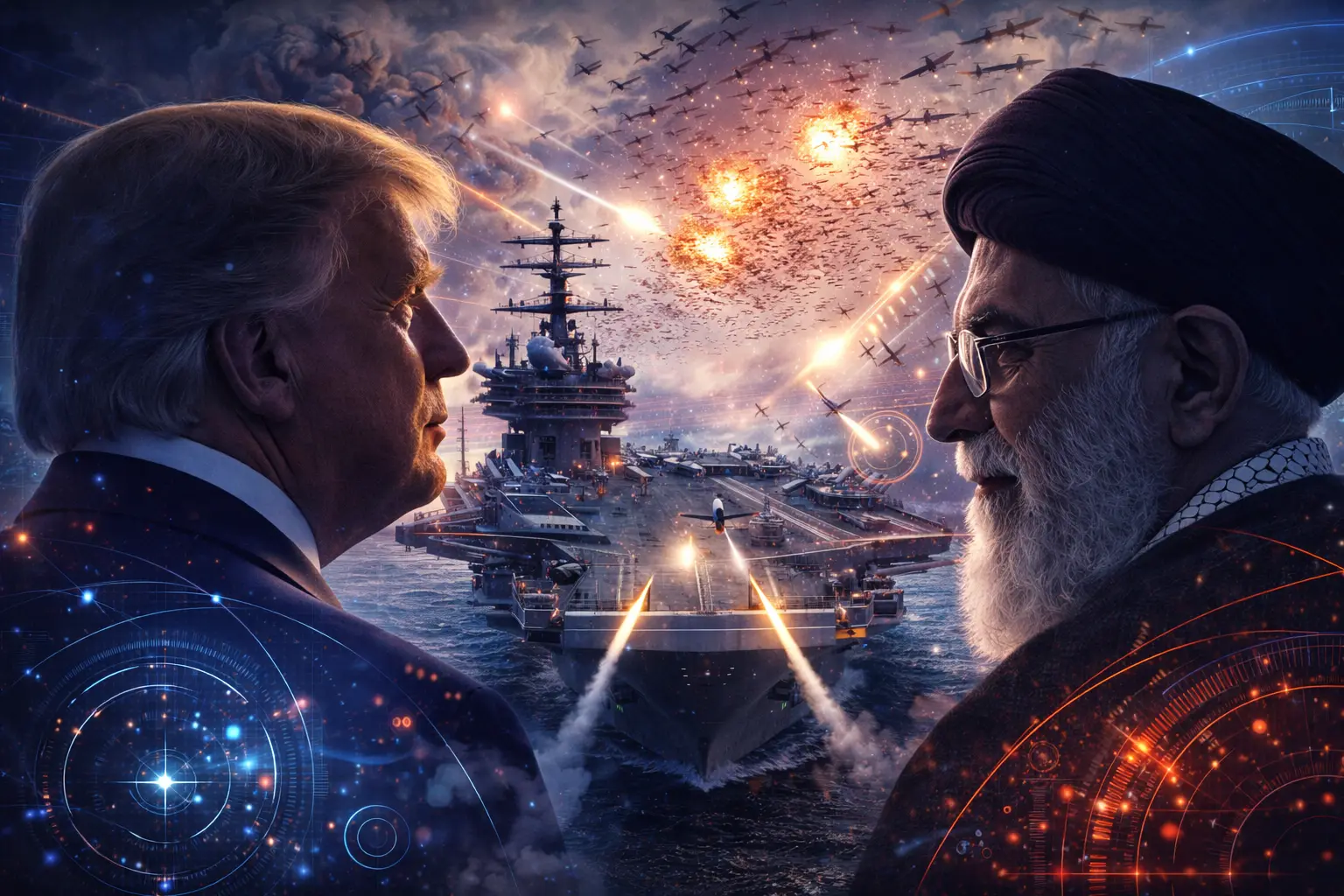
The carriers never travel alone; they are the centrepiece of a massive strike group. A dual operation typically involves multiple guided-missile destroyers and cruisers loaded with Tomahawk missiles. This phalanx of escort ships provides layers of protection against submarines and ballistic missiles, turning the sea space into a fortress.
A strategic deterrent signal
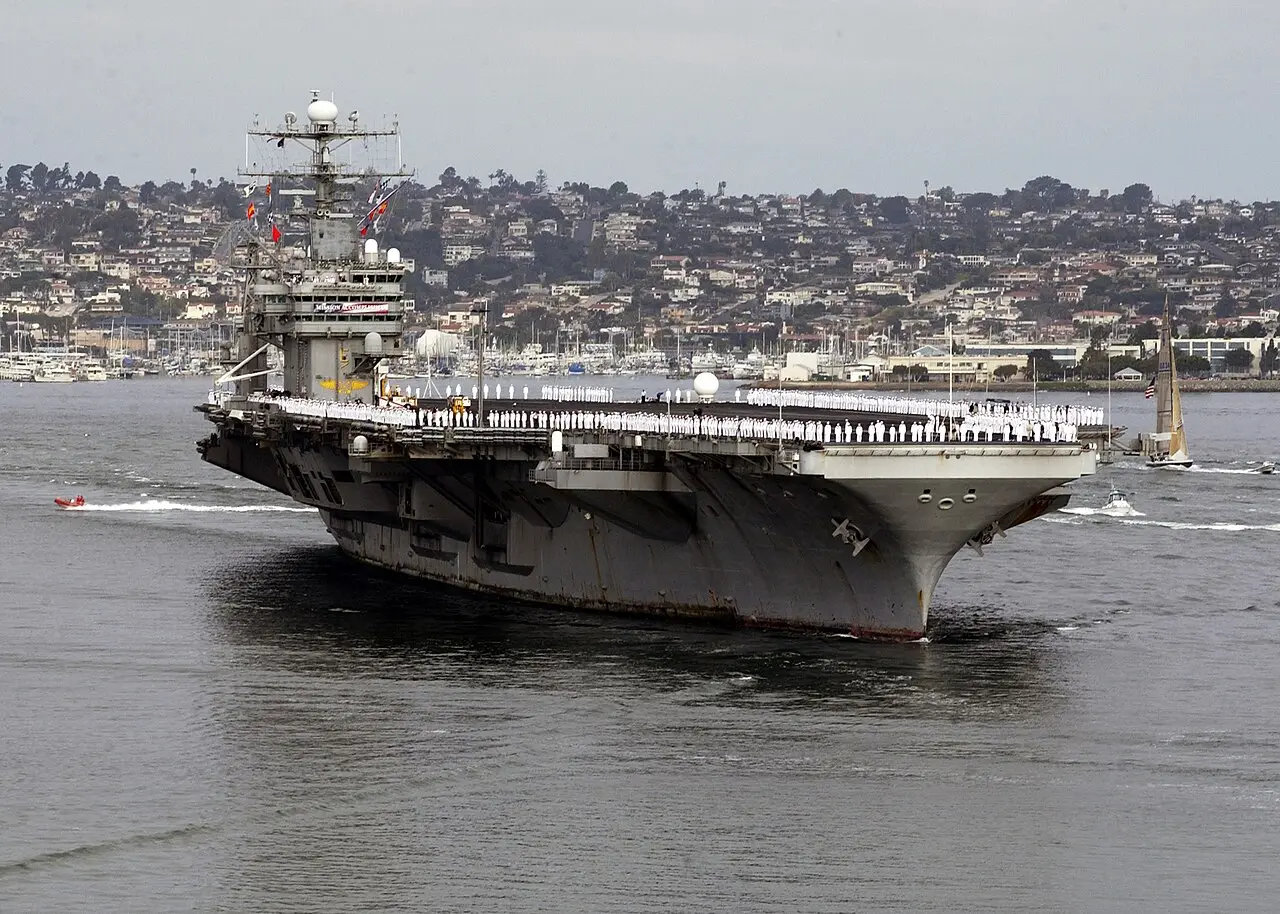
The primary goal of parking two carriers side by side is often psychological rather than purely tactical. It signals a "surge" capacity, demonstrating that the US can focus overwhelming force on a single region. This 200,000-tonne warning is designed to deter adversaries like Iran or other regional actors from escalating conflicts.
)
)
)
)
)