Strategic backbone: Why do military planners still build strategies around the B-52 bomber?

Military planners rely on the B-52 because of its massive 70,000-pound payload and cost-effective operations. Upgraded with new Rolls-Royce engines and AESA radar, the USD 48.6 billion B-52J serves as an unmatched long-range standoff missile truck.Untitled Summary
The Ultimate Missile Truck
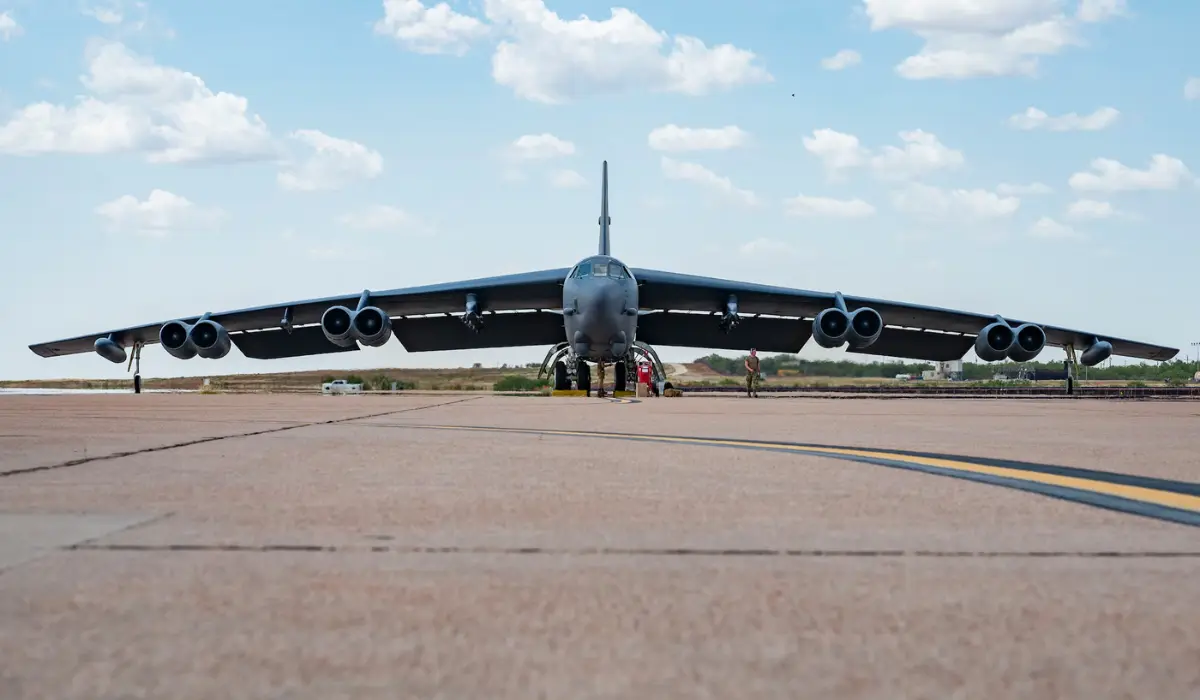
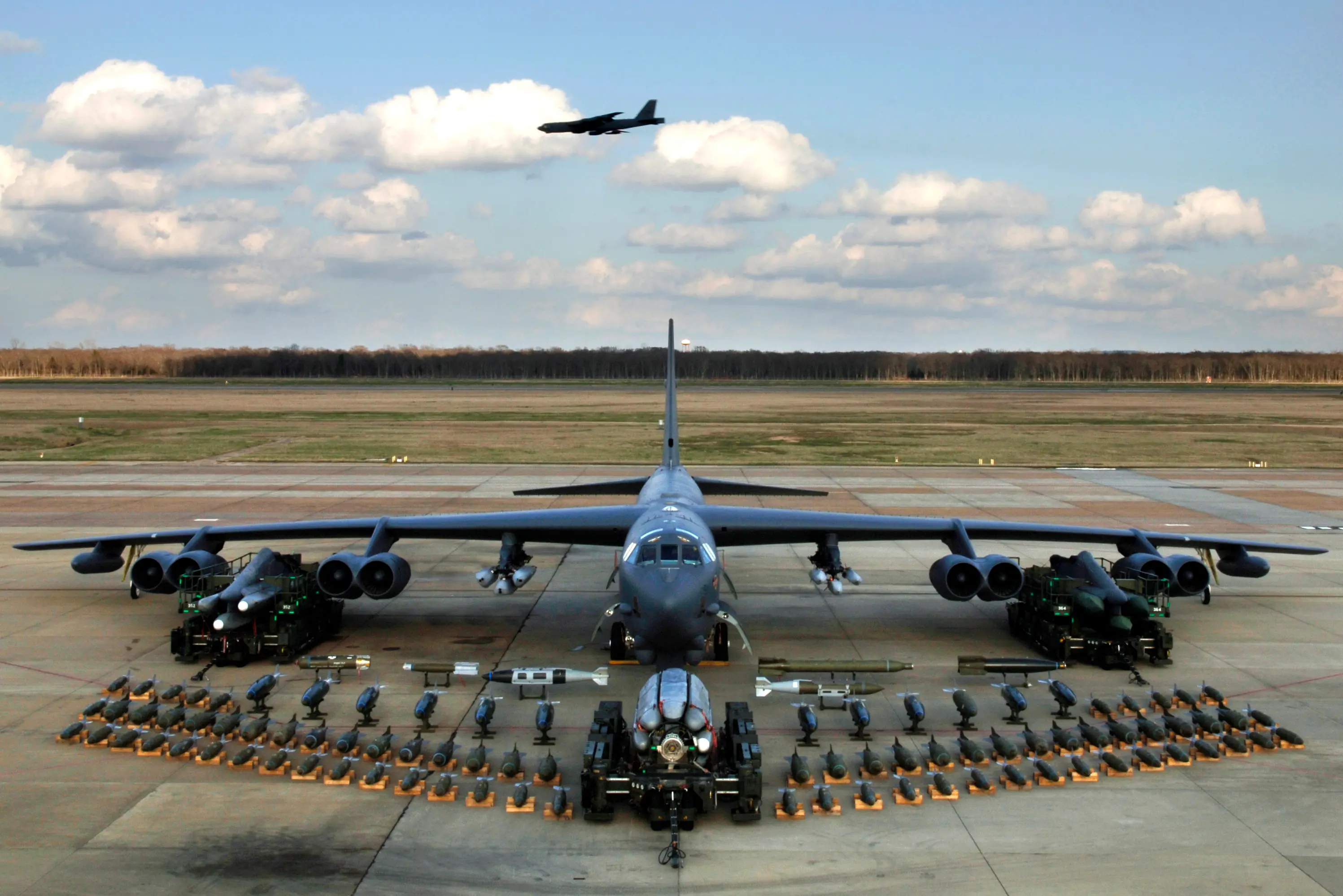
Military planners build strategies around the Boeing B-52 Stratofortress because it functions as an unmatched airborne weapons magazine. With a massive 70,000-pound payload capacity, it carries the widest array of conventional and nuclear standoff munitions in the US Air Force inventory.
The Standoff Advantage
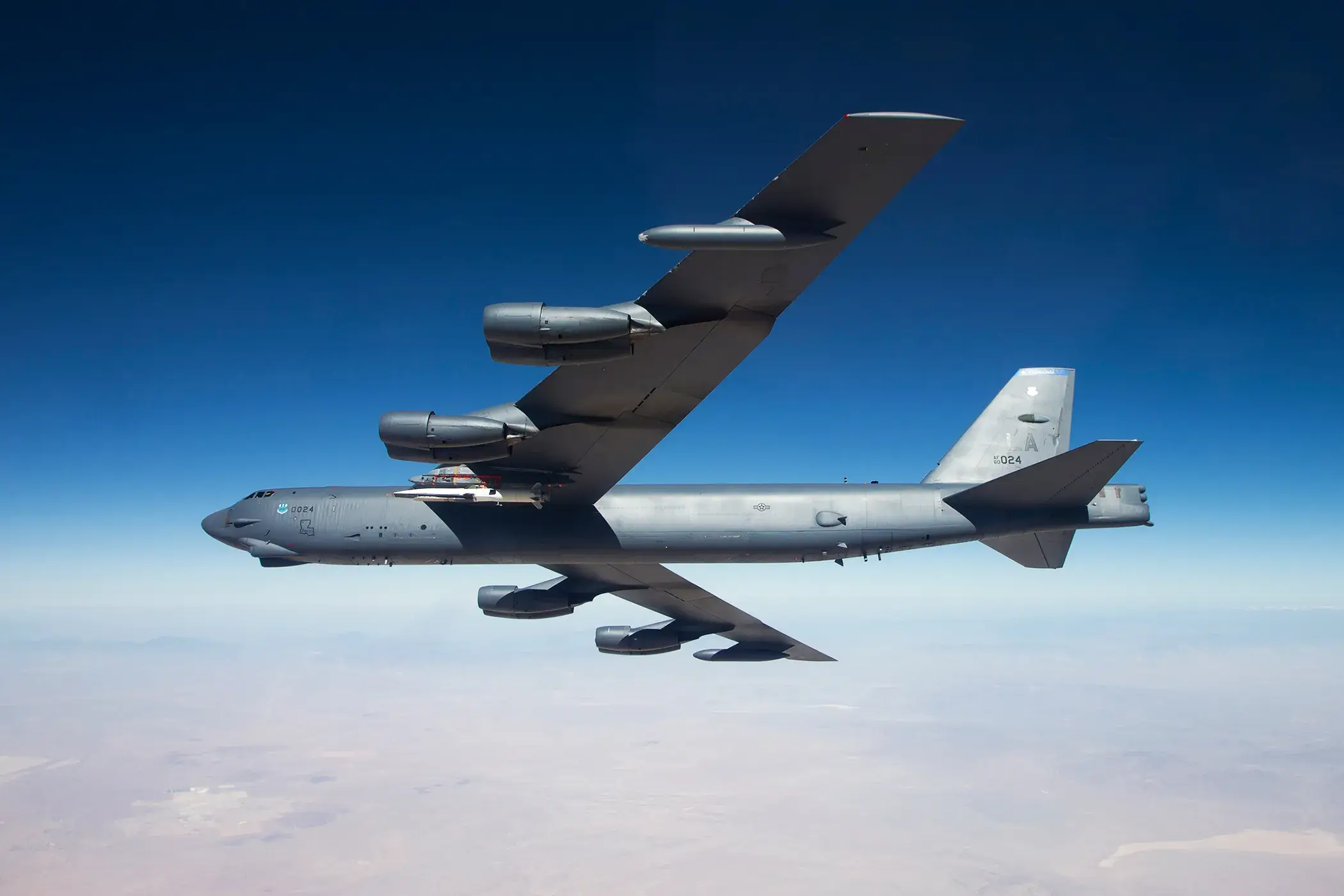
Instead of penetrating lethal air defence networks, modern strategies position the B-52 safely in international airspace. From these uncontested zones, the heavy bomber launches hypersonic weapons and stealthy cruise missiles to precisely destroy targets thousands of miles away.
A Cost-Effective Giant
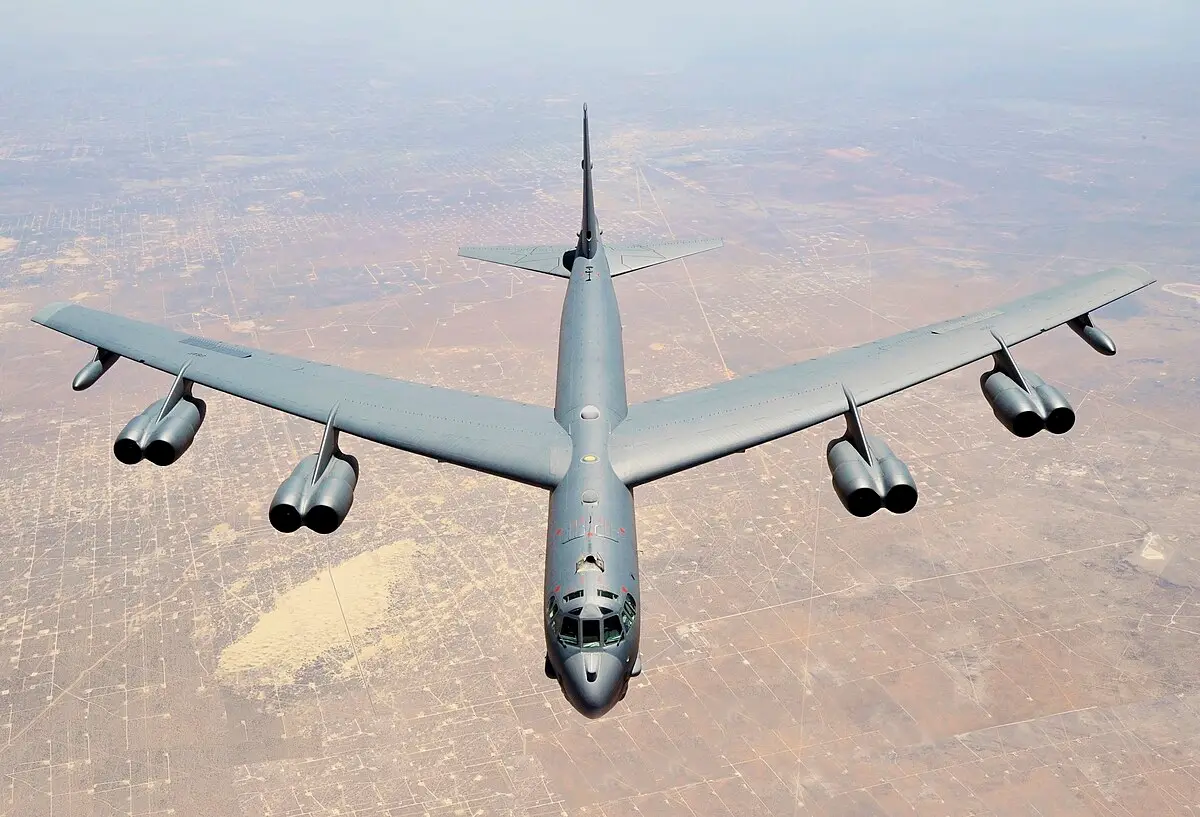
Relying exclusively on multi-billion dollar stealth aircraft like the B-2 Spirit rapidly depletes military budgets. The conventional B-52 operates at a fraction of that cost, offering commanders an affordable, high-endurance platform for sustained global power projection.
The Hammer and Anvil
Planners are currently developing a lethal ‘hammer and anvil’ doctrine pairing the B-52 with the upcoming B-21 Raider. The stealthy B-21 will act as the hammer to dismantle enemy radar grids, allowing the B-52 to safely deliver overwhelming follow-on strikes.

The USD 48.6 Billion Upgrade
To ensure the bomber remains strategically viable into the 2050s, the Pentagon is executing a massive USD 48.6 billion modernisation. Redesignated as the B-52J, the upgraded aircraft will integrate seamlessly into the military's classified digital combat cloud.
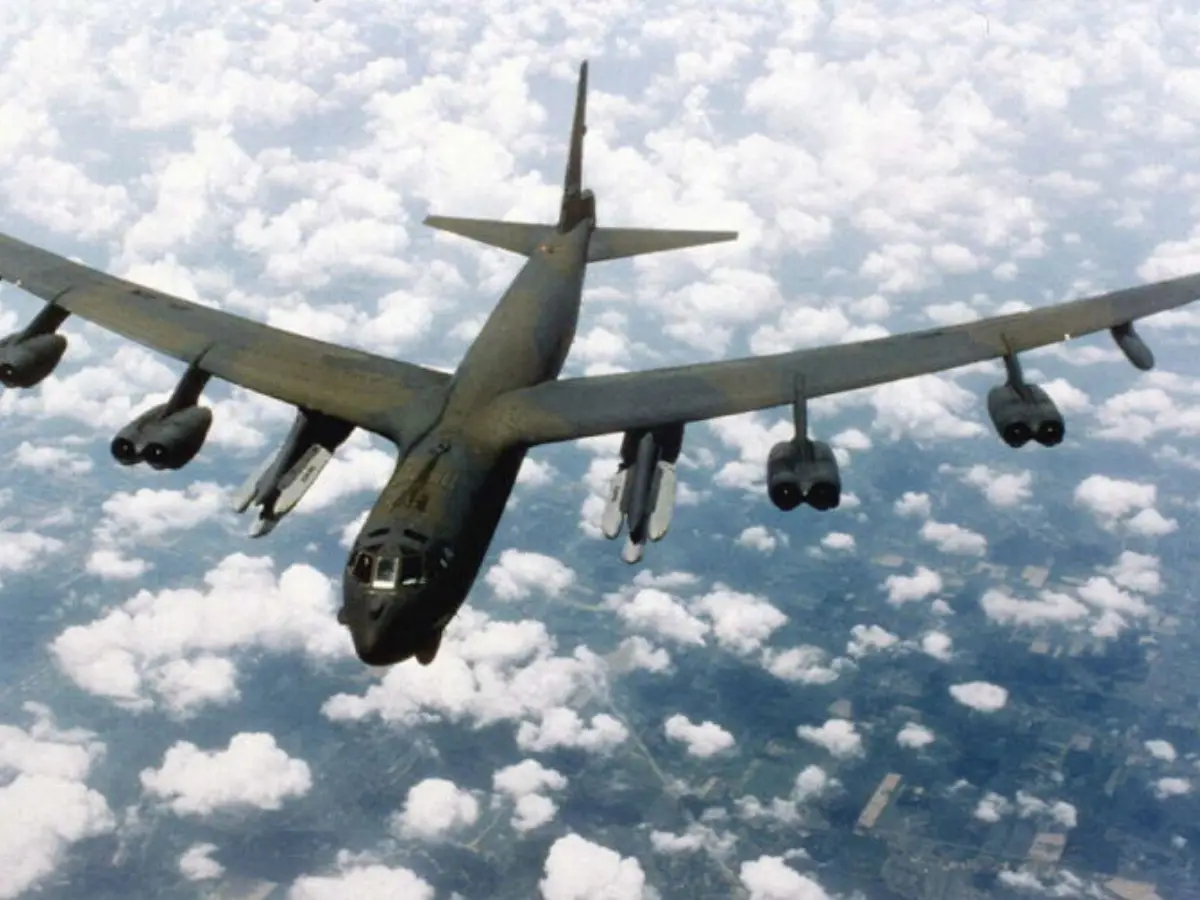
Expanding the Global Reach
The core of this upgrade involves swapping obsolete Cold War-era turbofans for eight new Rolls-Royce F130 engines. This commercial engine replacement slashes fuel consumption by 30 per cent, allowing the bomber to loiter over strategic flashpoints for significantly longer.
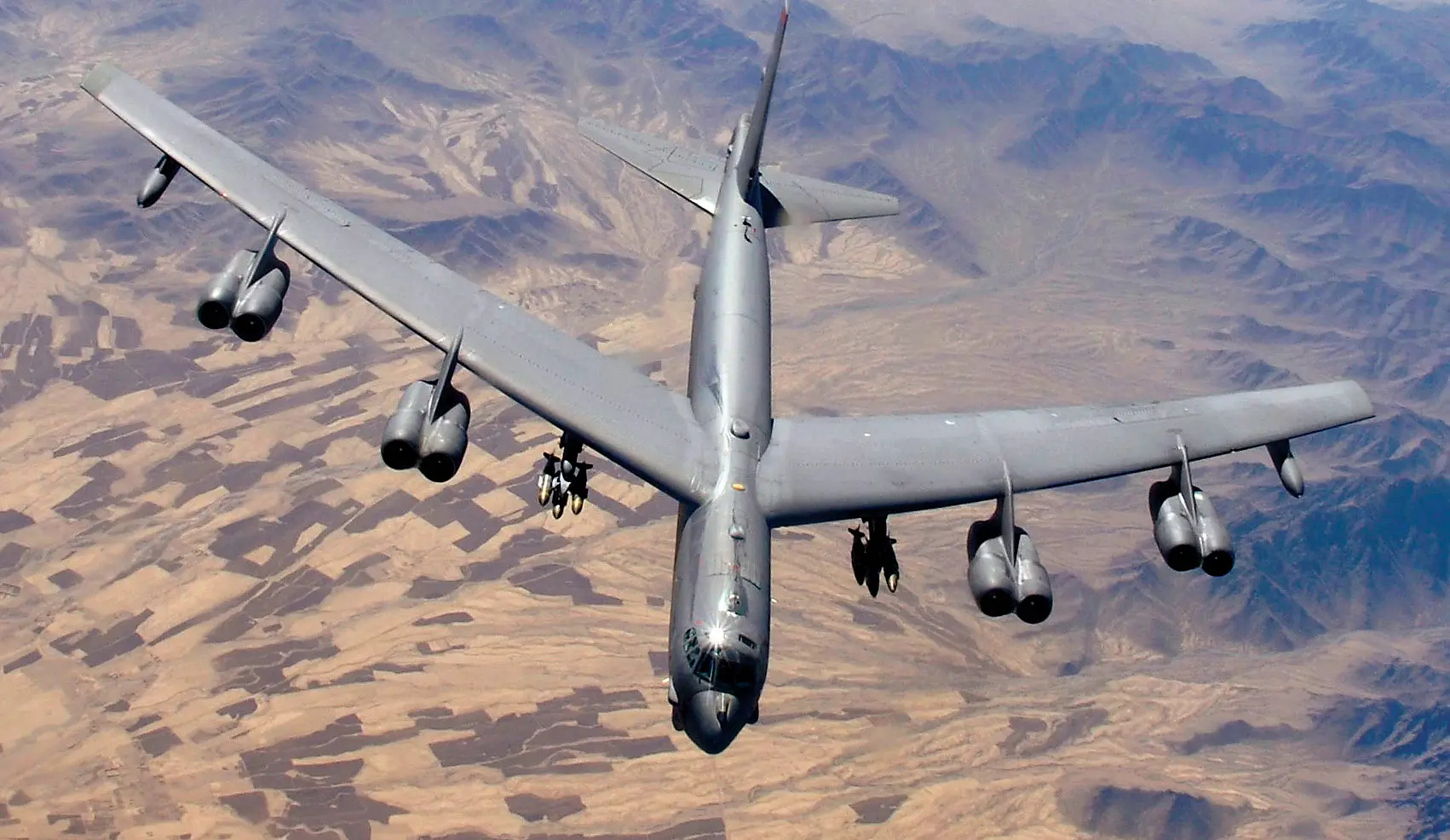
Fighter-Grade Targeting
The B-52J is receiving the advanced AN/APQ-188 Active Electronically Scanned Array (AESA) radar, derived directly from US Navy fighter jets. This powerful sensor grants the heavy bomber high-resolution ground mapping capabilities, completely transforming how commanders execute long-range precision strikes.
)
)
)
)
)