Stealth jets vs non-stealth jets: 10 advantages of stealth on the battlefield

Stealth jets reduce radar visibility to 0.001 square metres versus conventional fighters at 10-15 square metres. They stay hidden until 10-30 kilometres away, enabling first-strike advantage. Internal weapons preserve performance. Sensor fusion provides independent targeting.
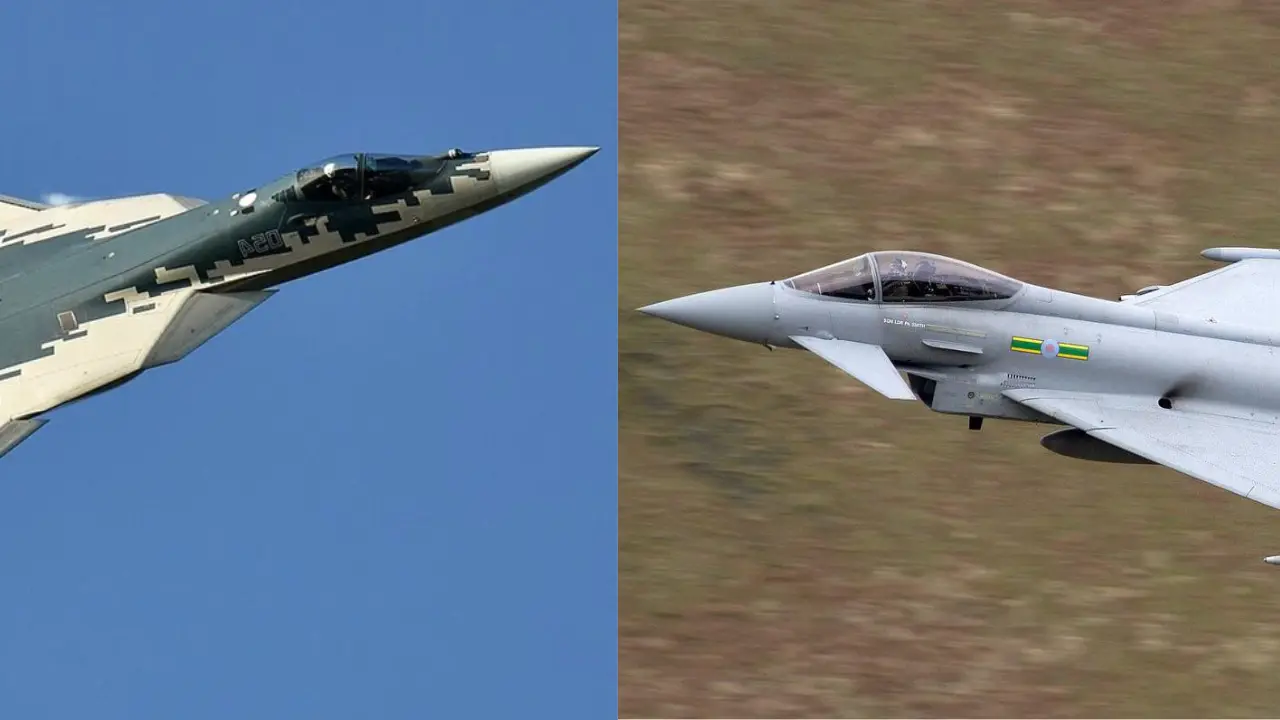
Radar Cross-Section Reduction The Core of Stealth
Stealth jets reduce radar cross-section to 0.0015 square metres versus 10-15 for conventional fighters. Enemy radar cannot detect them until extremely close range. Shape, materials, and engineering make them nearly invisible to standard radar systems.
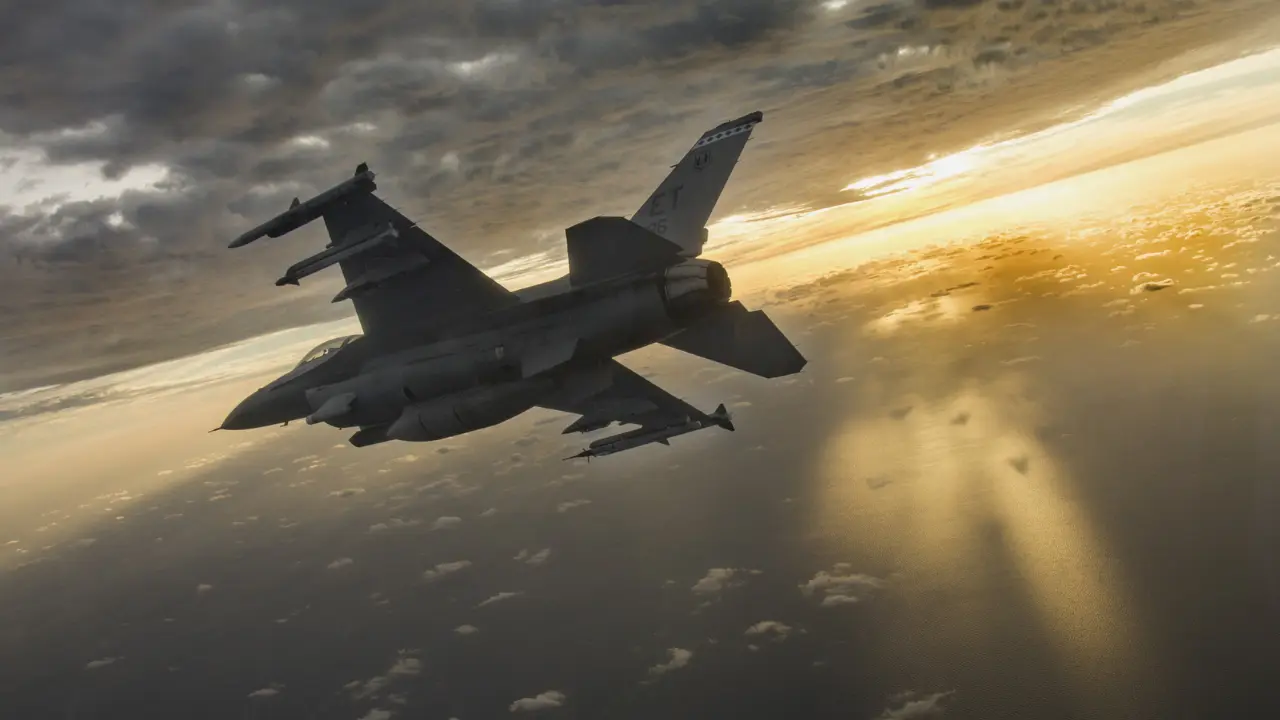
Detection Range Advantage - Seeing First Wins Battles
Non-stealth fighters detected at 150-200 kilometres by enemy radar. Stealth jets stay hidden until 10-30 kilometres away. Seeing the enemy first while remaining invisible provides overwhelming tactical advantage in air combat.
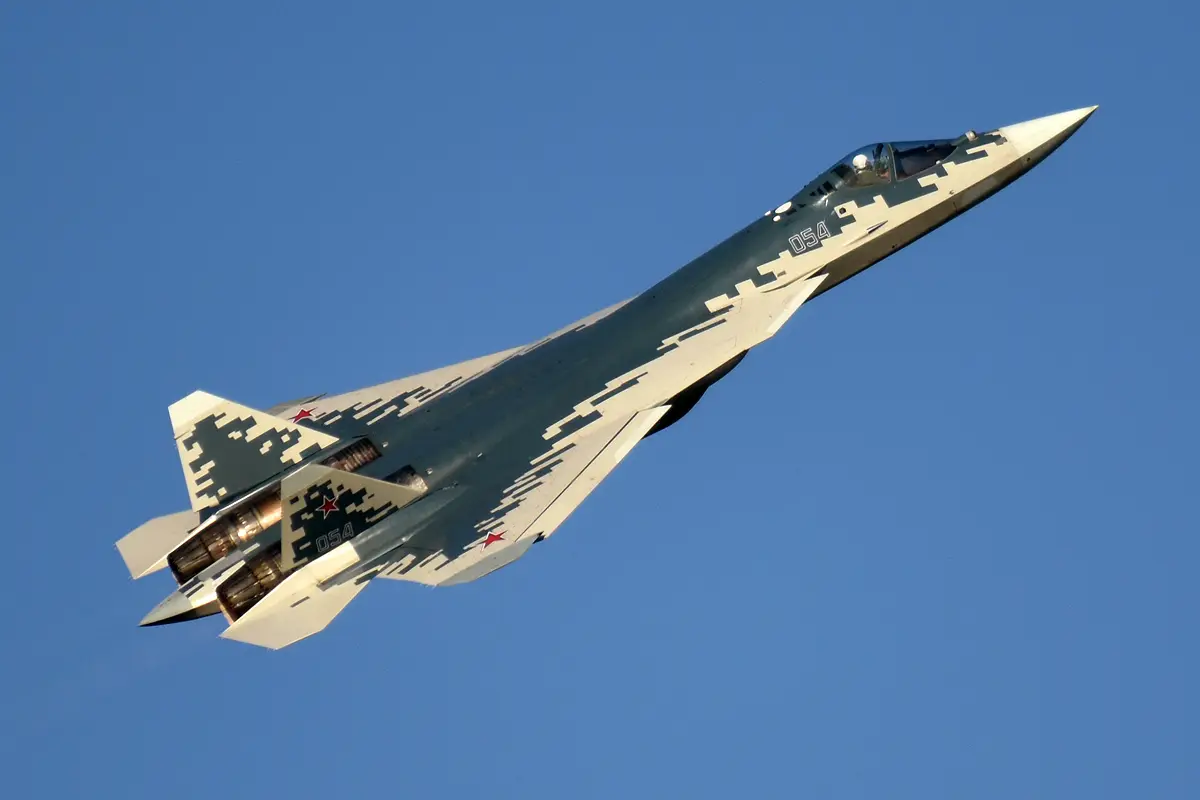
First-Strike Capability Without Warning
Stealth jets launch weapons from standoff range before enemies know they exist. Non-stealth fighters get detected and engaged. Stealth provides surprise the enemy cannot counter-attack if they do not see the threat coming.
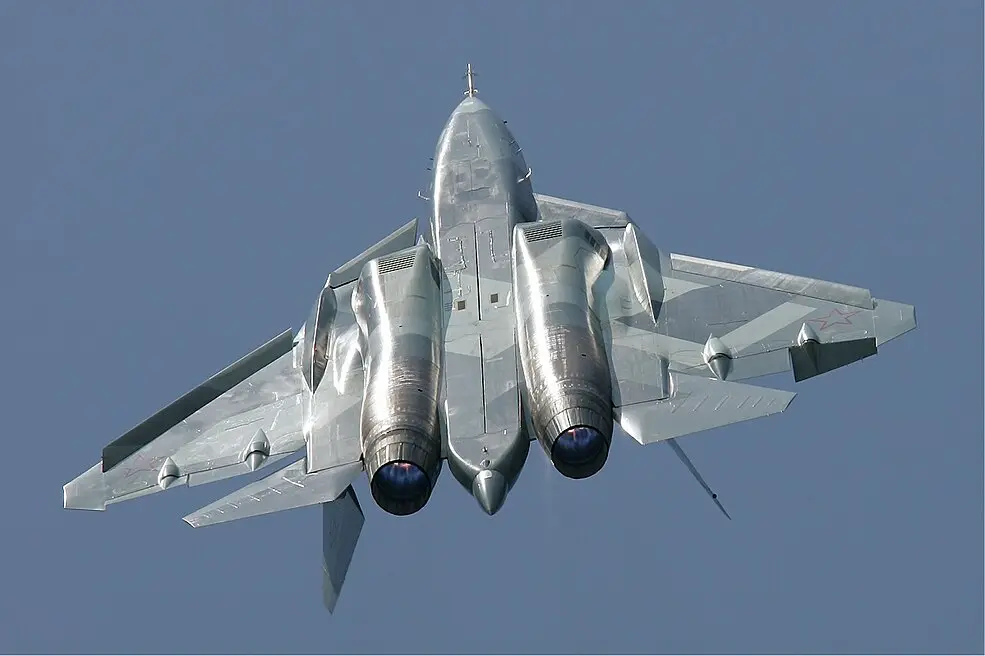
Penetrating Dense Air Defences
Stealth jets slip through advanced air-defence networks undetected. Non-stealth fighters face heavy losses against modern integrated air defences. Stealth allows operations over heavily defended enemy territory where conventional jets cannot survive.
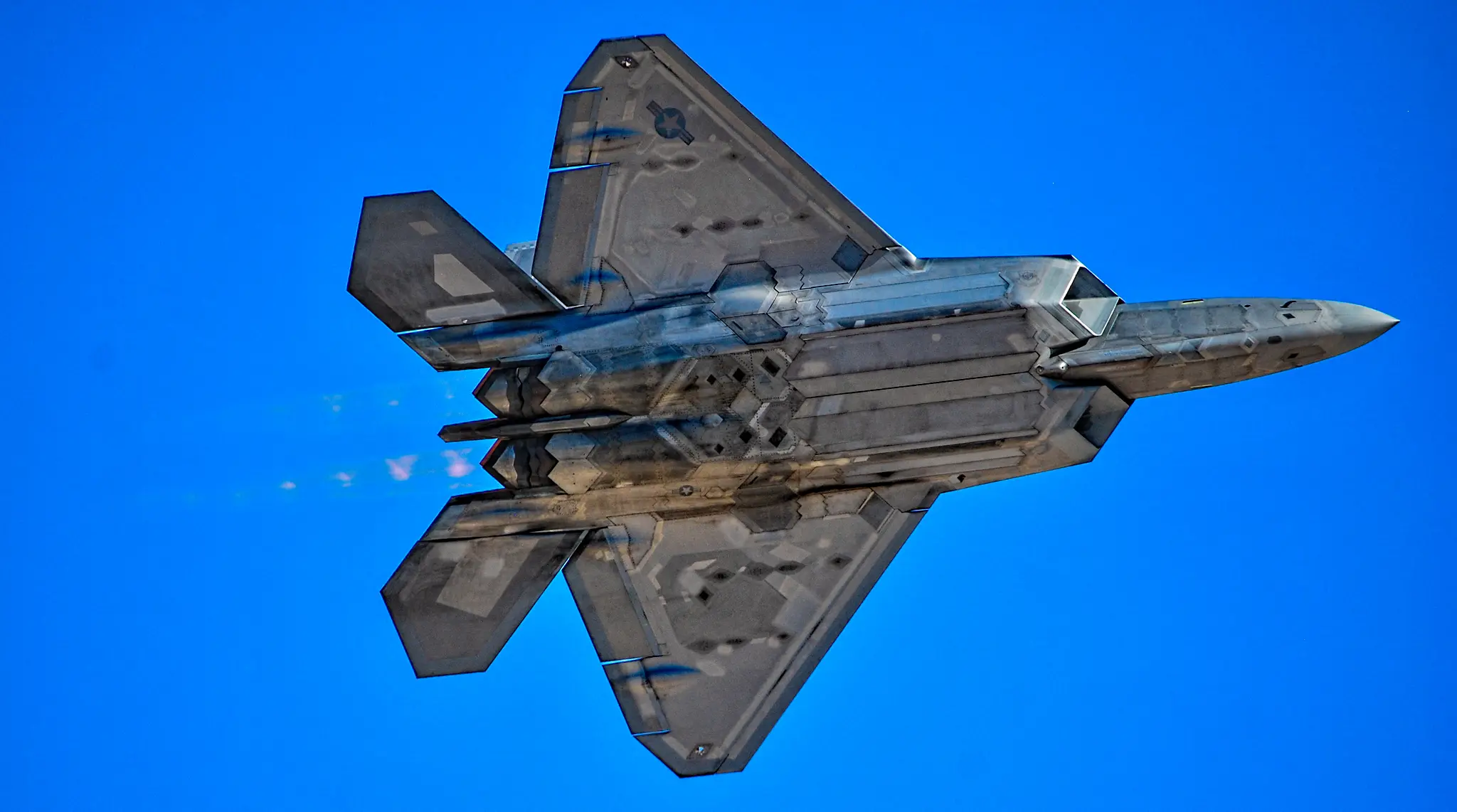
Internal Weapons Bays Reduce Drag and Maintain Performance
Stealth jets carry weapons inside, preserving aerodynamic profiles. Non-stealth fighters with external missiles suffer drag penalties. The F-22 maintains superior speed, range, and manoeuvrability compared to conventional fighters carrying external loads.
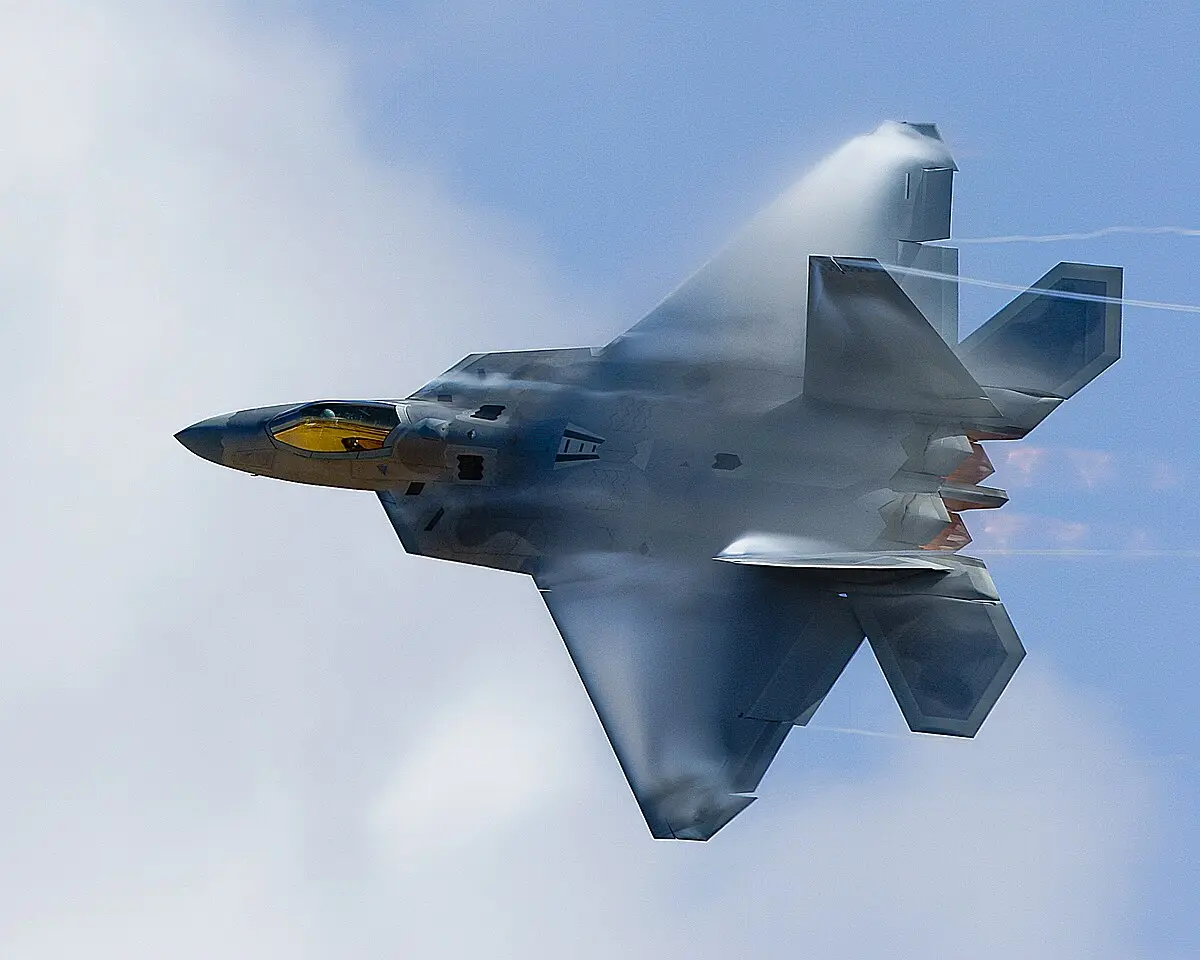
Superior Supercruise and Extended Combat Range
The F-22 supercruises at Mach 1.5 without afterburners, conserving fuel. Conventional fighters must use afterburners, consuming fuel rapidly. Stealth jets loiter longer over targets and operate further from base than non-stealth competitors.
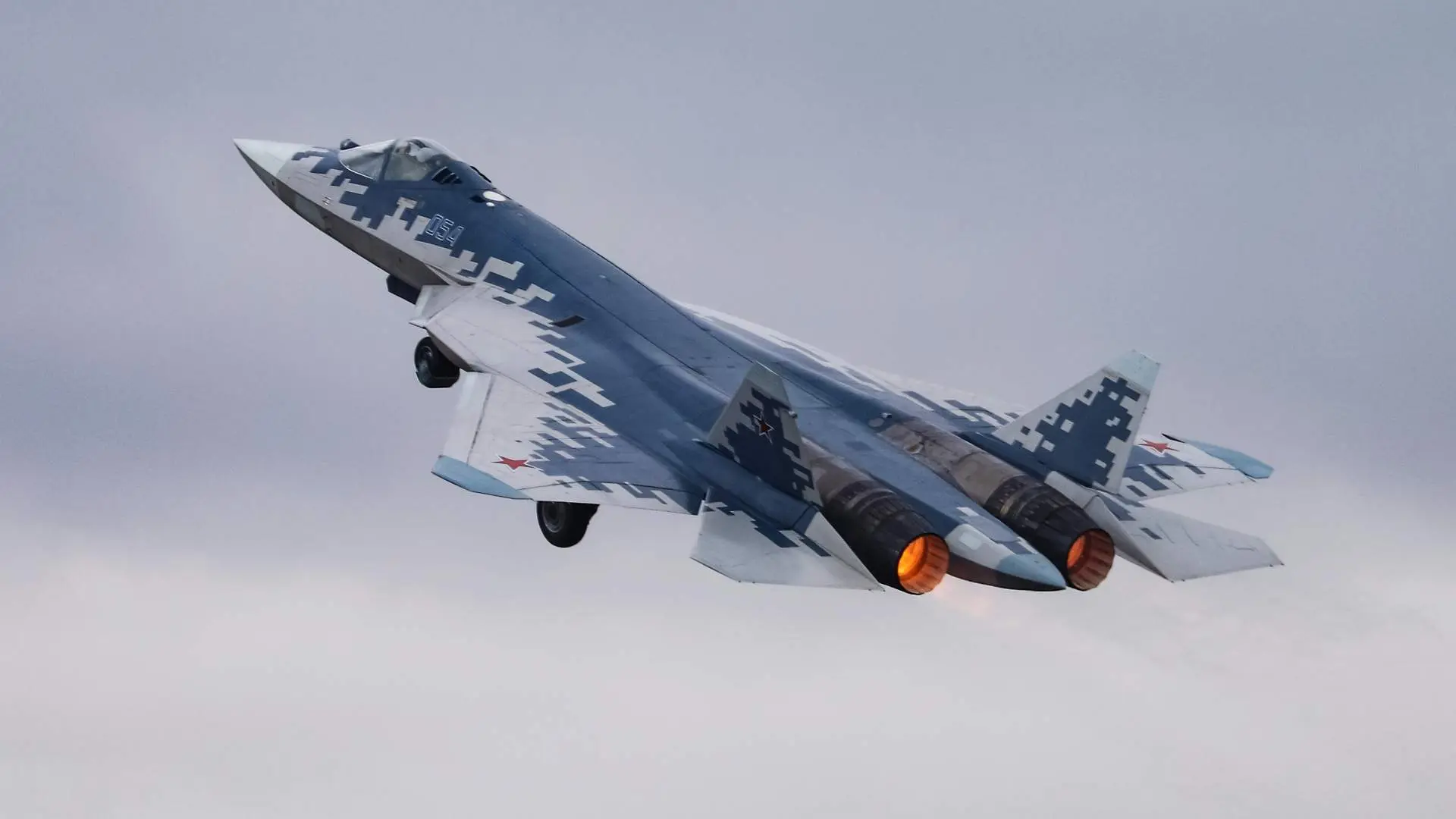
Electronic Warfare Sensor Fusion Advantages
Stealth jets combine radar, infrared, and electronic sensors into unified situational awareness. Non-stealth jets lack this integration. One stealth fighter detects and tracks dozens of targets independently without external support.
Operating Without AWACS Support
Stealth jets conduct operations autonomously with advanced onboard sensors. Non-stealth fighters need AWACS guidance for beyond-visual-range engagements. Stealth independence reduces logistical requirements and operational vulnerability.
Force Multiplier Effect - Fewer Aircraft Needed
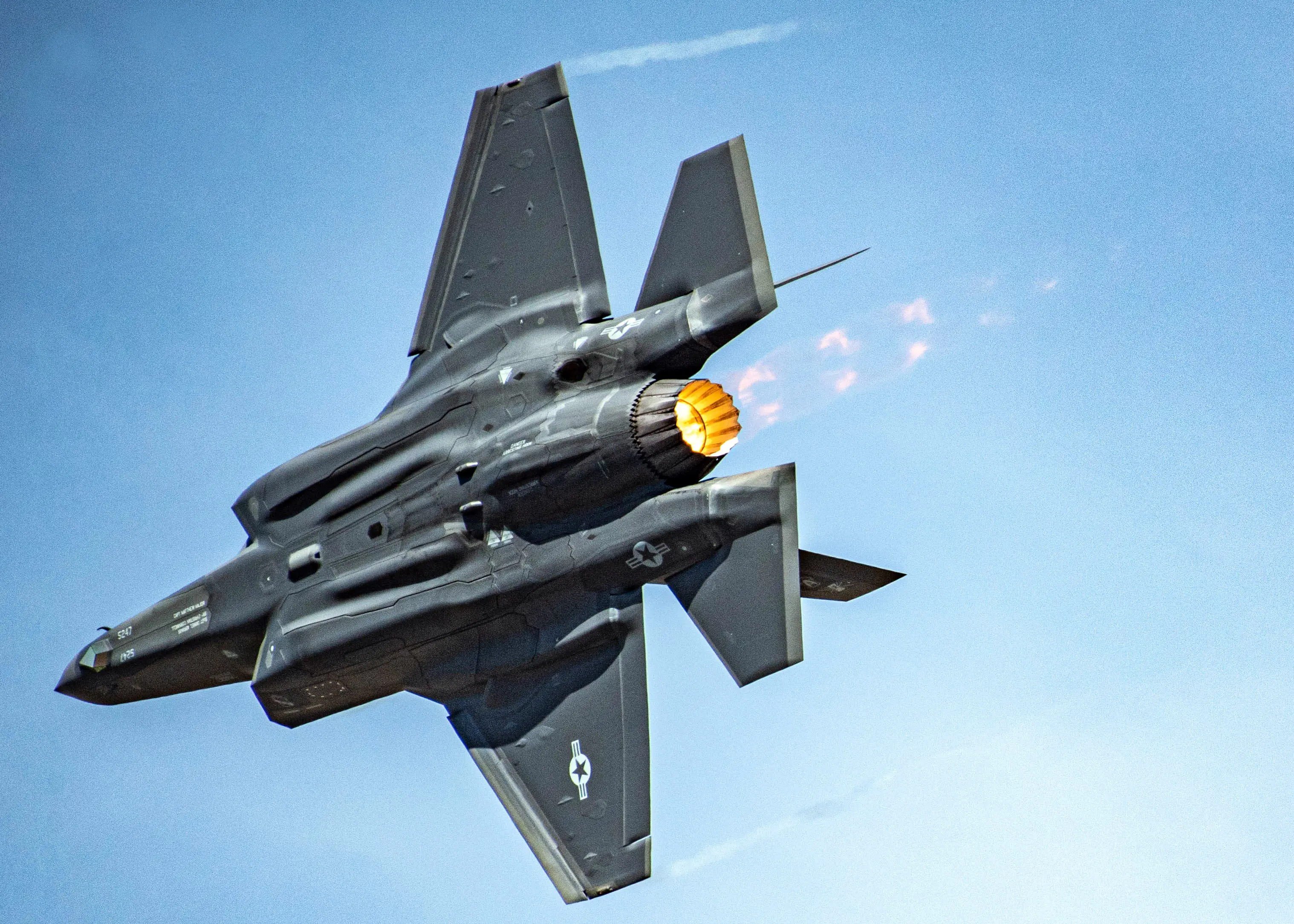
One stealth fighter penetrates defences requiring multiple conventional jets plus support aircraft. Smaller stealth-equipped air forces achieve results from much larger conventional air forces. Stealth rebalances power asymmetrically.
Future-Proofing Against Evolving Threats
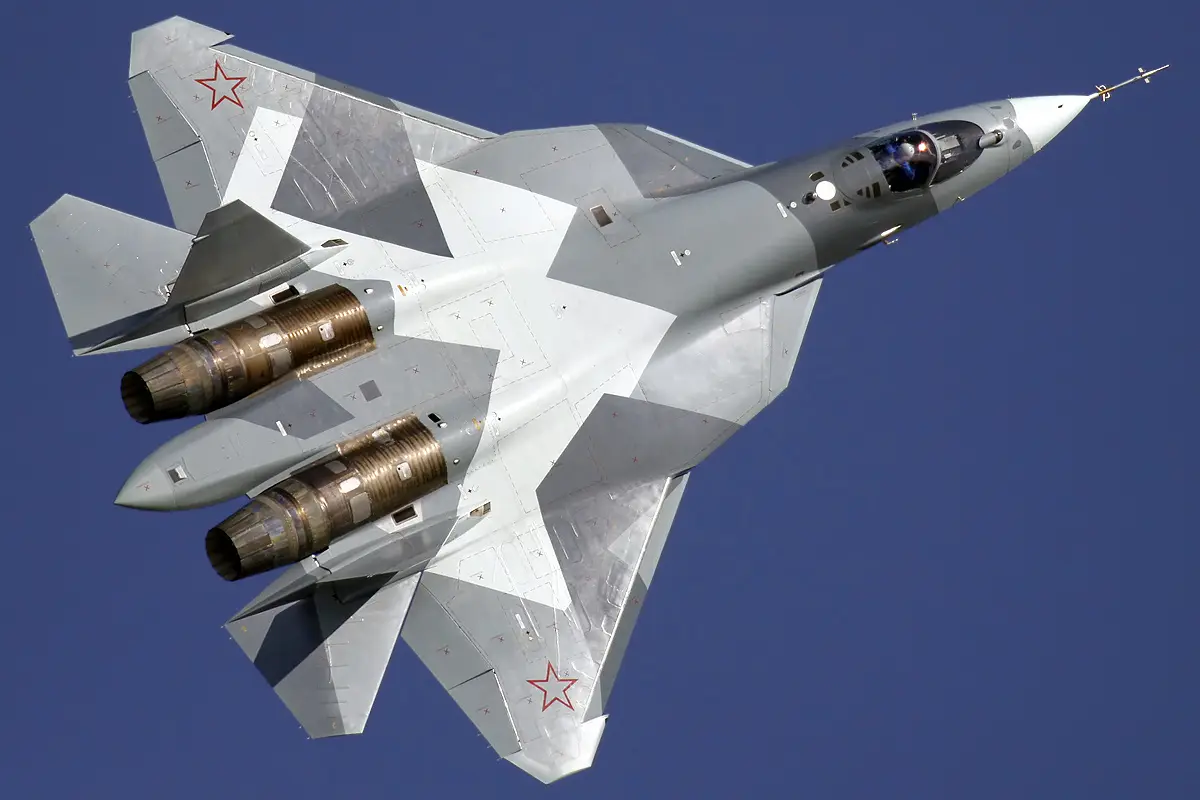
Stealth principles continue evolving against emerging counter-stealth technologies. Non-stealth aircraft cannot be retrofitted with stealth. Investing in stealth ensures relevance against future threats for decades.
)
)
)
)
)