Stealth alternative: Why has the B-52 bomber never needed stealth technology to remain effective?

The B-52 stays effective without stealth by acting as a long-range standoff missile truck. Launching hypersonic weapons from safe airspace, deploying MALD decoys, and partnering with the B-21 Raider ensures its survival into the 2050s.
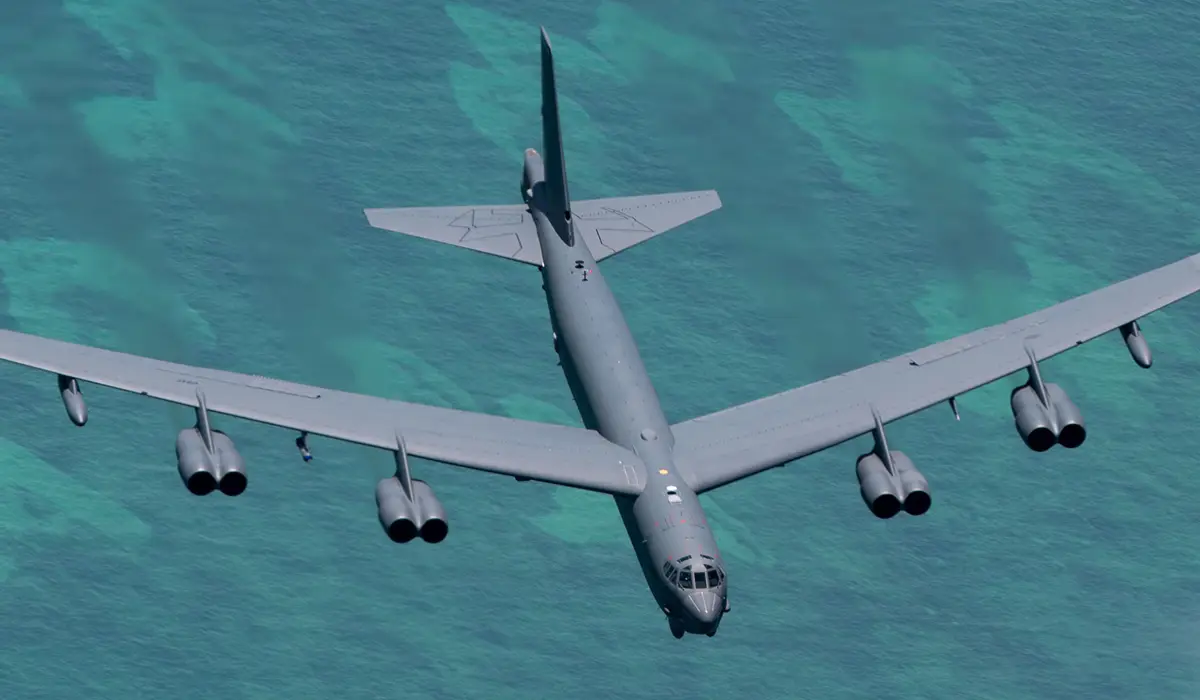
The Radar-Visible Giant
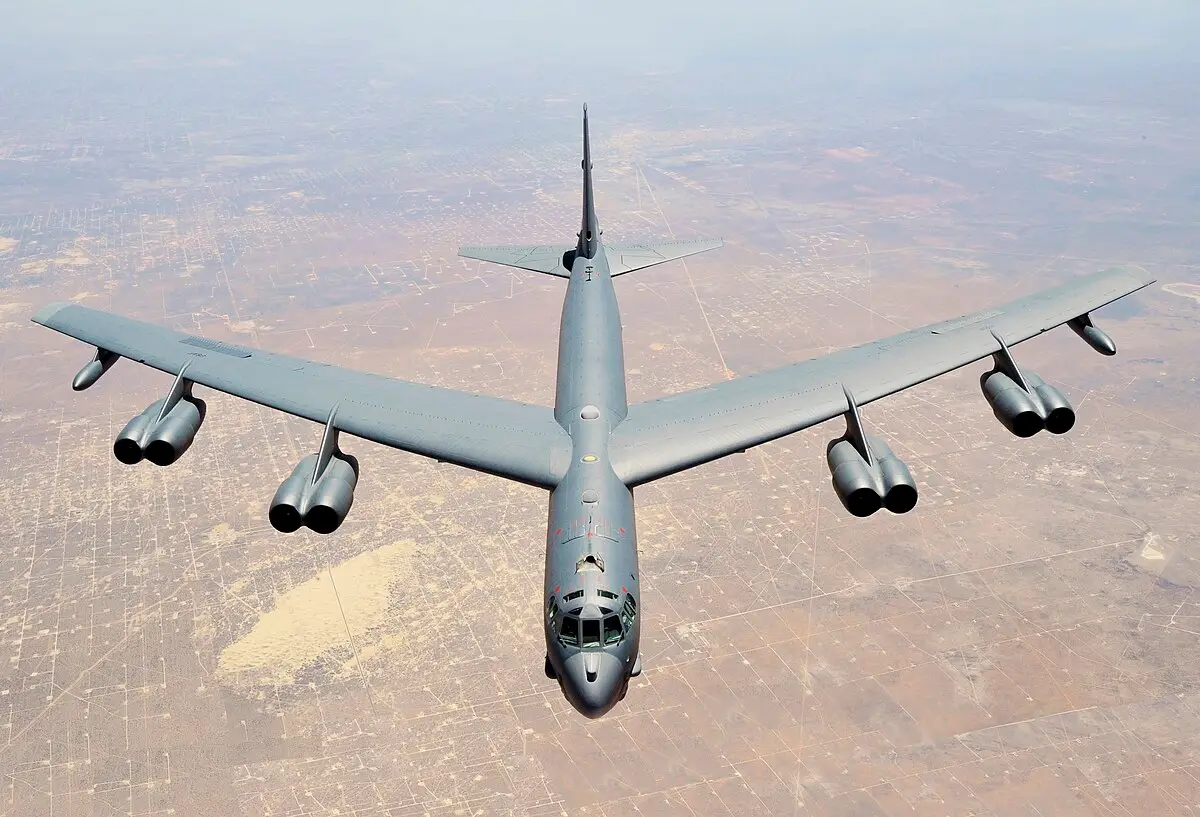
The Boeing B-52 Stratofortress possesses a massive radar cross-section, making it easily detectable by modern air defence networks. Despite lacking any radar-evading stealth coatings, the US Air Force keeps this 390,000-pound behemoth at the forefront of global strategy.
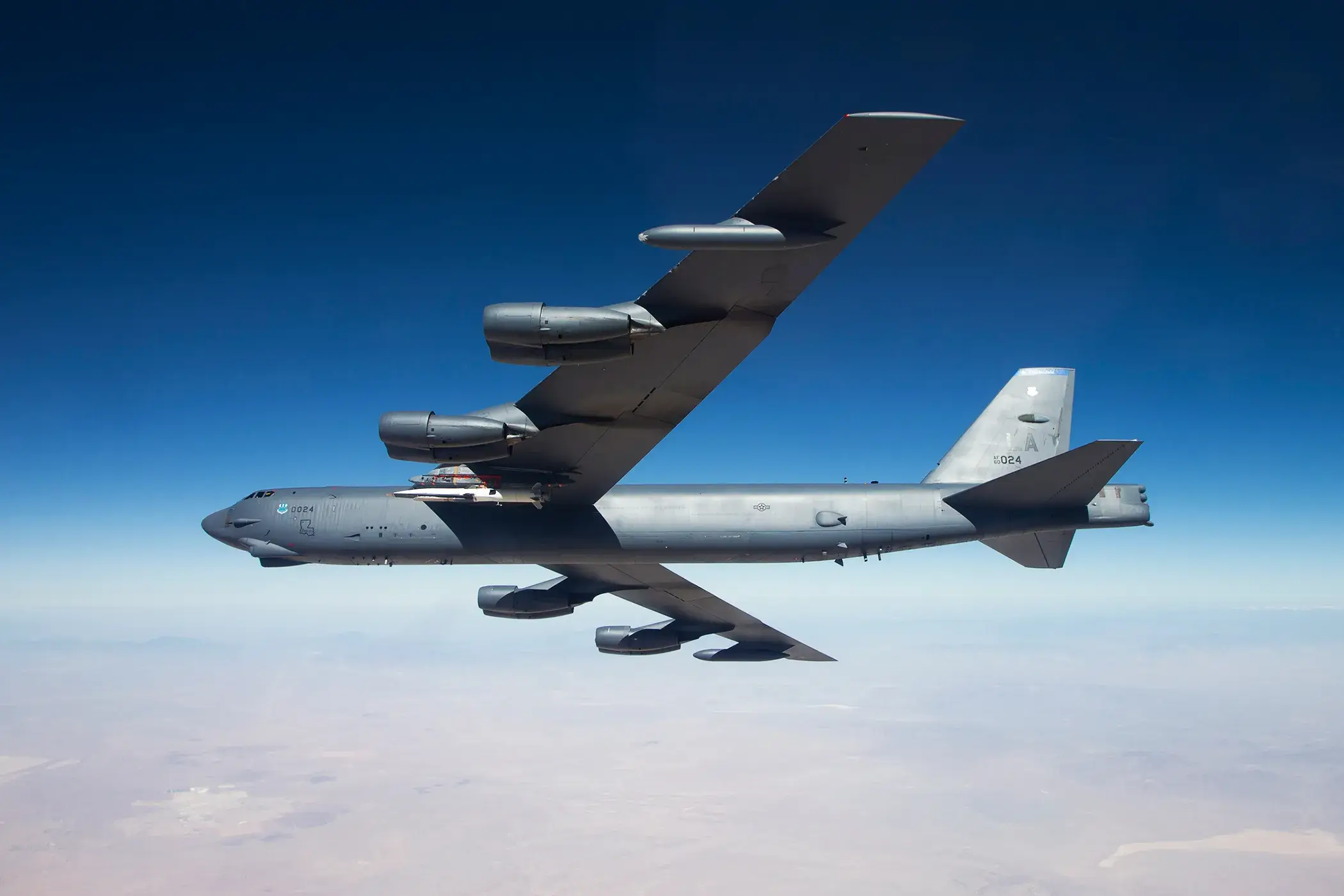
The Standoff Strategy
The B-52 remains highly lethal because it completely avoids entering heavily defended enemy airspace. Operating as an airborne missile truck, the bomber launches advanced cruise missiles and hypersonic weapons from thousands of miles away in safe, international skies.
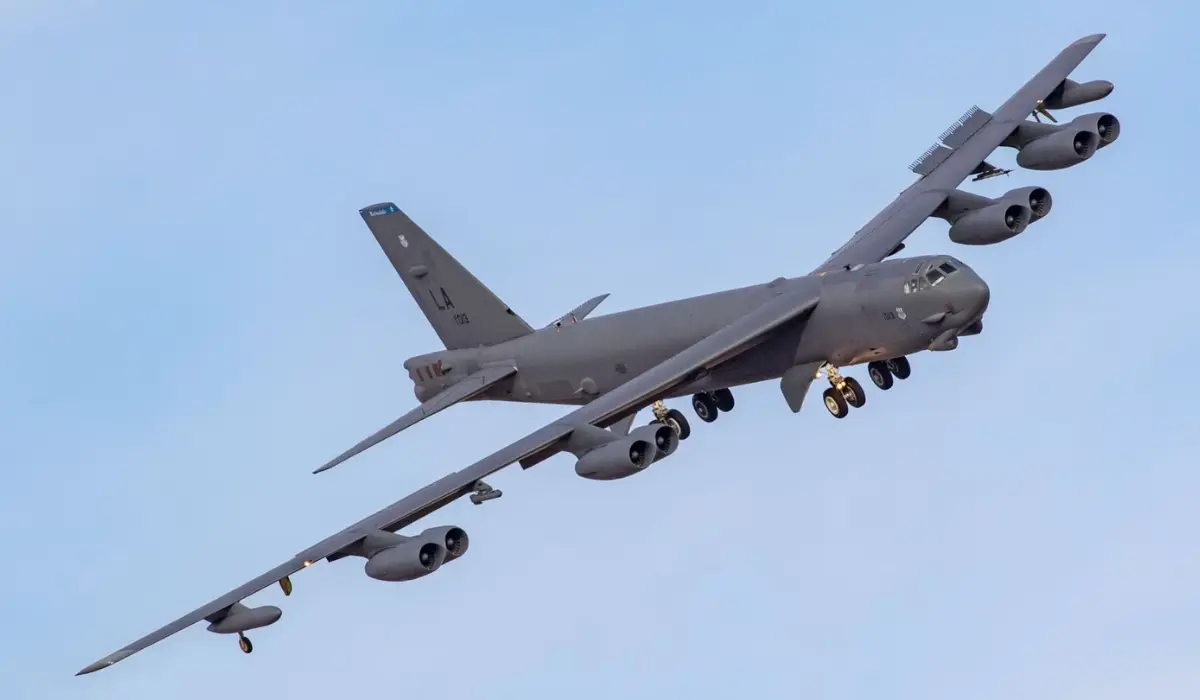
Electronic Warfare Shield
When facing potential radar tracking, the aircraft utilizes its heavily classified electronic countermeasures. The onboard Electronic Warfare Officer deploys advanced digital radar jamming and decoys to blind hostile surface-to-air missile systems before they can lock on.
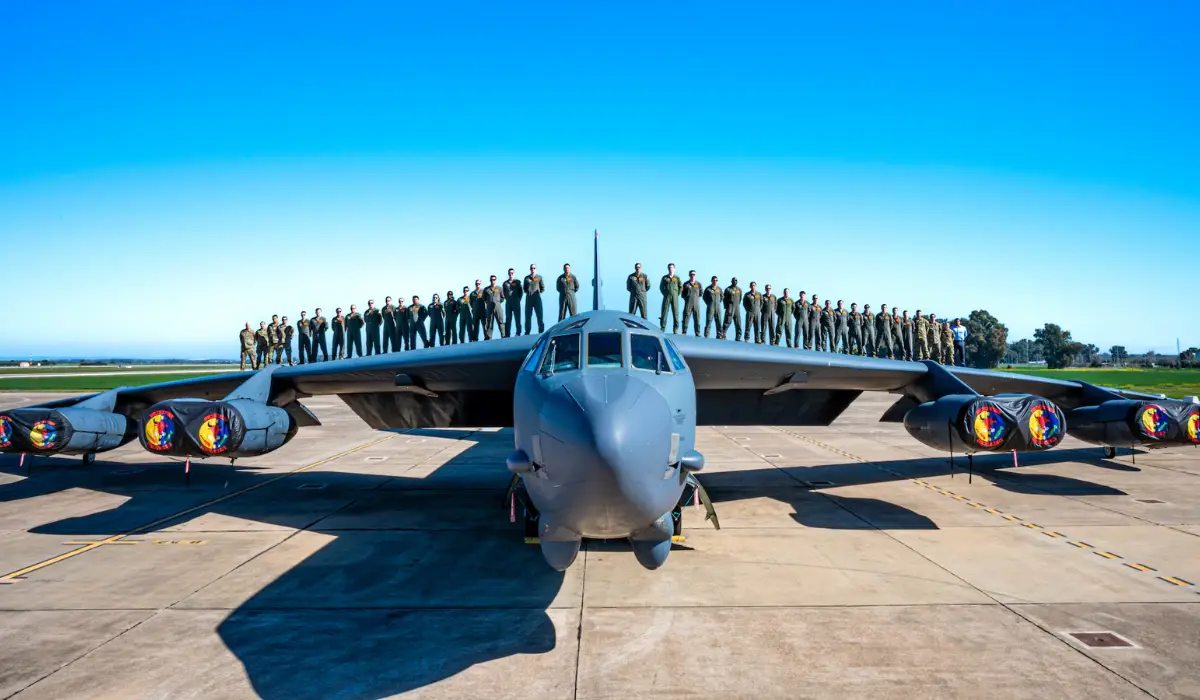
The MALD Confusion Factor
To actively overwhelm enemy radars, the heavy bomber deploys Miniature Air-Launched Decoys (MALD). These sophisticated drones perfectly mimic the flight profile and radar signature of a massive American bomber, tricking adversaries into wasting multi-million dollar interceptors.
Stealth Is Costly
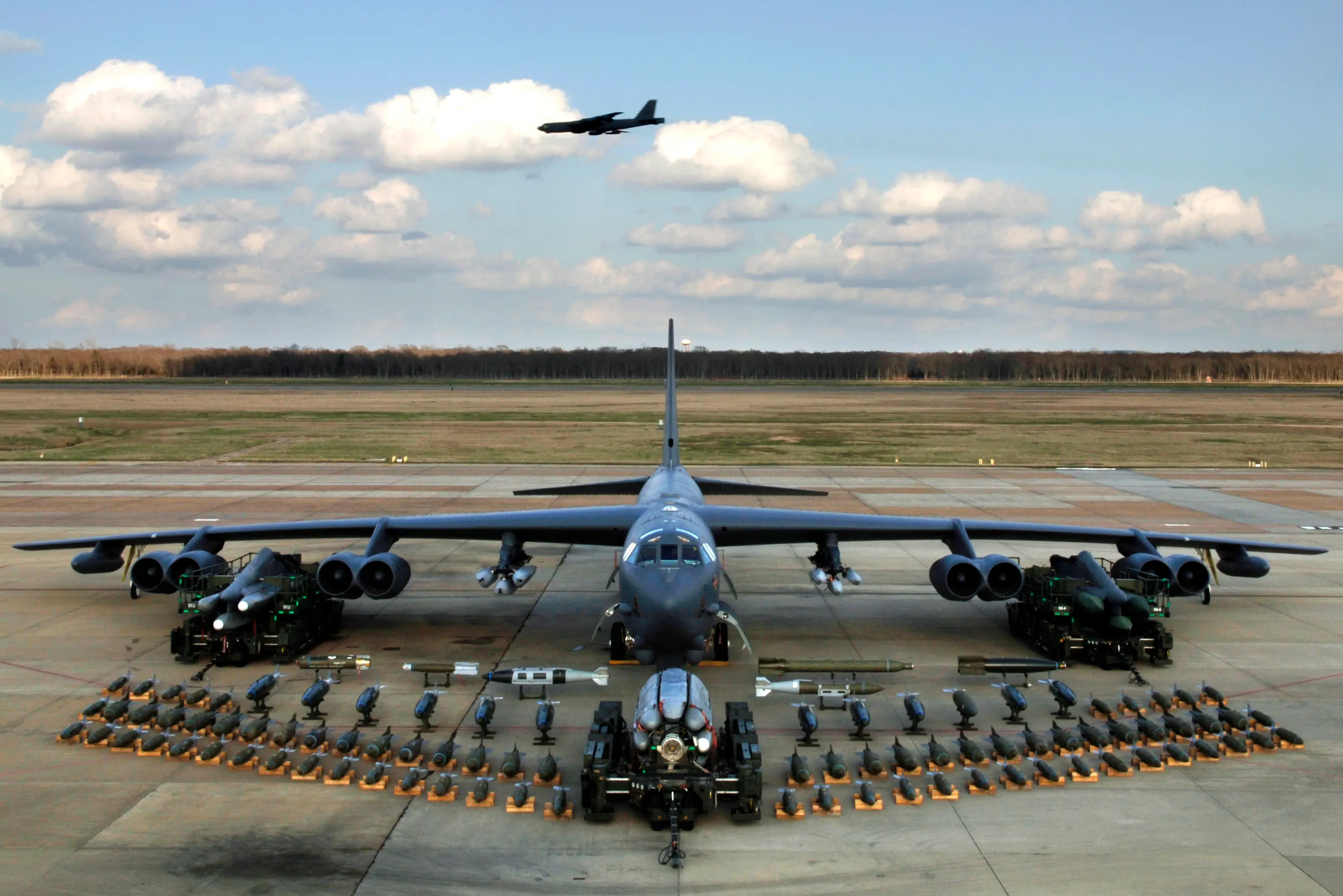
Maintaining delicate, radar-absorbing skin on stealth aircraft like the B-2 Spirit drives operating costs upwards of USD 150,000 per flight hour. The conventional B-52 bypasses this financial drain, offering a reliable, low-maintenance platform to carry a massive 70,000-pound payload.
The B-21 Raider Partnership
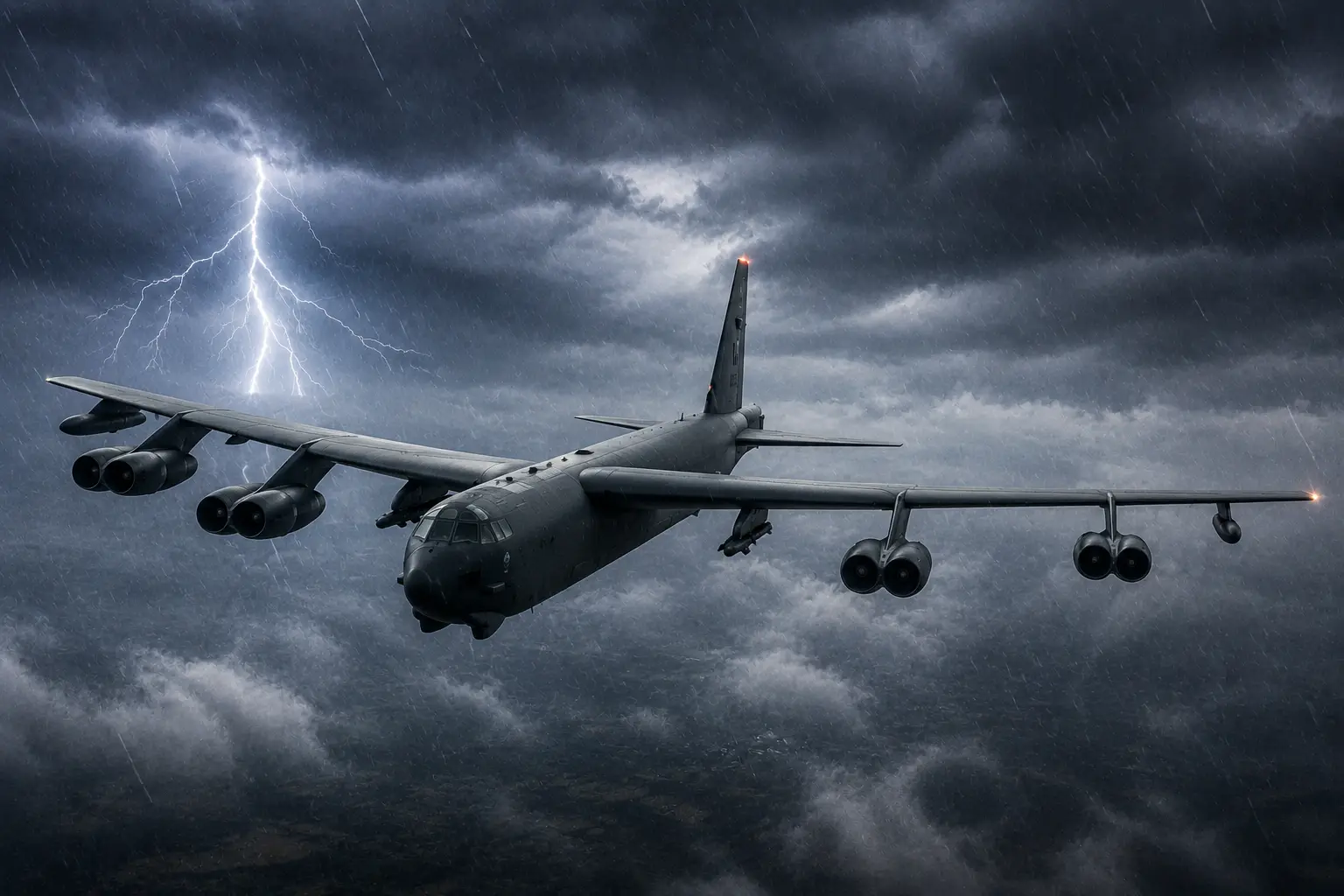
Modern US military doctrines do not expect the B-52 to fight entirely alone in high-threat environments. Next-generation stealthy B-21 Raiders will first penetrate and dismantle an adversary's air defence grid, opening a safe corridor for the B-52 to deliver overwhelming ordnance.
The USD 48.6 Billion Upgrade
Under the ongoing B-52J modernization programme, the aircraft is receiving fighter-derived AESA radars and eight modern Rolls-Royce F130 engines. This massive digital overhaul ensures the non-stealthy giant remains an effective, long-range deterrent well into the 2050s.
)
)
)
)
)