Sri Lanka crisis: Woman rickshaw driver has to queue 12 hours, or more, for fuel

Beginning of the crisis
The roots of Sri Lanka's current crisis lie in the COVID-19 pandemic, which devastated the lucrative tourism industry and sapped foreign workers' remittances, and populist tax cuts enacted by President Gotabaya Rajapaksa's administration.
Angry at the widespread shortages and accusing the powerful Rajapaksa family of mishandling the economy, thousands of protesters have taken to the streets across Sri Lanka in recent months to stage mostly peaceful demonstrations.
A close eye on the petrol gauge
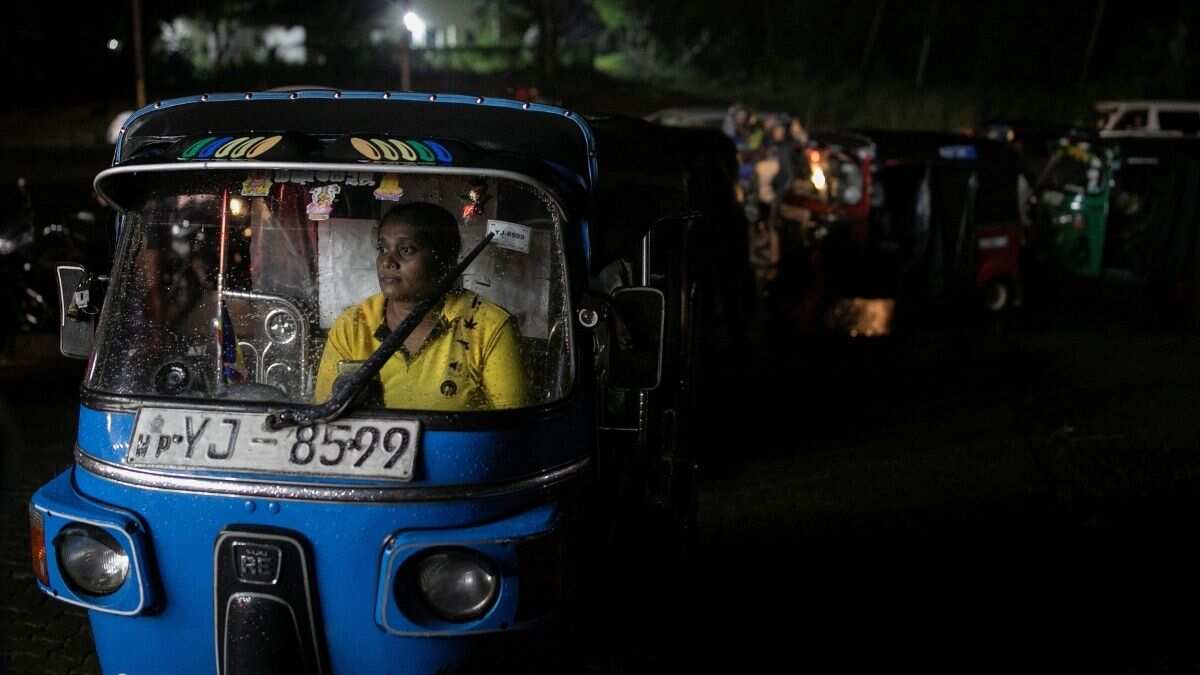
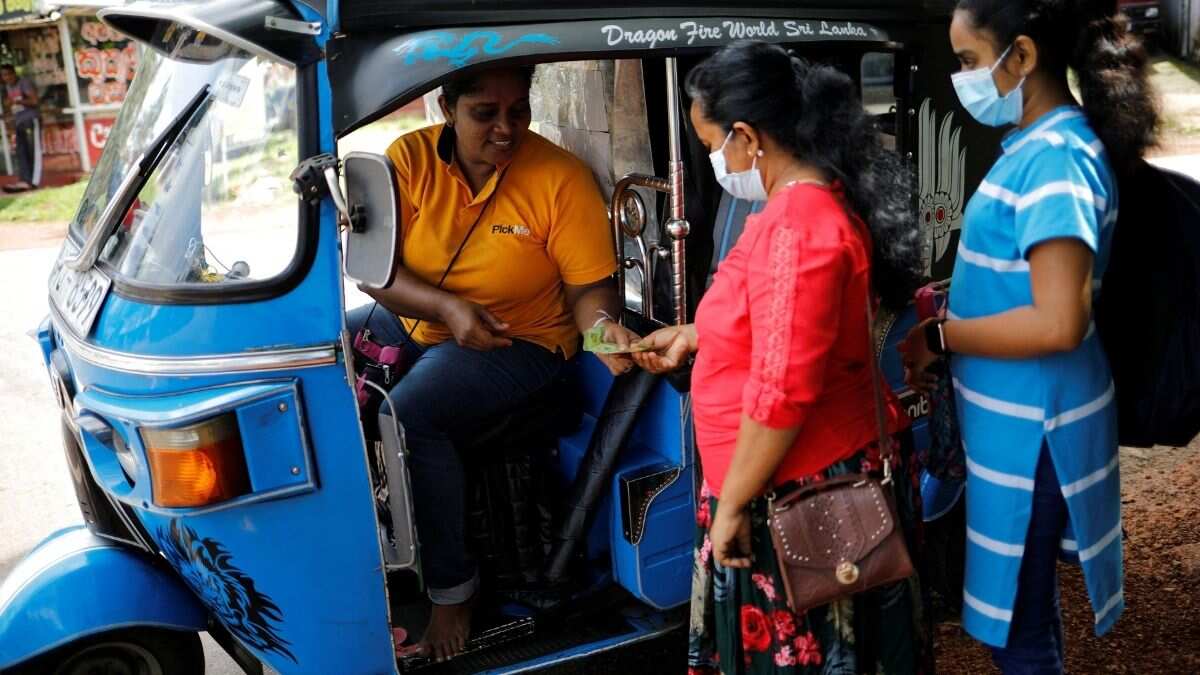
A woman auto-rickshaw driver is a rare sight on the island of 22 million people off the southern coast of India.
But it's a job Deepthi has done for seven years to support her family of five, by using local ride-hailing app PickMe.
The driver of an auto-rickshaw on the outskirts of the commercial capital Colombo, she keeps a close eye on the petrol gauge of her sky-blue three-wheeler before accepting a job to make sure she has enough fuel.
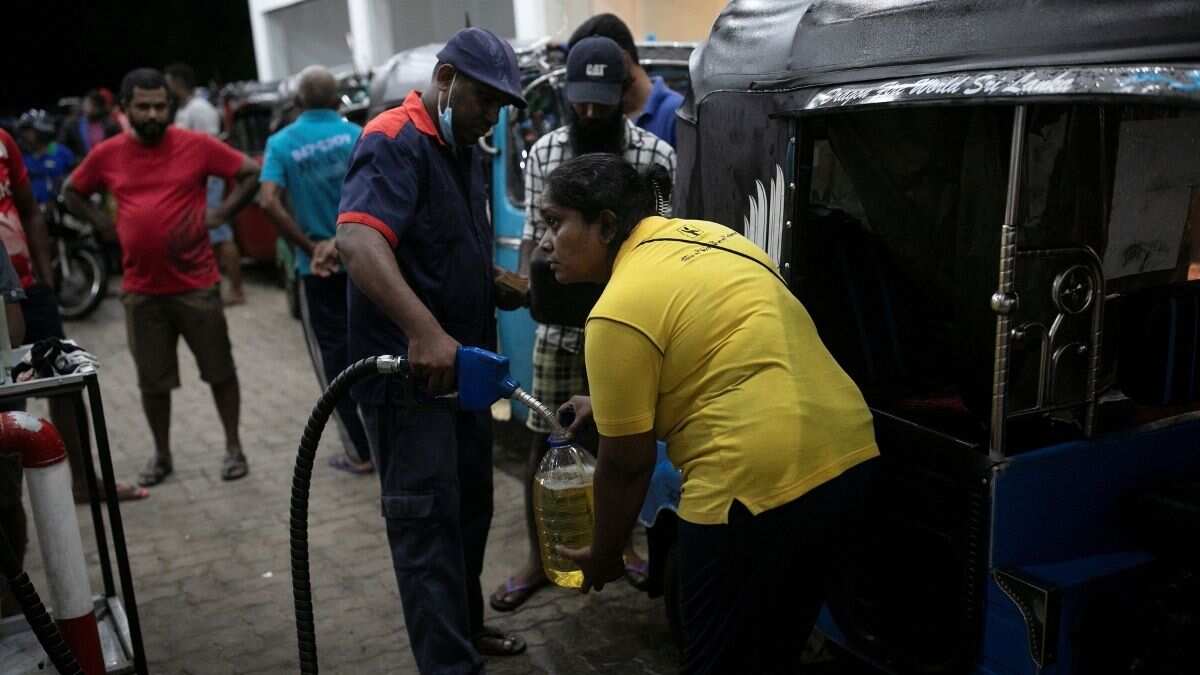
When the needle is close to empty, she joins the line outside a gas station. Sometimes, she waits through the night for petrol and when she does get it, it costs two-and-a-half times the amount it did eight months ago.
People scrambling to find petrol
Her monthly income of about 50,000 Sri Lankan rupees ($138) started falling from January and is now less than half of what she used to earn.
Since the financial crisis hit, she has been scrambling to find adequate petrol and earn enough as rides dwindled and inflation surged past 30 per cent year-on-year.
In mid-May, Deepthi said she spent two-and-a-half days in a queue for petrol, assisted by one of her brothers.
Petrol prices soared 259% since last year
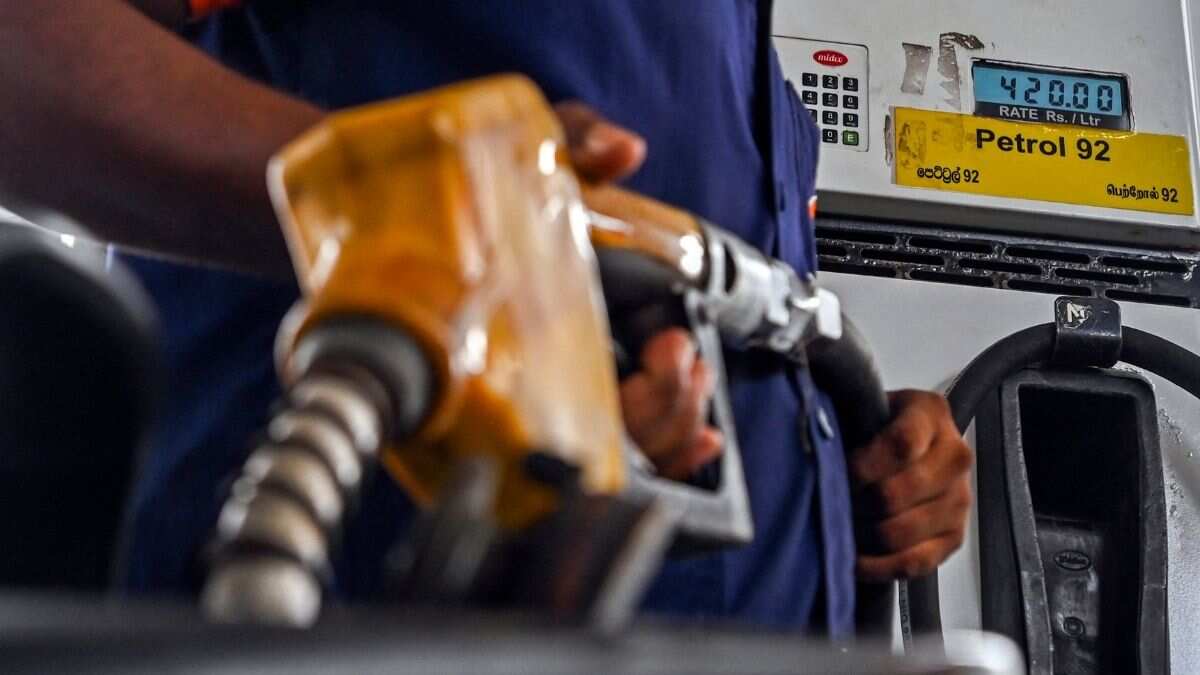
Her mission, like most days, is to find petrol, prices of which have soared 259 per cent since October 2021, as the government slashed subsidies to try and stabilise a teetering economy.
But Deepthi is disillusioned.
The car she bought with her savings had to be sold last year after she fell short on lease payments.
A second auto-rickshaw, usually driven by one of her brothers, needs repairs, which the family can barely afford. She is more than 100,000 rupees behind on loan payments for a piece of land she bought before the pandemic.
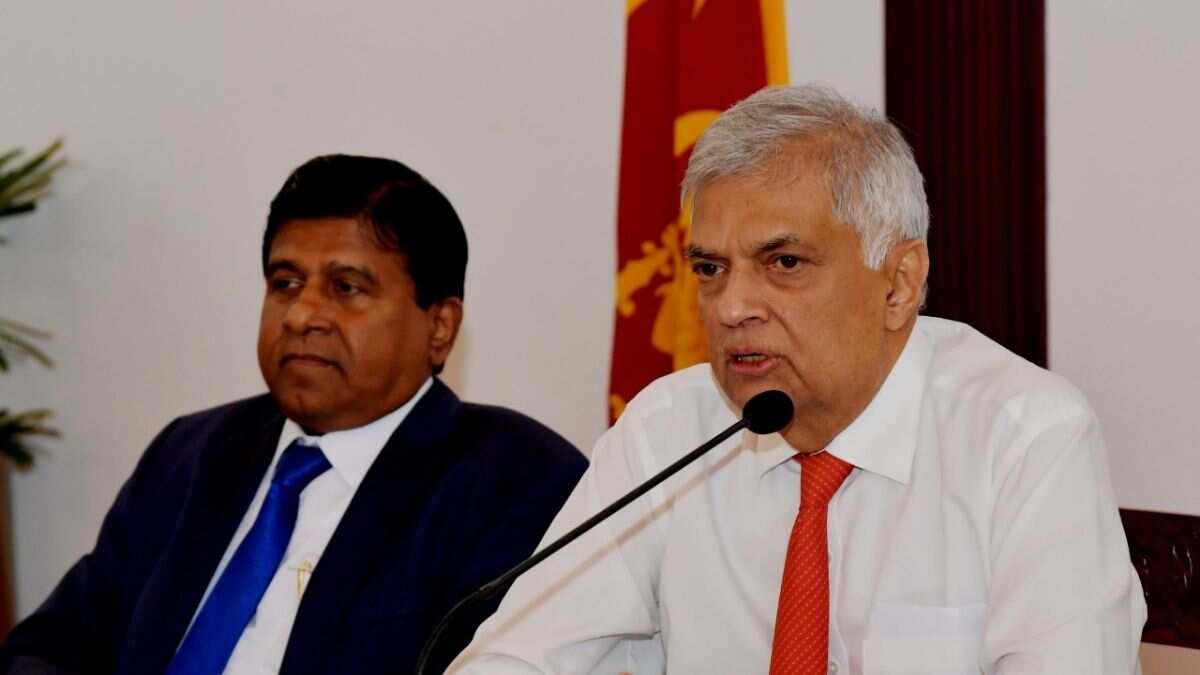
Prime Minister’s policies
New Prime Minister Ranil Wickrememsinghe, who was also appointed as the country's finance minister last week, plans to introduce a budget in six weeks that will cut expenditure "to the bone" and route it to a two-year welfare programme.
His policies are also expected to push forward negotiations with the International Monetary Fund for a badly-needed loan package. (Image courtesy: Ranil Wickremesinghe/Twitter)
)
)
)
)
)