It's not just a fetish: This Japanese bondage style is now high art

This Japanese art form raises questions about whether it is erotic or artistic. Derived from the ancient Japanese martial art "hōjōjutsu", used by feudal lords to subdue criminals, now juxtaposed with performance to create a beautiful yet uncomfortable tension.
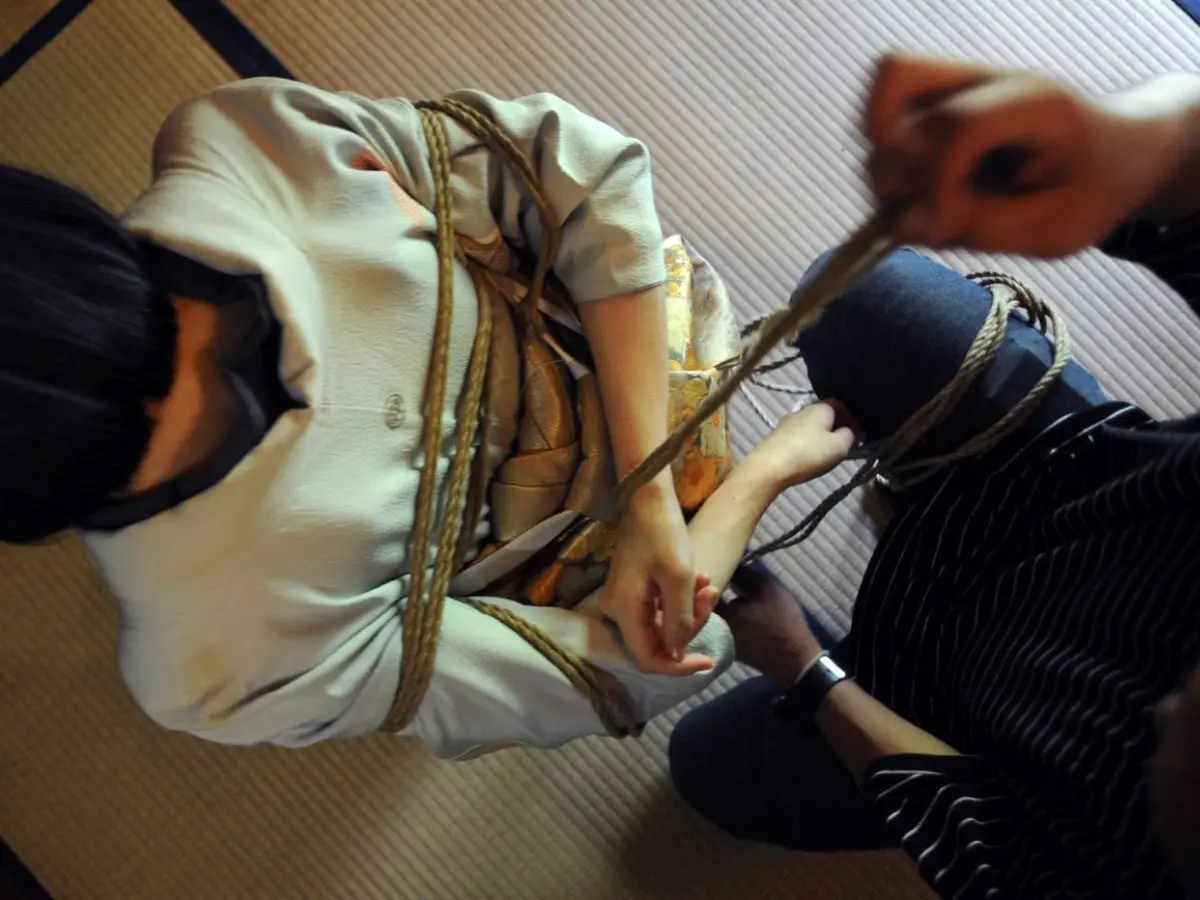
Shibari- The rope art
These kinky knots were once used as a form of prisoner restraint, now become a method of self-expression, intimacy, and aesthetic ritual. Hajime Kinoko discovered this while managing a Sadomasochism joint in Roppongi, an area of Tokyo.
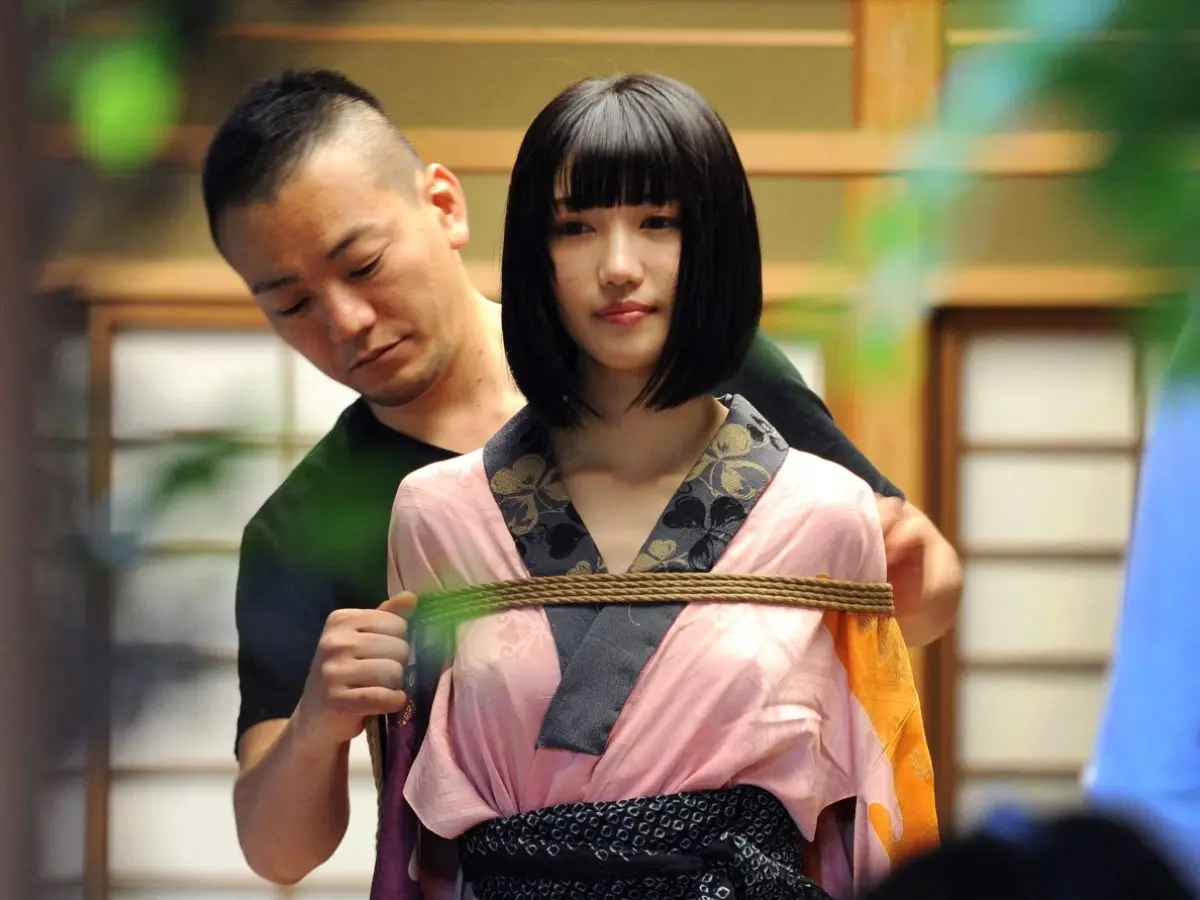
Restraint becomes ritual
Over time, Shibari transformed into kinbaku, the “art of tight binding.” It transformed from just being a utility to a performance of intimacy. Each joint, node portrays the emotion, trust and tension between bodies.

Beyond eroticism
Despite the common Freudian analysis of phallic desire, which is not just about sexual fetishes, but a mixture of power, control, dominance and identity, Kinoko told AFP that he wasn't particularly drawn to the fetishism.
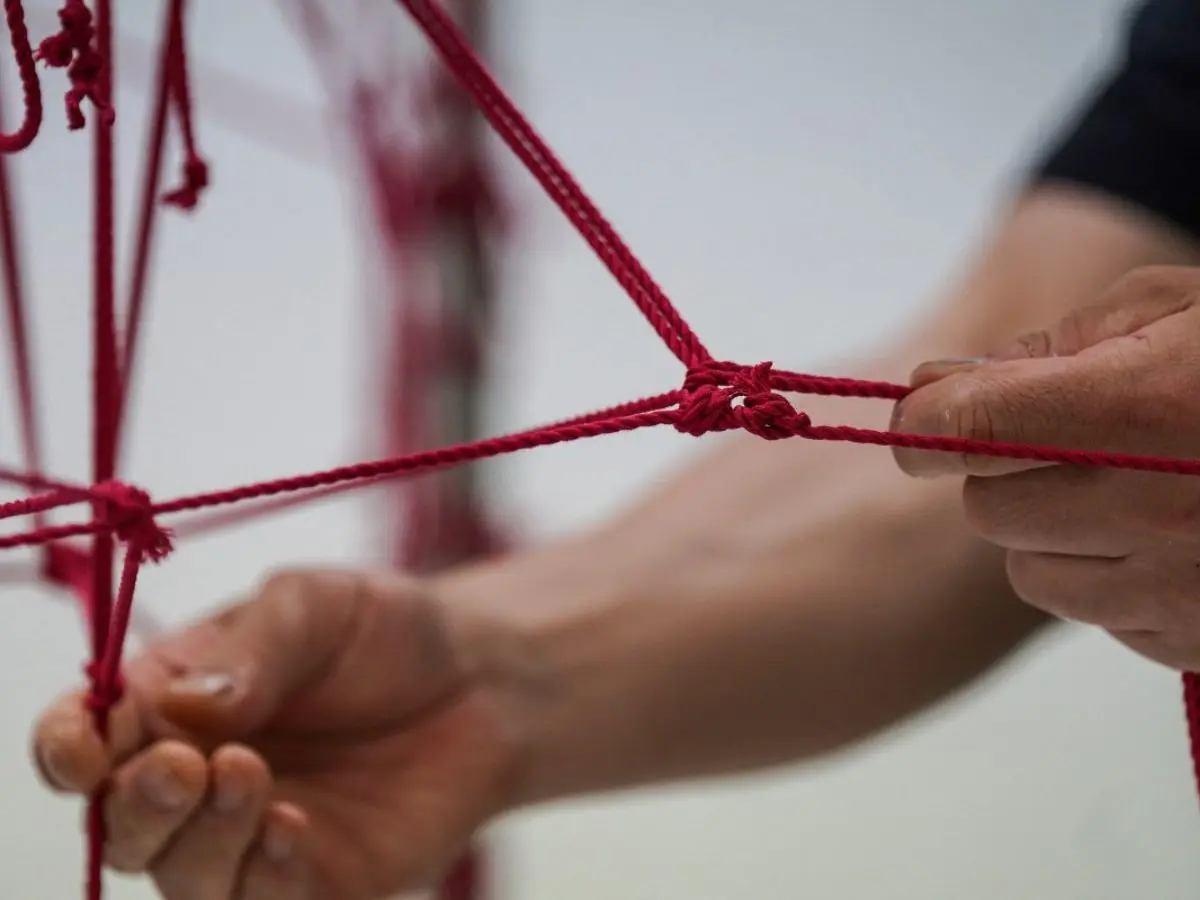
Rope as a brushstroke
He claims not to create a hierarchical power relationship, but a canvas for gravity, vulnerability and stillness. According to Kinoko, at the heart of Shiabri is communication and trust. Each tie, each suspension is an unspoken dialogue between the rigger and the model
)
)
)
)
)