Shattered in Iran?: The combat record of the US F‑15E fighter jet

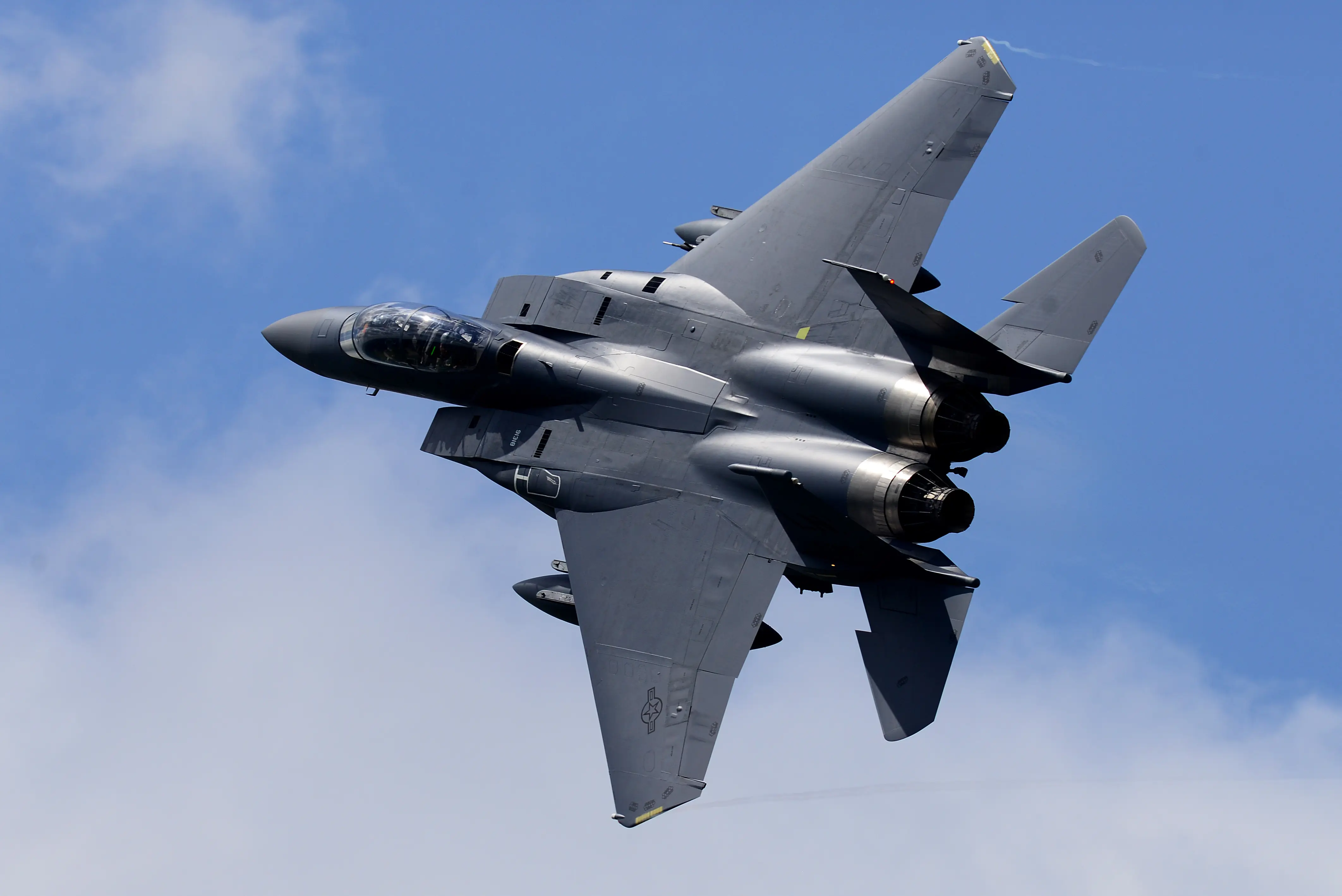
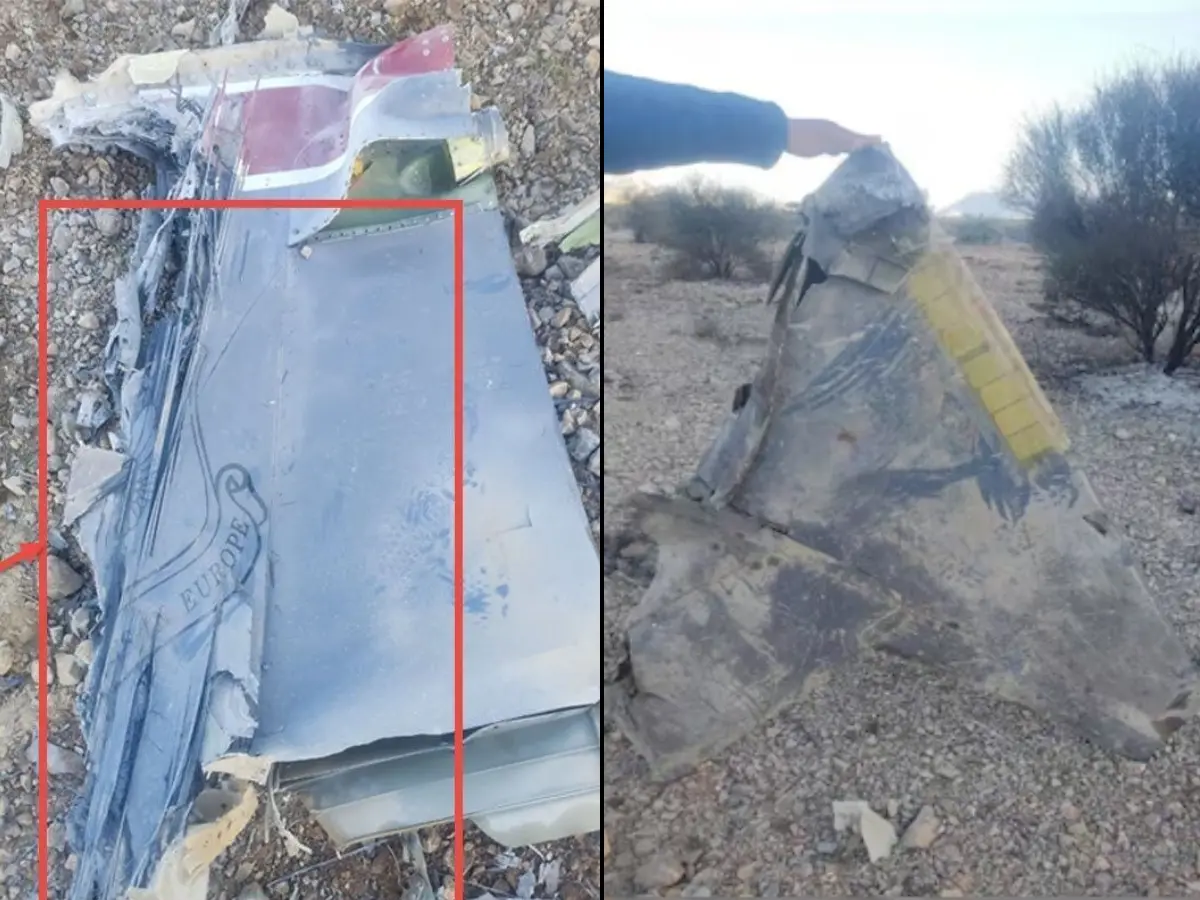
Reports of an F-15E Strike Eagle downed over Iran highlight the vulnerability of non-stealth jets against modern air defences. Despite the F-15 family's 104-0 aerial record, the $31 million ground-attack variant remains susceptible to SAM strikes.
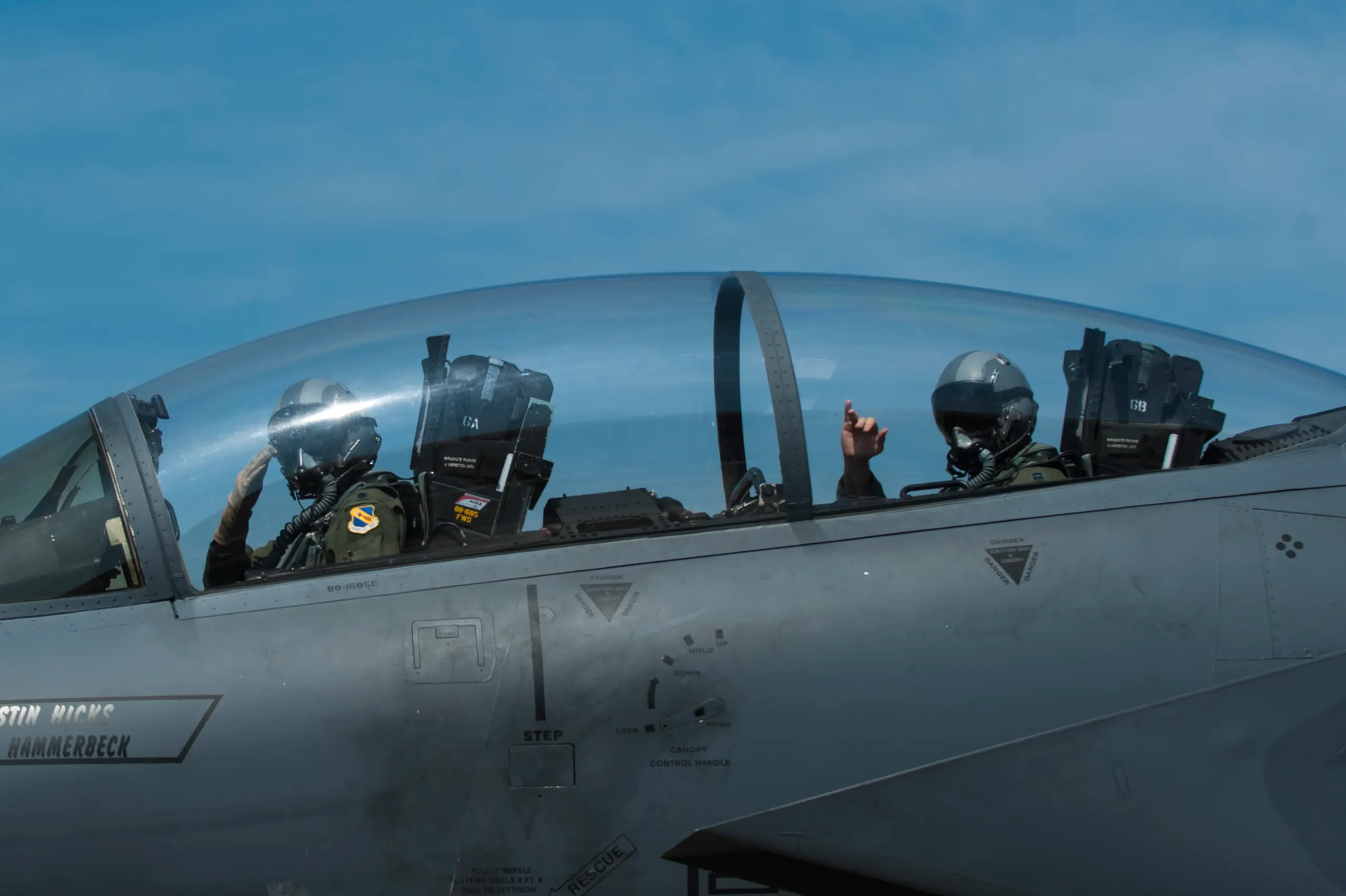
F-15E Strike Eagle is a dual-role fighter
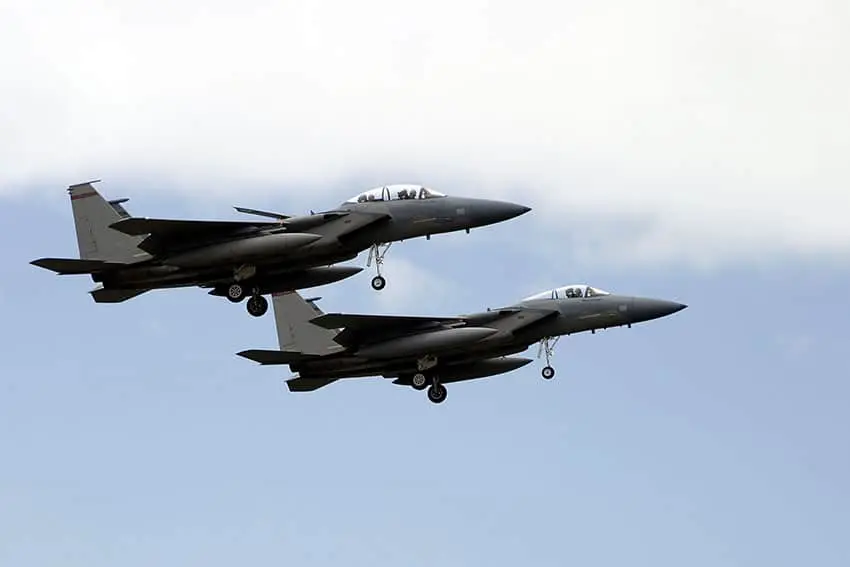
The F-15E Strike Eagle is a dual-role fighter designed to perform deep interdiction missions without requiring escort aircraft. Boasting a massive payload capacity of 10,400 kilogrammes, this $31 million machine forms the lethal backbone of US Central Command’s tactical bombing fleet.
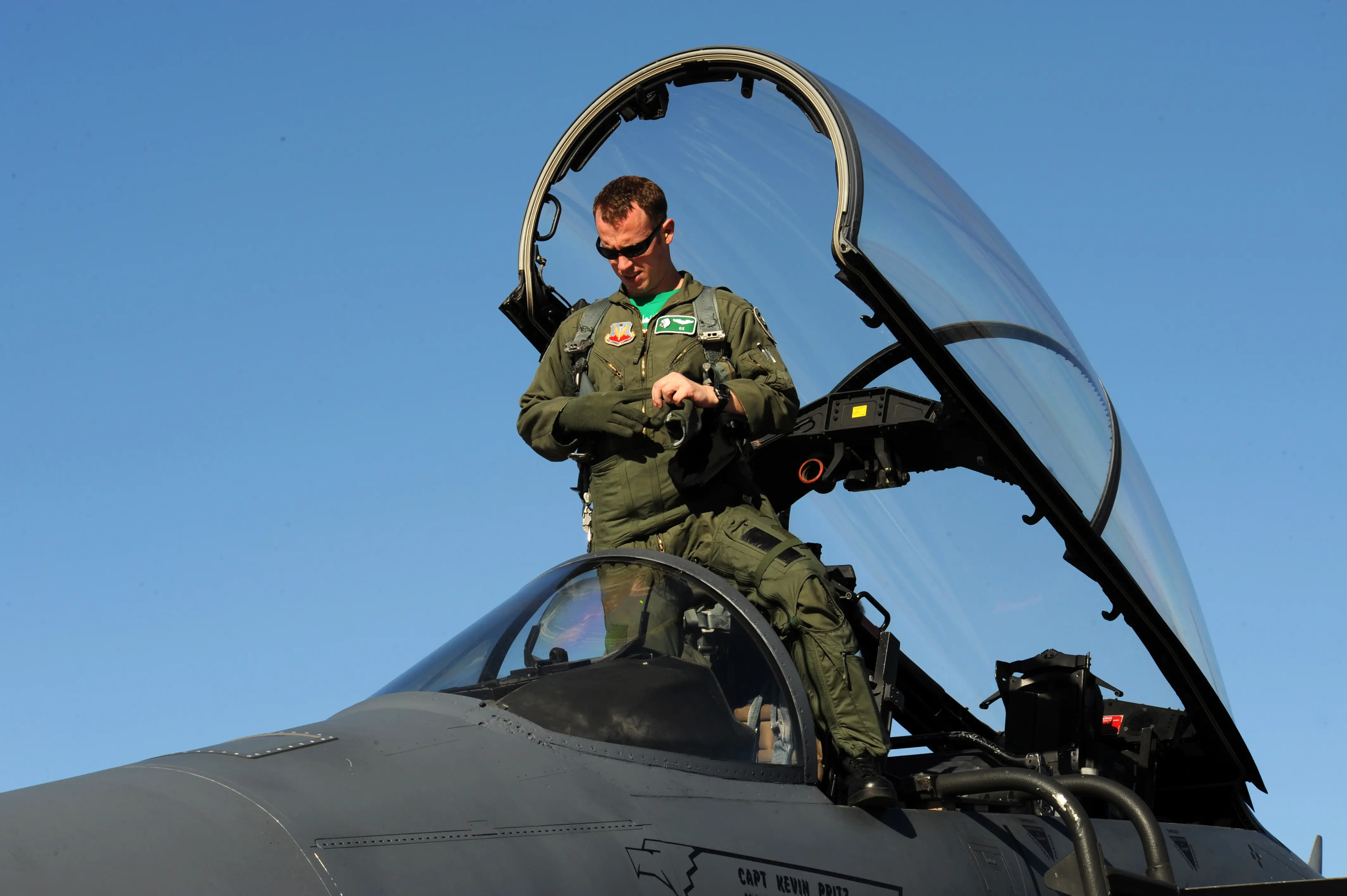
The 104-0 Aerial Myth
The broader F-15 Eagle family famously holds an undefeated 104-0 record in direct air-to-air dogfights. However, the F-15E variant operates primarily as a low-altitude ground-attack platform, repeatedly exposing it to heavy anti-aircraft artillery and advanced surface-to-air missiles.
Desert Storm Vulnerabilities
The Strike Eagle is incredibly durable, but it is not invincible to ground-based air defences. During Operation Desert Storm in 1991, the US Air Force lost two F-15E jets to Iraqi air defences while the crews were executing highly dangerous, low-altitude bombing runs.
The Lone Aerial Kill
Despite its heavy air-to-ground focus, the Strike Eagle does possess one highly unusual air-to-air victory. In February 1991, an F-15E dropped a 2,000-pound laser-guided bomb directly onto an airborne Iraqi Mi-24 helicopter, completely vaporising the target mid-flight.
Evading Russian-Made Radars
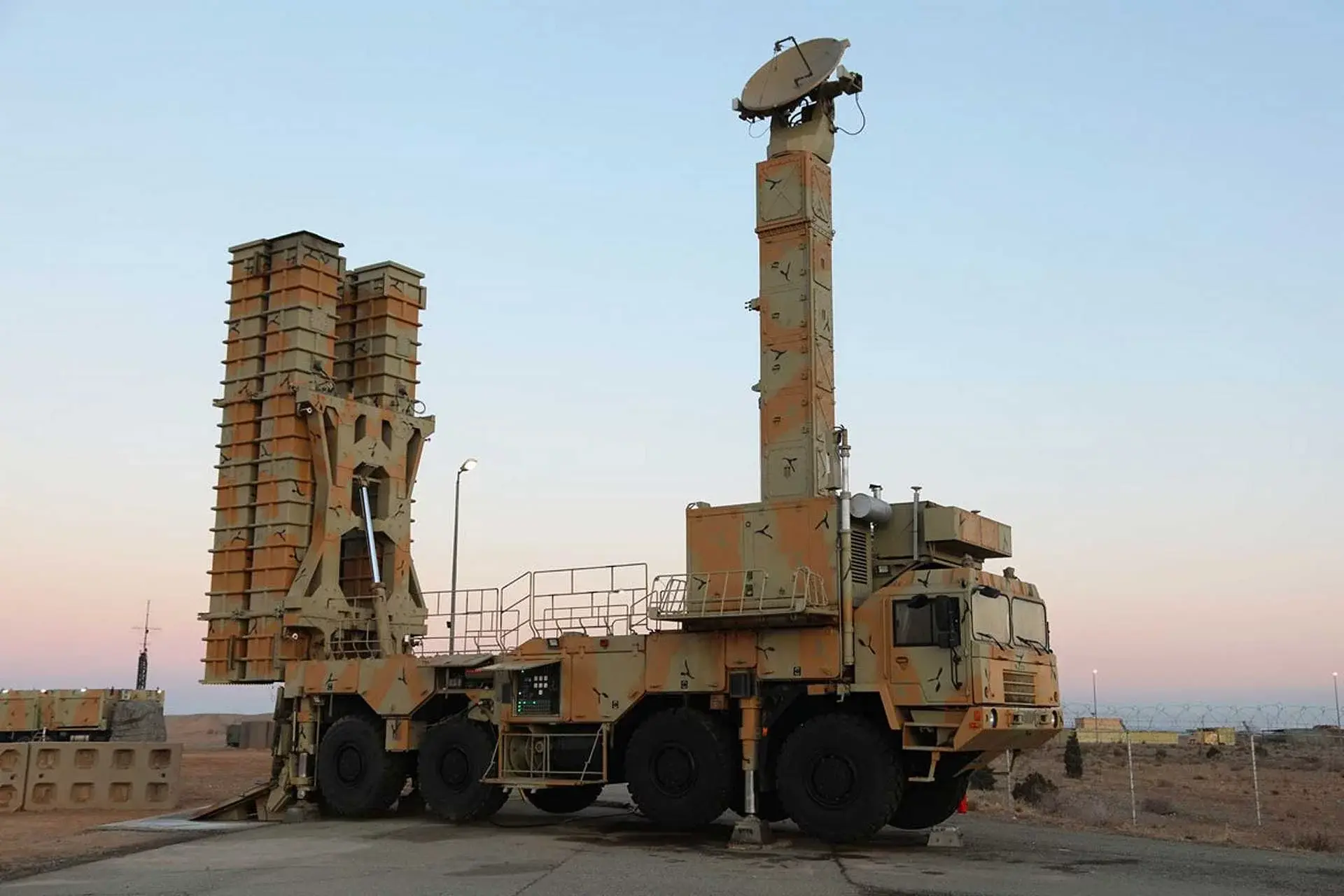
Iranian airspace is heavily defended by a dense, overlapping network of Russian-supplied S-300 and indigenous Bavar-373 radar systems. Unlike the fifth-generation F-35, the F-15E entirely lacks stealth technology, relying instead on extreme speed and powerful electronic jamming pods to survive.
The ACES II Escape
When a Strike Eagle is critically damaged by a missile impact, the two-person crew relies on the automated ACES II ejection system. This explosive sequence subjects the pilot and weapons system officer to nearly 20 Gs, launching them clear of the wreckage in just two seconds.
A Strategic Shockwave
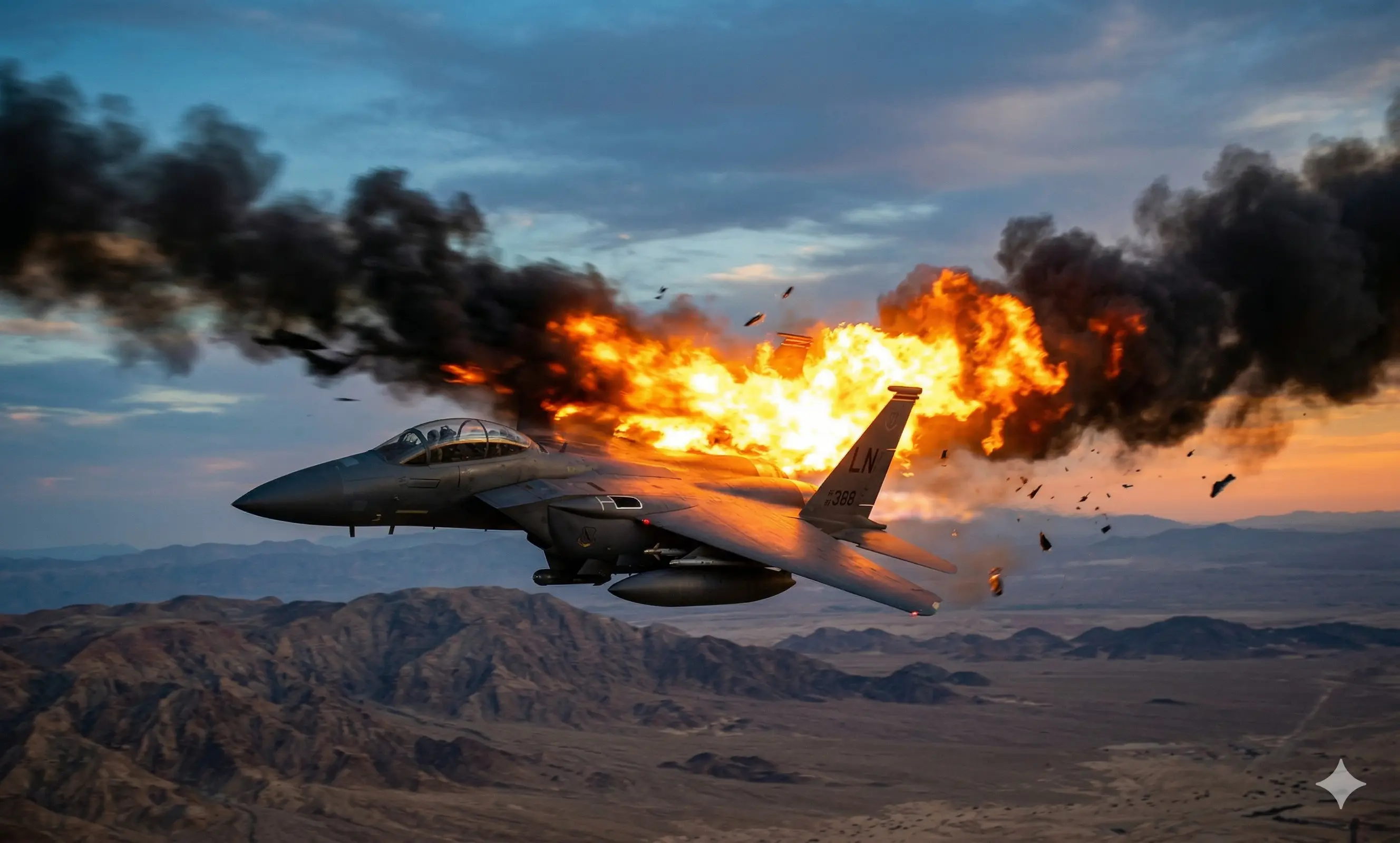
A confirmed shootdown over Iran would mark the first combat loss of an F-15E since Operation Iraqi Freedom in 2003. Recovering the downed crew and preventing highly classified US avionics from falling into Iranian hands now becomes the Pentagon's absolute highest priority.
)
)
)
)
)