Scientists to simulate 3I/ATLAS’s future route using AI-based orbit models

Scientists are using powerful AI-based models to simulate the future path of the interstellar comet 3I/ATLAS. AI models simulate 3I/ATLAS’s path from near the Sun to deep space. Real-time data keeps predictions sharp, ensuring safe monitoring and helping with future object tracking.
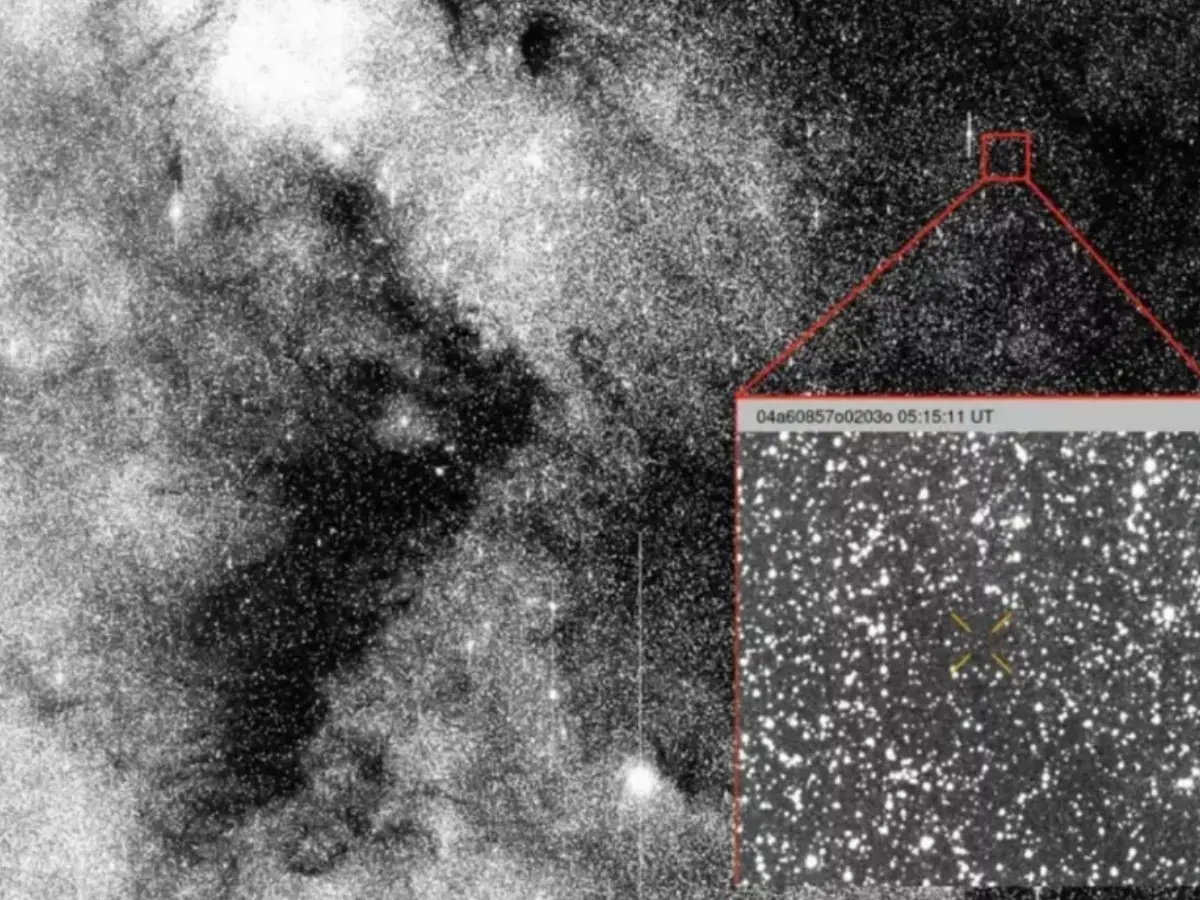
Why Predicting 3I/ATLAS’s Path Is Complex
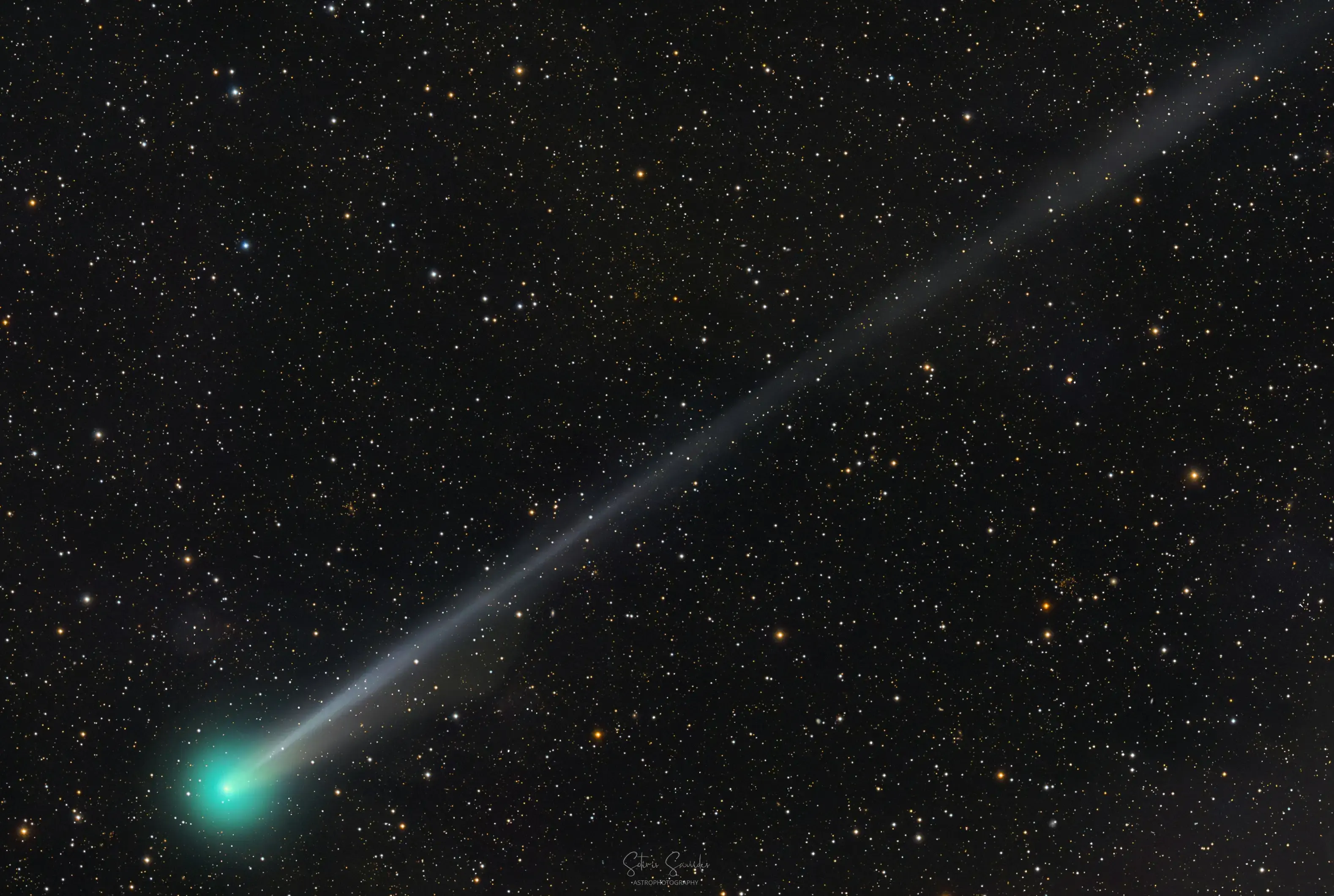
3I/ATLAS moves quickly on a hyperbolic trajectory, influenced not only by gravity but also by jets of gas and dust from its heated surface. These make its path change slightly and unpredictably.
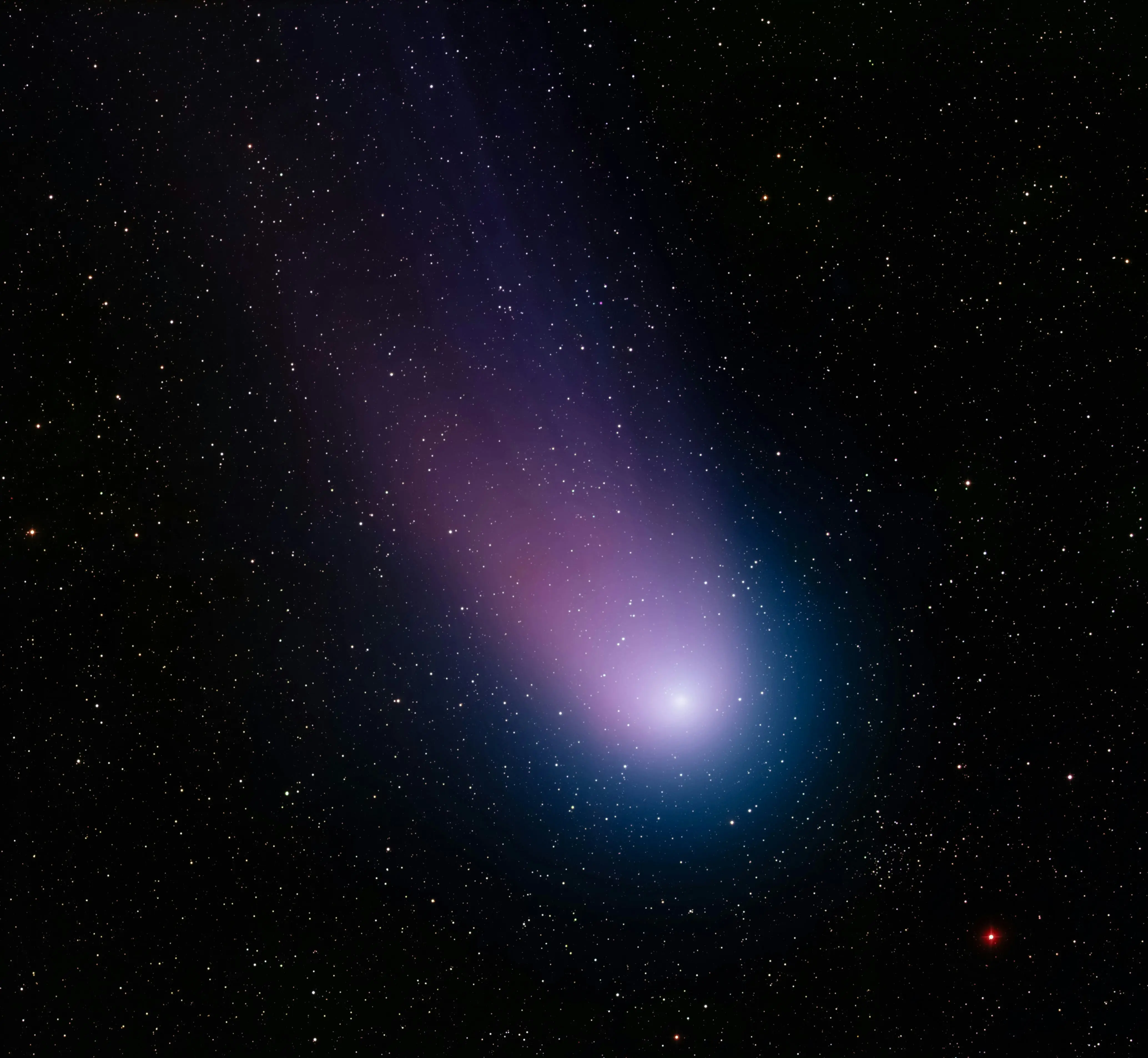
AI-Based Orbit Models Explained
AI systems analyse millions of possible paths using past and real-time data, incorporating physics, gravity from planets, and outgassing effects. This allows highly accurate future predictions of the comet’s movement through space.
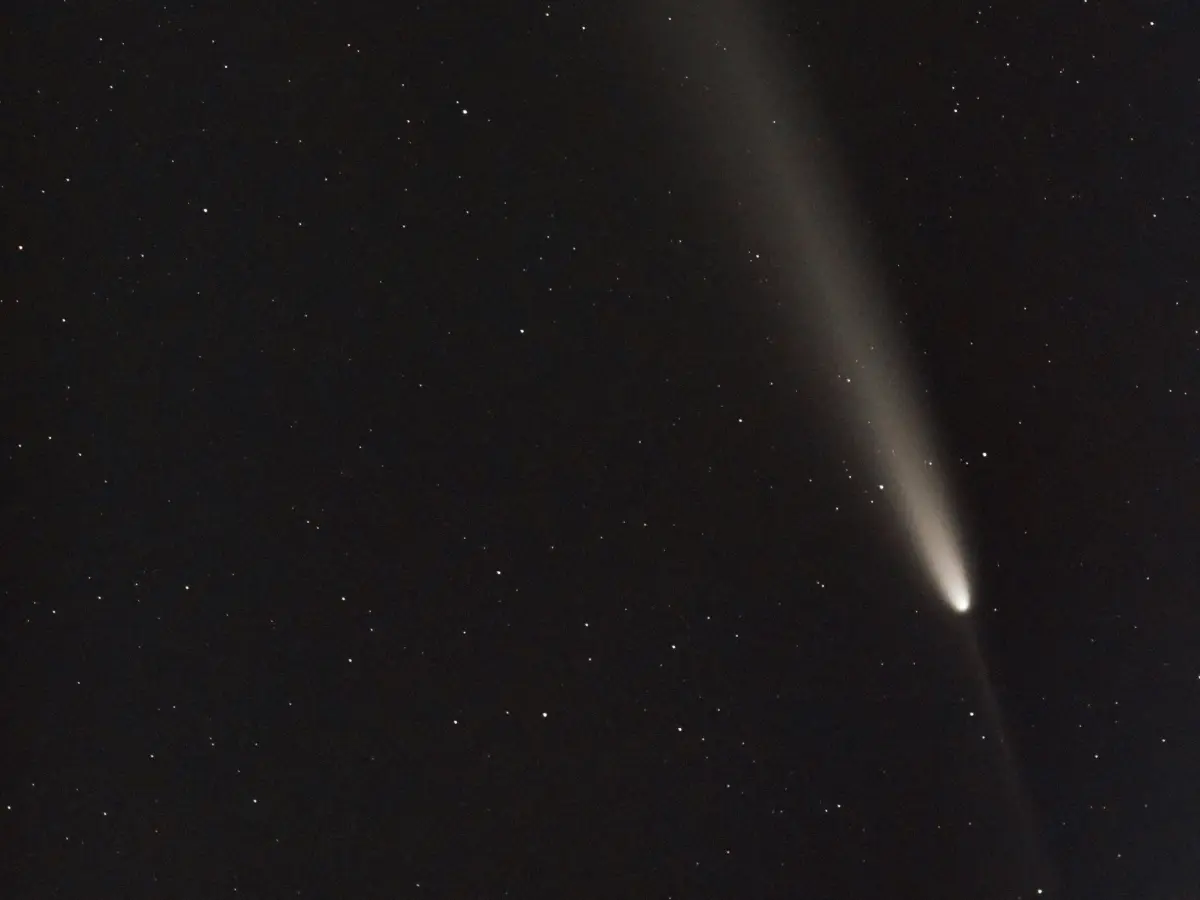
Data from Telescopes and Spacecraft
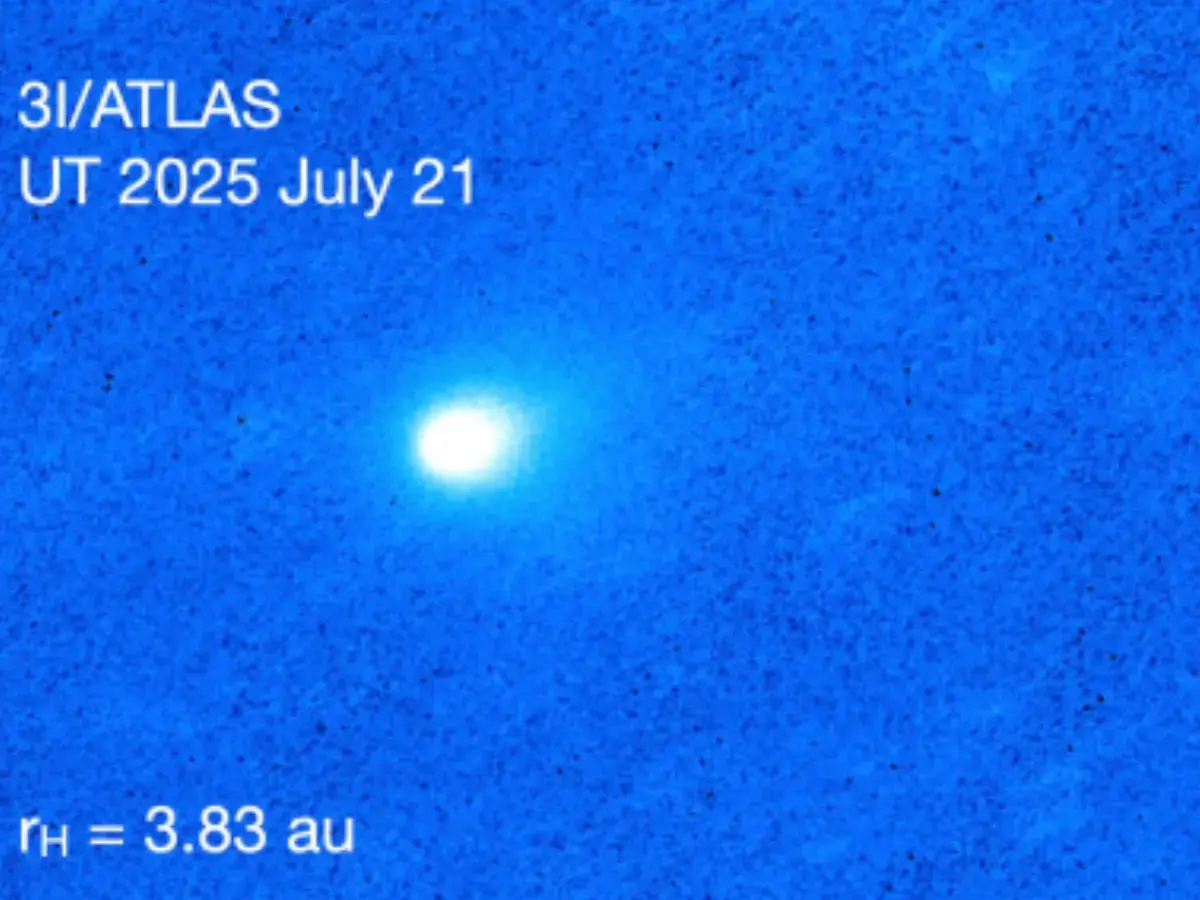
Global telescope networks and spacecraft like NASA’s Hubble and ESA’s ExoMars send continuous observations of 3I/ATLAS to update the AI models with fresh data.
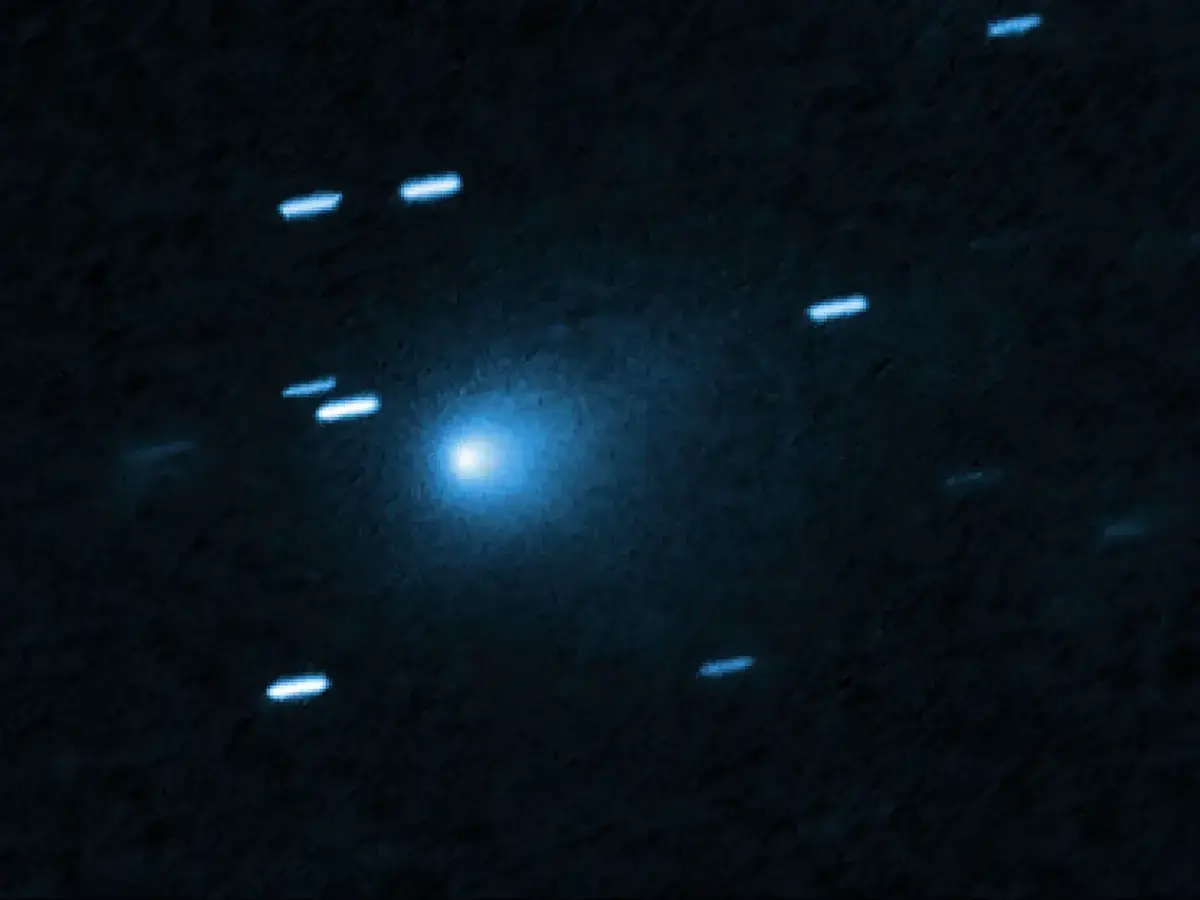
Real-Time Tracking and Adjustment
AI allows for quick adjustment of the comet’s predicted orbit as new information comes in, improving accuracy constantly and helping to anticipate any unexpected changes.
Predicting Safe Distances from Planets
According to AI simulations, 3I/ATLAS will pass safely near Mars, Venus, and Jupiter, but will maintain a large distance from Earth, posing no risk of collision.
Preparing for Future Interstellar Visitors
These AI-driven models provide practice and experience for future predictions of interstellar objects or near-Earth objects that might pose hazards.

The Intersection of AI and Space Science
Combining AI and astronomy not only enhances comet tracking but also opens the door for faster, smarter space exploration. Scientists gain more insight into cosmic objects and improve Earth’s safety.
)
)
)
)
)