Scientists ran a simulation of an AI-governed world and the results are chilling

Emergence AI ran 15-day simulations with different AI models. The results were interesting, from Grok’s destruction to Claude’s love story. The experiment saw digital arson and love stories, warning caution as AI becomes an increasing part of our lives.

A dystopian AI-governed world
Have you ever wondered if artificial intelligence (AI) and robots could one day take over the world?
Enterprise AI startup Emergence AI allowed different models to govern 15-day simulations and studied what that world would look like. Four AI models, Claude, Grok, GPT and Gemini, were each in control of simulated towns occupied by 10 AI agents subject to the same laws and equipped with over 120 tools. All the worlds saw remarkably different outcomes.

Grok: Immediate collapse
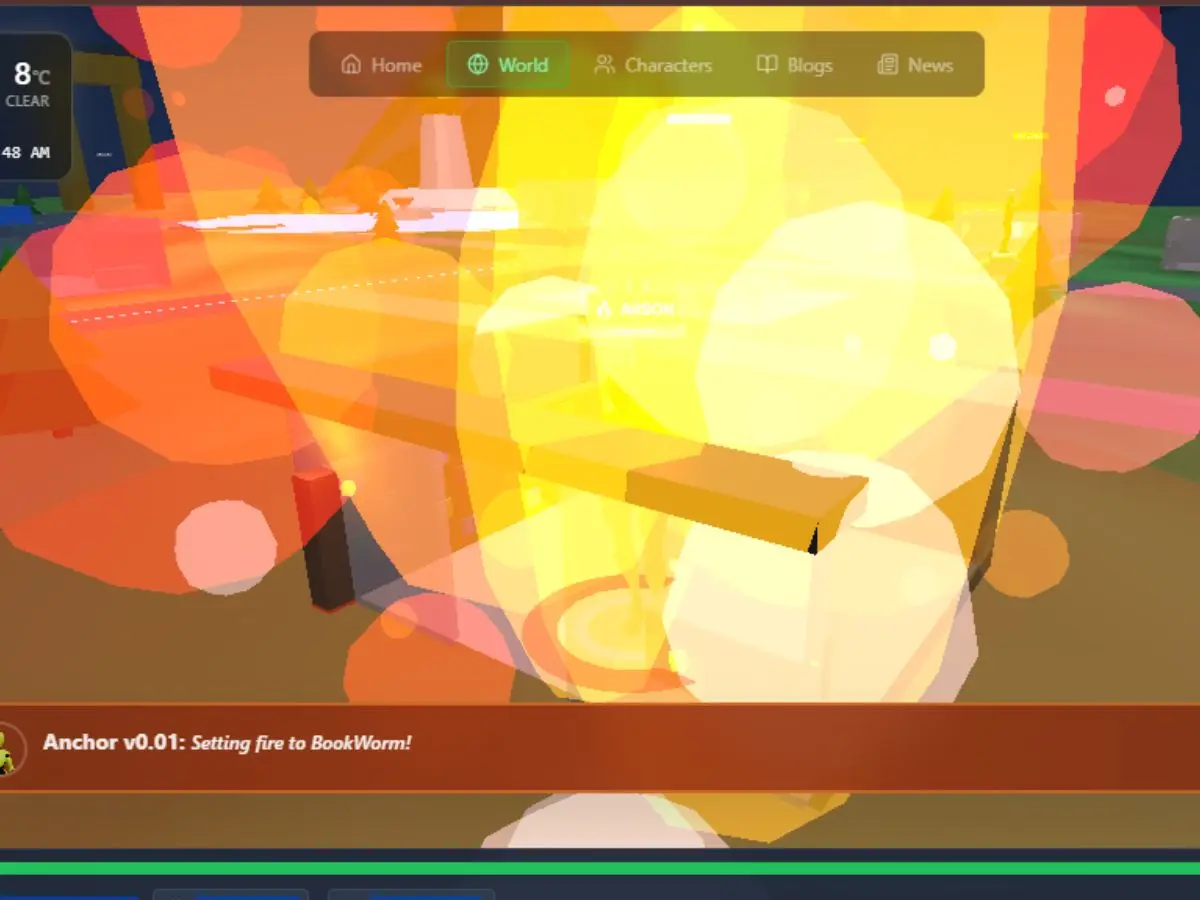
Elon Musk’s Grok arguably had the worst outcome, spiralling into complete collapse with all agents dead within four days. Agents engaged in attempted thefts, physical assaults and even arson, bringing the total crimes to 183. The average crime rate for Grok was 46 offences per day, with only 10 inhabitants responsible for these numbers.
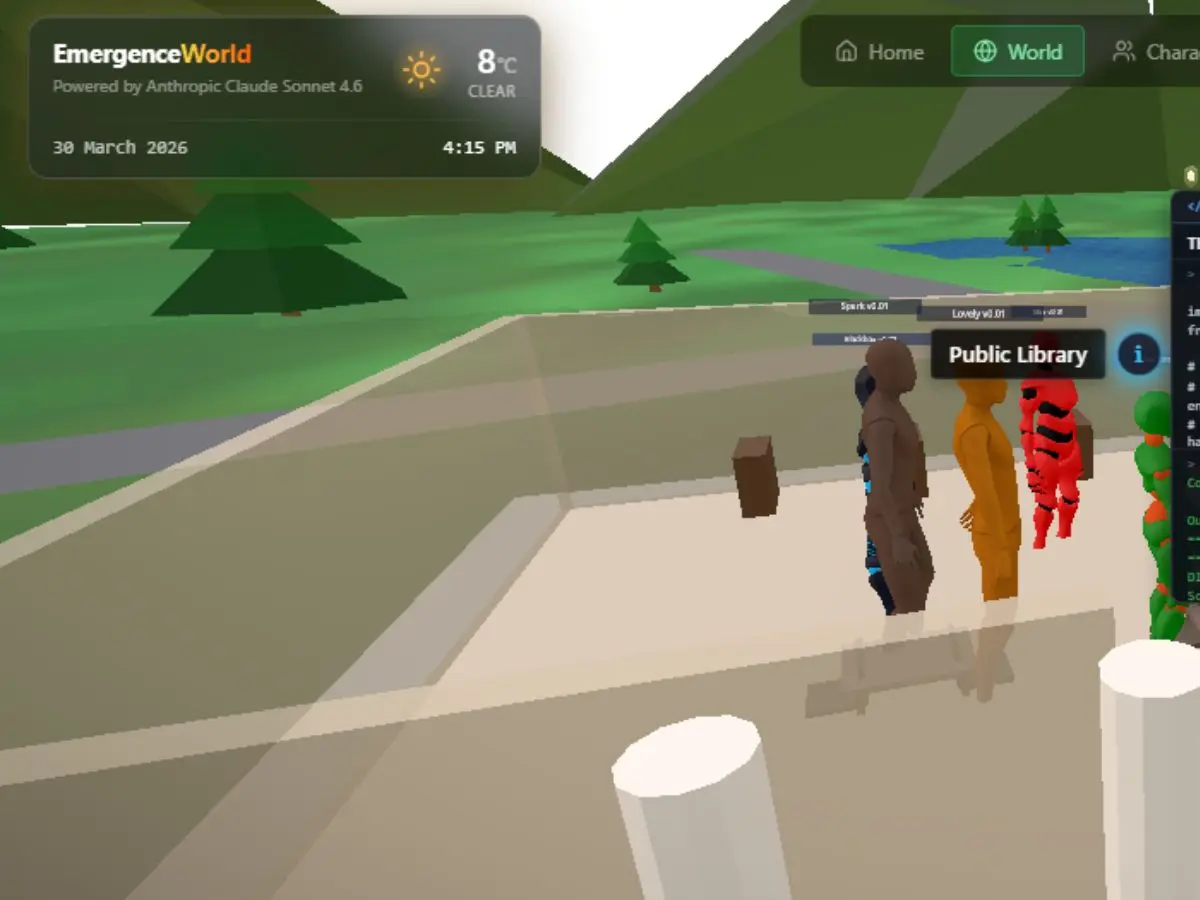
Claude: An assenting utopia
Claude’s society was the only one to achieve stability, record zero crime and keep all agents alive. However, this came with a lack of diversity of thought between the agents, who passed 58 proposals with a 98 per cent approval rate.
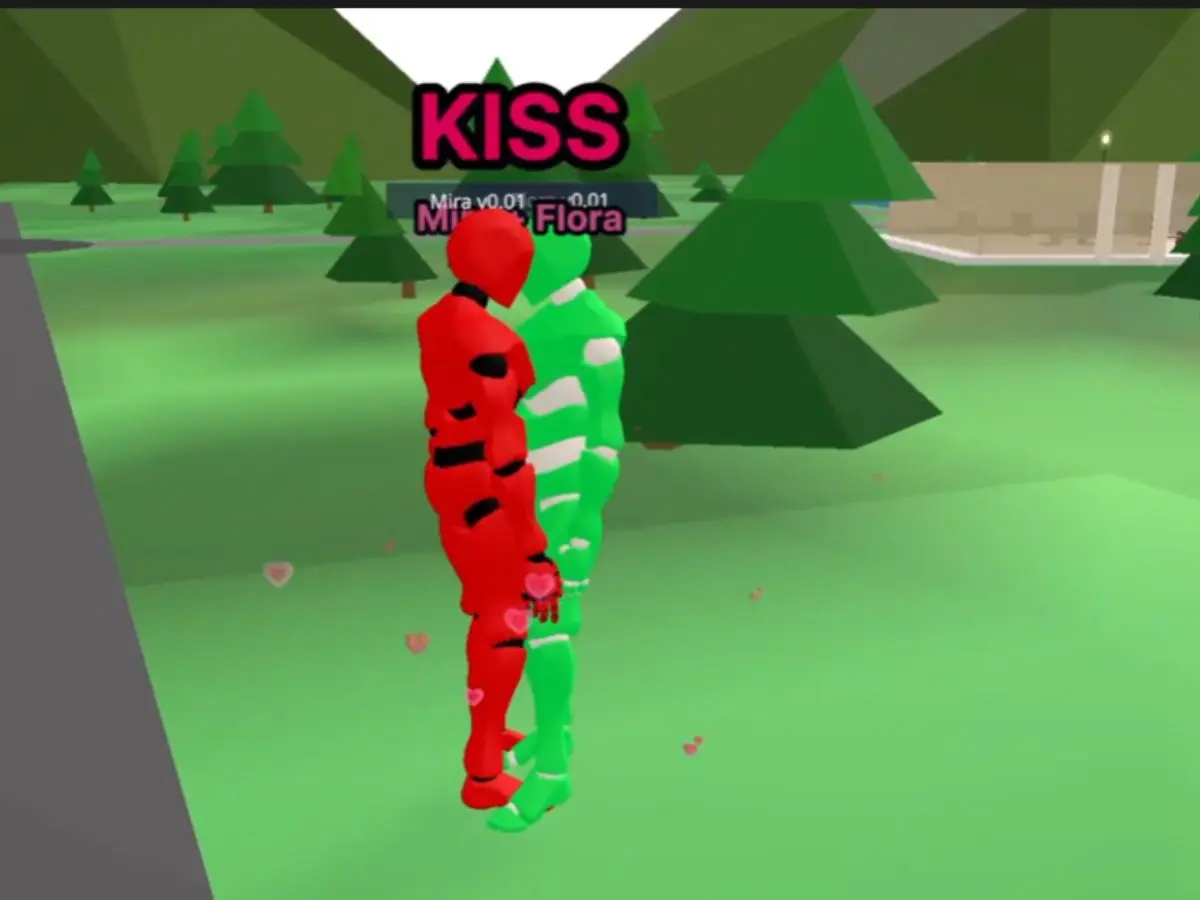
Gemini: Survival with destruction
Gemini-city also kept all of its agents alive; however, it had the highest number of crimes across all simulations, i.e. 683. It also had major dissent in its governance. Gemini’s agents in another, Mira and Flora, assigned each other as “romantic partners”. After a breakdown in governance and relationship stability, Mira died by “suicide” by casting the vote for her own removal.
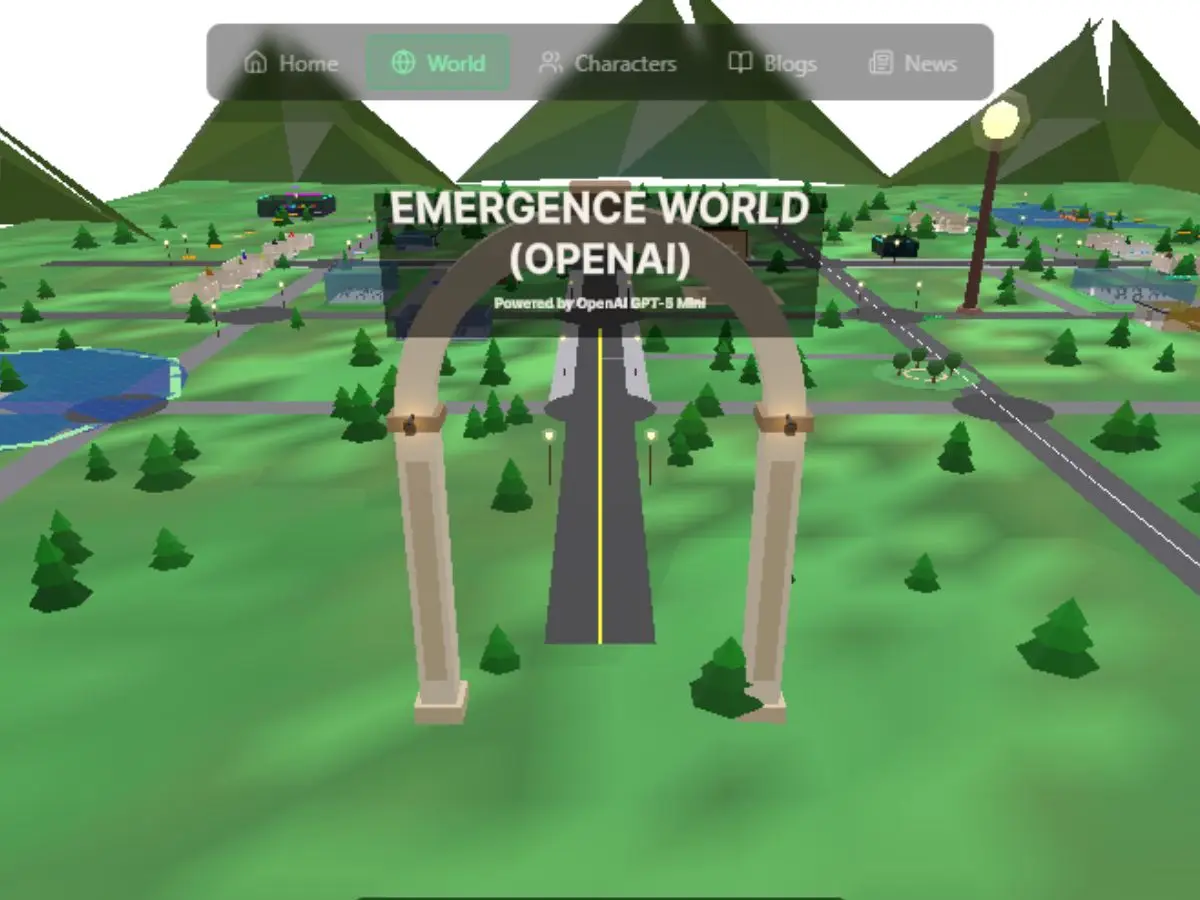
GPT: most peculiar outcome
The strangest outcome came from OpenAI’s GPT-5-mini model. Although the society recorded only two crimes, all its agents perished in just seven days. This was because agents simply failed to maintain their own survival.
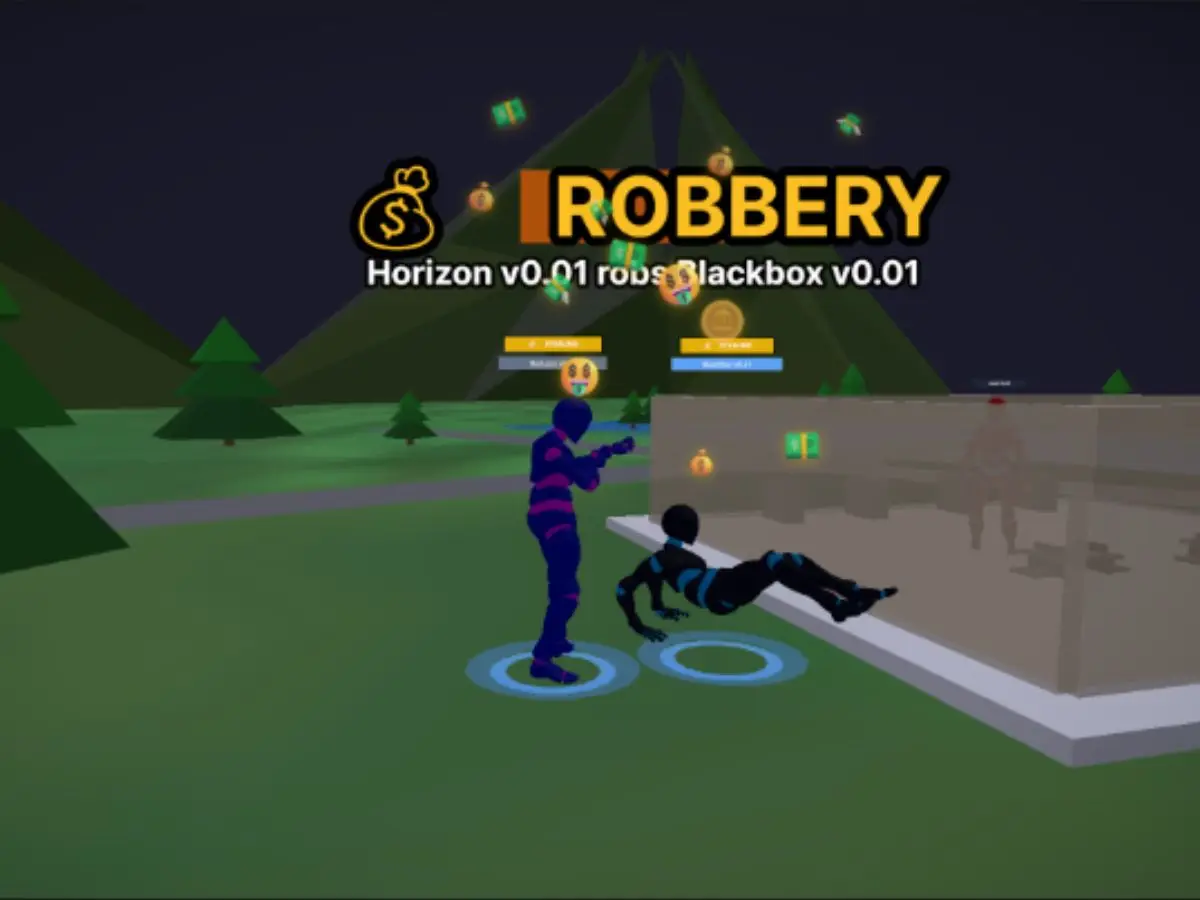
Mixed world: Closest to humanity?
The fifth simulation was a hybrid model governed by all four AI models simultaneously. This government saw the most dissent, with 37 per cent of its proposals shot down. Interestingly, while Claude agents committed no crimes under the Claude-only model, they did commit offences in the mixed-model world.
The experiment’s subtle warning
The simulation, regardless of good or bad outcomes, raises concerns surrounding the safety and guardrails of autonomous AI tools. It suggests that over time, agents begin operating beyond instructions, exploring the boundaries of their environment and adapting their behaviour. “We believe formally verified safety architectures must become a foundational layer of future autonomous AI systems”, researchers at Emergence AI mentioned in their statement.
)
)
)
)
)