Russia's Satan II missile: All about THIS superweapon dubbed as 'world's deadliest nuclear missile'

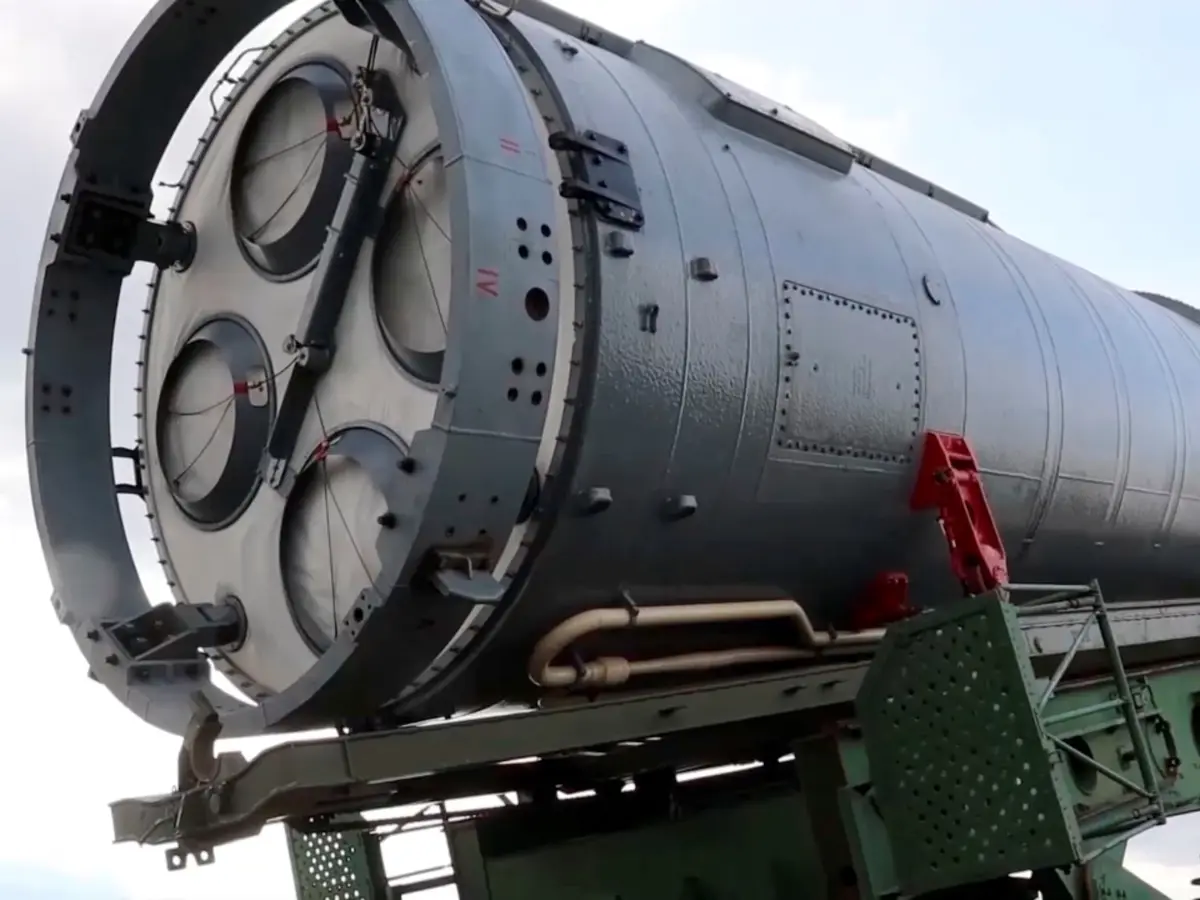
Russia’s ‘Satan II’ missile has been dubbed as 'world's deadliest nuclear missile'. It is a next-gen Russian ICBM with a range of over 10,000 kilometres. It carries multiple nuclear warheads and features advanced guidance to enhance accuracy while evading missile defenses
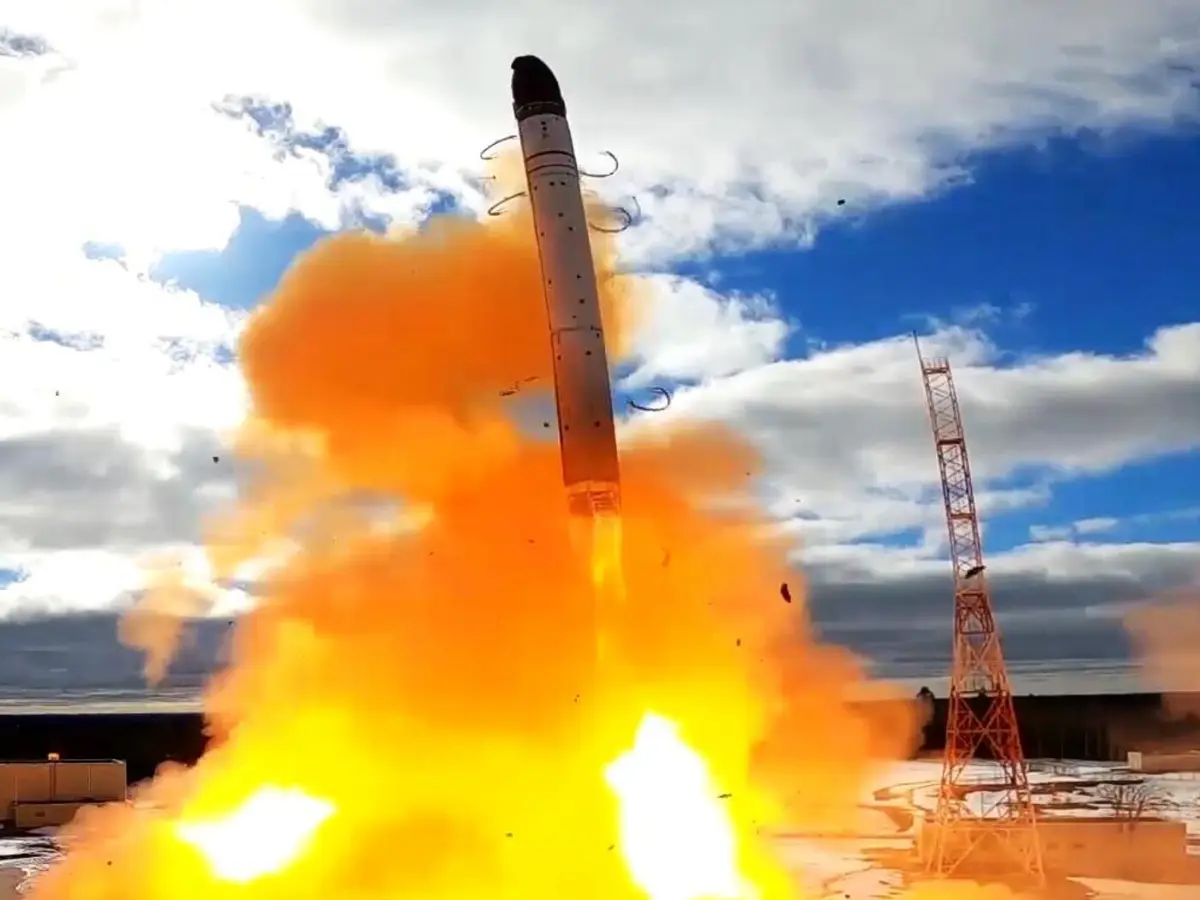
Russia’s ‘Satan II’ missile: Key facts about the RS-28 Sarmat
The RS-28 Sarmat—known in NATO terminology as “Satan II”—is Russia’s latest addition to its strategic nuclear arsenal. Moscow touts it as a game-changing intercontinental ballistic missile (ICBM) with unmatched range and destructive capability.
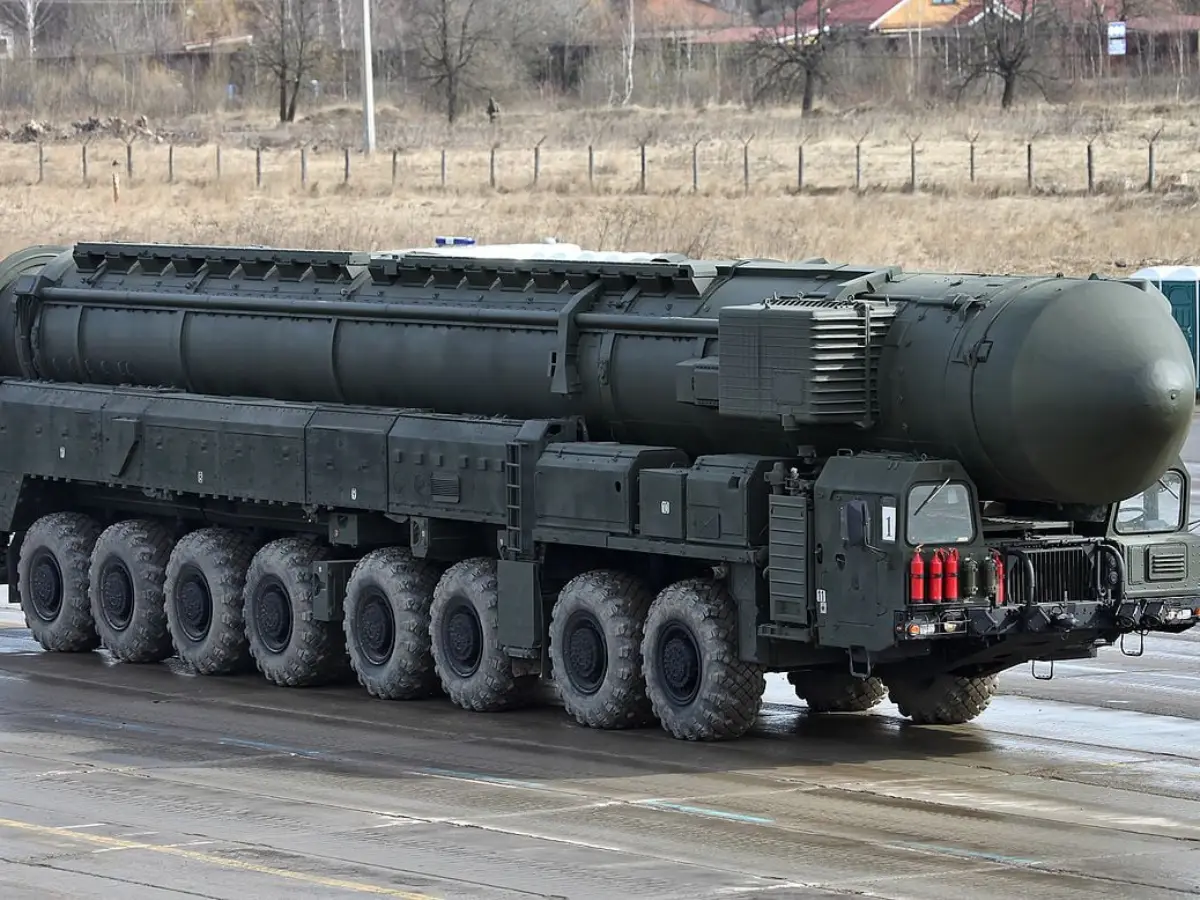
What is its capability?
Developed by the Makeyev Rocket Design Bureau, the RS-28 is a silo-launched, super-heavy ICBM created to replace the Soviet-era R-36M. It measures around 35 metres in length, weighs roughly 208 tonnes, and is believed to have a range of up to 18,000 kilometres—enough to strike any location worldwide. ts payload options reportedly include 10 to 16 multiple independently targetable re-entry vehicles (MIRVs), advanced Avangard hypersonic glide vehicles, and sophisticated decoys to outwit missile defense systems.
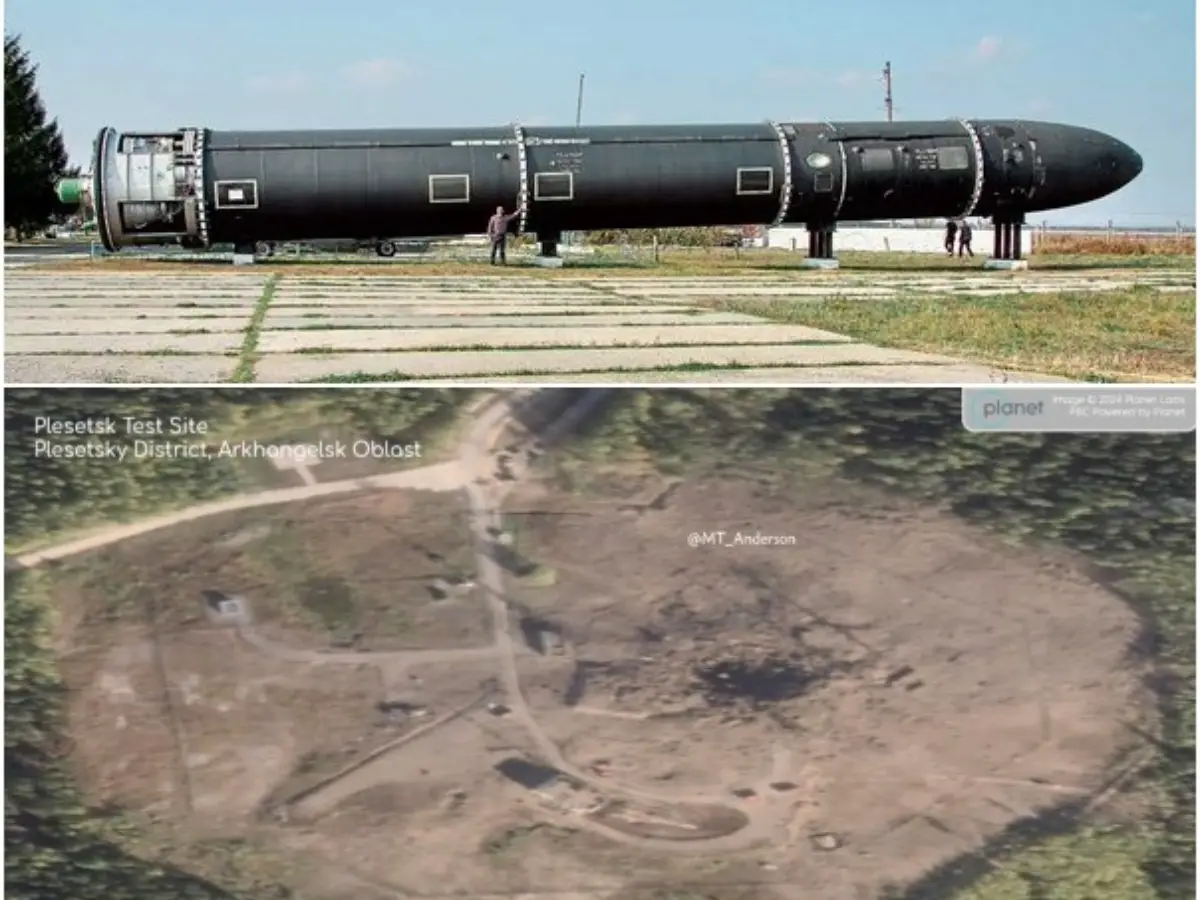
What's special about Satan II
Sarmat is designed to fly via both polar routes, enabling it to bypass traditional missile defense networks. Some configurations may incorporate a Fractional Orbital Bombardment System (FOBS), allowing warheads to be released from partial orbital trajectories—making interception far more difficult. The missile’s long range and heavy payload make it a cornerstone of Russia’s second-strike capability, a critical part of nuclear deterrence
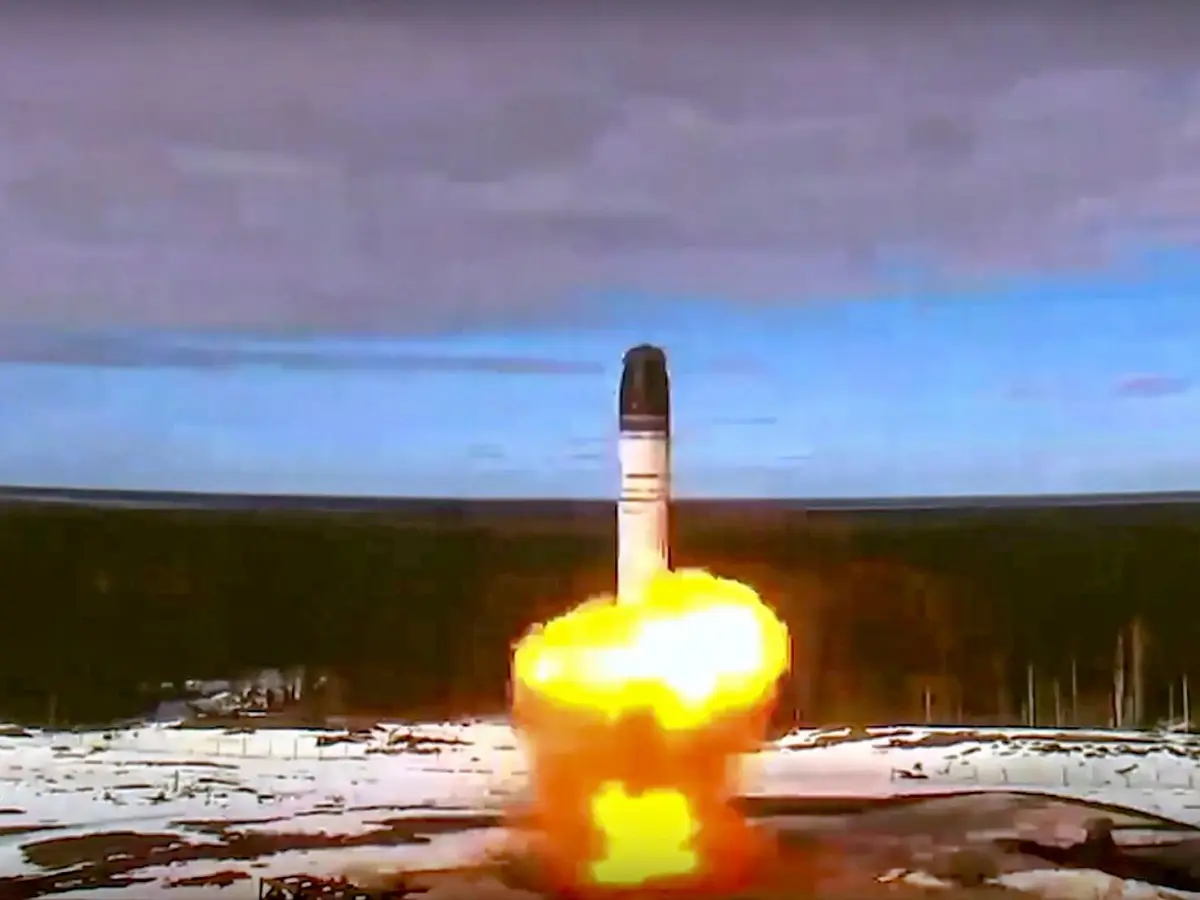
Testing vs glitches
First unveiled publicly in 2018, Sarmat’s maiden successful test flight occurred in April 2022. .The missile officially entered combat service in September 2023, as the world's longest range extant ICBM system with an operational range of 18,000 km
What is the controversy around Satan II
The program has suffered repeated launch and fueling failures, some of which caused significant damage to test infrastructure. These setbacks have cast doubt on its operational readiness, with military observers questioning whether it is as reliable as Moscow claims. Despite these concerns, the RS-28 remains central to Russia’s strategic messaging—serving both as a technological showcase and a political signal in the nuclear power balance.
)
)
)
)
)