Russia’s 6 deadliest submarines in service today

These submarines are designed for quiet operation and long-duration patrols, ensuring that Russia can deliver a retaliatory strike even in the event of a nuclear first strike.
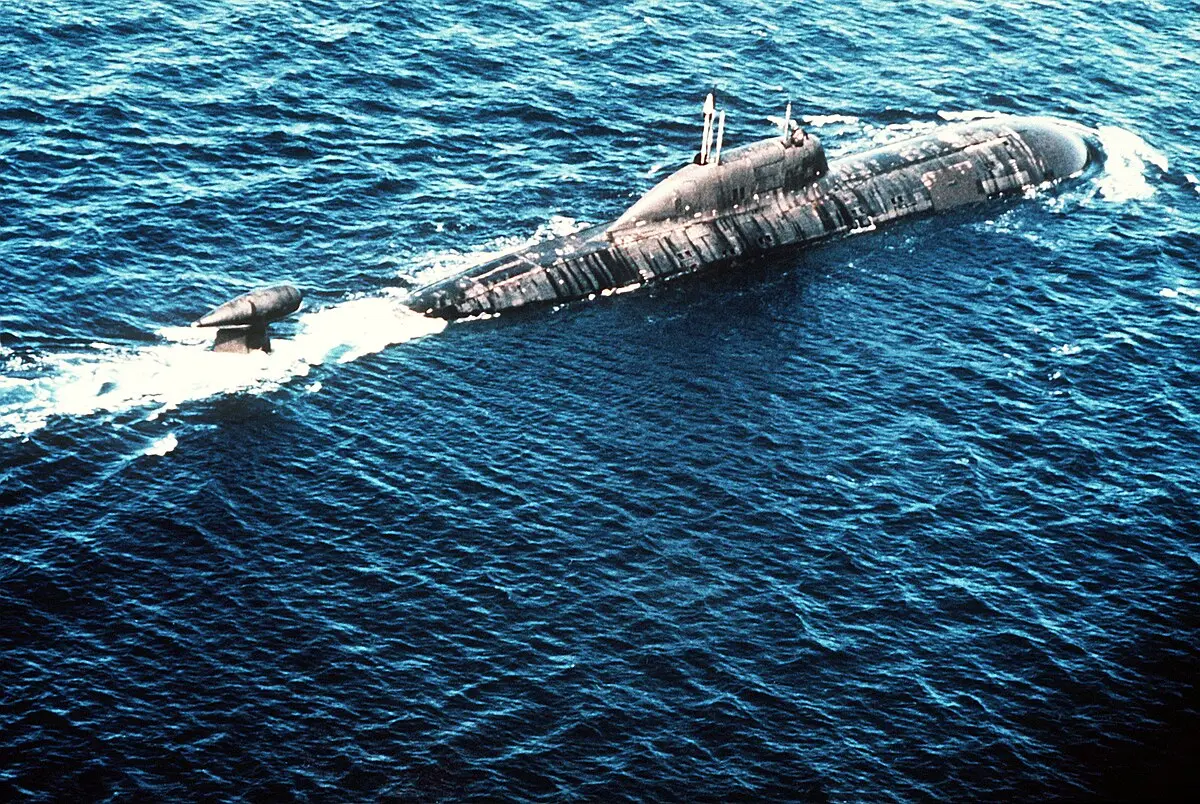
Introduction: Why submarines still matter
Russia’s submarine fleet remains the backbone of its naval power, a blend of Cold War engineering and modern nuclear innovation. The country recently launched its newest nuclear-powered submarine, Khabarovsk, designed to carry the Poseidon nuclear-powered underwater drone, often described as a “doomsday weapon” for its potential to unleash massive undersea strikes. This launch shows Moscow’s commitment to strengthening its strategic deterrent beneath the waves. From legacy giants to new-generation stealth platforms, Russia’s undersea fleet continues to evolve, combining endurance, firepower, and stealth. Below are the six submarine types regarded as the most powerful and operationally significant in the Russian Navy today.
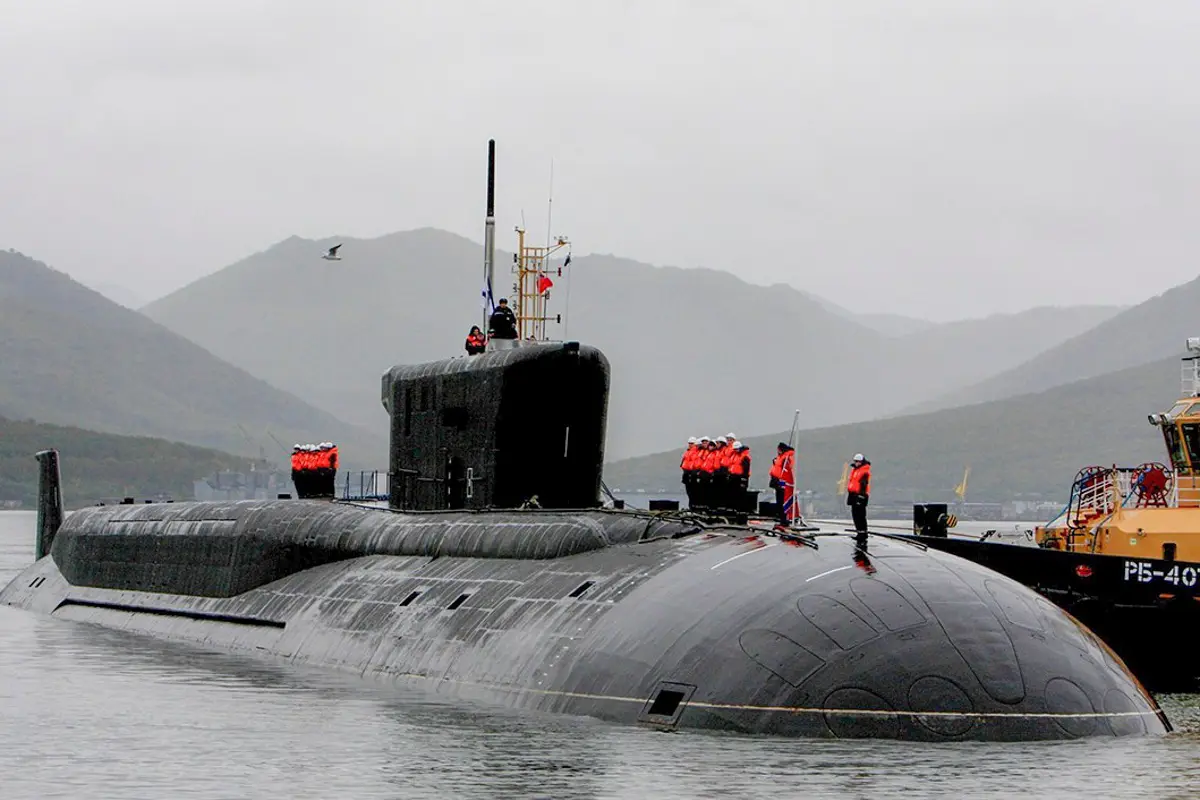
Borei class: The strategic deterrent
The Borei class (Project 955 and the improved 955A Borei-A) forms the backbone of Russia’s sea-based nuclear deterrent. Each carries up to sixteen RSM-56 Bulava submarine-launched ballistic missiles, capable of striking intercontinental targets. These submarines are designed for quiet operation and long-duration patrols, ensuring that Russia can deliver a retaliatory strike even in the event of a nuclear first strike. The Borei fleet represents Russia’s shift towards more compact, efficient, and stealthy SSBNs after the Cold War era.
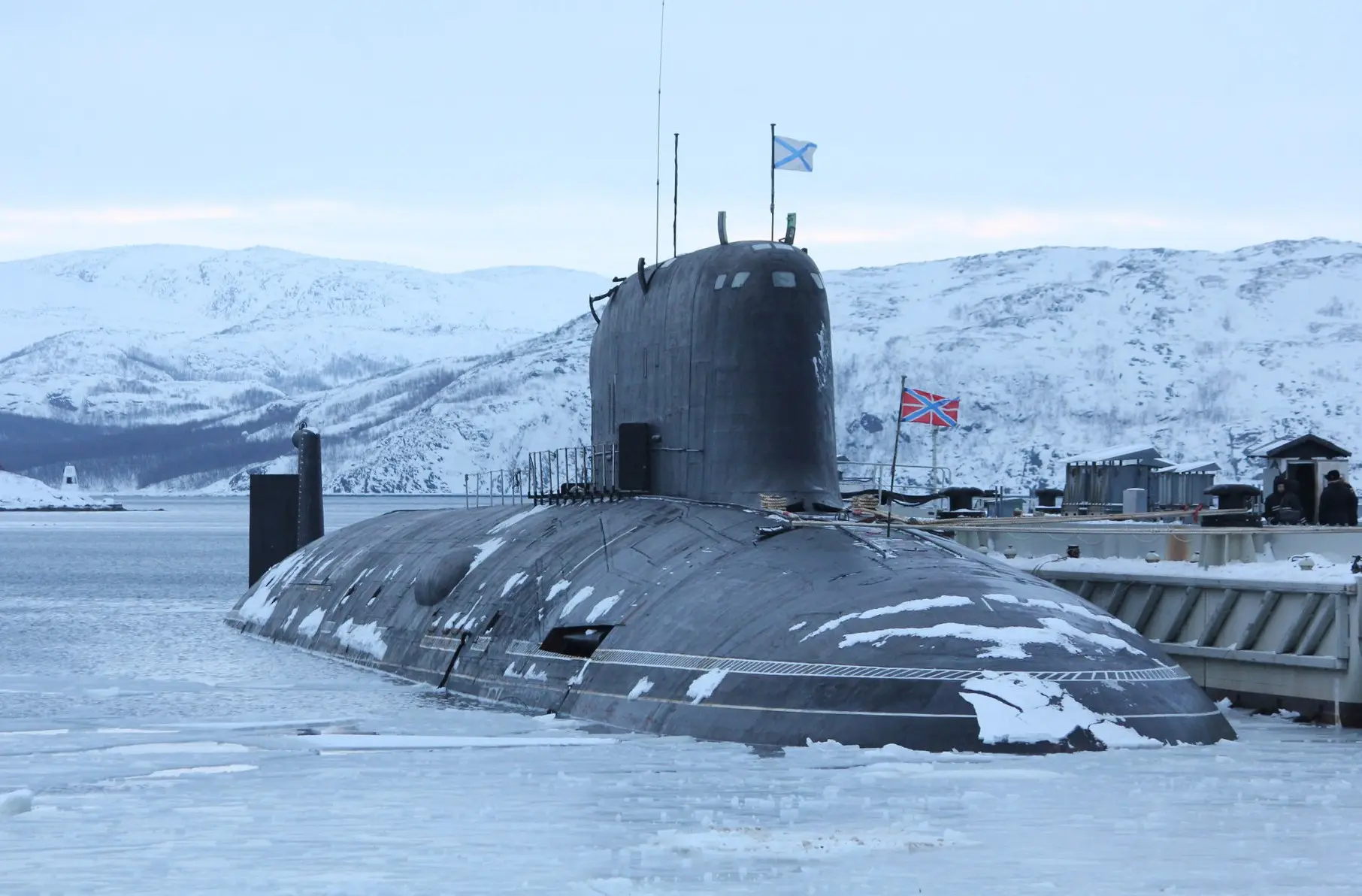
Yasen class: The multi-role hunter
The Yasen class (Project 885 and 885M) represents Russia’s most advanced nuclear-powered attack and cruise-missile submarines. They are designed to engage enemy submarines, surface ships, and land targets with equal effectiveness. Each vessel is equipped with vertical launch systems capable of firing Kalibr, Oniks, and the hypersonic Tsirkon cruise missiles. With advanced sensors, reduced acoustic signatures, and deep-diving capability, the Yasen class is often compared to the US Navy’s Virginia-class submarines for its versatility and lethality.
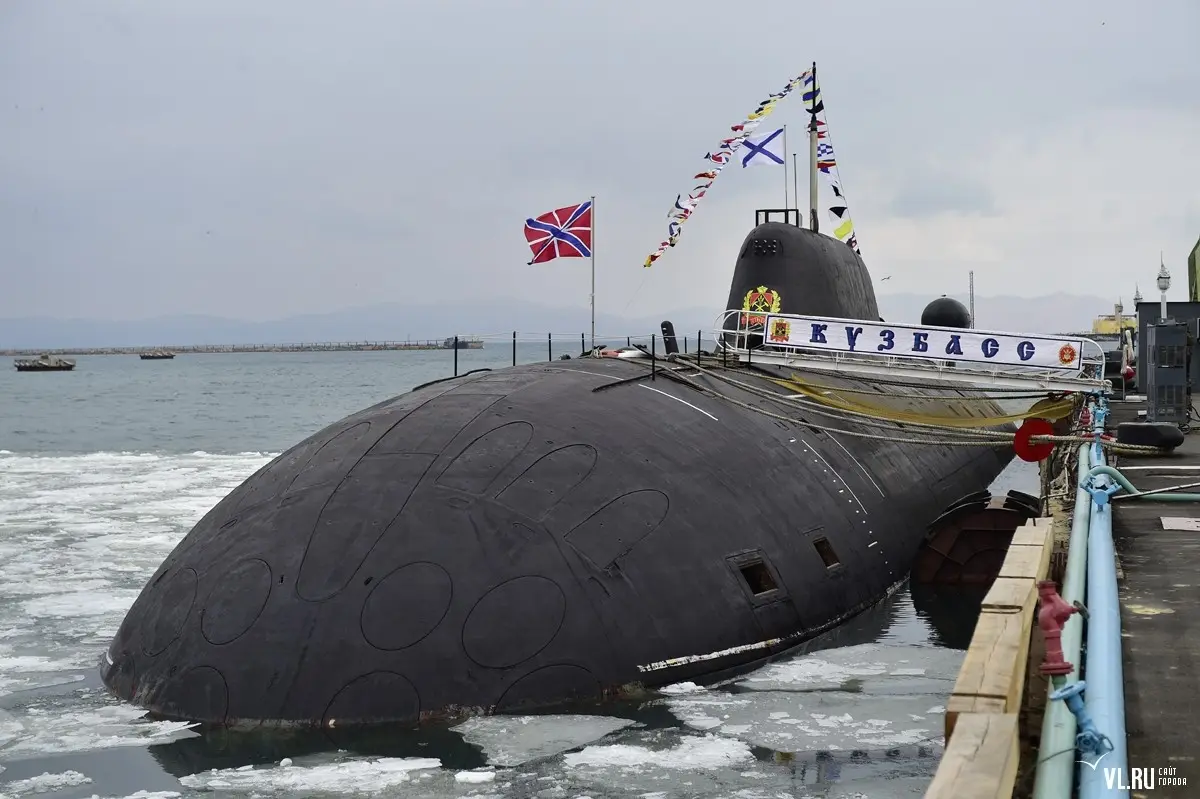
Akula class: The Cold War workhorse
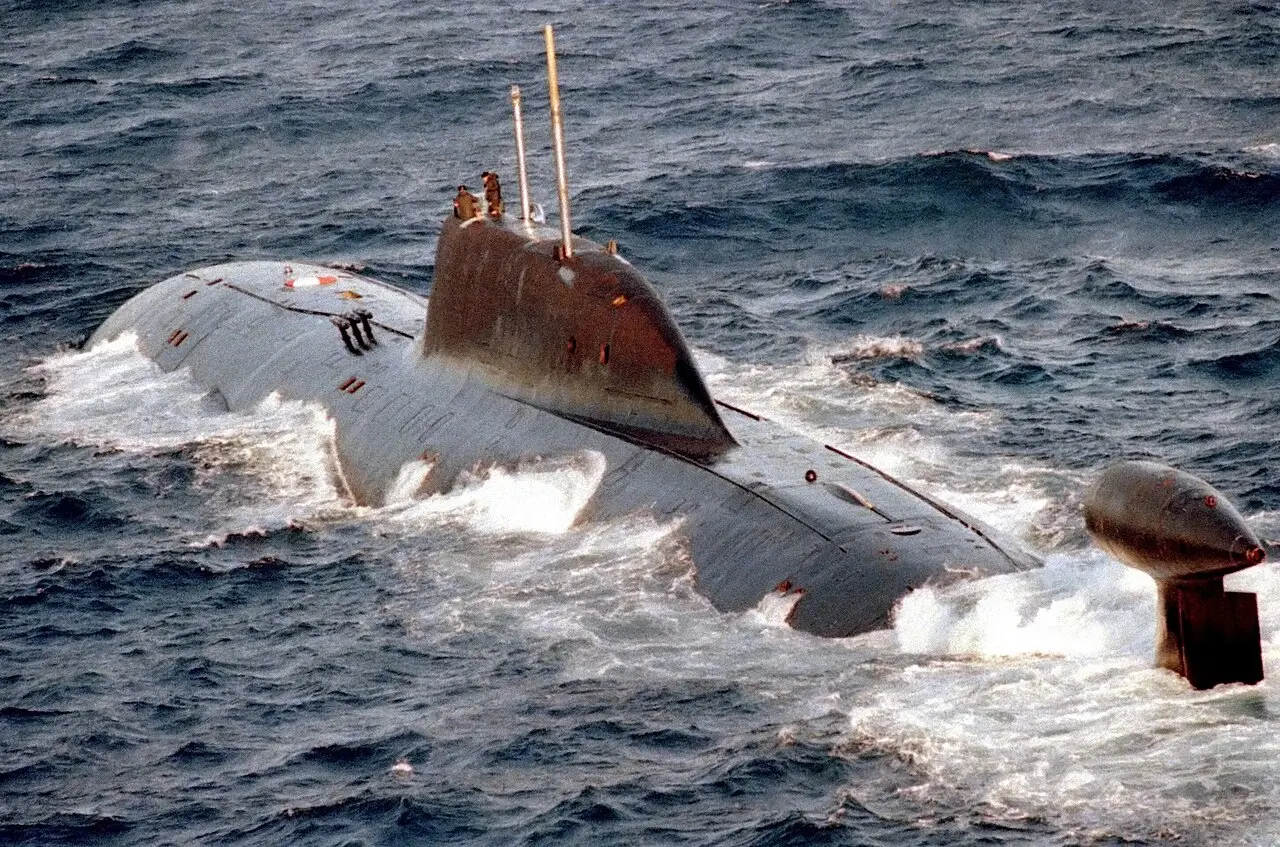
The Akula class (Project 971) remains a core element of Russia’s nuclear-powered attack submarine fleet. Though introduced in the late 1980s, several Akulas have undergone modernisation to extend their service life and upgrade their weapons and sensor suites. They are designed for anti-submarine and anti-surface warfare, carrying torpedoes and cruise missiles. The Akulas’ speed, depth capability, and endurance still make them formidable opponents in the undersea domain.
Oscar II class: The cruise-missile giant
The Oscar II class (Project 949A) is among the largest attack submarines ever built. Originally designed to target aircraft carrier groups, they carry up to 24 P-700 Granit or newer Oniks and Kalibr missiles. Despite their size, Oscar IIs remain relevant due to their heavy missile payloads and long-range strike capability. Some units are being upgraded under the Oscar IIM programme to accommodate modern missile systems and improved electronics.
Kilo and Improved Kilo class: Silent coastal hunters
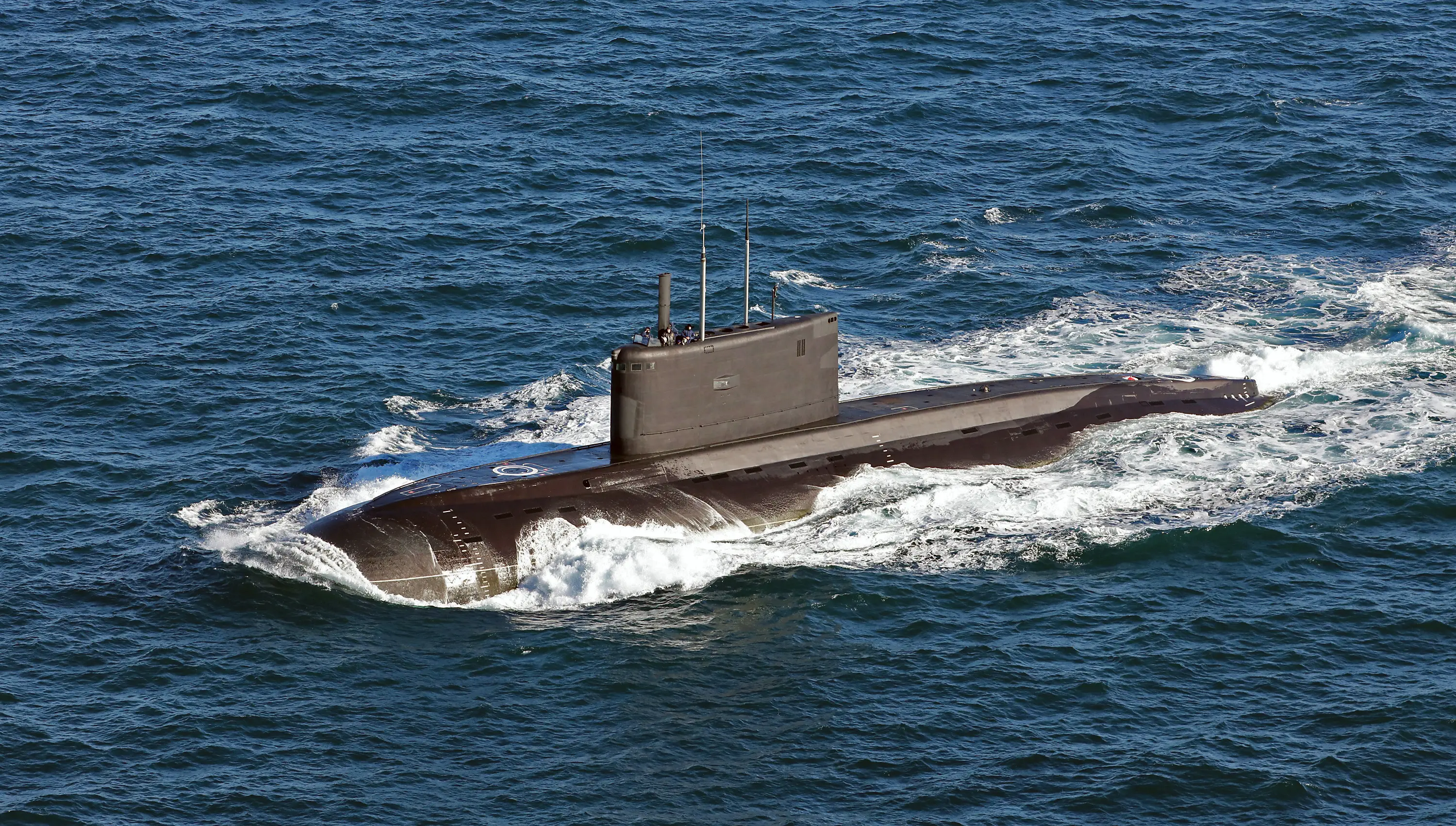
The diesel-electric Kilo class (Project 877) and its successor, the Improved Kilo (Project 636.3), are often described as some of the quietest conventional submarines in the world. Designed for coastal defence and anti-ship missions, they are armed with torpedoes and Kalibr cruise missiles capable of land attack. Operating primarily in the Black Sea and Pacific fleets, Kilo-class submarines combine low noise levels with effective strike capability, making them vital for regional deterrence.
The legacy and future of Russian undersea power
The Typhoon-class giants of the Cold War have long been retired, but their legacy endures in today’s more efficient and versatile submarine designs. Russia’s modern fleet, led by Borei and Yasen classes, reflects a strategic balance between deterrence, endurance, and strike capability.
)
)
)
)
)