Reusable, microwave-powered, drone-killer: What is Lockheed Martin’s MORFIUS weapon?

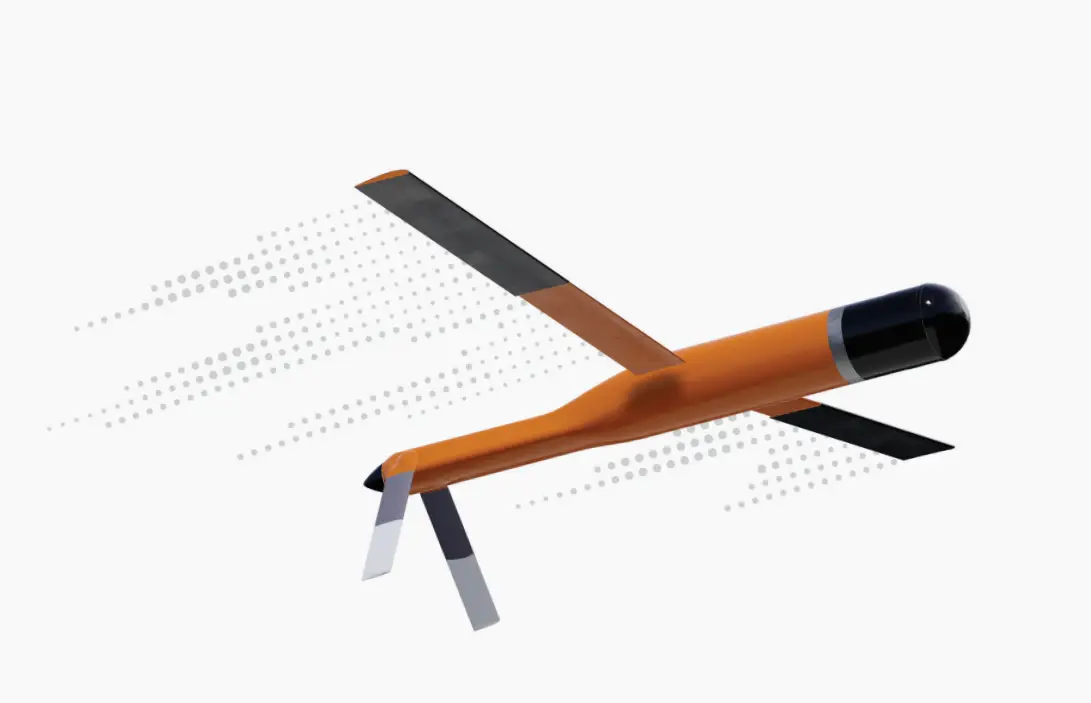
MORFIUS is a reusable, tube-launched interceptor equipped with a compact airborne HPM effector and onboard seeker.

A New Response to Drone Swarms
In recent years the proliferation of small unmanned aerial vehicles (UAVs) and coordinated drone swarms has posed a unique threat to military forces. Traditional interceptors and kinetic weapons struggle to deal with rapidly evolving formations of inexpensive drones without exhausting ammunition or risking collateral damage. To address this, Lockheed Martin has developed MORFIUS, which is an airborne high-power microwave (HPM) system designed to defeat multiple drones and swarms with non-kinetic directed energy.
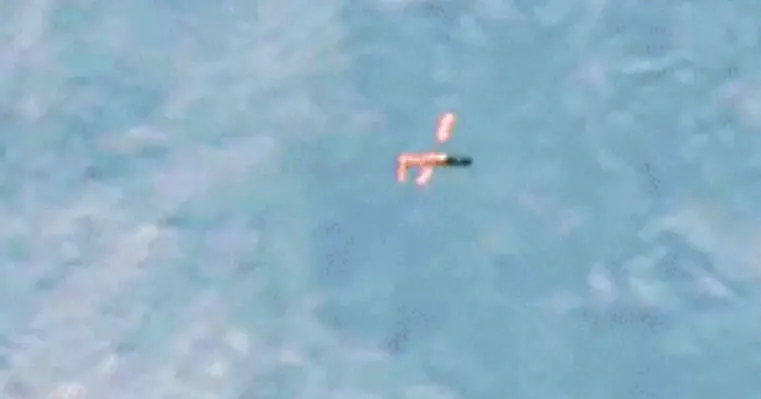
What MORFIUS Is and Why It Matters
The programme is being tested and evaluated by the US Army and other Department of Defense (DoD) components as a potential counter-drone solution. It is a compact airborne Counter-Unmanned Aerial System (C-UAS) interceptor that has been built to engage and defeat small unmanned systems using directed energy rather than traditional kinetic munitions. It integrates a high-power microwave effector and an onboard seeker into a loitering, tube-launched platform capable of flying out to the threat and disabling drone electronics mid-flight.
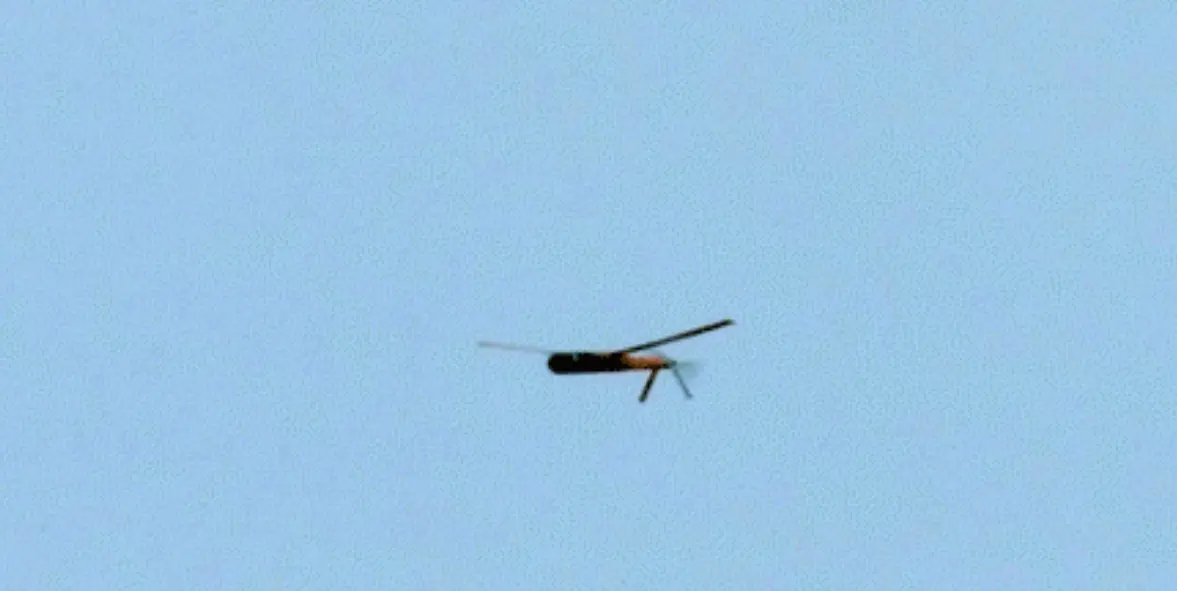
How Airborne Microwaves Work Against Drones
Unlike lasers that focus light at speed-of-light to damage a single target, MORFIUS’s high-power microwaves disrupt or disable drone electronics across a wider area. This makes it more effective against multiple targets simultaneously, reducing the number of interceptors needed for swarm defence.
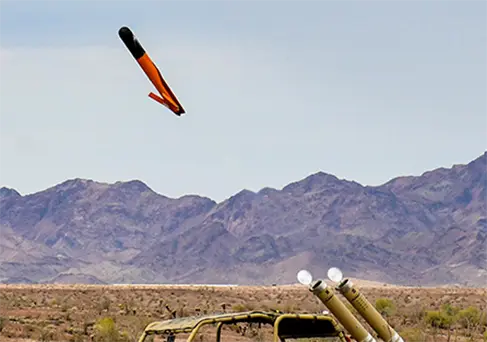
Compact Design and Operational Flexibility
MORFIUS can be tube-launched from air, ground or mobile platforms. It has a proven onboard seeker that relieves sensor requirements for expeditionary systems, allowing compatibility with various defense architectures. Its compact size and flexible deployment mean it can integrate quickly with existing command and control systems, providing joint forces with a responsive layer of defence.
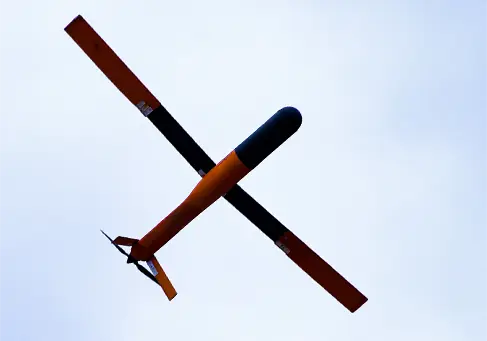
Extended Range and Multi-Engagement Capability
A key advantage of MORFIUS over fixed ground systems is its ability to fly out to engage threats at longer ranges, keeping friendly assets further from danger. Its multi-engagement capability enables repeated attacks within a single sortie, making it a force multiplier in contested environments.
Reusability and Cost-Effectiveness
One of MORFIUS’s defining features is its recoverability and reusability. Unlike expendable missiles or single-use interceptors, MORFIUS can be reused, reducing the logistical burden and cost associated with inventory and resupply. This makes it especially suited to sustained operations and expeditionary forces.
)
)
)
)
)