Record-breaking Arctic heat leaves Siberia 'red-faced'

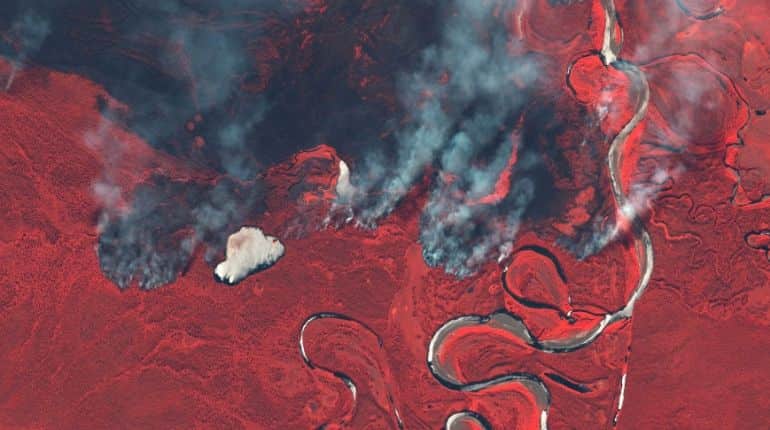
Trees bursting into flames
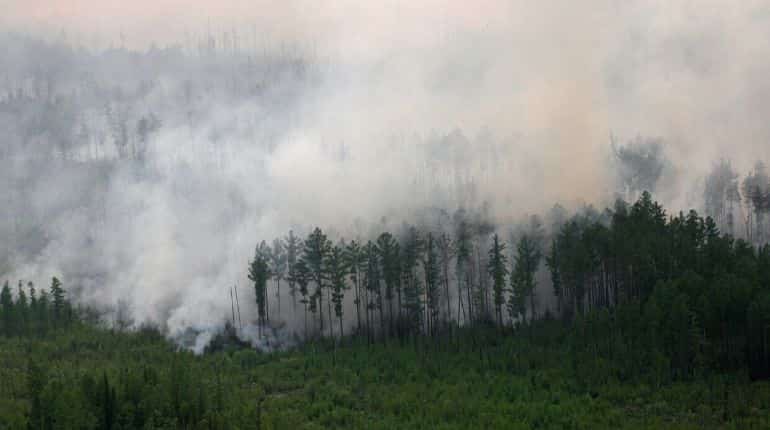
Pine trees are bursting into flames. Boggy peatlands are tinderbox dry. And towns in northern Russia are sweltering under conditions more typical of the tropics.
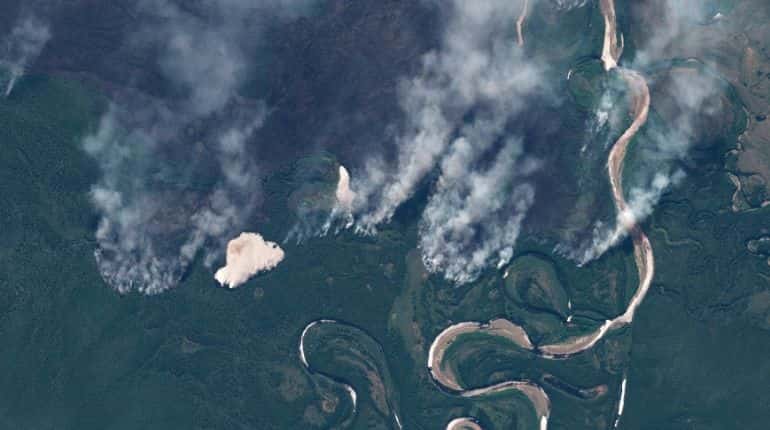
Wildfires across forests
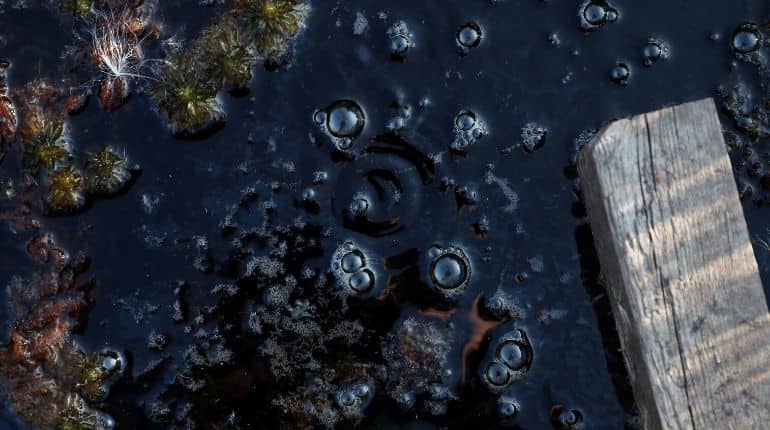
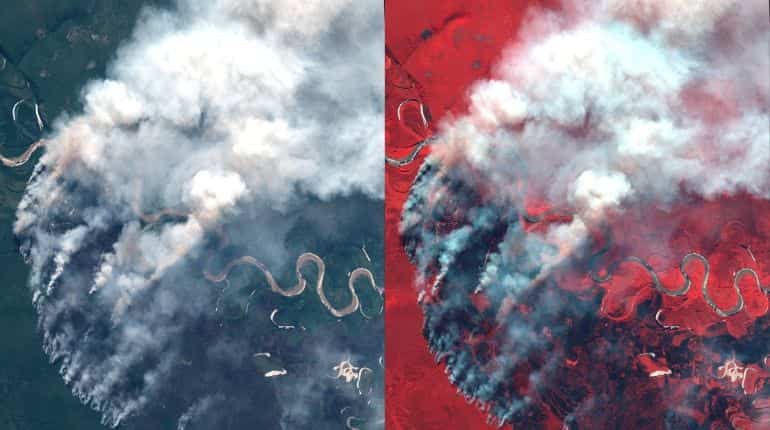
That extreme heat is fanning the unusual extent of wildfires across the remote, boreal forest and tundra that blankets northern Russia. Those blazes have in turn ignited normally waterlogged peatlands.
Scientists fear the blazes are early signs of drier conditions to come, with more frequent wildfires releasing stores of carbon from peatland and forests that will increase the amount of planet-warming greenhouse gases in the air.
An oven!
Scientists have known climate change is causing the Arctic to warm twice as quickly as the rest of the world, and the Siberian heat wave, which began in May, is typical of that trend.
"It becomes like an oven," said Walt Meier, a senior research scientist at the National Snow and Ice Data Center at the University of Colorado who specialises in sea ice. "You are doing that on top of the longer-term warming trend, so you are getting the oven nicely baking a pie to scorching it."
"What used to be extreme is becoming normal. Warmer temperatures are now relatively frequent," Meier said.
'Warning cry'
The peat fires make the need to cut man-made emissions all the more urgent, say scientists, who warn that wider changes in the Arctic could trigger bigger impacts on the global climate system.
"It's a huge warning cry that's going off, but it's not the only systemic problem that's happening in the Arctic related to climate change," said Gail Whiteman, incoming professor of sustainability at Britain's University of Exeter and founder of the Arctic Basecamp group of scientists advocating for rapid climate action.
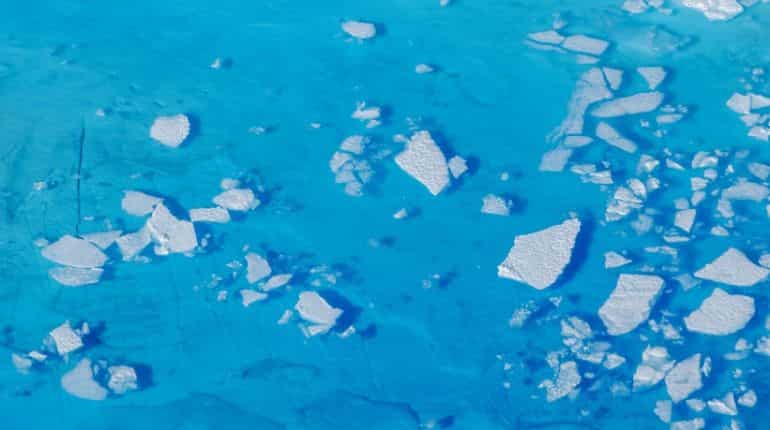
Whiteman and other researchers are also worried about the rising heat thawing Arctic permafrost faster than expected, which is liable to produce far larger quantities of carbon dioxide and methane than are being released by the fires.
Stripping away vegetation
Guido Grosse, head of the Permafrost Research Unit at the Alfred Wegener Institute Helmholtz Centre for Polar and Marine Research in Germany, said the fires were stripping away peat and vegetation that normally would form a protective blanket over the permafrost.
"If you take this away the heat from the summer penetrates directly into the ground and warms the permafrost, and it starts thawing," he said. "You see this effect usually a few years after the fires."
Situation getting warmer and warmer
The warming temperatures also appear to be making the Arctic wildfire season longer, said Jessica McCarty, an assistant professor of geography at Miami University in Ohio. Typically, the Arctic fire season runs from July to August, plus or minus a couple of weeks. This year, fires were detected in May.
And "as the peat burns … its neighbor next door gets warmer, and their neighbors get warmer," McCarty said. "We're burning up these ancient pools of carbon."
)
)
)
)
)