Get ready for a crescent sunrise solar eclipse this weekend: Path, timing and other details

Crescent sunrise solar eclipse: A partial solar eclipse within the same 24-hour period as September's equinox will occur this weekend (September 21-22). Some parts of New Zealand, and major portions of Antarctica, will witness a crescent sunrise.
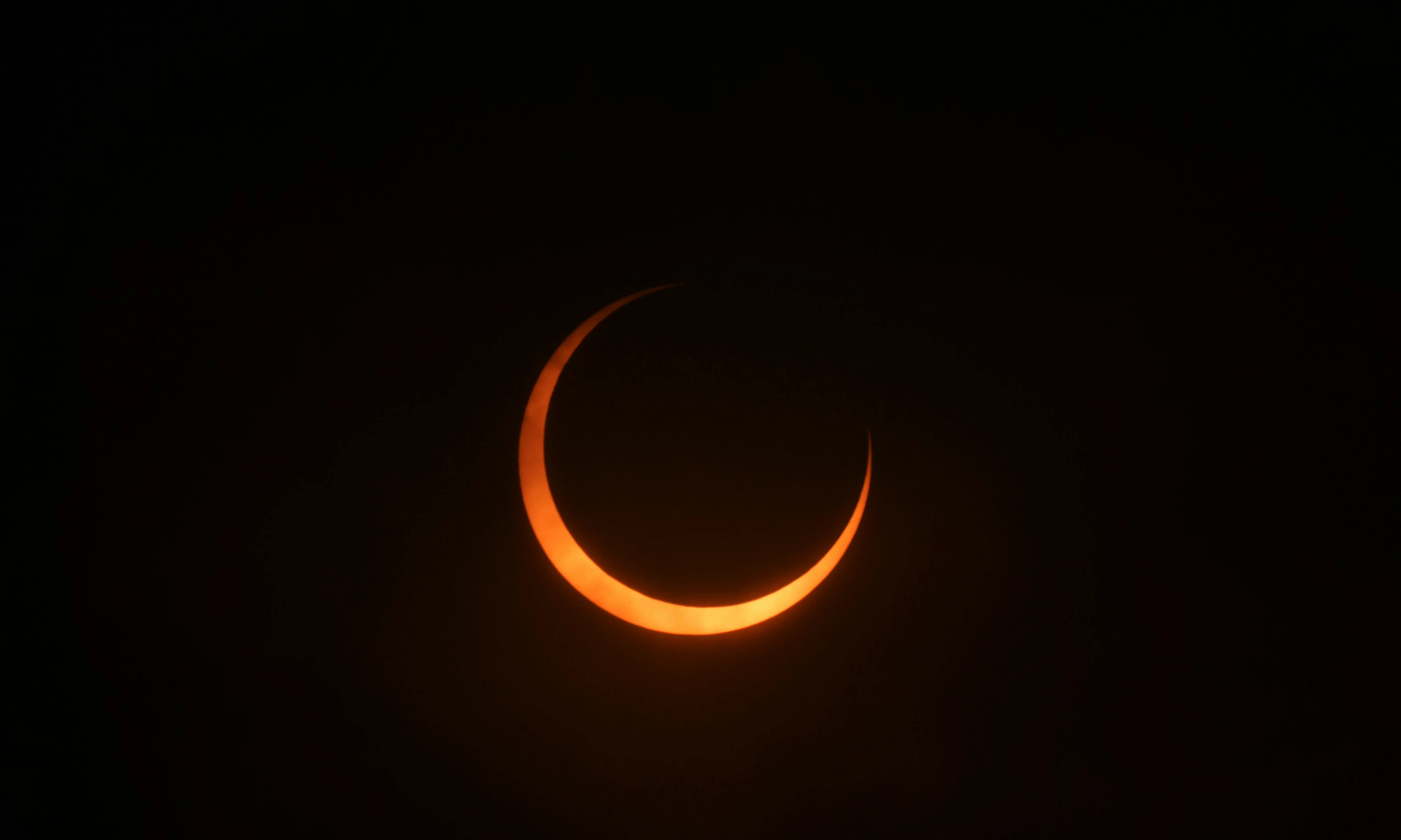
Crescent sunrise solar eclipse
A crescent sunrise solar eclipse is set to occur this weekend; however, it will be visible only from some parts of the world. Viewers in New Zealand, the South Pacific, and Antarctica will have a rare chance to witness a crescent-shaped Sun rising. The cut-off Sun will be a result of the eclipse.
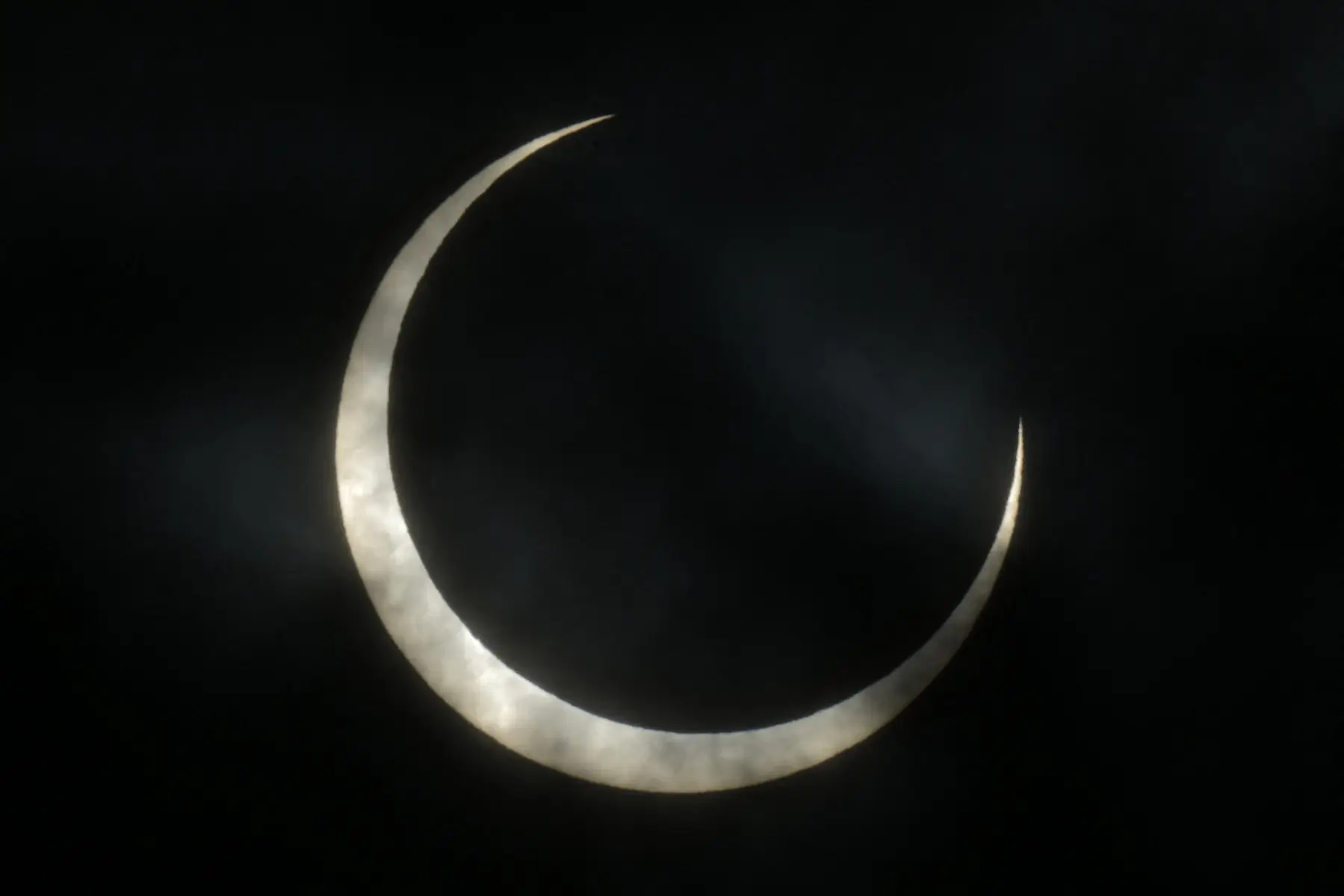
Equinox eclipse will bring spring to Southern Hemisphere
Known as the "equinox eclipse," this celestial event is especially notable because it takes place within the same 24-hour period as September's equinox. At this time, the sun seemingly crosses the celestial equator and brings spring to the Southern Hemisphere, while autumn begins in the north.
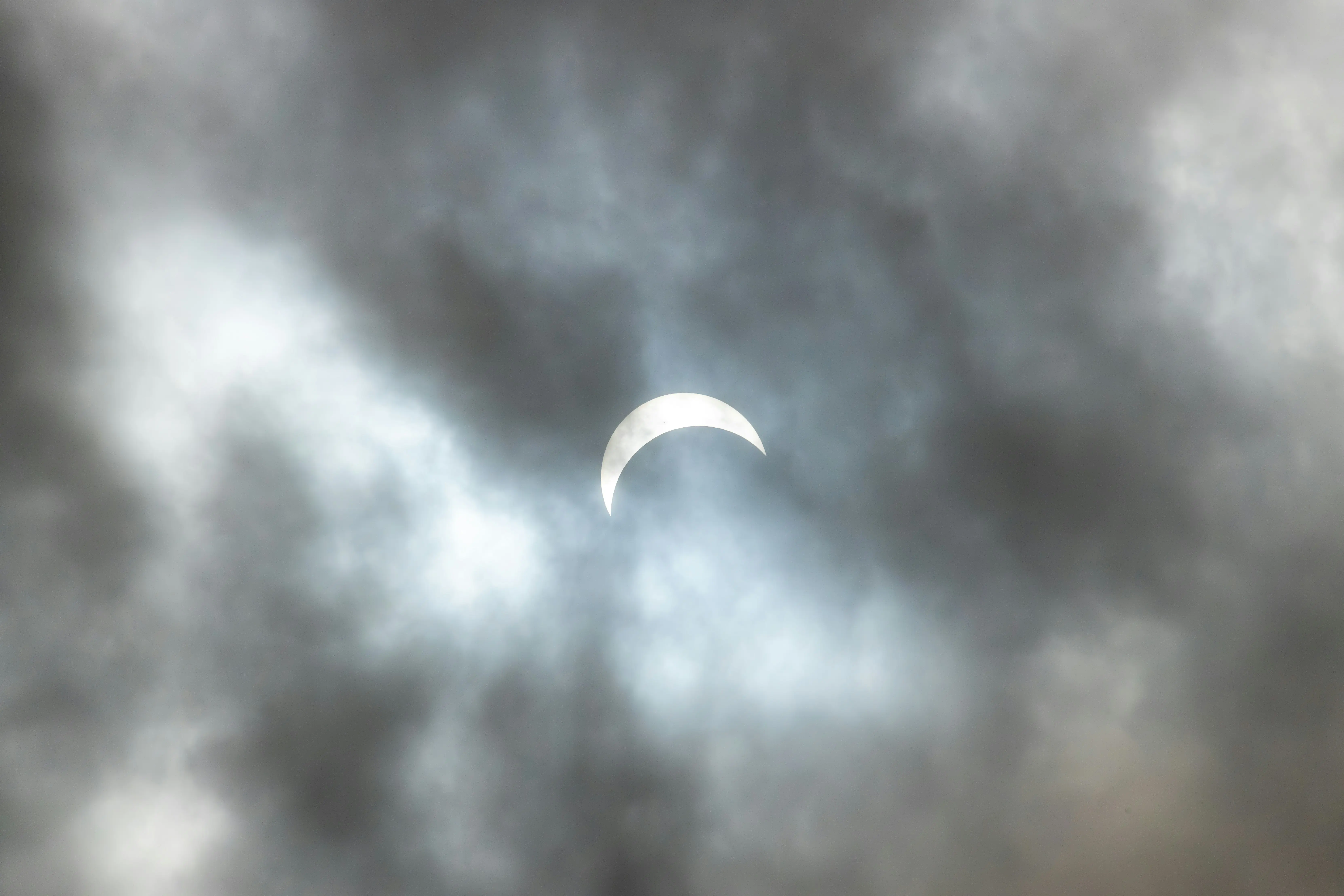
When will partial solar eclipse happen?
The partial solar eclipse is the second one of 2025. The reason for the crescent sunrise is the timing of the eclipse. It will begin at 1:29 pm and end at 5:53 pm ET on September 21. This is the time when the sun will rise on Monday in Antarctica, New Zealand and the South Pacific. So those residing in these regions will get to see a crescent sunrise. This event will be equally fascinating as a total solar eclipse.
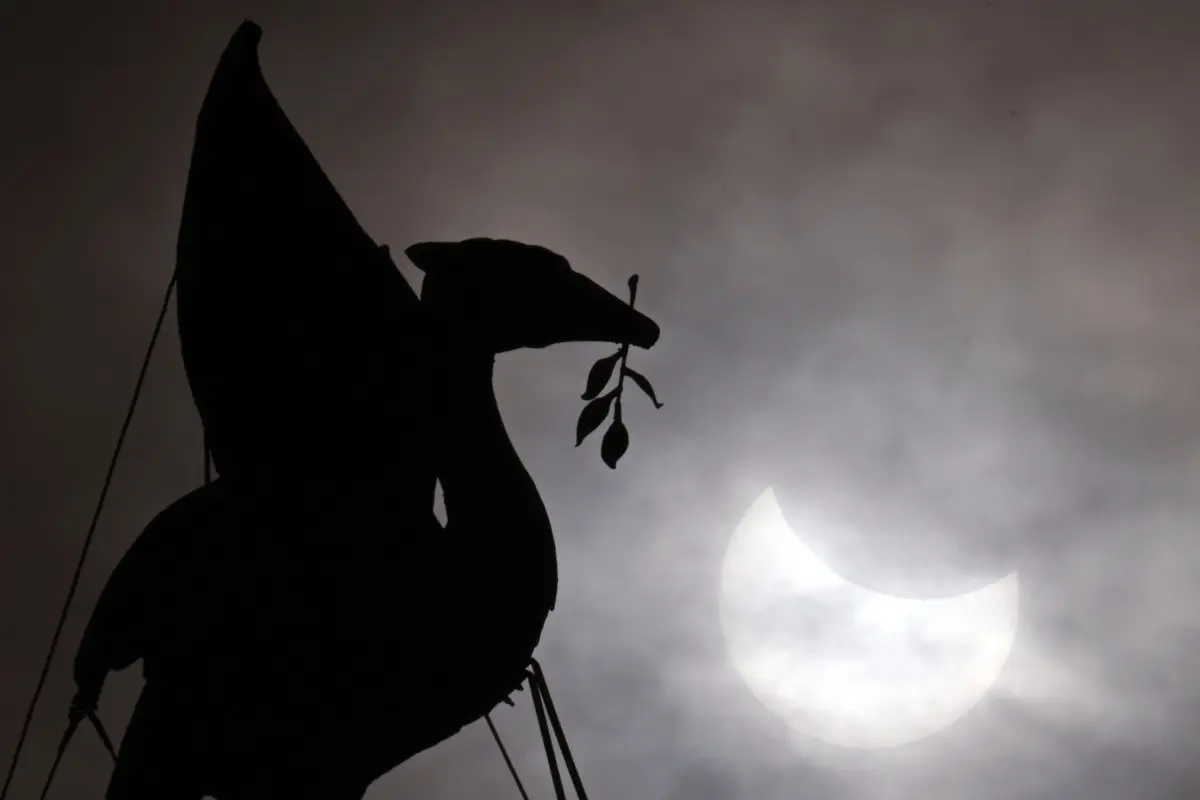
What is partial solar eclipse?
During a total solar eclipse, the Moon completely covers the Sun, leaving only the corona, or the outer atmosphere, visible. But in the case of a partial solar eclipse, a portion of the Sun remains visible. So it appears like a crescent Moon, except what you have is the Sun partially cut off.
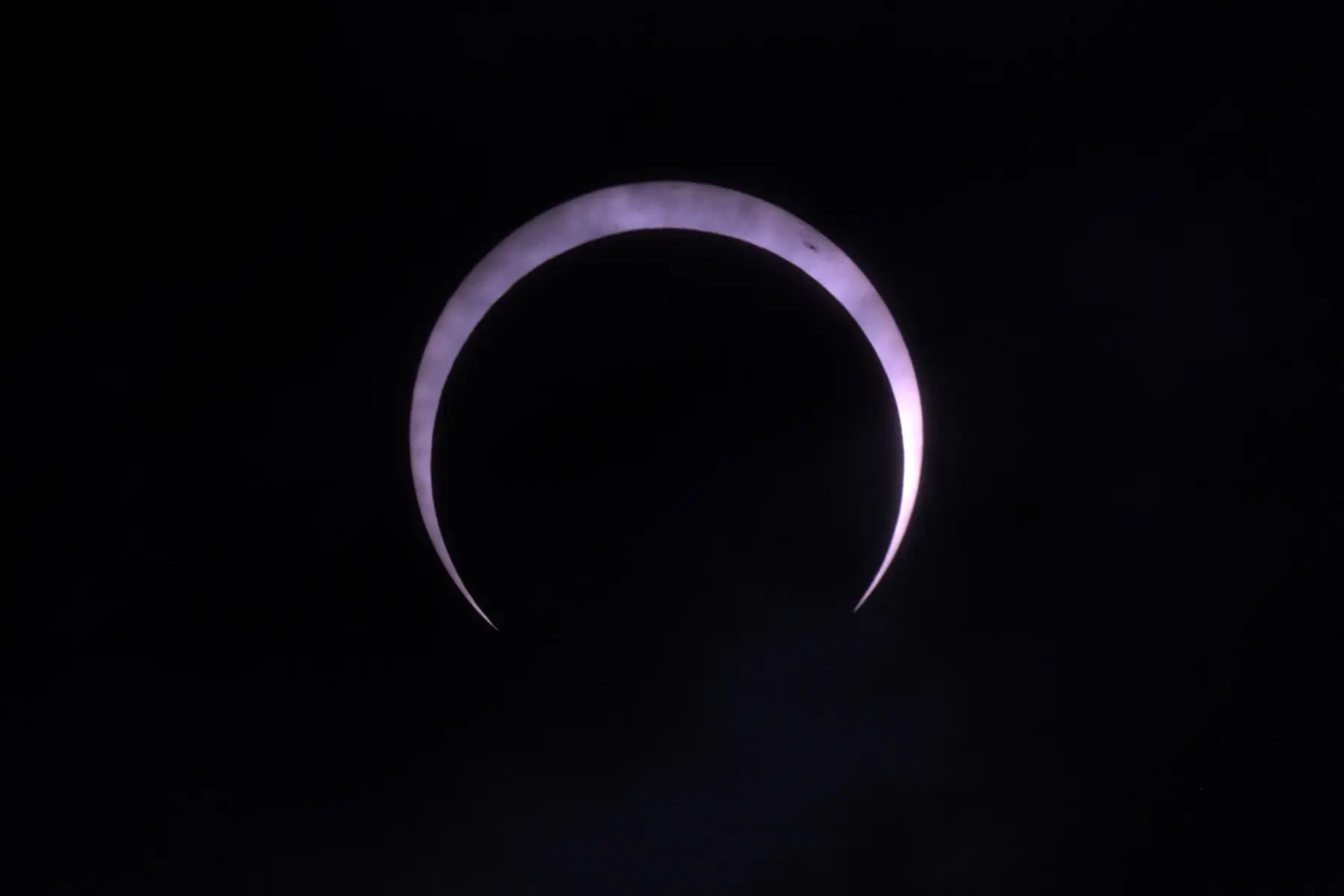
Antarctica's Ross Sea and southern New Zealand will see 86% covered sun
The path of the eclipse is extremely remote, and a very tiny percentage of the world's population will get to see it. During the eclipse, up to 86 per cent of the sun will be hidden in parts of Antarctica's Ross Sea and southern New Zealand.
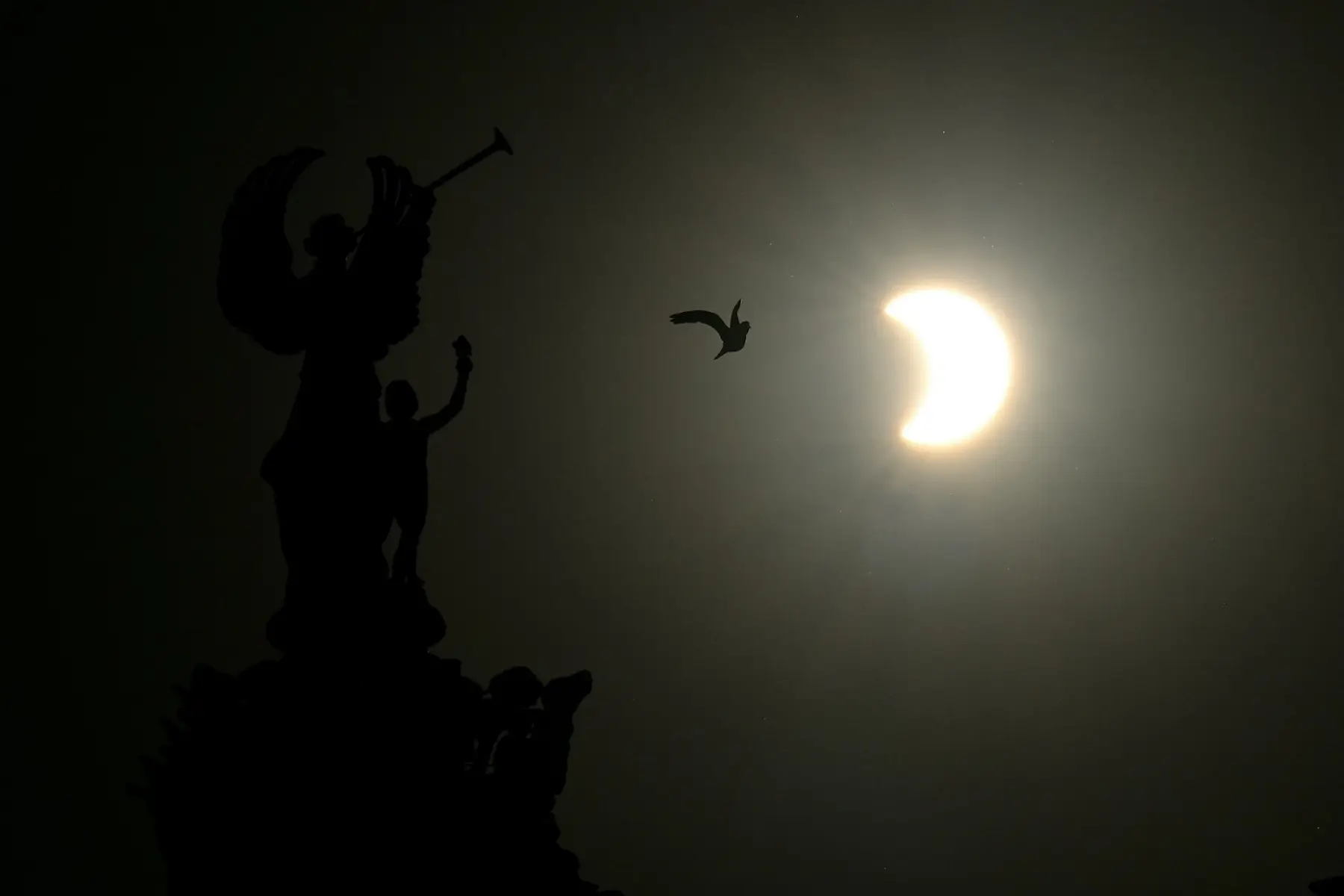
Dunedin, New Zealand will see eclipsed sunrise
The best viewing location will be in Dunedin, New Zealand. The sun will rise at 6:27 am NZST and will already be eclipsed at this time. The solar maximum will reach about 72 per cent coverage about 40 minutes later.
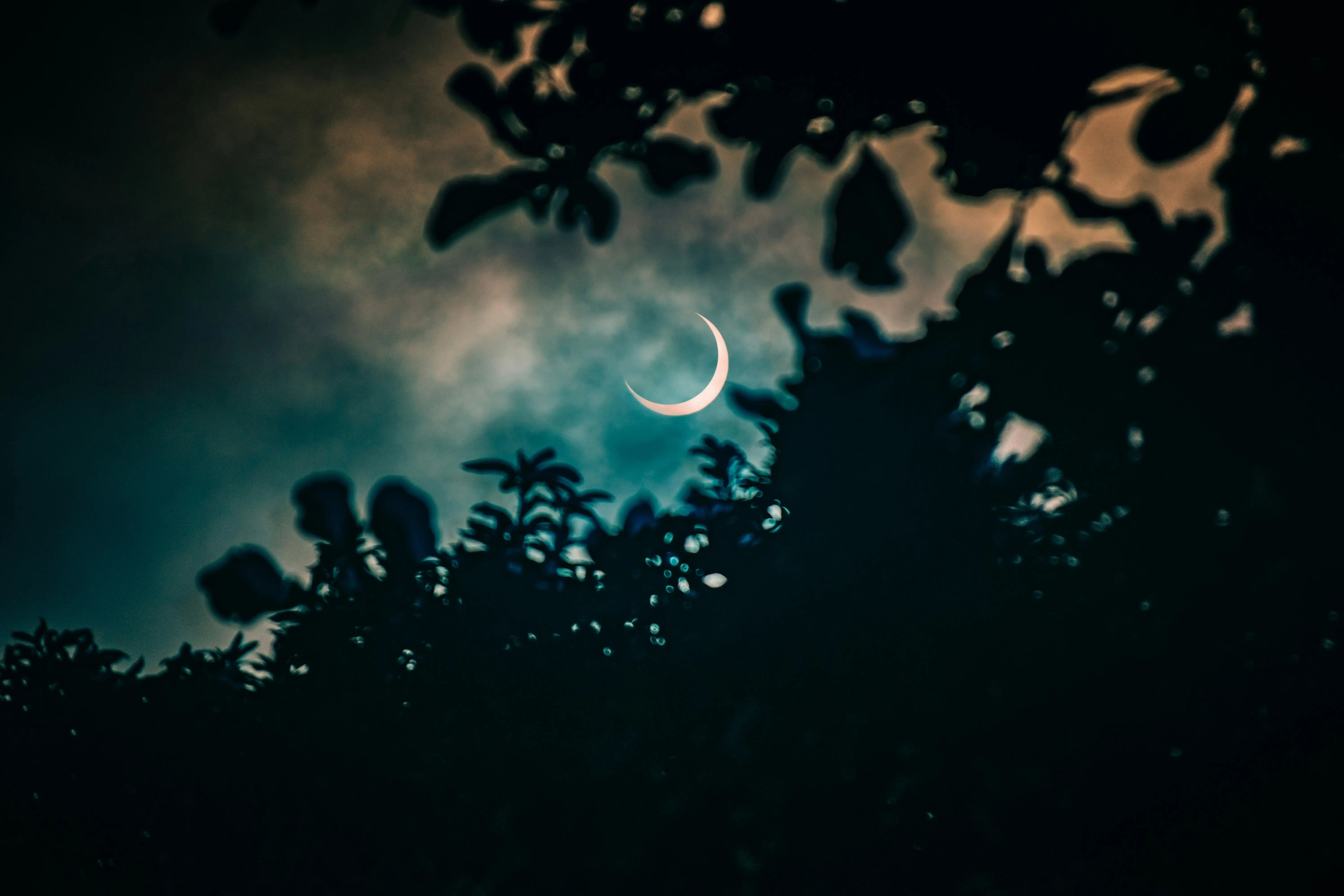
Solar eclipse in Auckland,, Fiji and Tonga
In Auckland, the partially eclipsed sun will rise at 6:10 NZST. The maximum eclipse here will be 61%. The coverage of the Sun will further reduce in the South Pacific, as in Fiji and Tonga, the partial eclipse will be much smaller at sunrise.
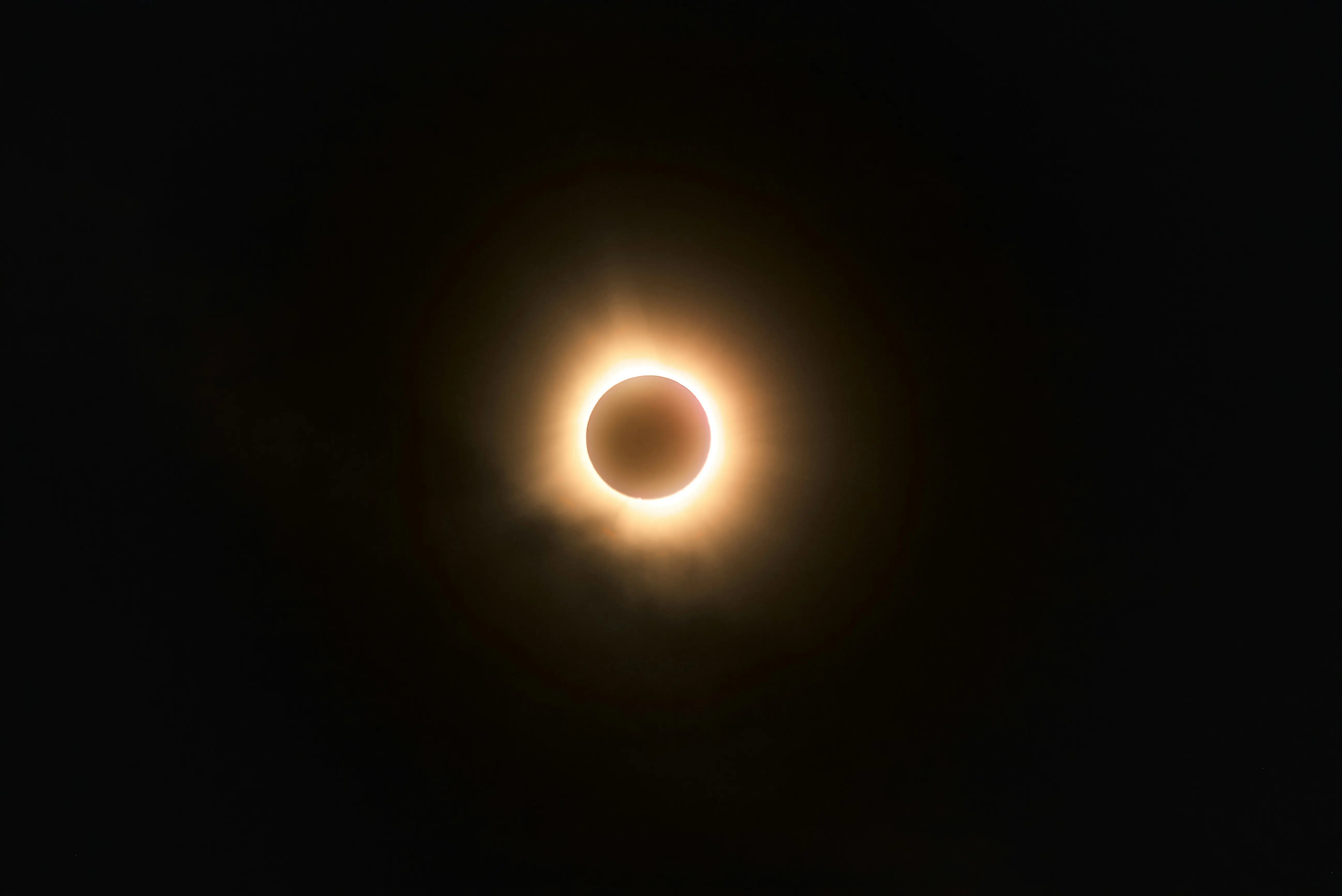
Ring of fire solar eclipse in 2026
The next solar eclipse will take place on February 17, 2026. It will be an annular solar eclipse, which will create a "ring of fire" for up to 2 minutes and 20 seconds. However, this eclipse will also be visible only in Antarctica.
)
)
)
)
)